How Do You Fix a Messed-Up Internal Clock and Sleep Better
A messed-up internal clock can wreck your sleep, energy, and mood. This guide walks you through proven methods to reset your body’s natural rhythm, including light exposure, sleep routines, and smart lifestyle habits. You will learn practical steps to fix your internal clock and sleep better starting tonight.
Have you ever felt completely out of sync with the world around you? You are wide awake at 2 a.m. but dragging through your workday by noon. Maybe you just got back from a trip across time zones, or perhaps you have been staying up too late scrolling through your phone for weeks. Whatever the reason, a messed-up internal clock can make every day feel like a struggle.
The good news is that fixing your internal clock is absolutely possible. You do not need expensive gadgets or prescription medications to get your sleep back on track. With a few consistent habits and some smart adjustments, you can retrain your body to sleep when it should and wake up feeling refreshed. This guide covers everything you need to know about fixing a disrupted internal clock and sleeping better starting tonight.
Key Takeaways
- Consistent wake times are the single most powerful way to reset your internal clock and restore healthy sleep patterns.
- Light exposure management — especially morning sunlight — plays a critical role in recalibrating your circadian rhythm.
- Avoiding screens and stimulants before bed helps your brain wind down and signals your body that it is time to sleep.
- Temperature control in your sleep environment significantly impacts how quickly you fall asleep and how deep your rest becomes.
- Small, gradual adjustments work better than drastic changes when trying to fix a disrupted sleep schedule.
- Melatonin and natural supplements can support your efforts but work best alongside consistent behavioral changes.
- Patience and persistence are essential — it typically takes one to two weeks to fully reset your internal clock.
📑 Table of Contents
Understanding Your Internal Clock
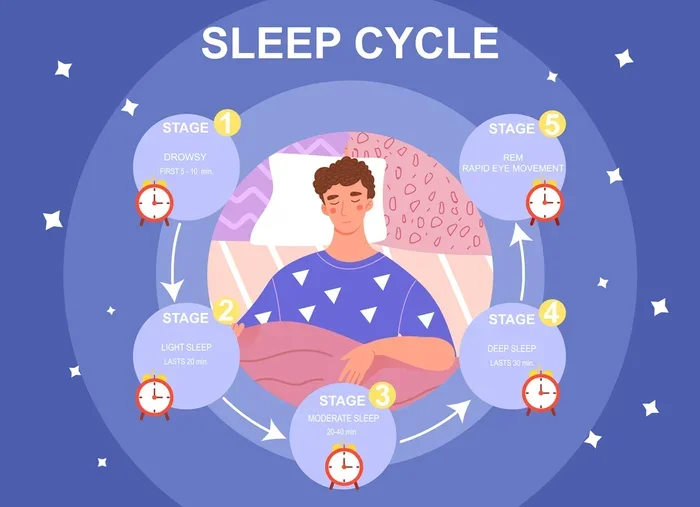
Your internal clock, also known as your circadian rhythm, is a natural 24-hour cycle that tells your body when to sleep and when to wake up. Think of it like an invisible timekeeper living inside your brain. It responds to light, temperature, and daily habits to keep your body running on a predictable schedule.
When your circadian rhythm is working well, you feel sleepy at night and alert during the day. But when something disrupts this pattern — like late-night screen time, shift work, or travel across time zones — your internal clock gets thrown off. The result is poor sleep, low energy, and trouble concentrating.
What Causes a Messed-Up Internal Clock?
Several common factors can throw your internal clock out of balance. Understanding these causes is the first step toward fixing the problem.
- Irregular sleep schedules: Going to bed and waking up at different times every day confuses your body. It does not know when to expect sleep, so it stops signaling you properly.
- Excessive screen time before bed: The blue light from phones and laptops tricks your brain into thinking it is still daytime. This suppresses melatonin production and delays sleepiness.
- Travel across time zones: Jet lag is a classic example of circadian disruption. Your body is still on the old time zone while your surroundings have changed.
- Shift work: Working nights or rotating shifts forces your body to sleep during daylight hours, which goes against your natural rhythm.
- Poor sleep environment: A room that is too bright, too warm, or too noisy can prevent your body from entering deep sleep, even if you lie down at the right time.
- Caffeine and alcohol: Both substances interfere with your sleep cycle. Caffeine keeps you alert, while alcohol may help you fall asleep but ruins sleep quality.
How Your Body Regulates Sleep
Your brain contains a tiny region called the suprachiasmatic nucleus, or SCN. This small group of cells acts as the master clock for your entire body. It receives signals from your eyes about light and darkness and then tells the rest of your body what to do.
When light enters your eyes in the morning, the SCN signals your body to produce cortisol, which makes you feel awake and alert. As evening approaches and light fades, your brain starts producing melatonin, the hormone that makes you feel sleepy. This cycle repeats every 24 hours and forms the basis of your circadian rhythm.
When this system works correctly, you barely notice it. But when something disrupts it, the effects are immediate and noticeable. You might feel groggy in the morning, wired at night, or constantly tired no matter how many hours you spend in bed.
How to Fix a Messed-Up Internal Clock
Now that you understand what causes the problem, let us talk about the solutions. Resetting your internal clock requires consistency and patience, but the steps are simple and anyone can follow them.
1. Set a Consistent Wake Time
This might be the single most important thing you can do to fix your internal clock. Your body thrives on predictability. When you wake up at the same time every day — including weekends — you send a powerful signal to your brain about when the day starts.
Pick a wake time that works for your schedule and stick to it. Even if you had a terrible night of sleep, get up at your chosen time. Your body will adjust over time, and you will start feeling sleepy at the right hour each night.
Think of it this way. Just like how long a car can sit in cold weather depends on how well it is maintained and prepared, your sleep schedule depends on how consistently you care for it. A car left out in the cold for one night might be fine, but repeated neglect causes problems. The same goes for your sleep routine.
2. Get Morning Sunlight Exposure
Natural light is the strongest signal for resetting your circadian rhythm. When sunlight hits your eyes in the morning, it tells your brain that the day has started and suppresses melatonin production. This helps you feel alert and shifts your internal clock forward.
Try to get at least 15 to 30 minutes of outdoor light within the first hour of waking up. You do not need to exercise or do anything special. Simply stepping outside with your morning coffee or walking to the mailbox can make a difference.
If you live somewhere with limited sunlight, consider using a light therapy box. These devices simulate natural morning light and can be especially helpful during winter months or for people who work indoors all day.
3. Create a Relaxing Bedtime Routine
Your body needs time to wind down before sleep. A consistent bedtime routine signals to your brain that it is time to shift from awake mode to sleep mode. This is where sleep hygiene comes into play.
Start winding down 30 to 60 minutes before your target bedtime. Here are some effective activities:
- Reading a physical book or magazine
- Taking a warm shower or bath
- Practicing gentle stretching or yoga
- Listening to calming music or a sleep podcast
- Writing in a journal or doing a brain dump
- Sipping caffeine-free herbal tea like chamomile
The key is to do the same things in the same order every night. Over time, your brain will associate these activities with sleep and start preparing your body automatically.
4. Limit Screen Time Before Bed
This is one of the hardest habits to break, but it is also one of the most impactful. The blue light emitted by phones, tablets, laptops, and televisions suppresses melatonin production and tricks your brain into thinking it is still daytime.
Try to stop using screens at least 30 minutes before bed. If that feels impossible, start with just 10 minutes and build up. You can also use blue light filtering glasses or enable night mode on your devices, though these are not as effective as simply putting the screens away.
Replace screen time with something relaxing. Many people find that reading a book, listening to an audiobook, or doing a simple breathing exercise helps them feel sleepy without the stimulation of a glowing screen.
5. Watch What You Eat and Drink
Your diet plays a bigger role in sleep quality than most people realize. What you consume and when you consume it can either help or hurt your efforts to reset your internal clock.
Here are some dietary tips for better sleep:
- Avoid caffeine after 2 p.m.: Caffeine has a half-life of about 5 to 6 hours, meaning half of it is still in your system many hours after your last cup.
- Limit alcohol in the evening: Alcohol might make you feel drowsy, but it disrupts REM sleep and causes you to wake up in the middle of the night.
- Eat dinner at a consistent time: Try not to eat large meals within 2 to 3 hours of bedtime. Digestion can interfere with your ability to fall asleep.
- Consider a light snack before bed: A small snack with tryptophan, like a banana or a handful of almonds, can promote sleepiness.
- Stay hydrated during the day: But reduce fluid intake in the evening to avoid waking up for bathroom trips.
6. Optimize Your Sleep Environment
Your bedroom should be a sleep sanctuary. The environment you sleep in has a direct impact on how well your body can rest and recover overnight. Small changes to your sleep space can make a surprisingly big difference.
Focus on these three factors:
Temperature: Most sleep experts recommend keeping your bedroom between 60 and 67 degrees Fahrenheit. A cool room helps your body lower its core temperature, which is a natural signal for sleep. Think about how hot a car can get in the sun — a sweltering interior makes it impossible to relax. The same principle applies to your bedroom. A room that is too warm will keep you tossing and turning.
Darkness: Use blackout curtains or a sleep mask to eliminate light. Even small amounts of light from street lamps or charging indicators can disrupt melatonin production. The darker your room, the better your brain can produce the hormones you need for deep sleep.
Noise: If you live in a noisy area, consider using a white noise machine or earplugs. Consistent, gentle background noise can mask disruptive sounds and help you stay asleep longer.
7. Use Strategic Naps
Naps can be a double-edged sword when you are trying to fix your internal clock. A well-timed nap can restore alertness without interfering with nighttime sleep, but a poorly timed or overly long nap can make everything worse.
Follow these nap guidelines:
- Keep naps short — 10 to 20 minutes is ideal
- Nap before 3 p.m. to avoid disrupting your nighttime sleep
- Find a quiet, dark place to nap
- Set an alarm so you do not oversleep
If you are struggling to fall asleep at night, consider eliminating naps entirely for a week or two. This can help build up enough sleep pressure to make nighttime sleep come more easily.
8. Consider Melatonin Supplements
Melatonin is a natural hormone that your body produces to signal sleepiness. Taking a small dose of melatonin supplement can help shift your internal clock, especially when dealing with jet lag or a severely disrupted schedule.
However, melatonin is not a sleeping pill. It works best as a timing signal. Take a low dose — typically 0.5 to 1 milligram — about 30 to 60 minutes before your target bedtime. Start with the lowest dose and increase only if needed.
Always talk to a healthcare provider before starting any supplement, especially if you take other medications or have underlying health conditions. Melatonin works best when combined with the behavioral changes described in this article, not as a standalone solution.
How Long Does It Take to Reset Your Internal Clock?
This is one of the most common questions people ask when trying to fix a disrupted sleep schedule. The honest answer is that it depends on the severity of the disruption and how consistently you follow the strategies above.
For mild disruptions, such as staying up an hour or two later than usual, you can often reset your internal clock within a few days. For more significant disruptions, like jet lag from crossing multiple time zones, it typically takes about one day per time zone crossed to fully adjust.
For chronic sleep schedule problems — such as months of irregular bedtimes — resetting your internal clock can take two to three weeks of consistent effort. This is where many people give up too early. The first few days might feel difficult, but once your body starts to recognize the new pattern, things get noticeably easier.
Remember that progress is not always linear. You might have a bad night here and there, and that is completely normal. Do not let one off night derail your entire effort. Just get back on track the next morning and keep going.
Common Mistakes That Make Internal Clock Problems Worse
As you work on fixing your internal clock, watch out for these common mistakes that can slow your progress or undo your hard work.
Sleeping In on Weekends
It is tempting to sleep in on Saturday and Sunday mornings, especially if you have been struggling all week. But sleeping in can shift your internal clock backward, making Monday morning feel even worse. Try to keep your wake time within one hour of your weekday schedule, even on days off.
Using Your Phone in Bed
Many people tell themselves they will just check their phone for a minute before bed. Then 30 minutes later, they are still scrolling. The combination of blue light, mental stimulation, and time loss makes this one of the worst habits for sleep. Keep your phone out of the bedroom or at least across the room.
Forcing Sleep
Lying in bed trying to force yourself to sleep creates anxiety and frustration. If you have been lying awake for more than 20 minutes, get out of bed and do something relaxing in dim light. Go back to bed only when you feel genuinely sleepy.
Relying on Sleep Aids Every Night
Over-the-counter sleep aids can be useful occasionally, but they are not a long-term solution. They do not address the underlying cause of a messed-up internal clock and can create dependency over time.
When to See a Doctor About Your Internal Clock
Most cases of a messed-up internal clock can be fixed with the lifestyle changes described in this article. However, there are times when professional help is necessary.
Consider talking to a healthcare provider if you experience any of the following:
- Persistent insomnia that lasts more than four weeks
- Extreme daytime sleepiness that interferes with work or safety
- Snoring loudly or gasping for air during sleep
- Restless legs or uncomfortable sensations in your legs at night
- Mood changes, depression, or anxiety linked to sleep problems
- Shift work sleep disorder that does not improve with behavioral changes
A sleep specialist can evaluate you for underlying conditions like sleep apnea, delayed sleep phase disorder, or other circadian rhythm disorders. These conditions often require targeted treatment beyond the strategies covered here, and a professional can help you find the right approach.
Quick Tips for Better Sleep Tonight
Want to start sleeping better right away? Here are some quick wins you can implement tonight:
- Set your alarm for the same wake time tomorrow and commit to getting up when it goes off.
- Open your curtains or blinds as soon as you wake up to let in natural light.
- Avoid caffeine after lunch today.
- Turn off all screens 30 minutes before your target bedtime.
- Keep your bedroom cool, dark, and quiet.
- Write down three things you are grateful for or three things you need to do tomorrow to clear your mind.
These small actions might seem simple, but they add up quickly. Many people notice an improvement in their sleep quality within just a few days of making these changes consistently.
Final Thoughts
Fixing a messed-up internal clock is not about willpower or luck. It is about understanding how your body works and giving it the right signals at the right times. Your circadian rhythm responds to light, temperature, routine, and consistency. When you align your daily habits with your body’s natural design, sleep comes more easily and feels more restorative.
Start with the simplest strategy — setting a consistent wake time — and build from there. Add morning sunlight, a relaxing bedtime routine, and a sleep-friendly environment one step at a time. Within a week or two, you will likely notice a real difference in how you feel during the day and how easily you fall asleep at night.
Remember that everyone’s internal clock is slightly different. Some people are naturally early risers, while others thrive as night owls. The goal is not to become a morning person if that is not your natural tendency. The goal is to have a predictable, consistent rhythm that leaves you feeling rested and energized throughout the day.
Your body is designed to sleep well. Sometimes it just needs a little help getting back on track. Use the tips in this guide, be patient with yourself, and trust the process. Better sleep is absolutely within your reach.
Frequently Asked Questions
Can you fix a messed-up internal clock in one day?
It is unlikely to fully reset your internal clock in a single day, especially if the disruption has been going on for a while. However, you can start shifting your rhythm by getting morning sunlight, sticking to a consistent wake time, and avoiding screens at night. Most people need several days to a couple of weeks to fully recalibrate their body clock.
What is the fastest way to reset your internal clock?
The fastest approach is to combine consistent wake times with bright morning light exposure and strict avoidance of screens before bed. Melatonin supplements taken at the right time can also accelerate the process, particularly for jet lag or shift work. However, the most effective reset happens when you pair these strategies with long-term consistency.
Does exercise help fix a messed-up internal clock?
Yes, regular exercise can support healthy sleep and help regulate your circadian rhythm. However, timing matters. Avoid vigorous exercise within 2 to 3 hours of bedtime, as it can raise your core body temperature and make it harder to fall asleep. Morning or early afternoon workouts tend to be most beneficial for sleep quality.
Can a messed-up internal clock cause health problems?
Chronic circadian disruption has been linked to a range of health issues, including weakened immunity, weight gain, mood disorders, and increased risk of heart disease. While occasional sleep disruptions are normal, long-term internal clock problems should be addressed seriously to protect your overall health and well-being.
Is it better to stay in bed and try to sleep or get up?
If you have been lying awake for more than 20 minutes, it is better to get up. Stay in bed too long while frustrated, and your brain starts associating the bed with wakefulness and anxiety. Get up, go to another room, do something calm and relaxing in dim light, and return to bed only when you feel genuinely sleepy.
How does traveling across time zones affect your internal clock?
Traveling across time zones causes jet lag because your body is still operating on the time zone you left. Your internal clock takes time to adjust to the new local time, typically about one day per time zone crossed. Getting morning sunlight at your destination, staying hydrated, and avoiding long naps can help speed up the adjustment process.
=== CONCLUSION ===
Fixing a messed-up internal clock is one of the most valuable things you can do for your health and quality of life. A well-functioning internal clock means better sleep, more energy, improved mood, and sharper focus throughout the day. The strategies in this article — consistent wake times, morning light, a relaxing bedtime routine, and a sleep-friendly environment — all work together to help your body find its natural rhythm again.
Start small, be consistent, and give yourself time. Your body is remarkably adaptable, and with the right signals, it will recalibrate. Better sleep is not a luxury — it is a foundation for everything else in your life. Take the first step tonight, and you will be on your way to sleeping better and feeling like yourself again.