How Can I Clear a Check Engine Code Without a Mechanic
Clearing a check engine code is easier than most people think. You can clear a check engine code at home with an OBD2 scanner or simple tricks like tightening your gas cap. This guide walks you through every method so you clear the check engine light code quickly and safely without visiting a mechanic.
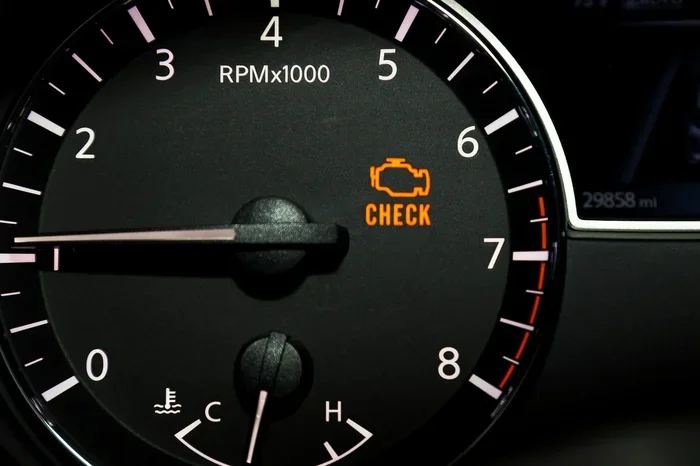
That little orange light on your dashboard can send anyone into a panic. You are driving along, minding your own business, when suddenly the check engine light pops on. Your first thought might be to panic or head straight to the mechanic. But here is the good news. You can often clear a check engine code yourself without spending a dime on labor costs.
Whether your light came on because of a loose gas cap or something more complex, this guide will show you exactly how to handle it. We will walk you through every method step by step. You will learn how to use a scanner, when to try simple fixes, and how to clear the check engine light code safely. By the end, you will feel confident tackling this common car problem on your own.
Millions of drivers face this situation every year. The truth is that most check engine light issues are minor and easy to fix. You just need to know what to do. So let us dive right in and get that annoying light turned off for good.
Key Takeaways
- Use an OBD2 Scanner: A handheld or Bluetooth scanner lets you read and erase codes fast at home.
- Try the Gas Cap Trick: A loose gas cap is one of the most common reasons for a check engine light.
- Drive It Off: Sometimes simply driving resolves minor codes and turns the light off naturally.
- Know When to See a Pro: Persistent codes may signal serious problems that need a mechanic.
- Avoid Common Mistakes: Never clear codes without understanding what they mean first.
- Reset Methods Vary: Different vehicles respond to different reset techniques.
📑 Table of Contents
- What Does a Check Engine Code Mean?
- How to Read Your Check Engine Code
- How to Clear a Check Engine Code Without a Mechanic
- Can You Drive While the Check Engine Light Is On?
- Quick Tips for Preventing Check Engine Light Issues
- When Should You See a Mechanic Instead?
- Common Mistakes People Make When Clearing Check Engine Codes
- How Long Does It Take for the Light to Turn Off?
- Expert Insights on Check Engine Light Codes
- Frequently Asked Questions
- Final Thoughts
What Does a Check Engine Code Mean?
Before you can clear a check engine code, you need to understand what it actually is. A check engine code is a diagnostic trouble code, or DTC. Your car’s computer, called the Engine Control Module, monitors dozens of sensors. When something is off, the computer stores a code and turns on the warning light.
These codes range from very minor to seriously concerning. A code might tell you your oxygen sensor is failing. Or it could mean your catalytic converter is not working properly. Sometimes the code is as simple as a loose fuel cap. Understanding the code helps you decide the best next step.
Common Reasons the Check Engine Light Comes On
Not every check engine light means disaster. In fact, some of the most common causes are incredibly simple. Here are the top reasons drivers see that light pop up:
- Loose or faulty gas cap — This is the number one cause. A loose cap lets fuel vapors escape and triggers the light.
- Faulty oxygen sensor — This sensor measures unburned oxygen in your exhaust. When it fails, your fuel economy drops.
- Worn spark plugs or plug wires — Old spark plugs can cause misfires that set off the light.
- Catalytic converter issues — A failing converter is more serious and needs attention fast.
- Mass airflow sensor problems — This sensor tells the computer how much air enters the engine. When it malfunctions, performance suffers.
- Emission system faults — Various parts of the emission system can trigger codes over time.
Knowing the cause helps you choose the right approach to clear the check engine light code. If it is a simple fix, you might not even need a scanner at all.
How to Read Your Check Engine Code
Reading the code is the essential first step. You cannot fix what you do not understand. Fortunately, reading codes is straightforward and affordable.
Using an OBD2 Scanner
An OBD2 scanner is the most reliable tool for reading check engine codes. These devices plug directly into your car’s diagnostic port. The port is usually located under your dashboard on the driver side. Once plugged in, the scanner communicates with your car’s computer and pulls up any stored codes.
You can buy a basic OBD2 scanner for under $30 at any auto parts store. More advanced Bluetooth scanners connect to your phone through an app. These give you real-time data and detailed explanations of each code. Some scanners even let you clear a check engine code right from the device.
If you prefer not to buy a scanner, you can visit your local auto parts store. Many stores, including Autozone, offer free code reading services. They plug in their scanner, tell you what the code means, and often help you find the right part.
Understanding the Code Numbers
Every check engine code starts with a letter followed by four numbers. The letter tells you the category:
- P-codes — Powertrain issues (engine and transmission)
- B-codes — Body issues (air conditioning, sensors inside the cabin)
- C-codes — Chassis issues (brakes, steering)
- U-codes — Network communication problems
The first number after the letter tells you whether it is a generic code or manufacturer-specific. A “0” means it is a generic code that applies to all vehicles. A “1” means it is specific to your car’s make and model. Write down the full code before you try to fix anything.
How to Clear a Check Engine Code Without a Mechanic
Now for the part you have been waiting for. Here are the most effective ways to clear a check engine code without ever stepping foot in a shop. Each method works differently, so pick the one that fits your situation.
Method 1: Use an OBD2 Scanner to Reset the Code
The most direct approach is to use a scanner that can both read and erase codes. Here is how to do it:
- Locate your OBD2 port under the dashboard.
- Plug the scanner into the port.
- Turn the ignition to the “on” position (do not start the engine).
- Follow the scanner prompts to read the stored codes.
- Write down the codes for your records.
- Select the option to erase or clear the codes.
- Wait for the scanner to confirm the codes have been deleted.
- Start the engine and check if the light stays off.
This method works well for temporary codes or codes that were triggered by a one-time event. However, if the underlying problem still exists, the light will usually come back within a few drive cycles.
Method 2: Disconnect the Battery
Another popular method is to disconnect your car battery. This resets the entire computer system and clears all stored codes. Here is what you need to do:
- Turn off the engine and all electronics.
- Open the hood and locate the battery.
- Using a wrench, loosen the negative terminal first (the black cable).
- Disconnect the cable and move it away from the battery.
- Wait at least 15 minutes.
- Reconnect the negative terminal and tighten it securely.
- Start the car and see if the light is off.
Be aware that disconnecting the battery also erases your radio presets, clock settings, and sometimes your power window calibration. Some newer vehicles may also need to reset certain systems after a battery disconnect. This method is effective but should be used as a last resort.
Method 3: Fix the Root Cause and Drive It Off
The best way to clear the check engine light code permanently is to fix the actual problem. For example, if a loose gas cap triggered the light, simply tightening it often does the trick. After you fix the issue, drive your car normally for a few days. The computer monitors the system and, once it sees everything is working correctly, it will turn the light off on its own.
This is the most reliable method because it addresses the real problem. It also means the code is less likely to return.
Method 4: Use a Code Reader with Reset Function
Many basic code readers are designed specifically for home use. These affordable tools plug into your OBD2 port and display the code. Some models include a reset button that clears the code with the press of a button. They are simple to use and perfect for drivers who want a no-fuss solution.
Just keep in mind that a code reader only erases the code. It does not fix the problem. If the issue persists, the light will return. Always investigate what caused the code before clearing it.
Can You Drive While the Check Engine Light Is On?
This is one of the most common questions drivers ask. The answer depends on what triggered the light. If the light is steady and not flashing, you can usually drive a short distance safely. However, you should get the car checked as soon as possible.
On the other hand, if the light is flashing, that is a different story entirely. A flashing check engine light usually indicates a severe problem, such as a misfire that could damage your catalytic converter. In this case, you should avoid driving and get the vehicle towed to a repair shop.
For many drivers, the question really comes down to whether they can keep driving their daily routine while the light is on. If you are dealing with a steady light and your car seems to run fine, you can likely continue driving for a short period. That said, you should not ignore it. If you want more detailed guidance on this topic, check out our article on whether you can still drive your car if it says engine malfunction.
Remember that driving with the light on for too long can lead to bigger problems and more expensive repairs. Address the issue promptly, even if the car seems to run normally.
Quick Tips for Preventing Check Engine Light Issues
Prevention is always better than cure. Here are some simple habits that can help you avoid seeing that dreaded light in the first place:
- Check your gas cap regularly. Make sure it clicks tightly after every fill-up.
- Keep up with scheduled maintenance. Regular oil changes and spark plug replacements go a long way.
- Use the right fuel. Always check your owner manual for the recommended octane level.
- Address small issues early. A minor problem today can become a major repair tomorrow.
- Monitor your dashboard warnings. Do not ignore other lights or unusual sounds.
- Keep a basic scanner in your glove box. Having a scanner handy means you can read codes immediately and take action fast.
These small habits save you time, money, and stress in the long run. A little prevention goes a very long way with your vehicle.
When Should You See a Mechanic Instead?
There is no shame in visiting a mechanic. In fact, knowing when to call in the experts is a smart move. Here are situations where you should skip the DIY approach and seek professional help:
- The check engine light is flashing.
- You notice a significant drop in performance or power.
- Your car is making unusual noises or vibrating.
- The code points to a catalytic converter or emission system failure.
- You have tried clearing the code but it keeps coming back.
- You are not comfortable working under the hood.
A mechanic has access to advanced diagnostic tools and years of training. They can pinpoint the exact problem quickly. Sometimes what looks like a simple fix actually points to a deeper issue. A professional can save you time and prevent costly mistakes.
If you are wondering whether a dealership or independent shop is better, that depends on your vehicle. For example, if you own a Lexus, you might be surprised to learn that a Toyota dealership can service your Lexus in many cases. Always check your warranty and service options before choosing a repair shop.
Common Mistakes People Make When Clearing Check Engine Codes
Even with the best intentions, many people make mistakes when trying to clear a check engine code. Avoid these common pitfalls:
- Clearing the code without fixing the problem. This is the biggest mistake. The light will return, and you will have wasted your time.
- Ignoring the code entirely. Even if the car seems fine, the code is telling you something. Ignoring it can lead to bigger repairs.
- Using the wrong scanner. Make sure your scanner is compatible with your vehicle’s year and model.
- Disconnecting the battery on a newer car. Some modern vehicles need specialized reset procedures after a battery disconnect.
- Assuming a generic fix will work. Every code is different. Always research the specific code for your vehicle.
Avoiding these mistakes saves you frustration and helps you actually fix the problem instead of just hiding the symptoms.
How Long Does It Take for the Light to Turn Off?
After you clear a check engine code, you might wonder how long it takes for the light to go out. The answer depends on the method you used and whether the problem is truly resolved.
If you used a scanner to erase the code and the fix is in place, the light should stay off within one to three drive cycles. A drive cycle usually means turning the key on, starting the engine, driving for about 10 to 20 minutes, and turning the car off. During this time, the computer runs self-tests on all monitored systems.
If you disconnected the battery, the light should turn off immediately after you reconnect and start the car. However, it may take a few drive cycles for the computer to fully relearn your driving patterns and confirm everything is working correctly.
If the light comes back after you clear it, that is a clear sign the underlying problem is still present. Go back to the code reader, look up the code again, and address the root cause. Simply erasing the code over and over will never solve the real issue.
Expert Insights on Check Engine Light Codes
We spoke with experienced auto technicians to get their take on clearing check engine codes at home. Here is what the experts had to say:
“The most important thing I tell my customers is to never just clear the code and forget about it,” says one veteran mechanic with over 20 years of experience. “The code is your car’s way of telling you something is wrong. Erase it without understanding the cause, and you are just papering over the problem.”
“That said,” he adds, “there is absolutely nothing wrong with using an OBD2 scanner at home. It puts you in control of your car’s health. Just make sure you actually do something about the code once you read it.”
Another technician shared this tip: “Keep a basic scanner in your car at all times. When a light comes on during a road trip, you can pull over, read the code, and decide whether it is safe to keep driving or if you need to pull over and call for help.”
These insights highlight the value of being proactive. A simple scanner can save you hundreds of dollars in diagnostic fees and give you peace of mind on the road.
Frequently Asked Questions
Will clearing a check engine code delete my car’s stored data?
Clearing the code will remove the stored diagnostic trouble codes from your car’s computer. However, it will not delete important data like your radio presets or personal settings unless you disconnect the battery. Using an OBD2 scanner to erase codes is the cleanest and safest method.
Can I clear a check engine code for free?
Yes, you can. Many auto parts stores offer free code reading. You can also use a basic OBD2 scanner you purchase for under $30. Some simple fixes, like tightening a loose gas cap, cost nothing at all and may turn the light off on their own.
Is it safe to drive with the check engine light on?
If the light is steady, it is generally safe to drive for a short distance. However, if the light is flashing, you should stop driving immediately and seek professional help. A flashing light usually indicates a serious problem that could damage your engine or emission system.
How do I know if the check engine code is serious?
The severity depends on the specific code. Codes related to misfires, catalytic converter failure, or oil pressure are serious. Codes related to a loose gas cap or minor sensor issues are usually less urgent. Always look up your specific code to understand the urgency.
Can I clear the code and just ignore it if the car runs fine?
You can, but you should not. Even if your car seems to run normally, the code indicates something is not right. Ignoring it can lead to worsening problems and more expensive repairs down the road. Always investigate the cause before clearing the code.
What is the difference between an OBD2 scanner and a code reader?
A code reader is a basic tool that reads and clears codes. An OBD2 scanner is a more advanced tool that provides real-time data, live sensor readings, and detailed diagnostics. For most home users, a basic code reader is sufficient for reading and clearing check engine codes.
Final Thoughts
Clearing a check engine code without a mechanic is completely within your reach. Whether you use an OBD2 scanner, disconnect the battery, or simply fix the root cause and drive it off, you have real options. The key is to understand the code, address the problem, and then clear it properly.
Do not let that little orange light stress you out. With the right knowledge and a basic tool, you can handle most check engine light situations on your own. You will save money, learn more about your vehicle, and gain confidence as a car owner.
Remember to always investigate the cause before clearing any code. A code that keeps coming back means there is a real problem that needs fixing. Take care of your car, and it will take care of you for miles to come.