How Do I Know If My Truck Is in 4WD Mode Right Now
Knowing whether your truck is in 4WD mode is essential for safe driving, especially on rough terrain or slippery roads. You can check your 4WD status through dashboard indicator lights, the transfer case shifter position, and the center console display. This guide walks you through every method so you can confirm your truck’s drive mode quickly and drive with total confidence.
Ever hopped into your truck and wondered, “Am I in 4WD right now?” You are not alone. Many truck owners find themselves confused about their drive mode, especially when the weather turns bad or the road gets rough.
Knowing whether your truck is in 4WD matters more than most people think. Driving in the wrong mode can wear out your drivetrain. It can also make your truck handle poorly on wet or icy roads. The good news is that checking your 4WD status is simple. There are a few easy ways to find out.
In this guide, we will walk you through every method. You will learn how to read your dashboard lights, check your shifter, and use your truck’s display screen. We will also cover the differences between 4WD high and 4WD low. By the end, you will never second-guess your drive mode again.
Key Takeaways
- Dashboard Lights: The 4WD indicator on your dash is the fastest way to see if your truck is in 4WD.
- Transfer Case Shifter: Checking the shifter position gives you a physical confirmation of your drive mode.
- Center Console Display: Many modern trucks show the current drive mode on a digital screen.
- 4WD High vs. Low: Understanding the difference between 4H and 4L helps you use the right mode for the right situation.
- Common Mistakes: Shifting into 4WD at the wrong speed can damage your drivetrain.
- Part-Time vs. Full-Time 4WD: Different systems work differently, and knowing yours prevents confusion.
- When to Use 4WD: Use 4WD on slippery roads, off-road trails, and deep snow for better traction.
📑 Table of Contents
Why Knowing Your 4WD Mode Matters
Your truck’s drivetrain is one of its most important systems. It sends power from the engine to your wheels. When you are in 4WD, all four wheels receive power. This gives you better grip and control.
But here is the thing. Using 4WD on dry pavement can cause damage. The system locks the front and rear axles together. On smooth roads, this creates extra strain. Over time, it can wear out your transfer case and other drivetrain parts.
On the flip side, driving in 2WD when you need 4WD can be dangerous. On icy roads, deep snow, or muddy trails, 2WD simply does not have enough traction. Your truck might slide or get stuck.
So staying aware of your current drive mode keeps you safe. It also protects your truck from costly repairs. Let us look at the different ways you can check.
Part-Time vs. Full-Time 4WD Systems
Not all 4WD systems are the same. Understanding your system helps you know what to look for.
Part-time 4WD is the most common type. You switch between 2WD and 4WD manually. This system works great for trucks that spend most of their time on regular roads. You only engage 4WD when you need it.
Full-time 4WD sends power to all four wheels all the time. Some full-time systems let you switch between modes. Others run in 4WD constantly. These systems are common in trucks like the Toyota 4Runner and the Jeep Grand Cherokee.
Automatic 4WD is a newer option. The truck decides when to switch between 2WD and 4WD based on road conditions. You do not need to do anything. The system handles it for you.
How to Check If Your Truck Is in 4WD
There are several reliable ways to check your 4WD mode. Let us go through each one step by step.
1. Check the Dashboard Indicator Light
The fastest way to know your drive mode is to look at your dashboard. Most trucks have a 4WD indicator light on the instrument cluster. This small light tells you exactly what mode your truck is in.
When you engage 4WD, the light usually turns on. It might say “4WD,” “4H,” or “4L” depending on your truck. Some trucks use a picture of a truck with all four wheels marked.
If the light is not on, your truck is likely in 2WD. But always double-check. Some older trucks do not have a dashboard light for every mode.
Quick Tip: Turn your key to the “on” position without starting the engine. The dashboard lights will illuminate for a quick check. This works even before you start driving.
2. Look at the Transfer Case Shifter
Your transfer case shifter is the lever or dial that controls your 4WD system. It is usually located on the center console or the floor between the seats.
On older trucks, the shifter has clear markings. You will see positions like “2H,” “4H,” “N,” and “4L.” Simply look at where the shifter is pointing. That is your current mode.
On newer trucks, the shifter might be electronic. You push a button on the console or turn a dial. In this case, check the digital display next to the shifter. It will show your current drive mode.
Here are the common shifter positions and what they mean:
- 2H: Two-wheel drive in high range. This is your normal driving mode.
- 4H: Four-wheel drive in high range. Use this on slippery roads and light off-road trails.
- 4L: Four-wheel drive in low range. Use this for extreme off-road conditions and steep inclines.
- N: Neutral. Use this for towing or flatbed transport.
3. Check the Center Console Display
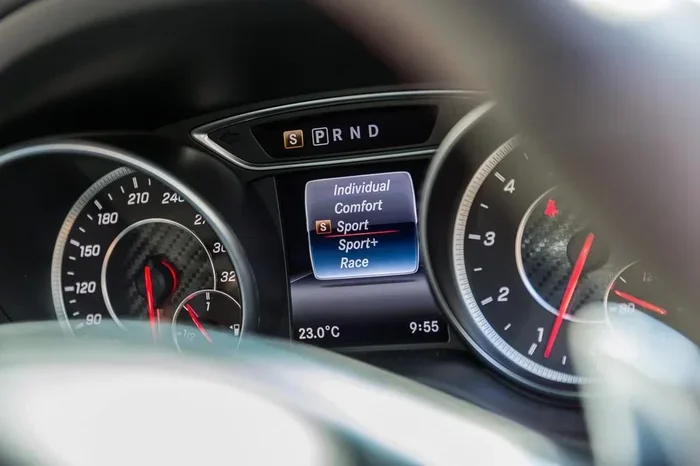
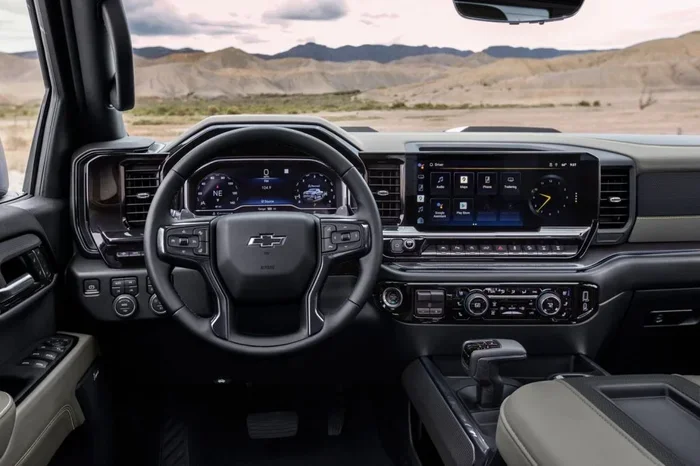
Modern trucks come loaded with technology. Many models have a digital display screen that shows your current drive mode in real time.
You can usually find this screen in the instrument cluster or on the infotainment system. It will clearly display “2WD,” “4H,” or “4L.” Some trucks even show a graphic of your truck with arrows pointing to the powered wheels.
If your truck has this feature, it is the easiest way to check. You do not even need to look at the shifter. Just glance at the screen while driving.
Quick Tip: If your display is not working, do not panic. Use the dashboard light or shifter method instead. A dead screen does not mean your 4WD system is broken.
4. Listen for the Engagement Sound
When you shift into 4WD, you might hear a distinct sound. It is usually a grinding or clicking noise from underneath the truck. This sound means the transfer case is engaging the front axle.
You should feel a slight shift in the truck’s behavior too. The steering might feel slightly heavier. The truck might feel more stable. These are signs that 4WD is active.
However, this method is not foolproof. Some trucks engage 4WD so smoothly that you barely notice. Always use the dashboard or shifter method for confirmation.
5. Check for Physical Signs
Sometimes you can tell by how your truck is driving. When your truck is in 4WD, you may notice a few things:
- The steering feels tighter and more responsive.
- The truck handles better on loose or slippery surfaces.
- Your engine might run at a lower RPM for the same speed.
- You may notice the front wheels are pulling more than usual.
These signs are not as reliable as checking the dashboard or shifter. But they can give you a good clue, especially if your indicator lights are not working.
Understanding 4WD High vs. 4WD Low
Knowing that your truck is in 4WD is only half the battle. You also need to know which 4WD mode you are in. The difference between 4H and 4L matters a lot.
What Is 4WD High (4H)?
4WD high is for driving on slippery surfaces at normal speeds. Use it on wet roads, icy highways, and light gravel trails. It gives you extra traction without slowing you down.
In 4H, your truck can go at regular highway speeds. The drivetrain sends equal power to all four wheels. This mode works great for snowstorms and rainy days.
You can shift into 4H while driving on most trucks. Just slow down to under 60 mph, move the shifter, and you are good to go. Always check your owner’s manual for the exact speed limit.
What Is 4WD Low (4L)?
4WD low is for serious off-road driving and extreme conditions. It provides more torque at low speeds. This mode is perfect for rock crawling, deep mud, and steep hills.
In 4L, your truck moves slowly but with serious power. The wheels turn with much more force. This helps you climb over rocks and push through thick mud.
You must stop the truck completely before shifting into 4L. Shifting into 4L while moving can damage the transfer case. Always come to a full stop, press the brake, and then shift.
| Feature | 4H (High Range) | 4L (Low Range) |
|---|---|---|
| Best For | Slippery roads, light off-road | Extreme off-road, steep hills |
| Speed | Normal highway speeds | Low speeds only (under 25 mph) |
| Power | Balanced power to all wheels | Maximum torque at low speed |
| When to Shift | Under 60 mph | Must be stopped |
| Fuel Use | Moderate increase | Significant increase |
| Common Use | Snow, rain, gravel | Rocks, mud, deep sand |
Common Mistakes When Using 4WD
Even experienced truck owners make mistakes with their 4WD system. Here are some common errors to avoid.
Shifting into 4WD on Dry Pavement
This is the number one mistake. Using 4WD on dry, paved roads causes unnecessary wear. The drivetrain parts are not designed to be locked together on smooth surfaces. Over time, this can lead to expensive repairs.
Always switch back to 2WD when you are on regular roads. Make it a habit to check your mode when road conditions improve.
Forgetting to Disengage 4WD
Some drivers engage 4WD and forget to switch back. This is easy to do, especially if you only use it once in a while. Leaving your truck in 4WD can cause the drivetrain to overheat.
Set a reminder on your phone or put a note on your dashboard until it becomes second nature.
Shifting Too Fast
Shifting into or out of 4WD at high speeds is risky. It can damage the transfer case and cause the truck to lurch unexpectedly.
Always slow down to a safe speed before shifting. On most trucks, that means under 60 mph for 4H and a complete stop for 4L.
Ignoring Warning Lights
If your 4WD warning light comes on, do not ignore it. It could mean your system is not engaging properly. It might also signal a problem with the transfer case or sensors.
Get your truck checked by a mechanic if the light stays on. Early detection can save you from major repairs.
When Should You Use 4WD?
Knowing when to use 4WD is just as important as knowing how to check your mode. Here are the best situations to engage four-wheel drive.
- Snow and Ice: 4WD gives you the extra traction you need to stay on the road.
- Mud and Dirt Roads: Prevent your truck from getting stuck in soft terrain.
- Off-Road Trails: Handle rocks, ruts, and steep inclines with confidence.
- Deep Water Crossing: Extra traction helps when driving through flooded roads.
- Sand Dunes: Keep momentum on loose sand without spinning your wheels.
- Heavy Towing: 4WD can help you pull heavy loads up steep grades.
For everyday driving on clear, dry roads, stick with 2WD. It saves fuel and reduces wear on your drivetrain components.
How to Engage 4WD Safely
If you need to shift into 4WD, follow these steps to do it safely.
- Slow the truck down to under 60 mph for 4H or come to a complete stop for 4L.
- Press the brake pedal firmly.
- Move the transfer case shifter to the desired position.
- Wait for the dashboard indicator light to confirm engagement.
- Check the center console display if your truck has one.
- Start driving gently and let the system lock in.
Following these steps protects your drivetrain and ensures a smooth transition between modes. It only takes a few seconds and can save you hundreds of dollars in repairs.
Troubleshooting Common 4WD Issues
Sometimes your truck’s 4WD system does not work as expected. Here are a few common problems and what they might mean.
4WD Light Flashes but Does Not Engage
This usually means there is an electrical issue. The sensor that detects your drive mode might be faulty. It could also be a problem with the transfer case motor.
Try turning the truck off and back on. If the light keeps flashing, have a mechanic inspect the system.
4WD Does Not Disengage
If your truck stays in 4WD even after you shift back to 2WD, the transfer case might be stuck. This can happen if the system is dirty or if a component is worn out.
Do not keep driving in this state. Take your truck to a repair shop as soon as possible.
Grinding Noise When Shifting
A grinding noise usually means you are trying to shift too fast or at the wrong speed. Always follow the proper shifting procedure. If the noise continues, the drivetrain may need inspection.
Expert Tips for 4WD Owners
Here are some tips from experienced truck owners and mechanics to help you get the most out of your four-wheel drive system.
- Check your owner’s manual: Every truck model is different. The manual has the exact steps for your specific vehicle.
- Test your 4WD regularly: Do not wait for the first snowstorm to try your 4WD. Test it a few times a year in safe conditions.
- Keep the transfer case maintained: Change the transfer case fluid on schedule. This keeps the system running smoothly.
- Use 4WD only when needed: This saves fuel and reduces wear on your drivetrain parts.
- Know your limits: 4WD does not make your truck invincible. Drive carefully, especially on steep or slippery terrain.
Key Takeaways
- Dashboard Lights: The 4WD indicator on your dash is the fastest way to see if your truck is in 4WD.
- Transfer Case Shifter: Checking the shifter position gives you a physical confirmation of your drive mode.
- Center Console Display: Many modern trucks show the current drive mode on a digital screen.
- 4WD High vs. Low: Understanding the difference between 4H and 4L helps you use the right mode for the right situation.
- Common Mistakes: Shifting into 4WD at the wrong speed can damage your drivetrain.
- Part-Time vs. Full-Time 4WD: Different systems work differently, and knowing yours prevents confusion.
- When to Use 4WD: Use 4WD on slippery roads, off-road trails, and deep snow for better traction.
Frequently Asked Questions
Can I shift into 4WD while driving?
Yes, you can shift into 4H while driving on most trucks, but only at speeds under 60 mph. Shifting into 4L requires you to come to a complete stop first. Always check your owner’s manual for the exact procedure for your truck model.
What does the 4WD warning light look like?
The 4WD indicator light varies by truck brand. It often looks like a truck with all four wheels highlighted or simply the letters “4WD,” “4H,” or “4L.” If the light is on, your truck is engaged in four-wheel drive mode.
Is it bad to drive in 4WD on the highway?
Driving in 4H on the highway is fine on slippery roads. However, driving in 4H or 4L on dry pavement for long periods can damage your drivetrain. Switch back to 2WD when road conditions are normal.
How often should I maintain my 4WD system?
You should change your transfer case fluid every 30,000 to 60,000 miles, depending on your truck model. Regular maintenance keeps your 4WD system working smoothly and prevents expensive repairs down the road.
What is the difference between 4WD and AWD?
4WD (four-wheel drive) is typically part-time and driver-controlled. You choose when to engage it. AWD (all-wheel drive) is usually full-time and automatic. The system sends power to all wheels at all times without any input from you.
Can a truck be in 4WD and 2WD at the same time?
No, your truck can only be in one drive mode at a time. It is either in 2WD, 4H, 4L, or neutral. The dashboard light or display will always show your current active mode.
Conclusion
Knowing how to tell if your truck is in 4WD mode is a simple but essential skill. Whether you check the dashboard light, the transfer case shifter, or the center console display, each method gives you a clear answer. Understanding the difference between 4WD high and 4WD low makes you a smarter, safer driver.
Avoid the common mistakes that truck owners make. Shift at the right speeds. Disengage 4WD when you are back on dry pavement. Keep up with your maintenance schedule. These small habits add up to a longer-lasting drivetrain and a better driving experience.
Next time you get behind the wheel, take a quick moment to check your drive mode. It takes just a few seconds and could save you from a world of trouble. Stay safe, stay prepared, and enjoy the confidence that comes with knowing exactly how your truck is set up for the road ahead.