Can I Put 88 Octane Gas in My Car What You Need to Know
Can I put 88 octane gas in my car? The answer depends on your vehicle, its engine type, and what the manufacturer recommends. Using 88 octane gas in a car that requires higher octane fuel can cause engine knock and reduce fuel efficiency. However, if your vehicle is designed for regular or mid-grade fuel, 88 octane gas can be a safe and cost-effective choice. Always check your owner’s manual or the fuel door sticker before making the switch.
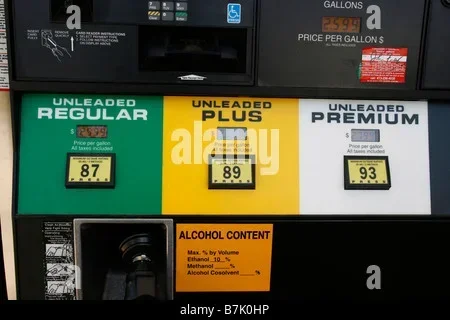
So you pulled up to the pump and saw 88 octane gas on the list of options. Maybe you have never seen that number before, or maybe you have been wondering if it is worth trying. Either way, you are not alone. Plenty of drivers pause at the fuel island and stare at those numbers, trying to figure out which grade is right for their car.
The truth is, choosing the right fuel is more important than most people realize. The wrong gasoline grade can lead to poor engine performance, reduced gas mileage, and even serious engine problems over time. On the other hand, using the right fuel can keep your car running smoothly and save you money at the pump.
In this guide, we will answer the question can I put 88 octane gas in my car once and for all. We will break down what octane ratings mean, how they affect your engine, and which vehicles benefit from this fuel grade. By the end, you will have all the information you need to make a smart fuel choice every single time you visit the gas station.
Key Takeaways
- Check your manual first: Your vehicle manufacturer specifies the exact fuel requirements for your engine. Always follow those guidelines.
- 88 octane gas is not premium fuel: It sits between regular (87) and premium (91-93) on the octane rating scale.
- Using the wrong fuel can harm your engine: Putting low-octane fuel in a high-compression engine can cause engine knock and long-term damage.
- 88 octane gas may save you money: It often costs less than premium fuel while still offering good fuel efficiency for compatible vehicles.
- Not all cars can use 88 octane: Turbocharged and high-performance engines usually need higher octane levels to run safely.
- Mixing fuel grades is generally safe: If you accidentally use the wrong grade, it is unlikely to cause immediate damage, but repeated use can be harmful.
- When in doubt, ask a professional: Your local mechanic or dealership can confirm the best recommended fuel type for your specific car model.
📑 Table of Contents
- What Is 88 Octane Gas and Why Should You Care?
- What Your Vehicle Manual Tells You About Fuel
- What Happens When You Put 88 Octane Gas in Your Car
- 88 Octane Gas vs Regular and Premium: A Side-by-Side Comparison
- Which Cars Can Safely Use 88 Octane Gas?
- Expert Tips for Choosing the Right Fuel for Your Car
- Conclusion
What Is 88 Octane Gas and Why Should You Care?
Before we dive into whether 88 octane gas is right for your car, let us talk about what it actually is. Understanding octane ratings is the first step toward making better fuel decisions.
Understanding Octane Ratings
An octane rating measures how well a fuel resists “knocking” or “pinging” inside the engine. Knocking happens when the fuel burns unevenly in the combustion chamber. This uneven burn can damage your engine over time. Higher octane fuels resist knocking better than lower octane fuels.
Think of it this way. Imagine fuel burning in your engine like a controlled fire. If that fire burns too fast or at the wrong time, it creates a knocking sound. Higher octane fuel burns more slowly and evenly, which keeps things running smoothly.
The octane rating you see at the pump is actually a measure of two different testing methods. These are called the Research Octane Number (RON) and the Anti-Knock Index (AKI). Most gas stations in the United States display the AKI, which is the average of RON and another test called the Motor Octane Number.
The Three Main Gasoline Grades
Most gas stations offer three main grades of fuel. Here is a quick breakdown:
- Regular Unleaded (87 octane): This is the most common fuel grade. It works well for most standard, everyday vehicles. If your car does not require premium fuel, regular unleaded is usually the right choice.
- Mid-Grade Fuel (88-89 octane): This is where 88 octane gas falls. It offers a balance between cost and performance. Some vehicles, especially those with turbocharged engines, may benefit from this grade.
- Premium Gasoline (91-93 octane): This is the highest octane level available at most pumps. It is designed for high-performance engines and vehicles with high compression ratios.
Not all states label these grades the same way. Some states use 89 octane as mid-grade, while others use 88. The numbering can vary, but the concept stays the same. Each grade offers a different level of anti-knock protection.
What Your Vehicle Manual Tells You About Fuel
Your car’s owner’s manual is the single best resource for figuring out which fuel to use. It tells you exactly what your vehicle manufacturer recommends. Ignoring this guidance can lead to problems down the road.
How to Find Your Fuel Requirements
Finding your fuel requirements is easier than you might think. Start by checking the owner’s manual. Look for a section called “Fuel” or “Refueling.” It will usually list the recommended fuel type and the minimum octane rating your engine needs.
You can also check the fuel door on your car. Many vehicles have a sticker on the inside of the fuel door that lists the recommended octane level. Some cars even have a small symbol near the fuel gauge that shows whether you need regular or premium fuel.
If you can not find either of these, a quick search online for your car model and year will usually bring up the fuel requirements. You can also call your dealership and ask. They will know exactly what your car needs.
Why Manufacturers Specify Certain Octane Levels
Car manufacturers design engines with specific compression ratios in mind. The compression ratio is the ratio of the volume of the combustion chamber when the piston is at the bottom versus when it is at the top. Higher compression ratios need higher octane fuel to prevent knocking.
For example, a sports car with a high-compression engine will almost always need premium fuel. A basic family sedan with a lower compression ratio can usually run just fine on regular or mid-grade fuel.
The vehicle manufacturer also considers factors like spark plug timing, fuel injectors design, and overall engine tuning. All of these elements work together to determine which fuel grade will give you the best engine performance and fuel economy.
What Happens When You Put 88 Octane Gas in Your Car
Now let us get to the heart of the question. What actually happens when you fill up with 88 octane gas? The answer depends entirely on what your car needs.
Effects on Engines That Need Higher Octane
If your car requires premium fuel (91 or 93 octane) and you put 88 octane gas in instead, you may notice some problems. The most common issue is engine knock. This is a ticking or pinging sound that comes from the engine. It happens because the lower octane fuel is burning too fast in the combustion chamber.
Over time, continued use of too-low octane fuel can cause real damage. It can wear out spark plugs faster, reduce engine performance, and even damage the fuel injectors. Your gas mileage will likely drop as well, which means you will be visiting the gas station more often.
Some modern cars have knock sensors that can detect engine knock and adjust the timing to compensate. However, this is not a fix. It just reduces the damage. The engine is still not running the way it was designed to run.
Effects on Engines That Can Use 88 Octane
On the other hand, if your car is designed to run on regular or mid-grade fuel, 88 octane gas can work just fine. In fact, for some vehicles, it may even offer a slight improvement in fuel efficiency and engine performance compared to regular 87 octane fuel.
Many drivers find that 88 octane gas gives them a smoother ride and better acceleration. This is especially true for vehicles with turbocharged engines that fall somewhere between regular and premium fuel requirements.
The key takeaway here is simple. If your car can use 88 octane gas, go for it. If it cannot, stick with the recommended grade. Your engine will thank you.
88 Octane Gas vs Regular and Premium: A Side-by-Side Comparison
It can be helpful to see how 88 octane gas stacks up against the other fuel grades. Here is a quick comparison:
| Feature | Regular (87 Octane) | Mid-Grade (88 Octane) | Premium (91-93 Octane) |
|---|---|---|---|
| Best For | Standard, everyday engines | Some turbocharged and modern engines | High-performance and high-compression engines |
| Price | Lowest cost | Slightly higher than regular | Highest cost |
| Anti-Knock Quality | Good for standard engines | Better resistance to knocking | Best resistance to knocking |
| Fuel Efficiency | Good for compatible engines | Often slightly better than regular | Best for high-performance engines |
| Availability | Available at every station | Available at most stations | Available at most stations |
| Engine Wear Risk | Low for compatible vehicles | Low for compatible vehicles | Low for compatible vehicles |
As you can see, 88 octane gas fills a middle ground. It is not the cheapest option, but it is not the most expensive either. For the right vehicle, it offers a nice balance of cost and performance.
Which Cars Can Safely Use 88 Octane Gas?
Not every car is built the same way. Some vehicles thrive on 88 octane gas, while others need a higher grade. Let us look at which types of cars fall into each category.
Vehicles That Thrive on Lower Octane
Most standard sedans, compact cars, and light trucks are designed to run on regular unleaded fuel (87 octane). These vehicles have lower compression ratios and do not need the extra anti-knock protection that higher octane fuels provide.
For these cars, 88 octane gas is generally safe to use. It will not cause any harm, and it may even offer a small boost in fuel economy. However, you probably will not notice a huge difference compared to regular unleaded. The cost savings at the pump may also be minimal since mid-grade fuel usually costs a bit more than regular.
Examples of vehicles that typically run well on regular or mid-grade fuel include:
- Toyota Camry (non-turbo models)
- Honda Civic
- Ford Focus
- Chevrolet Malibu (base models)
- Nissan Sentra
- Most hybrid vehicles
Turbocharged and High-Performance Engines
Turbocharged engines and high-performance vehicles are a different story. These engines compress air and fuel at much higher pressures. That means they are more prone to engine knock and need fuel with higher octane levels to burn properly.
Some turbocharged vehicles are designed to run on 88 octane gas or higher. Check your owner’s manual to be sure. If the manual says you need 91 octane or higher, do not downgrade to 88. The potential savings are not worth the risk of engine damage.
Examples of vehicles that usually need premium or high octane fuel include:
- BMW M Series
- Mercedes-AMG models
- Audi TT RS
- Ford Mustang GT (turbo models)
- Chevrolet Corvette
- Porsche models
If you own one of these vehicles, stick with the recommended fuel type. Using 88 octane gas in a car that needs premium can void your warranty and cause costly repairs.
Expert Tips for Choosing the Right Fuel for Your Car
Choosing the right fuel does not have to be confusing. Here are some practical tips to help you make the best decision every time you fill up.
Quick Tips for Better Fuel Decisions
- Read your owner’s manual. This is the number one rule. It tells you exactly what your car needs.
- Check the fuel door sticker. Many cars have a label on the inside of the fuel door that lists the recommended octane level.
- Do not mix fuel grades randomly. While mixing 87 and 88 octane once in a while is unlikely to cause harm, making a habit of it can lead to problems.
- Consider your driving conditions. If you frequently drive in hot weather or tow heavy loads, your engine may benefit from a slightly higher octane rating.
- Watch for warning signs. If you hear a knocking sound from your engine, check your fuel grade first. It could be a simple fix.
- Keep a log. Track your fuel economy and note which grade you are using. Over time, you may notice patterns that help you optimize your fuel choice.
Common Mistakes Drivers Make
Even experienced drivers sometimes make fuel mistakes. Here are a few to avoid:
- Assuming premium is always better: Premium fuel does not make your engine “cleaner” or “stronger” if your car does not need it. Using premium in a car designed for regular fuel is just wasted money.
- Ignoring the check engine light: If your check engine light comes on after filling up, it could be a fuel-related issue. Do not ignore it.
- Choosing fuel based on brand alone: All gas stations sell fuel that meets government standards. Top-tier brands may offer better fuel additives, but the octane rating is what matters most for your engine.
- Following someone else’s advice blindly: Your neighbor’s car may run great on 88 octane gas, but that does not mean your car will too. Every vehicle is different.
- Waiting too long to refuel: Running your tank very low can cause the fuel pump to overheat and wear out faster. Keep your tank at least a quarter full.
Conclusion
So, can you put 88 octane gas in your car? The answer is yes, but only if your vehicle is compatible with it. The right fuel depends on your engine type, your compression ratio, and what your vehicle manufacturer recommends.
Using 88 octane gas in a car that needs it can improve fuel efficiency and engine performance. But using it in a car that requires a different grade can cause engine knock and long-term damage.
The best thing you can do is check your owner’s manual, look at the fuel door sticker, and follow the manufacturer’s guidelines. When you do, you will keep your engine healthy, your gas mileage strong, and your wallet happy.
Next time you pull up to the pump and see 88 octane gas on the options, you will know exactly whether it is the right choice for your car. Trust your manual, trust your car, and never guess when it comes to fuel.
Frequently Asked Questions
What is the difference between 87 and 88 octane gas?
The main difference is one point on the octane rating scale. 88 octane gas has slightly better anti-knock protection than regular 87 octane fuel. For most standard cars, this difference is not noticeable. But for certain turbocharged or high-performance engines, that extra point can make a meaningful difference in engine performance and smoothness.
Can I mix 87 and 88 octane gas together?
Yes, mixing 87 and 88 octane gas is generally safe and will not harm your engine. The resulting mixture will have an octane level somewhere between the two. However, it is not a long-term solution if your car requires a specific recommended fuel type. Always aim to use the fuel grade your vehicle manufacturer recommends for the best results.
Will 88 octane gas improve my car’s performance?
It depends on your car. If your vehicle is designed to run on 88 octane gas or higher, you may notice a slight improvement in engine performance and fuel efficiency. But if your car only needs regular 87 octane fuel, switching to 88 will not give you any noticeable benefit. You will just spend more money.
Is 88 octane gas the same as premium gas?
No, 88 octane gas is not the same as premium gas. Premium fuel typically has an octane rating of 91 or 93. 88 octane gas falls into the mid-grade category. It offers more anti-knock protection than regular fuel but less than premium. Always use the grade your car manual recommends.
What should I do if I accidentally put the wrong fuel in my car?
If you accidentally put 88 octane gas in a car that needs premium, do not panic. One tank of lower octane fuel is unlikely to cause immediate damage. However, you should avoid driving aggressively and try to fill up with the correct grade at your next stop. If you put regular 87 fuel in a car that needs premium and notice engine knock or performance issues, contact a mechanic right away.
Does 88 octane gas last longer than regular gas?
88 octane gas does not inherently “last longer” in terms of shelf life. All gasoline degrades over time, typically within three to six months. However, if your car is compatible with 88 octane gas, you may get slightly better fuel economy, which means you can go farther on each tank. This can make your fill-ups feel like they last longer.