Can I Mix 87 and 89 Gas Without Damaging My Engine
Yes, you can mix 87 and 89 gas safely in most vehicles. Combining these two octane levels simply creates a mid-grade fuel blend that falls between the two. However, always check your car’s owner manual to confirm the recommended octane level for best performance and fuel efficiency.
You pull up to the gas station and realize you are low on fuel. The regular unleaded pump is 87 octane, and the next one up is 89. You only have a few dollars left in your tank, and you start to wonder, can I mix 87 and 89 gas?
This is a question that a lot of drivers face, especially when the fuel gauge is hovering near empty. The good news is that mixing these two octane levels is generally safe. But there are some things you should know before you top off your tank. Let us break it all down in simple terms.
Understanding octane ratings and what they mean for your engine can save you money and prevent unnecessary worry. Whether you drive a daily commuter or a newer model with a turbocharged engine, this guide covers everything you need to know about mixing 87 and 89 gasoline.
Key Takeaways
- Mixing is safe: Combining 87 and 89 gas creates an 88 octane blend that works fine in most vehicles.
- Check your manual: Your car’s recommended octane level depends on the engine design and compression ratio.
- No permanent damage: Occasional mixing will not hurt your engine or fuel system.
- Engine knock is the real concern: Using too-low octane fuel can cause knocking, which may lead to long-term issues.
- Fuel economy may vary: The blended octane might slightly affect mileage, but the difference is usually minimal.
- Premium is not always better: Unless your car requires it, higher octane fuel offers no real benefit.
📑 Table of Contents
- What Does Octane Rating Actually Mean?
- Can You Mix 87 and 89 Gasoline?
- When Should You Avoid Mixing Octane Levels?
- Does Mixing Gas Affect Fuel Economy?
- Common Myths About Mixing Gasoline Octane Levels
- What to Do If You Accidentally Put the Wrong Fuel
- Quick Tips for Mixing Gas Safely
- Expert Insights on Gasoline Octane and Engine Health
- Key Takeaways
- Conclusion
What Does Octane Rating Actually Mean?
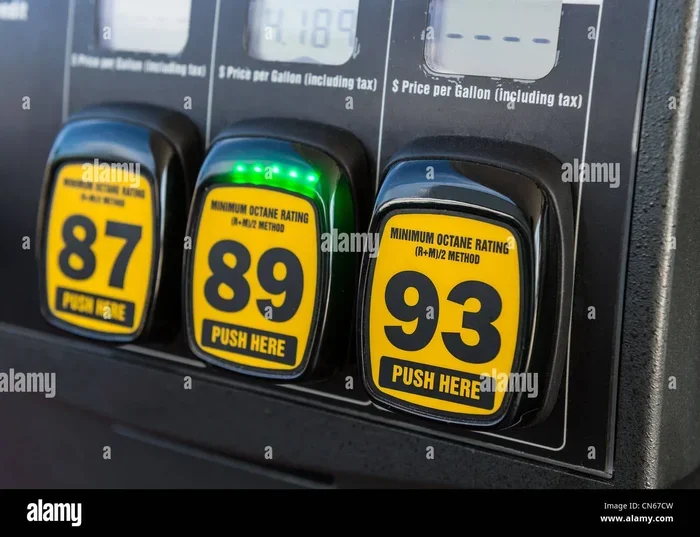
Before we answer whether you can mix these fuels, let us quickly talk about what octane means. The number on the pump, like 87 or 89, tells you the fuel’s resistance to knocking or pinging inside the engine. This is also called the anti-knock index.
Here is a simple way to think about it. Lower octane fuel burns faster and is more prone to premature ignition. Higher octane fuel burns slower and more evenly. The compression ratio of your engine determines which octane level works best.
Most regular cars on the road today are designed to run on 87 octane, also known as regular unleaded. Performance vehicles or those with turbocharged engines might need 89 or even 91 octane, which is often called premium gasoline.
Why Do Engines Need Different Octane Levels?
Every engine has a specific compression ratio. This is the ratio of the volume of the cylinder when the piston is at the bottom versus when it is at the top. A higher compression ratio means the fuel gets squeezed more before it ignites.
When fuel gets squeezed too much, it can ignite on its own before the spark plug fires. This is called engine knock or detonation. Engine knock sounds like a rattling or pinging noise and can cause serious damage over time if it keeps happening.
Higher octane fuel resists this premature ignition. That is why high-performance engines need it. They have higher compression ratios and require fuel that can handle more pressure before igniting.
Can You Mix 87 and 89 Gasoline?
Now for the big question. Can I mix 87 and 89 gas and expect my car to run fine? The short answer is yes. Mixing these two octane levels is perfectly safe for most vehicles.
When you combine 87 and 89, you get an octane blend that sits somewhere in the middle, around 88. This is essentially the same as what you would get from the mid-grade pump at most stations. So if you accidentally mix them or deliberately choose to do so, your engine will not suffer any harm.
Your car’s fuel system is designed to adjust to different octane levels within a reasonable range. The engine control unit, or ECU, can detect minor changes in fuel quality and make small adjustments to timing and fuel delivery. This is called knock sensing, and it helps protect your engine from damage.
What Happens When You Mix the Two Fuels?
When you pour 87 and 89 gas into the same tank, they blend together almost instantly. Gasoline is a liquid, so it mixes very easily. You do not need to worry about the fuels separating or causing any issues in the tank.
The blended fuel will have an octane level that is the average of the two. In most cases, this means your tank now holds fuel with an octane rating of about 88. For the vast majority of cars, this is perfectly fine.
Some drivers worry that mixing octane levels will cause poor engine performance or reduced fuel economy. While there can be a very slight impact, it is usually negligible. You are unlikely to notice any difference in how your car drives or how far it goes on a tank.
When Should You Avoid Mixing Octane Levels?
While mixing 87 and 89 is safe for most cars, there are situations where you should be more careful. Understanding these scenarios can help you make better decisions at the pump.
Vehicles That Require Premium Fuel
Some cars, especially luxury vehicles and high-performance models, are built to run on premium fuel only. These vehicles typically have a compression ratio that demands higher octane fuel to operate efficiently.
If your car’s manual says to use premium gasoline, mixing 87 and 89 will lower the overall octane below what your engine needs. This can lead to engine knock, reduced power, and in rare cases, actual engine damage over time.
Always check your owner’s manual or look for the fuel recommendation on the inside of the fuel door. If it says premium only, stick with that recommendation.
Turbocharged and Supercharged Engines
Turbocharged engines compress air before pushing it into the cylinder. This creates more power but also more heat and pressure. These engines are more sensitive to fuel octane levels than naturally aspirated engines.
If you have a turbocharged car, mixing lower octane fuels might not cause immediate problems. But over time, consistently using fuel below the recommended level can lead to wear and reduced engine longevity. The knock sensor will try to compensate, but it cannot fully make up for chronically low octane fuel.
Does Mixing Gas Affect Fuel Economy?
Many drivers wonder if blending octane levels will hurt their gas mileage. The honest answer is that it depends on your vehicle and driving habits.
In most cases, the difference is so small that you will not notice it. A blended octane of 88 will give you almost the same fuel economy as pure 89 fuel. The variation is usually less than one or two percent.
However, if your engine has to work harder because of engine knock or improper combustion, you might see a slight drop in fuel economy. This is more likely if your car actually requires premium fuel and you are mixing in too much 87.
Tips to Maximize Fuel Economy
- Stick to your car’s recommended octane: This is the single best way to maintain good fuel economy.
- Avoid letting the tank run too low: Running on fumes can cause the fuel pump to overheat and wear out faster.
- Drive smoothly: Aggressive acceleration and hard braking waste fuel regardless of octane level.
- Keep tires properly inflated: Underinflated tires reduce fuel efficiency by a noticeable margin.
- Use top tier gasoline: These brands contain better detergents that keep your fuel system clean.
Common Myths About Mixing Gasoline Octane Levels
There are a lot of misconceptions out there about mixing different octane fuels. Let us clear up some of the most common ones.
Myth 1: Mixing Octane Levels Ruins Your Engine
This is probably the most widespread myth. The truth is that mixing 87 and 89 gas will not ruin your engine. Your car’s engine management system is smart enough to handle small variations in fuel octane. It adjusts timing and fuel delivery to match what is in the tank.
Myth 2: Premium Gas Lasts Longer
Some people believe that premium gasoline burns slower and therefore lasts longer in the tank. In reality, all gasoline has a similar shelf life. The octane level does not affect how long the fuel stays fresh. What matters more is how quickly you use the fuel and how well the fuel tank is sealed.
Myth 3: Mixing Gas from Different Stations Causes Problems
You might have heard that mixing gas from different brands can damage your car. This is not true. All gasoline sold in the United States must meet federal standards for quality and additives. Whether you fill up at a top tier brand or a budget station, your engine will be just fine.
Myth 4: Higher Octane Gas Gives More Power
Higher octane fuel does not give your engine more power unless your car specifically requires it. If your car is designed for 87 octane, putting in 89 or 91 will not make it faster or stronger. You are just wasting money at the pump.
What to Do If You Accidentally Put the Wrong Fuel
Mistakes happen. Maybe you grabbed the wrong pump or someone else filled up your car without checking. Here is what to do in different scenarios.
If You Mixed 87 and 89 in a Car That Takes Regular
If your car is designed for 87 octane and you accidentally mixed in some 89, do not panic. The higher octane fuel will not harm your engine. It might cost you a little extra per gallon, but your car will run just fine. You can simply continue driving as normal and use up the fuel.
If You Put Regular in a Car That Requires Premium
This is a more concerning situation. If your car needs premium fuel and you accidentally filled up with 87 octane, you might notice engine knock or a rough idle. This is your car telling you that the fuel is not ideal for the engine.
In this case, try to use up the fuel as quickly as possible. Avoid heavy acceleration and hard driving until the tank is low. Then refill with the correct premium fuel. One or two tanks of regular fuel in a premium car will not cause permanent damage, but you should avoid making it a habit.
Quick Tips for Mixing Gas Safely
- Know your octane requirement: Check your owner’s manual or the fuel door sticker before your next fill-up.
- Do not stress over small mix-ups: Occasional blending of 87 and 89 will not harm your engine.
- Top off with the recommended octane: If you mixed fuels, try to add the correct octane on your next visit to the station.
- Watch for engine knock: If you hear a pinging or rattling sound, it is a sign your fuel octane is too low for your engine.
- Use the same fuel brand when possible: Consistent fuel quality helps maintain a clean fuel system.
- Keep your tank at least a quarter full: This protects the fuel pump and ensures a steady fuel supply to the engine.
Expert Insights on Gasoline Octane and Engine Health
Automotive experts generally agree that mixing 87 and 89 gasoline is not a problem for most vehicles. According to mechanics and fuel specialists, the octane blending that happens in your tank is no different from what happens at the refinery when they create mid-grade fuel.
Engine designers build modern cars with a lot of flexibility. The engine control module can adjust ignition timing by several degrees to compensate for variations in fuel quality. This means your car can handle a range of octane levels without any noticeable impact on performance.
However, experts do caution against consistently using fuel below your car’s recommended level. Over time, chronic use of low octane fuel in a high-compression engine can lead to increased wear on pistons, valves, and spark plugs. It is always better to follow the manufacturer’s recommendation when possible.
The Role of Ethanol in Modern Gasoline
It is also worth mentioning that most gasoline sold today contains ethanol, usually E10 (10% ethanol). Ethanol has a higher octane rating than pure gasoline, which is why it is blended in. When you mix 87 and 89 gas, you are also blending their ethanol content, though the difference is minimal.
Ethanol-free gasoline is available at some stations and is often preferred for small engines like lawnmowers and boats. For regular cars, E10 fuel works perfectly fine regardless of the octane level you choose.
Key Takeaways
- Mixing 87 and 89 gas is safe: It creates an 88 octane blend that works well in most standard vehicles.
- Check your owner’s manual: Always confirm your car’s recommended octane level before making fuel choices.
- Engine knock is the warning sign: If you hear pinging, your octane level may be too low for your engine.
- Premium is not always better: Only use premium if your car specifically requires it.
- Fuel economy is rarely affected: The difference in mileage from blending octane levels is negligible in most cases.
- One-time mix-ups are harmless: Your car’s engine management system can handle temporary variations in fuel octane.
Conclusion
So, can I mix 87 and 89 gas? Yes, absolutely. For most drivers, combining these two octane levels is perfectly safe and will not cause any damage to your engine. The blended fuel simply becomes a mid-grade option that your car can handle with ease.
The key is knowing what your specific vehicle needs. Always refer to your owner’s manual and follow the manufacturer’s fuel recommendation. If your car runs on 87 octane, mixing in some 89 will not hurt a thing. If it needs premium, stick with premium to keep your engine running smoothly.
Next time you find yourself at the pump with limited options, do not stress. A little fuel blending is a normal part of driving, and your car is built to handle it. Just stay informed, drive smart, and your fuel system will keep humming along for years to come.
Frequently Asked Questions
Will mixing 87 and 89 gas damage my engine?
No, mixing 87 and 89 gas will not damage your engine. The resulting blend of approximately 88 octane is safe for most vehicles that use regular unleaded fuel. Your car’s engine control system can easily adjust to this octane level.
What happens if I mix 87 and 89 gas in a car that requires premium?
If your car requires premium fuel, mixing 87 and 89 will lower the overall octane below the recommended level. This may cause mild engine knock or reduced performance. It is best to use the correct octane level as specified by your manufacturer.
Can I mix different octane fuels regularly?
Occasional mixing is fine, but regularly blending octane levels is not recommended if your car has a specific fuel requirement. Stick to the recommended octane for consistent performance and long-term engine health.
Does mixing 87 and 89 gas affect gas mileage?
The effect on gas mileage is minimal. You might see a very slight change, but most drivers will not notice any difference in fuel economy when mixing these two octane levels.
Is mid-grade gas just a mix of 87 and 89?
Yes, mid-grade gas is typically a blend of regular and premium fuel. Most stations offer 87, 89, and 91 octane levels, and the mid-grade 89 is essentially a combination of the lower and higher octane fuels.
Should I worry about mixing gas from different stations?
No, you should not worry. All gasoline sold at regulated stations meets federal quality standards. Whether you mix fuel from different stations or different octane levels, your car will handle it without any issues.