How Can I Remove a Stuck Key From Your Car Ignition
Dealing with a stuck key in your car ignition is frustrating but fixable. Whether your key won’t budge or broke off inside the lock, this guide walks you through every solution. You will learn simple tricks, safe tools, and expert tips to get your key out without damage. Removing a stuck ignition key is easier than most people think when you know the right steps.
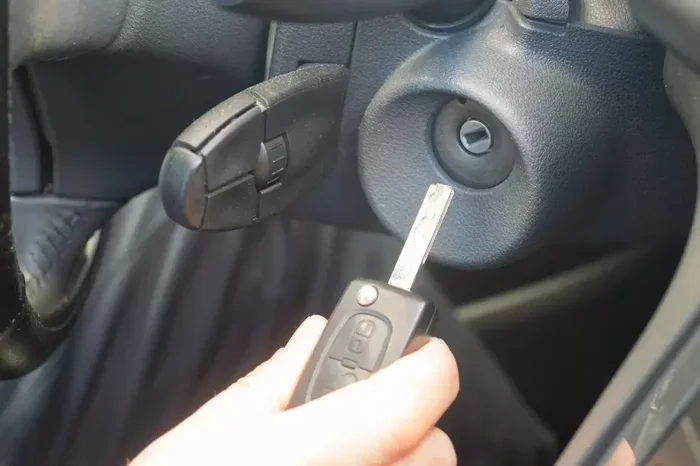
Have you ever turned your car off, reached for the key, and felt it just… not budge? That moment of panic hits hard. You push, you pull, you wiggle, but the key stays put. A stuck key in ignition can happen to anyone, and it happens more often than you might think. The good news is that most of the time, you can fix this yourself at home without calling a mechanic.
This guide will show you exactly how can I remove a stuck key from your car ignition. We will cover every possible cause, every safe method, and every tool you might need. Whether your key is slightly stuck or completely broken off inside the lock, you will find the answer here. Let us get that key out and get you back on the road.
Key Takeaways
- Check the steering wheel lock: This is the most common reason keys get stuck and is usually the easiest fix.
- Use a lubricant spray: Graphite or WD-40 can loosen a stubborn ignition lock cylinder quickly.
- Try the jiggle method: Gently wiggling the key while turning the ignition often releases it.
- Never force the key out: Forcing it can break the key inside, making the problem much worse.
- Know when to call a pro: A broken key or damaged ignition lock cylinder needs professional attention.
- Prevent future issues: Regular maintenance and proper key care keep your ignition working smoothly.
📑 Table of Contents
- Why Does a Key Get Stuck in the Ignition?
- How to Remove a Stuck Key From the Ignition
- What to Do If the Key Breaks Off Inside the Ignition
- Prevention Tips to Avoid a Stuck Key
- Comparison Table: DIY Methods vs Professional Help
- Common Mistakes to Avoid
- Quick Tips for Immediate Relief
- Expert Insights on Ignition Key Removal
- When Should You Call a Professional?
- Conclusion
Why Does a Key Get Stuck in the Ignition?
Understanding why your key is stuck is the first step to fixing it. Different causes need different solutions. Let us look at the most common reasons your car key stuck in the ignition happens.
The Steering Wheel Lock
This is the number one reason keys get stuck. When you turn off your car and turn the steering wheel slightly, the steering column locks up. This lock engages the ignition lock cylinder, trapping your key inside. It is a security feature, but it sure does not feel helpful when you are standing in the parking lot.
You might notice that the steering wheel is hard to move. That means the lock is engaged. Once you release the steering wheel, the key usually comes out easily. This simple fix solves the problem more often than people realize.
Worn or Damaged Key
Over time, keys wear down. The ridges on your key become smoother, and the key no longer aligns properly inside the ignition lock cylinder. A worn key can jam or refuse to turn. If you have had the same key for years, it might be time for a replacement. Ignition key removal is much easier when the key is not damaged or bent.
Frozen or Dirty Lock Cylinder
Cold weather can freeze the internal parts of your ignition lock. Dirt, dust, and debris also build up over time. This gunk can block the key from moving freely. If you live in a cold climate or your car is older, this could be your culprit. A simple cleaning and lubrication often solves this problem.
Faulty Ignition Switch
The ignition switch is the mechanical part inside the lock cylinder that the key interacts with. When these internal springs or pins wear out, they can stick. A faulty ignition switch might also cause your car to stall or fail to start. This is a more serious issue that may need professional car ignition repair.
How to Remove a Stuck Key From the Ignition
Now let us get to the part you really want to know about. Here are the safest and most effective methods to remove a stuck car key. Try them in order, starting with the simplest.
Method 1: Release the Steering Wheel Lock
This should always be your first step. Follow these simple instructions:
- Do not pull the key yet. First, gently wiggle the steering wheel left and right.
- You will feel a point where the wheel moves freely. That means the lock is released.
- While holding the wheel loose, gently pull the key out.
This works about 80 percent of the time. It is fast, free, and requires zero tools. Many people skip this step and struggle unnecessarily.
Method 2: Jiggle the Key While Turning
If the steering wheel lock is not the issue, try the jiggle method:
- Insert the key fully into the ignition.
- Gently jiggle the key up and down and side to side.
- While jiggling, try turning the key to the ACC or ON position.
- Once the key turns, pull it out gently.
Be gentle. You are not trying to force anything. The idea is to shift the internal pins just enough to release the key. Jiggle key techniques work well for slightly stuck keys.
Method 3: Lubricate the Ignition Lock
If the key still will not move, lubrication is your next best friend. Here is how to do it right:
- Buy a graphite lubricant spray or a dry PTFE spray from any auto parts store.
- Spray a small amount directly into the ignition lock cylinder.
- Insert and remove the key several times to spread the lubricant.
- Try removing the key again after a few cycles.
Avoid using WD-40 for long-term solutions. While it works temporarily, WD-40 can attract dust and gum up the lock over time. Graphite lubricant is the best choice for ignition locks. It stays dry and does not create buildup.
Method 4: Tap the Key Gently
This method uses light tapping to dislodge stuck internal pins:
- Keep the key inserted in the ignition.
- Use your finger or a soft object like a rubber mallet handle.
- Gently tap the top of the key while wiggling it.
- The vibrations can help free stuck pins inside the cylinder.
Do not hit hard. You want gentle taps, not hammer strikes. This technique works especially well when the lock is slightly corroded or dirty.
Method 5: Use a Key Extraction Tool
If the key is broken off inside the ignition, you will need a different approach. Key extraction tools are small hooks or tweezers designed to grab broken key pieces:
- Look for a broken key extraction kit at your local hardware store.
- Insert the tool into the lock cylinder alongside the broken key piece.
- Gently hook onto the broken key and pull it out slowly.
Be patient with this method. If you push the broken piece deeper inside, you will make things worse. If the broken key is deep inside the cylinder, it is better to move on to the next option.
What to Do If the Key Breaks Off Inside the Ignition
A broken key inside the ignition lock cylinder is stressful, but it is a very common problem. The good news is that you have several options to fix it.
Try to Extract the Broken Piece Yourself
If enough of the key is sticking out, you can try to pull it out with needle-nose pliers. Grip the broken piece firmly but gently. Pull straight out without twisting. If the broken piece is flush with the lock face, skip this and try the next method.
Use Super Glue (Yes, Really)
This sounds strange, but it works. Put a tiny drop of super glue on a flat tool like a toothpick or paperclip. Touch it to the broken key piece inside the lock. Wait about 30 seconds for the glue to set. Then pull the tool and key piece out together. This only works if enough of the key is accessible to grab.
Call an Automotive Locksmith
If the broken key is stuck deep inside or your DIY attempts fail, call a professional. An automotive locksmith has specialized tools like key extraction hooks and lock picks. They can remove the broken piece without damaging your ignition. Most locksmiths can come to your location and handle this quickly.
Prevention Tips to Avoid a Stuck Key
The best way to deal with a stuck key is to never have one. Here are simple habits that keep your ignition lock working smoothly for years.
Use Your Key Gently
Do not force the key into the ignition. If it does not slide in easily, do not push harder. Check for debris or a bent key. Forcing the key can damage the internal pins and lead to a stuck key or a broken key. Smooth, gentle motion protects your ignition lock cylinder.
Keep Your Key Clean
Wipe your key regularly with a clean cloth. Dirt and grease build up on the key ridges and can cause jamming. A clean key inserts smoothly and turns without resistance. This small habit makes a big difference over time.
Replace Worn Keys Promptly
Keys wear out. If your key looks shiny smooth or does not turn easily, get a duplicate made from the original code. A fresh key works better and reduces the risk of getting stuck. Most key copies cost just a few dollars and save you from bigger headaches.
Use the Right Key
Never use a duplicate that does not match your lock perfectly. Cheap copies can be slightly off in shape, causing sticking and jamming. Always get keys copied from a reputable locksmith or dealer. Quality matters more than price when it comes to your car keys.
Lubricate the Lock Periodically
Every six months or so, spray a little graphite lubricant into your ignition lock. This keeps the internal parts moving freely. It is especially helpful in cold climates where moisture can freeze inside the lock cylinder. A few seconds of maintenance now saves you from a stuck key later.
Comparison Table: DIY Methods vs Professional Help
| Method | Cost | Difficulty | Best For |
|---|---|---|---|
| Release steering lock | Free | Very Easy | Keys stuck due to steering column lock |
| Jiggle and turn | Free | Easy | Slightly stuck keys |
| Lubricant spray | $5-$10 | Easy | Dirty or dry lock cylinders |
| Gentle tapping | Free | Moderate | Keys that need internal pin release |
| Key extraction tool | $10-$20 | Moderate | Broken key pieces near the surface |
| Automotive locksmith | $50-$150 | Easy (for you) | Deeply broken keys or damaged ignition |
Common Mistakes to Avoid
When you are frustrated with a stuck key, it is easy to make mistakes. Here is what not to do:
- Do not force the key out. This can snap the key inside the lock, creating a much bigger problem.
- Do not use oil-based lubricants long-term. WD-40 and similar oils attract dirt and gum up the lock cylinder over time.
- Do not use sharp metal objects. Pins, needles, and screwdrivers can damage the internal pins of the ignition lock cylinder.
- Do not ignore the problem. A stuck key that you keep forcing can damage the ignition switch, leading to expensive repairs.
- Do not try to drill the lock out yourself. This destroys the ignition assembly and costs far more to fix than a locksmith visit.
Quick Tips for Immediate Relief
Need a fast fix right now? Here are some quick tips to try before anything else:
- Shift your car into park (for automatic) or neutral (for manual) before trying to remove the key.
- Make sure the ignition is fully in the OFF position.
- Check that your key is fully inserted before attempting removal.
- Breathe and stay calm. Rushing leads to force, and force leads to damage.
- If nothing works after five minutes, stop and try again later or call for help.
Expert Insights on Ignition Key Removal
Professional locksmiths see stuck keys every single day. Here is what the experts want you to know:
“The steering wheel lock is the cause in most cases,” says a veteran automotive locksmith with over 20 years of experience. “Nine times out of ten, releasing the steering wheel frees the key immediately. People skip this step and make the problem worse by forcing the key.”
Experts also recommend keeping a spare key in a safe place. If your primary key gets stuck or breaks, a spare gives you a backup plan. Some locksmiths also advise having your ignition lock cylinder inspected during regular car maintenance. Catching wear early prevents stuck keys from happening at the worst possible moment.
“If the key breaks off inside the lock, do not panic,” adds another expert. “Most broken keys can be removed without replacing the entire ignition. The key is the cheap part. The lock cylinder repair is the expensive part, so protect it by not forcing things.”
When Should You Call a Professional?
DIY methods work great for most stuck key situations. But there are times when you should call in the professionals. Here are clear signs that it is time to pick up the phone:
- The key is broken off inside the lock and you cannot grip it.
- The ignition lock cylinder feels damaged or worn after your attempts.
- Your key gets stuck repeatedly, even after lubrication and maintenance.
- The key turns but the car does not start, indicating a faulty ignition switch.
- You feel uncomfortable trying any of the DIY methods described above.
An automotive locksmith has the training, tools, and experience to handle difficult situations safely. They can extract broken keys, replace damaged lock cylinders, and even reprogram electronic keys if needed. Calling a professional is never a waste of money when it saves you from costly damage.
Conclusion
Dealing with a stuck key in ignition does not have to be a nightmare. Most of the time, the fix is simple and takes just a few minutes. Start by releasing the steering wheel lock, try the jiggle method, and use lubricant if needed. If the key is broken, carefully extract the piece or call a professional locksmith.
How can I remove a stuck key is a question with many answers, and now you have them all. Prevention is your best long-term strategy. Keep your key clean, replace worn keys, and lubricate your ignition lock regularly. These small habits keep your car running smoothly and save you from the frustration of a stuck key.
Remember to stay calm and never force the key. If your attempts do not work, a professional car ignition repair specialist can help quickly and affordably. You now have the knowledge and confidence to handle this common car problem. Go ahead and try these steps the next time your key gets stuck. You have got this.
Frequently Asked Questions
Why does my key keep getting stuck in the ignition?
Repeated sticking usually means the ignition lock cylinder is wearing out or dirt has built up inside. Lubricate the lock regularly and inspect your key for wear. If the problem continues, have a locksmith check the lock cylinder for damage or replacement needs.
Can I use super glue to remove a broken key from the ignition?
Yes, this is a well-known trick that locksmiths recommend. Apply a tiny drop of super glue to a flat tool, touch it to the broken key piece, wait 30 seconds, then pull gently. This only works if enough of the key is accessible to grip.
How much does it cost to remove a broken key from an ignition?
Most locksmiths charge between $50 and $150 for a broken key extraction. The cost depends on your location, the car model, and how deep the key piece is stuck. Replacing the entire ignition lock cylinder costs more, typically $150 to $300 including parts and labor.
Will a stuck key damage my car ignition?
Forcing a stuck key can damage the ignition switch or break the key inside the lock. Repeated forcing wears down the internal pins. However, gentle removal attempts rarely cause damage. The real risk comes from using too much force or sharp tools.
What is the best lubricant for a stuck car key?
Graphite lubricant spray is the best choice for car ignition locks. It is dry, does not attract dirt, and lasts a long time. Avoid WD-40 for long-term use because it collects dust and can gum up the lock cylinder over time.
Can a dead key fob battery cause a stuck key?
In most traditional cars, the key fob battery has no effect on the physical key. However, in push-button start vehicles, a dead fob battery can prevent the system from recognizing the key. This is different from a mechanical key being stuck in the ignition cylinder.