How To Tell If Your Toyota Sienna Alternator Is Bad
Your Toyota Sienna alternator keeps your entire electrical system running strong. If you notice dimming headlights, a dead battery, or dashboard warning lights, your Toyota Sienna alternator could be going bad. Catching these symptoms early saves you from roadside breakdowns and expensive repairs.
Your Toyota Sienna is a dependable family hauler, but when the electrical system starts acting up, it can turn a smooth ride into a frustrating experience. One of the most common culprits behind electrical gremlins in the Sienna is a failing alternator. The alternator keeps your battery charged and powers all the electrical systems while your engine runs. When it starts to go bad, you will notice a range of warning signs that should never be ignored.
Knowing how to spot a Toyota Sienna alternator problem early can save you from being stranded on the side of the road. It also helps you avoid expensive repairs that could have been prevented with a simple fix. In this guide, we will walk you through every sign, test, and solution you need to know. Whether you are a DIY mechanic or just want to understand what your shop is telling you, this article has you covered.
We will cover the most common symptoms of a bad alternator, show you how to test it yourself, explain what causes alternator failure, and break down the replacement process. By the end, you will feel confident about identifying and addressing alternator issues in your Toyota Sienna. Let us dive right in.
Key Takeaways
- Know the Warning Signs: Dimming headlights, a dead battery, and dashboard warning lights are the most common Toyota Sienna alternator failure symptoms.
- Test It Yourself: You can perform a simple multimeter test at home to check if your alternator is charging properly.
- Address It Quickly: Ignoring alternator problems can lead to a dead battery, stalling, and being stranded on the road.
- Replacement Cost Is Manageable: A Toyota Sienna alternator replacement typically costs between $300 and $600, depending on the model year.
- Preventive Maintenance Helps: Regular inspections of the serpentine belt and electrical connections can extend alternator life significantly.
📑 Table of Contents
- What Does a Toyota Sienna Alternator Do?
- Common Signs Your Toyota Sienna Alternator Is Going Bad
- How To Test Your Toyota Sienna Alternator
- What Causes Toyota Sienna Alternator Failure?
- Toyota Sienna Alternator Replacement: What To Expect
- How To Prevent Toyota Sienna Alternator Problems
- Common Mistakes People Make with Alternator Problems
- Expert Insights on Toyota Sienna Alternator Health
- Conclusion
What Does a Toyota Sienna Alternator Do?
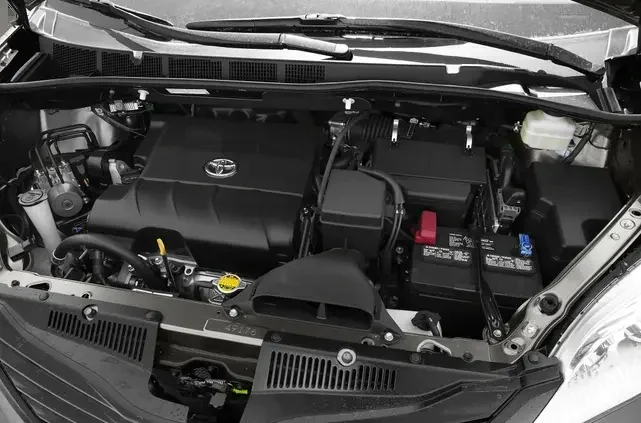
The alternator is a small but mighty component in your Toyota Sienna’s engine bay. It converts mechanical energy from the engine into electrical energy. This process keeps your battery charged and powers every electrical accessory in your vehicle. Without a working alternator, your Sienna would rely solely on the battery, which would die within minutes of driving.
Here is what the alternator handles in your Toyota Sienna:
- Battery Charging: The alternator replenishes the battery after every start.
- Electrical Accessories: It powers your headlights, radio, air conditioning, and power windows.
- Engine Sensors: The alternator supplies power to all the sensors that keep your engine running smoothly.
- Voltage Regulation: It maintains a steady electrical output so nothing gets fried.
Think of the alternator as the power plant of your vehicle. When it starts to weaken, everything that depends on electricity feels the effects. Understanding this helps you see why catching alternator symptoms early matters so much.
Common Signs Your Toyota Sienna Alternator Is Going Bad
Your Toyota Sienna gives you plenty of warning before an alternator completely fails. The key is knowing what to look for. Here are the most common bad alternator signs to watch for.
Dimming or Flickering Headlights
One of the first alternator symptoms most drivers notice is dimming headlights. When you are driving at night and the lights suddenly get dimmer when you hit the gas, that is a red flag. The alternator is not producing enough power to keep up with demand.
This also applies to your interior lights and dashboard illumination. If you notice the gauge cluster getting dim while you drive, do not ignore it. It is one of the easiest bad alternator signs to spot.
Dead or Weak Battery
Many people assume a dead battery means the battery itself is bad. But a failing alternator is often the real cause. The alternator is supposed to keep the battery charged while you drive. When it stops working, the battery drains completely and cannot recharge itself.
If you find yourself jump-starting your Sienna frequently, the alternator might be the problem. Before replacing the battery, learn how to check your car battery first. A simple test can reveal whether the battery or the alternator is at fault.
Dashboard Warning Lights
Your Toyota Sienna has a built-in warning system that alerts you to electrical problems. The battery-shaped warning light on your dashboard is the most obvious indicator. When this light comes on, it means the charging system is not working properly.
Other warning lights may also appear, including the check engine light. If you see multiple electrical-related lights on your dash at once, take it seriously. These dashboard warning lights are your vehicle begging for attention. If the check engine light is on and you want to address it, you can learn how to get rid of the engine management light and understand what triggered it.
Whining or Grinding Noises
A healthy alternator runs quietly. When it starts to fail, you might hear unusual sounds coming from the engine bay. A high-pitched whining noise that gets louder when you accelerate is a classic sign. Grinding or growling sounds can indicate worn bearings inside the alternator.
Do not wait for these noises to get louder. They usually mean internal components are wearing out and the alternator needs attention soon.
Electrical Accessories Acting Up
Power windows slowing down, the radio cutting out, or the air conditioning blowing warm air can all point to a weak alternator. When the electrical system does not get enough power, accessories start malfunctioning in strange ways.
If multiple electrical accessories act up at the same time, the alternator should be your first suspect. This is especially true in the Toyota Sienna, which relies heavily on its electrical system for comfort and convenience features.
Stalling or Difficulty Starting
In advanced stages of alternator failure, your Sienna may stall while driving or struggle to start. This happens because the spark plugs and fuel injectors need a steady supply of electricity to work correctly. When the alternator cannot provide that, the engine sputters and dies.
If your Sienna stalls unexpectedly, pull over safely and get it towed to a repair shop. Driving with a bad alternator can leave you completely stranded.
How To Test Your Toyota Sienna Alternator
You do not need to be a professional mechanic to test your alternator. With a basic multimeter and a few minutes, you can check if your alternator is working properly. Here is a step-by-step guide.
Step 1: Park on a Level Surface
Turn off your Toyota Sienna and engage the parking brake. Make sure the vehicle is on a flat, stable surface. Open the hood and locate the alternator. It is usually mounted near the front of the engine and driven by the serpentine belt.
Step 2: Test the Battery Voltage
Set your multimeter to measure DC voltage. Touch the red probe to the positive battery terminal and the black probe to the negative terminal. A healthy battery should read around 12.6 volts with the engine off.
Step 3: Start the Engine
Start your Toyota Sienna and let it idle. Now test the battery terminals again with the multimeter. The voltage should rise to between 13.5 and 14.5 volts. This increase means the alternator is charging the battery properly.
Step 4: Test Under Load
Turn on the headlights, air conditioning, and radio. Check the voltage again. It should stay above 13 volts. If the voltage drops below 13 volts or fluctuates, your alternator may not be keeping up with demand.
If you want a more thorough assessment of your alternator’s health, learn how to know if your alternator is still good for additional testing methods and professional tips.
Quick Tips for Accurate Testing
- Make sure your multimeter is set to the correct voltage range.
- Test the battery when it is fully charged for the most accurate reading.
- Repeat the test at different RPMs to check for consistent output.
- Do not test the alternator with the battery disconnected, as this can damage the voltage regulator.
What Causes Toyota Sienna Alternator Failure?
Understanding what causes alternator failure helps you prevent it. Several factors can wear out your Toyota Sienna alternator over time.
Worn Serpentine Belt
The serpentine belt drives the alternator. Over time, this belt stretches, cracks, and wears down. A loose or cracked belt means the alternator does not spin properly, which reduces its output. Regular belt inspections are an easy way to prevent this issue.
Faulty Voltage Regulator
The voltage regulator controls the electrical output of the alternator. When it fails, the alternator either overcharges or undercharges the battery. Both scenarios are damaging. Overcharging can boil the battery fluid, while undercharging leaves the battery constantly weak.
Worn Internal Bearings
The alternator has internal bearings that allow the rotor to spin smoothly. These bearings wear out over time, especially with high mileage. Worn bearings cause grinding noises and eventually prevent the alternator from generating electricity.
Electrical Short Circuits
Sometimes the problem is not the alternator itself but a short circuit in the wiring. Damaged wires or corroded connections can prevent the alternator from delivering power to the battery and electrical system. This is why regular Toyota Sienna maintenance should include checking electrical connections.
Excessive Electrical Load
Adding too many electrical accessories to your Sienna can strain the alternator. Aftermarket lighting, audio systems, or winches draw more power than the stock alternator is designed to handle. If you have added accessories, consider upgrading to a higher-output alternator.
Toyota Sienna Alternator Replacement: What To Expect
If your testing confirms a bad alternator, it is time to talk about replacement. Here is what you need to know.
Alternator Replacement Cost
The alternator replacement cost for a Toyota Sienna typically ranges from $300 to $600. This includes parts and labor. The exact price depends on your model year and where you have the work done.
| Service Type | Estimated Cost | Time Required |
|---|---|---|
| OEM Alternator at Dealer | $500 – $600 | 2 – 3 hours |
| Aftermarket Alternator at Shop | $300 – $450 | 1.5 – 2.5 hours |
| DIY Replacement | $200 – $350 (parts only) | 2 – 4 hours |
Keep in mind that these are estimates. Prices vary by location and model year. Always get a quote before committing to a replacement.
OEM vs. Aftermarket Alternators
When replacing your alternator, you have two main options. OEM (Original Equipment Manufacturer) alternators are made by the same supplier that provided parts for your Sienna at the factory. They match the original specifications exactly.
Aftermarket alternators are made by third-party manufacturers. They are often more affordable and can perform just as well, but quality varies between brands. Stick with reputable aftermarket brands like Denso, Bosch, or AC Delco for reliable performance.
Can You Drive with a Bad Alternator?
You can drive short distances with a failing alternator, but it is not recommended. Your battery will eventually drain completely, and your Sienna will stall. If you must drive to a repair shop, turn off all non-essential electrical accessories to conserve battery power.
If your check engine light is on due to alternator issues, you may want to learn how to clear a check engine code after the repair is complete. This can help reset your dashboard and confirm the fix worked.
How To Prevent Toyota Sienna Alternator Problems
Prevention is always better than cure. Here are simple steps to keep your Toyota Sienna alternator healthy for years to come.
Regular Belt Inspections
Have your serpentine belt inspected during every oil change. Look for cracks, glazing, or fraying. A worn belt puts extra strain on the alternator and can cause it to fail prematurely. Replacing a belt is cheap compared to replacing an alternator.
Keep Electrical Connections Clean
Corrosion on battery terminals and alternator wiring can restrict electrical flow. Clean the connections with a wire brush and apply dielectric grease to prevent future corrosion. This simple step keeps your Toyota Sienna electrical system running at peak performance.
Avoid Overloading the Electrical System
Be mindful of how many electrical accessories you add to your Sienna. If you install aftermarket lighting or audio systems, make sure your alternator can handle the extra load. Upgrading to a high-output alternator is a smart move if you plan to add significant electrical accessories.
Address Warning Signs Immediately
Do not wait for a warning sign to become a full breakdown. If you notice dimming lights, unusual noises, or dashboard warnings, get your vehicle inspected right away. Early intervention is the best way to avoid costly Toyota Sienna repair bills.
Follow the Maintenance Schedule
Your Toyota Sienna owner’s manual includes a maintenance schedule. Following it ensures that all components, including the alternator and charging system, get checked regularly. Routine maintenance catches small problems before they turn into big expenses.
Common Mistakes People Make with Alternator Problems
Avoid these common mistakes that can make alternator issues worse or lead to unnecessary expenses.
- Replacing the Battery Instead of the Alternator: A dead battery is often a symptom of a bad alternator, not the cause. Always test the alternator before buying a new battery.
- Ignoring Warning Lights: Dashboard warning lights exist for a reason. Ignoring them can lead to complete electrical failure and a stranded vehicle.
- Using Cheap Replacement Parts: Bargain alternators may save money upfront but often fail sooner. Invest in quality parts for long-term reliability.
- Neglecting the Serpentine Belt: A worn belt is one of the most common causes of alternator problems. Replace it on schedule.
- Trying to DIY Without Proper Tools: Testing an alternator requires a multimeter and some mechanical knowledge. If you are unsure, let a professional handle it.
Expert Insights on Toyota Sienna Alternator Health
Experienced Toyota mechanics agree that the Sienna alternator is a durable component when properly maintained. Most alternators last between 100,000 and 150,000 miles under normal driving conditions. However, extreme temperatures, frequent short trips, and heavy electrical loads can shorten that lifespan.
One thing experts emphasize is the connection between the alternator and the battery. Many drivers do not realize that a bad alternator kills a perfectly good battery. Before replacing either component, always test both. This simple step saves money and prevents repeat repairs.
Another expert tip is to pay attention to your driving habits. Frequent short trips where the engine does not fully warm up put extra stress on the charging system. If your Sienna is primarily used for short commutes, consider more frequent alternator inspections.
Finally, if your Sienna has high mileage, consider proactively testing the alternator as part of your regular maintenance routine. Catching a weak alternator before it fails completely is always cheaper and more convenient than dealing with a breakdown.
Conclusion
Your Toyota Sienna alternator plays a vital role in keeping your vehicle running smoothly. From powering the headlights to charging the battery, it works hard every time you turn the key. Recognizing the warning signs of a failing alternator early can save you time, money, and a lot of stress.
Remember the key symptoms: dimming lights, dead battery, dashboard warnings, unusual noises, and electrical glitches. Test your alternator regularly with a multimeter, and never ignore the warning signs your vehicle gives you. When replacement is needed, choose quality parts and have the work done promptly.
With proper care and attention, your Toyota Sienna alternator will keep your family’s adventures on the road for many miles to come. Stay proactive, stay informed, and your Sienna will reward you with reliable performance every day.
Frequently Asked Questions
How long does a Toyota Sienna alternator last?
Most Toyota Sienna alternators last between 100,000 and 150,000 miles under normal driving conditions. Regular maintenance and clean electrical connections can help extend that lifespan significantly.
Can a bad alternator damage my Toyota Sienna battery?
Yes, absolutely. A failing alternator often undercharges the battery, which causes the battery to degrade faster. This is why it is important to test both the alternator and battery when electrical problems appear.
Is it safe to drive my Toyota Sienna with a bad alternator?
It is not recommended. You may be able to drive a short distance on battery power alone, but the battery will drain quickly and your Sienna will eventually stall. Get the alternator repaired or replaced as soon as possible.
What is the average cost to replace a Toyota Sienna alternator?
The average cost ranges from $300 to $600, depending on whether you choose an OEM or aftermarket part and whether you do the work yourself or have it done at a shop.
Can I replace the alternator myself on my Toyota Sienna?
Yes, if you have basic mechanical skills and the right tools, you can replace the alternator yourself. The process typically involves removing the serpentine belt and unbolting the alternator from its mount. Always disconnect the battery before starting any electrical work.
How do I know if it is my alternator or my battery causing problems?
A simple multimeter test can tell you. With the engine off, a healthy battery reads about 12.6 volts. With the engine running, it should read between 13.5 and 14.5 volts. If the voltage does not rise when the engine is running, the alternator is likely the problem.