How Long Do Struts Last on a Toyota RAV4 or Highlander
Toyota struts typically last between 50,000 and 100,000 miles, but driving habits and road conditions play a big role. The Toyota RAV4 and Highlander are popular SUVs that rely on healthy struts for a smooth, safe ride. This guide covers everything you need to know about toyota strut lifespan, replacement signs, costs, and how to make your suspension parts last longer.
Key Takeaways
- Strut Life Expectancy: Most Toyota struts last between 50,000 and 100,000 miles depending on driving conditions.
- RAV4 and Highlander Are Common Models: Both SUVs use front and rear struts that wear at different rates.
- Watch for Warning Signs: Bouncing, nose-diving, and uneven tire wear are clear signals your struts need attention.
- Replacement Cost Varies: Expect to pay between $450 and $1,200 per strut set, including parts and labor.
- Maintenance Matters: Regular inspections and smooth driving can help your Toyota struts last longer.
- Don’t Ignore Strut Wear: Worn struts affect safety, handling, and other expensive components like tires and brakes.
📑 Table of Contents
- How Long Do Struts Last on a Toyota RAV4 or Highlander
- Toyota Strut Life Expectancy by Model
- Signs Your Toyota Struts Are Wearing Out
- How Driving Conditions Affect Strut Durability
- Toyota Strut Replacement Cost and Process
- How to Extend the Life of Your Toyota Struts
- When to Replace Struts: Mileage Guidelines by Toyota Model
- Common Mistakes Drivers Make With Strut Maintenance
- Expert Insights on Toyota Strut Longevity
- Key Takeaways
- Conclusion
How Long Do Struts Last on a Toyota RAV4 or Highlander
If you drive a Toyota RAV4 or Highlander, you have probably wondered about your suspension. Struts are one of the most important parts under your vehicle. They keep your ride smooth and your tires planted on the road. But like every car part, they don’t last forever.
So how long do struts last on a Toyota exactly? The short answer is between 50,000 and 100,000 miles. But that range is wide. Your actual strut life depends on how you drive, where you drive, and how well you maintain your vehicle. In this guide, we break down everything you need to know about Toyota strut lifespan, warning signs, replacement costs, and simple tips to get the most miles out of your suspension.
Whether you drive your RAV4 to work every day or take your Highlander on long road trips, understanding your struts helps you stay safe and save money. Let’s dive in.
What Do Struts Do on a Toyota?
Struts are part of your car’s suspension system. They connect your wheels to the vehicle body. They absorb bumps, potholes, and road imperfections. Without working struts, your Toyota would bounce around like a boat on rough water.
On the RAV4 and Highlander, struts do more than just cushion the ride. They also support the vehicle’s weight. They help your tires stay in contact with the road. This matters for braking, steering, and overall stability. When struts wear out, all of these systems suffer.
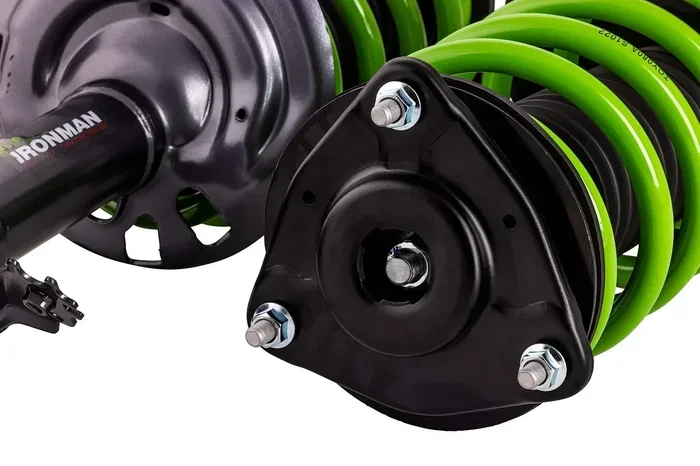
Think of struts as the shock absorbers and structural support in one unit. They are different from regular shock absorbers. A strut assembly includes the spring, the shock unit, and the mounting bearing. This design makes them more complex. It also means they wear out over time.
Toyota Strut Life Expectancy by Model
Not all Toyotas wear out their struts at the same rate. The RAV4 and Highlander are both popular SUVs, but they have different usage patterns. Let’s look at each model and what you can expect.
RAV4 Strut Lifespan
The Toyota RAV4 is a compact SUV that many families rely on daily. RAV4 struts typically last around 60,000 to 100,000 miles. If you drive mostly on highways and smooth roads, you may reach the higher end of that range. If you hit potholes often or drive on rough roads, expect closer to 50,000 miles.
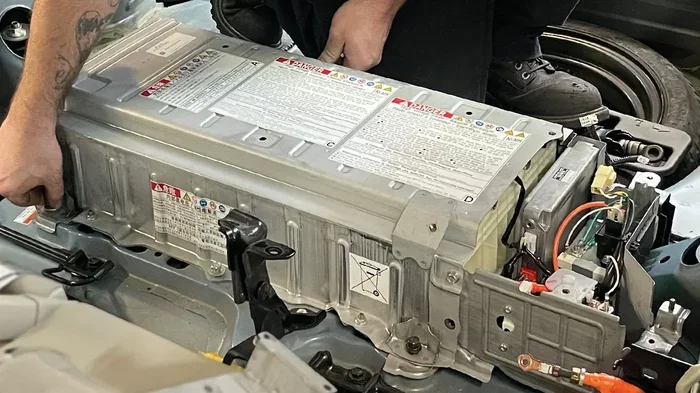
The RAV4 Hybrid is no different in terms of strut wear. The added weight of the hybrid battery does put a little more stress on the suspension. But Toyota engineered these vehicles to handle that load. Still, hybrid drivers should pay attention to how the ride feels over time.
Highlander Strut Lifespan
The Highlander is a larger, heavier SUV. Highlander struts usually last between 50,000 and 90,000 miles. The extra weight means the suspension works harder. This can lead to slightly faster wear compared to the RAV4.
If you tow with your Highlander or carry heavy loads often, your struts may wear even faster. The same goes for drivers who live in areas with bad roads or harsh weather. Cold temperatures and rough terrain both accelerate suspension wear.
Signs Your Toyota Struts Are Wearing Out
Struts don’t just fail overnight. They wear down gradually. Knowing the early warning signs helps you catch problems before they become expensive repairs. Here are the most common signs of worn Toyota struts.
Excessive Bouncing After Bumps
This is the most obvious sign. If your Toyota bounces more than once or twice after hitting a bump, your struts are losing their damping ability. A healthy strut absorbs the impact quickly. A worn strut lets the car keep bouncing.
Nose-Diving During Braking
When you hit the brakes hard, does the front of your RAV4 or Highlander dip forward? This is called nose-diving. Worn struts can’t control the weight transfer during braking. This affects your stopping distance and overall safety.
Uneven Tire Wear
Bad struts cause tires to wear unevenly. You might notice bald spots or cupping on your tread. This happens because worn struts let the tires bounce and lose consistent contact with the road. Uneven tire wear is a costly side effect that many drivers don’t connect to their suspension.
Leaking Fluid on the Strut Body
Struts contain hydraulic fluid. Over time, seals can wear and leak. If you see oil or fluid on the strut body, it’s time for an inspection. A leaking strut has lost its ability to absorb shocks properly.
Poor Handling and Steering Response
Worn struts make your Toyota feel loose or sluggish in turns. You might notice the car leans to one side during cornering. Steering may feel less precise. These changes are subtle at first but become more noticeable as the struts continue to wear.
Visible Damage or Rust
Sometimes struts suffer physical damage. A bent strut rod or rusted mount can cause handling problems. After hitting a large pothole or going over a curb, get your suspension inspected. Visual damage is a clear signal that replacement is coming soon.
How Driving Conditions Affect Strut Durability
Your driving environment has a huge impact on how long your struts last. Toyota designs these parts for normal daily driving. But extreme conditions push them harder.
Highway vs. City Driving
Highway driving is actually easier on struts than stop-and-go city driving. On the highway, you encounter fewer sudden bumps and potholes. City driving means constant braking, accelerating, and navigating rough urban roads. City drivers often need strut replacements sooner than highway drivers.
Rough Roads and Gravel
If you drive on gravel roads, dirt paths, or construction zones, your struts take a beating. Every rough patch adds stress to the suspension. Over time, this accelerates wear significantly. Drivers in rural areas or regions with unpaved roads should inspect their struts more frequently.
Cold Weather and Climate
Cold temperatures make rubber and metal parts stiffer. Strut seals can become brittle in freezing weather. This leads to faster wear and potential leaks. If you live in a cold climate, your struts may not last as long as someone in a warmer region.
Heavy Loads and Towing
The RAV4 and Highlander are both capable vehicles. But towing trailers or carrying heavy cargo puts extra strain on the suspension. If you regularly haul heavy loads, expect your struts to wear out faster. Stay within your vehicle’s recommended weight limits to protect your suspension.
Want to learn more about keeping your Toyota running strong? Check out this guide on how to make a car last 500 for general longevity tips that apply to your whole vehicle.
Toyota Strut Replacement Cost and Process
Nobody wants to think about replacing struts. But when the time comes, knowing what to expect helps you plan and budget. Here is a detailed look at strut replacement costs and what the process involves.
Average Cost Breakdown
The cost to replace struts on a Toyota RAV4 or Highlander varies. Several factors influence the final price. Here is a general breakdown:
- Parts Only: $200 to $500 per strut assembly
- Labor: $150 to $300 per strut
- Total Per Strut: $350 to $800
- Full Set (All Four): $1,400 to $3,200
These numbers can vary based on your location, the year of your vehicle, and whether you use OEM or aftermarket parts. OEM Toyota struts cost more but they are designed specifically for your model. Aftermarket struts are cheaper but may not offer the same durability or ride quality.
Should You Replace All Four Struts at Once?
Ideally, yes. Replacing all four struts at the same time ensures balanced handling and even tire wear. If only two struts are replaced, the old and new parts will perform differently. This can cause uneven handling and premature wear on the new struts.
However, budget sometimes makes this difficult. If you can only replace two struts, focus on the front first. The front struts handle the most weight and absorb the most impact. They typically wear out faster than the rear struts.
The Replacement Process
Strut replacement is a complex job. It involves removing the old strut assembly, disconnecting the sway bar links, and unbolting the strut from the vehicle. The new strut is then installed and secured. Most shops also recommend replacing strut mounts and bearings during the job.
After replacement, your Toyota may need a wheel alignment. This ensures the tires sit at the correct angle. Skipping the alignment after strut replacement can lead to uneven tire wear and poor handling.
How to Extend the Life of Your Toyota Struts
You cannot stop struts from eventually wearing out. But you can take steps to make them last longer. These simple maintenance habits protect your suspension and save you money over time.
Drive Smoothly
Avoid hard braking and sudden acceleration whenever possible. Aggressive driving puts extra stress on your struts. Smooth driving reduces the impact on your suspension. Over thousands of miles, this adds up to significant extra strut life.
Avoid Potholes and Rough Roads
This sounds obvious, but it is worth repeating. Potholes and rough terrain are the enemies of your struts. When you can, steer around potholes and avoid driving on degraded roads. If you must drive over rough surfaces, slow down as much as safely possible.
Keep Up with Regular Maintenance
Follow your Toyota maintenance schedule. Regular inspections let mechanics catch suspension issues early. During oil changes and service visits, ask the technician to check your struts. Catching a worn strut early prevents damage to other parts.
If you want to go deeper on Toyota maintenance, this article on timing belt replacement on a Toyota Camry offers great insights on staying on top of service intervals.
Check Tire Pressure Regularly
Proper tire pressure supports your suspension system. Underinflated tires put extra stress on struts and other components. Check your tire pressure at least once a month. Keep it at the level recommended by Toyota for your specific model.
Get Annual Suspension Inspections
Even if you do not notice any problems, get your suspension inspected once a year. A trained technician can spot early signs of strut wear that you might miss. This proactive approach saves you from surprise breakdowns and costly repairs.
Toyota owners with hybrid models should also pay attention to the overall vehicle health. For tips on maintaining hybrid systems, read this guide on how to keep your hybrid battery healthy.
When to Replace Struts: Mileage Guidelines by Toyota Model
While every vehicle is different, general mileage guidelines can help you plan. Use these numbers as a starting point for your maintenance schedule.
| Toyota Model | Typical Strut Life | First Replacement Range |
|---|---|---|
| RAV4 (2019+) | 60,000 to 100,000 miles | 70,000 to 90,000 miles |
| RAV4 Hybrid | 55,000 to 95,000 miles | 65,000 to 85,000 miles |
| Highlander (2020+) | 50,000 to 90,000 miles | 60,000 to 80,000 miles |
| Highlander Hybrid | 50,000 to 85,000 miles | 60,000 to 75,000 miles |
These numbers are estimates based on typical driving conditions. Your actual strut life may be shorter or longer. Pay attention to how your vehicle feels and responds. The road signs we discussed earlier are your best indicators.
For a broader look at Toyota longevity, check out how long hybrid Toyotas typically last in this guide on hybrid lifespan.
Common Mistakes Drivers Make With Strut Maintenance
Avoiding common mistakes can help your struts last longer and protect your wallet. Here are the errors drivers make most often.
Ignoring Early Warning Signs
Many drivers notice bouncing or poor handling but ignore it. They hope the problem fixes itself. It does not. Small strut issues become big, expensive problems when left unchecked. Address warning signs immediately.
Replacing Only One Strut
Replacing just one strut creates an imbalance. The new strut performs differently from the worn one. This causes uneven handling and accelerated wear on the other struts. Always replace struts in pairs, preferably all four.
Choosing Cheap Aftermarket Parts
Budget struts might save money upfront. But they often wear out faster and provide inferior ride quality. Cheap parts can also damage other suspension components. Invest in quality parts, whether OEM or a reputable aftermarket brand.
Skipping the Wheel Alignment
After strut replacement, a wheel alignment is essential. Skipping this step leads to uneven tire wear and poor handling. It also shortens the life of your new struts. Always budget for an alignment when replacing struts.
Not Checking the Strut Mounts and Bearings
Strut mounts and bearings wear out along with the struts. If a mechanic only replaces the struts and not the mounts, you may hear clunking noises. These parts are relatively inexpensive. Replacing them during strut service saves time and money later.
Expert Insights on Toyota Strut Longevity
We asked experienced Toyota technicians about what helps struts last longer. Here is what they had to say.
“The biggest factor is driving style,” says a longtime Toyota service advisor. “Drivers who brake gently and avoid potholes consistently get more life out of their struts.”
“Another key tip is to check your alignment regularly,” adds a master technician. “Misaligned wheels put uneven stress on the suspension. This wears out struts faster than normal.”
“For hybrid Toyotas, the added weight of the battery pack is something to keep in mind,” notes a third expert. “Hybrid owners should be extra vigilant about suspension inspections. The extra weight does take a toll over time.”
These insights reinforce the importance of proactive maintenance. Small habits add up to big savings over the life of your Toyota.
Key Takeaways
- Struts last 50,000 to 100,000 miles on a Toyota RAV4 or Highlander, depending on driving conditions.
- Warning signs include bouncing, nose-diving, uneven tire wear, and fluid leaks on the strut body.
- Replacement costs range from $350 to $800 per strut, with full sets costing $1,400 to $3,200.
- Replace struts in pairs or all four for balanced handling and even tire wear.
- Smooth driving, pothole avoidance, and regular inspections extend strut life significantly.
- Always get a wheel alignment after strut replacement to protect your investment.
Conclusion
How long do struts last on a Toyota RAV4 or Highlander depends on many factors. Your driving style, road conditions, and maintenance habits all play a role. Most drivers can expect their struts to last between 50,000 and 100,000 miles.
Staying alert to warning signs saves you money and keeps you safe. Bouncing, nose-diving, and uneven tire wear should never be ignored. Regular inspections and smooth driving habits go a long way toward extending strut life.
When replacement time comes, invest in quality parts and professional installation. Skip the cheap shortcuts. A proper strut replacement with alignment protects your Toyota for thousands of miles to come. Your RAV4 and Highlander are built to last. With the right care, your struts will help them do exactly that.
Frequently Asked Questions
How do I know if my Toyota struts need replacing?
Watch for excessive bouncing after bumps, nose-diving during braking, uneven tire wear, and fluid leaks on the strut body. If your Highlander or RAV4 feels loose in turns or leans to one side, get your struts inspected. These signs mean your suspension is no longer performing at its best.
Can I drive with bad struts on my Toyota?
You can drive short distances with worn struts, but it is not safe. Bad struts reduce your vehicle’s handling, braking, and stability. They also cause uneven tire wear that leads to premature tire replacement. Get your struts checked as soon as you notice warning signs.
How much does it cost to replace struts on a Toyota RAV4?
Expect to pay between $350 and $800 per strut, including parts and labor. A full set replacement for all four struts typically costs between $1,400 and $3,200. OEM parts cost more but offer better durability and ride quality.
Do Toyota RAV4 struts last longer than Highlander struts?
Generally, yes. The RAV4 is lighter than the Highlander, which means less stress on the struts. RAV4 struts often last closer to 100,000 miles, while Highlander struts may wear out between 50,000 and 90,000 miles. Driving conditions and load weight also play a big role.
Should I replace all four struts at the same time?
Yes, replacing all four struts at once is the best practice. It ensures balanced handling, even tire wear, and consistent ride quality. If budget is a concern, replace at least the front pair first since they handle the most weight and impact.
Does Toyota warranty cover strut replacement?
Toyota’s factory warranty covers strut defects for 36 months or 36,000 miles, whichever comes first. Wear and tear from normal use is not covered. Extended warranties or maintenance packages may offer additional coverage. Check your specific warranty terms for details.