AC Light Blinking Toyota Here Is What You Should Know
A blinking AC light on your Toyota is a warning sign that your air conditioning system needs attention. It can mean low refrigerant, a faulty pressure switch, or a failing blend door actuator. Ignoring this light can lead to expensive repairs and an uncomfortable ride. This guide breaks down every possible cause, gives you step-by-step fixes, and tells you exactly when to seek professional help.
The AC light blinking Toyota situation is something every Toyota owner dreads. You are driving along, minding your own business, and suddenly that little AC warning light starts flashing on your dashboard. It is hard not to panic. But here is the good news. In most cases, a blinking AC light is a manageable problem with a clear solution.
Your Toyota is packed with smart sensors and warning systems designed to keep you safe and informed. When the AC light starts blinking, it is essentially your car talking to you. It is saying, “Hey, something is off in my air conditioning system. Please check me out.” The key is knowing what your car is trying to tell you and responding quickly before a small issue turns into a big repair bill.
Whether you drive a Toyota Camry, a Toyota RAV4, a Toyota Sienna, or any other model, this guide will walk you through everything you need to know. We will cover the most common causes, simple fixes you can try yourself, and the moments when it is time to call in a professional. By the end, you will feel confident handling this situation like a pro.
Key Takeaways
- Blinking AC Light Means Warning: A blinking AC light on your Toyota signals a problem in the air conditioning system that needs attention.
- Common Culprits Include Low Refrigerant and Faulty Sensors: Most blinking AC lights come from refrigerant leaks, pressure switch failures, or blend door actuator issues.
- Some Fixes Are Simple DIY Jobs: Checking the cabin air filter and resetting the system are tasks you can do at home.
- Driving With the AC Light Blinking Is Usually Safe Short-Term: However, you should address the root cause quickly to avoid further damage.
- Regular Maintenance Prevents Most Issues: Routine inspections and seasonal AC checks keep your Toyota cooling system in top shape.
- Professional Diagnosis Saves Money Long-Term: When in doubt, let a qualified mechanic scan for diagnostic codes and pinpoint the exact problem.
📑 Table of Contents
What Does the AC Light Blinking on a Toyota Mean?
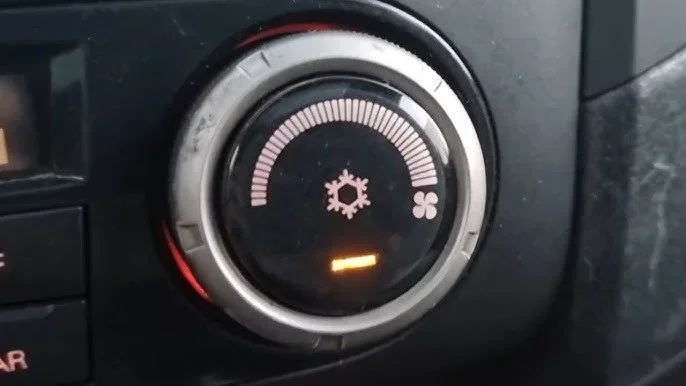
When you see the AC light blinking Toyota dashboard warning, it means the climate control system has detected a fault. Toyota vehicles use a network of sensors to monitor the air conditioning system. If any sensor reads outside its normal range, the system triggers the warning light. The blinking pattern often matters too. A steady light usually means a less urgent issue, while a flashing or blinking light tends to signal something that needs prompt attention.
Understanding Your Toyota Dashboard Indicators
Toyota dashboards are designed to communicate clearly, but the sheer number of lights and symbols can be confusing. Here is a quick breakdown of what different AC-related warnings look like:
- Blinking AC Light: The system has detected a fault. This could be anything from low refrigerant to a sensor failure.
- Steady AC Light: The AC system is active and working, but there may be a minor issue that is not yet critical.
- AC Light with Wrench Symbol: This often points to a broader maintenance issue. If you see this combination, you might want to check your maintenance required light status for more context.
- AC Light with Check Engine Symbol: This is a more serious combination. It suggests the AC problem may be linked to the engine or emissions system.
Understanding these indicators helps you react appropriately. If your AC light is blinking, do not ignore it. But also, do not immediately assume the worst. Many causes are simple and affordable to fix.
Common Reasons the AC Light Starts Blinking
Several things can trigger a blinking AC light on a Toyota. Here are the most common reasons:
- Low Refrigerant Levels: Refrigerant is the lifeblood of your AC system. When it drops too low, pressure sensors detect the change and trigger the warning light.
- Faulty AC Pressure Switch: This switch monitors refrigerant pressure. If it malfunctions, it sends incorrect signals to the car’s computer.
- Blend Door Actuator Failure: The blend door actuator controls airflow temperature. When it fails, the system cannot regulate cabin temperature properly.
- Blower Motor or Resistor Issues: A weak blower motor or faulty resistor reduces airflow, which can confuse the AC system sensors.
- Clogged Cabin Air Filter: A dirty filter restricts airflow and puts extra strain on the AC system, potentially triggering the warning light.
- Electrical Connection Problems: Corroded or loose wiring connectors can cause intermittent signals that confuse the system.
- AC Condenser Damage: Physical damage to the condenser, often from road debris, can disrupt the entire cooling cycle.
Is It Safe to Drive When the AC Light Is Blinking?
This is one of the most common questions Toyota owners ask. The short answer is yes, in most cases it is safe to drive for a short distance. However, the longer answer depends on what is causing the light to blink.
Driving With the AC Light On
If your AC light is blinking but the car is still running normally, you can typically drive to a nearby repair shop or home. The blinking light is a warning, not an emergency shutdown signal. Your Toyota will not suddenly stop because the AC light is on. That said, driving without working air conditioning in hot weather is miserable. So even if it is safe, it is not comfortable.
Here are a few things to keep in mind while driving with a blinking AC light:
- Monitor your engine temperature gauge closely.
- Watch for any other warning lights that may appear.
- Avoid long drives in extreme heat if the AC is not working.
- If the light changes from blinking to a different pattern, pull over safely.
Some drivers wonder if they can still drive when other lights are on too. For example, if you notice your traction control light is also on, check out our guide on driving with the traction control light on for helpful advice.
When to Pull Over Immediately
There are situations where a blinking AC light combined with other symptoms means you should pull over right away. These include:
- The check engine light is also flashing.
- You notice a burning smell from the dashboard.
- The engine temperature is rising rapidly.
- You hear unusual noises coming from the engine bay.
- The car is stalling or losing power.
In these cases, the AC issue may be a symptom of a larger problem. Pull over safely, turn off the engine, and call for assistance if needed.
Top Causes of a Blinking AC Light on Toyota Models
Let us dive deeper into the specific causes. Understanding each one helps you figure out what might be wrong and what it will cost to fix.
Low Refrigerant Levels
Low refrigerant is the number one cause of AC problems in Toyotas. The refrigerant circulates through a closed system, so it should never need topping off under normal conditions. If the level is low, there is almost certainly a leak somewhere. Common leak points include the AC condenser, the evaporator core, and the various hose connections throughout the system.
When refrigerant drops below the minimum threshold, the pressure switch shuts down the AC compressor to prevent damage. This triggers the blinking light. A mechanic can recharge the refrigerant, but the real fix is finding and repairing the leak first. Otherwise, you will be recharging the system every few months.
Faulty AC Pressure Switch
The AC pressure switch monitors the high and low-pressure sides of the system. It ensures the refrigerant is circulating at the right pressure levels. When the switch goes bad, it sends false signals to the car’s computer, which then triggers the AC warning light.
Replacing an AC pressure switch is relatively inexpensive. The part itself usually costs between $30 and $80, and labor adds another $50 to $100 in most cases. It is one of the simpler fixes for a blinking AC light.
Blend Door Actuator Failure
The blend door actuator is a small motor that controls the temperature of air coming into the cabin. It directs airflow between the hot and cold sides of the heater core. When this actuator fails, you might notice temperature inconsistencies or a clicking noise behind the dashboard.
On many Toyota models, the blend door actuator is an easy replacement. The part costs around $50 to $150, and the labor is straightforward. However, on some models, accessing the actuator requires removing parts of the dashboard, which increases the labor cost.
Blower Motor or Resistor Issues
The blower motor pushes air through the vents. The blower motor resistor controls the fan speed. When either component fails, airflow drops significantly. The AC system relies on proper airflow to function correctly, so reduced airflow can trigger the warning light.
Signs of blower motor problems include:
- Weak airflow from the vents, even on the highest setting.
- The fan only works on certain speeds.
- A whining or grinding noise from the dashboard area.
- No airflow at all.
Cabin Air Filter Blockage
The cabin air filter is often overlooked, but it plays a big role in AC performance. A clogged filter restricts airflow and forces the system to work harder. Over time, this extra strain can trigger the AC warning light. Most Toyota owners should replace their cabin air filter every 15,000 to 30,000 miles, or more often if they drive in dusty conditions.
Replacing the cabin air filter is one of the easiest and cheapest maintenance tasks. The part costs around $15 to $30, and you can usually do it yourself in under 15 minutes. Check your owner’s manual for the exact location on your specific Toyota model.
How To Diagnose and Fix a Blinking AC Light
Diagnosing a blinking AC light on a Toyota involves a systematic approach. Here is a step-by-step guide to help you identify and address the problem.
Step-by-Step Diagnostic Process
Follow these steps to diagnose the issue before spending money on repairs:
- Check the AC Controls: Make sure the AC is turned on and set to the coldest temperature. Sometimes a simple user error, like the system being set to recirculate or off, can cause confusion.
- Listen for the Compressor: Start the engine and turn on the AC. Listen for a click when the compressor engages. If you do not hear it, the compressor may not be activating.
- Inspect the Cabin Air Filter: Remove and examine the filter. If it looks dirty or clogged, replace it. This is the cheapest and easiest fix to try first.
- Check for Visible Leaks: Look under the hood for any oily residue around AC hoses and connections. This residue often indicates a refrigerant leak.
- Use an OBD-II Scanner: Plug a diagnostic scanner into the OBD-II port, which is usually located under the steering column. Read any stored codes. Common codes related to AC issues include P0530, P0531, and P0532.
- Check Refrigerant Pressure: If you have access to a manifold gauge set, connect it to the service ports and check the pressure readings. Low pressure on both sides indicates a refrigerant leak.
If you are not comfortable doing these checks yourself, take your Toyota to a trusted mechanic. Many shops will diagnose the issue for a flat fee, which is often much cheaper than the cost of unnecessary part replacements.
For those dealing with check engine lights alongside the AC issue, you might find our article on how to clear a check engine code helpful for understanding diagnostic trouble codes.
DIY Fixes You Can Try at Home
Not every AC problem requires a trip to the shop. Here are some fixes you can handle yourself:
- Reset the AC System: Turn off the engine, disconnect the negative battery terminal for 10 to 15 minutes, then reconnect it. This resets the car’s computer and can clear temporary fault codes.
- Replace the Cabin Air Filter: As mentioned above, this is an easy and inexpensive fix that resolves many AC issues.
- Check All Fuses: A blown fuse in the AC circuit can cause the warning light to come on. Check your owner’s manual for the fuse box location and the AC fuse rating.
- Clean the Condenser: The AC condenser sits at the front of the car and can get clogged with dirt, bugs, and debris. A gentle spray with a garden hose can restore proper airflow.
Remember, these DIY fixes address the most common and simplest causes. If the light continues blinking after trying these steps, it is time to seek professional help.
When To Visit a Professional Mechanic
Some AC problems are beyond DIY repairs. You should see a professional if:
- The AC light keeps blinking after resetting the system.
- You hear grinding or squealing noises from the engine bay.
- The AC blows warm air even after recharging the refrigerant.
- Multiple warning lights are on at the same time.
- You smell refrigerant or notice a oily puddle under your car.
A professional mechanic has the tools and expertise to properly diagnose and repair complex AC issues. They can pressure test the system, scan for hidden codes, and ensure every component is working correctly. Investing in a proper diagnosis now can save you hundreds of dollars in future repairs.
Dealing with persistent warning lights can be frustrating. Some Toyota owners also deal with other dashboard issues like the wrench light. If you are curious about what that means, check out our article on what the wrench light means for more insights.
Toyota Model-Specific AC Light Issues
Different Toyota models have their quirks when it comes to AC problems. Here are some model-specific issues to be aware of.
Toyota Camry AC Light Problems
The Toyota Camry is one of the most popular sedans on the road, and it has a well-documented set of AC issues. Older Camry models, particularly those from 2007 to 2014, are prone to AC compressor clutch failures. The compressor clutch engages and disengages the compressor, and when it wears out, the AC system cannot cool properly. This often triggers the blinking AC light.
Camry owners should also pay attention to the condenser. Road debris can puncture the condenser, causing refrigerant leaks. Regular inspections of the front condenser area can prevent this issue from becoming costly.
Toyota RAV4 and Highlander AC Issues
The RAV4 and Highlander are SUVs with more complex HVAC systems due to their larger cabin space. Common issues in these models include:
- Blend door actuator failures: The larger cabin means more ductwork, and more ductwork means more actuators that can fail.
- Cabin air filter clogs: SUVs often drive in dusty or off-road conditions, which clog filters faster.
- AC condenser damage: The lower ground clearance of SUVs makes the condenser more vulnerable to road debris.
If you are experiencing AC issues in your Highlander, you might also want to check if you can drive without the key fob, as electrical issues can sometimes compound HVAC problems. Visit our guide on driving your Toyota Highlander without a key fob for more information.
Toyota Sienna AC Warning Light
The Toyota Sienna is a minivan, and minivans face unique AC challenges. With three rows of seats, the Sienna has an extensive duct system that distributes air throughout the entire cabin. Common Sienna AC issues include:
- Dual-zone climate control failures: The Sienna’s dual-zone system has more components that can malfunction.
- Cabin air filter accessibility: The Sienna’s cabin air filter can be harder to access than in sedans, leading to neglected maintenance.
- Blower motor wear: The larger cabin requires a more powerful blower motor, which tends to wear out faster.
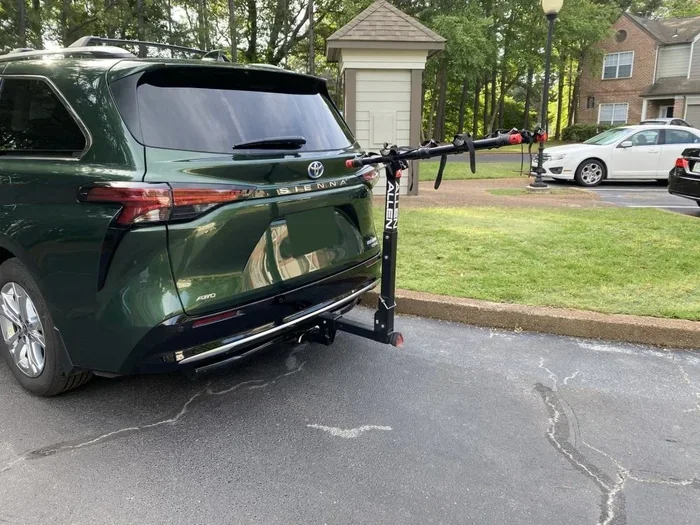
Sienna owners who are also dealing with cargo or towing concerns might want to check out our article on adding a tow hitch to your Toyota Sienna for practical guidance.
Preventing Future AC Light Issues
The best way to deal with a blinking AC light is to prevent it from happening in the first place. Regular maintenance and good habits go a long way toward keeping your Toyota’s AC system healthy.
Regular Maintenance Tips
- Replace the cabin air filter every 15,000 to 30,000 miles. This is the single most important thing you can do for your AC system.
- Run the AC regularly, even in winter. Running the system for at least 10 minutes every few weeks keeps the seals lubricated and prevents them from drying out.
- Inspect the condenser periodically. Look for debris, dirt, or physical damage. Clean it gently with water if needed.
- Address small leaks immediately. If you notice the AC is not cooling as well as it used to, get it checked before the problem worsens.
- Follow your Toyota’s maintenance schedule. Regular service appointments catch potential problems before they become serious.
Seasonal AC Care
Seasonal changes put extra stress on your AC system. Before summer arrives, have a professional inspect the system. They should check refrigerant levels, inspect hoses and connections, and test the compressor. Similarly, before winter, run the defrost setting for a few minutes to keep the AC compressor active and the system lubricated.
Simple seasonal care can add years to the life of your Toyota’s AC system and save you from unexpected breakdowns on the hottest days of the year.
Final Thoughts
A blinking AC light on your Toyota is a warning you should not ignore, but it is also not a reason to panic. Most causes are common, well-understood, and affordable to fix. Whether it is a simple cabin air filter replacement or a more involved repair like a blend door actuator or refrigerant leak, the key is to address the problem early. The longer you wait, the worse the damage can become and the more expensive the repair will be.
Use the diagnostic steps in this guide to narrow down the cause. Try the simple DIY fixes first, and do not hesitate to visit a professional when the problem is beyond your expertise. Your Toyota was built to last, and with proper care, the AC system will keep you comfortable for miles to come.
Stay proactive, stay informed, and keep your Toyota running strong. The road ahead is always better when the air conditioning is working exactly the way it should.
Frequently Asked Questions
Why Is My AC Light Blinking on My Toyota?
The AC light blinks when the air conditioning system detects a fault. This could be caused by low refrigerant, a faulty pressure switch, a failing blend door actuator, or a clogged cabin air filter. The blinking pattern tells you the system needs attention soon.
Can I Still Drive My Toyota if the AC Light Is Blinking?
Yes, in most cases it is safe to drive for a short distance. The blinking light is a warning, not an emergency signal. However, if you notice other warning lights or unusual symptoms, pull over safely and seek help.
How Much Does It Cost to Fix a Blinking AC Light on a Toyota?
The cost varies widely depending on the cause. A cabin air filter replacement might cost $30 to $50. A pressure switch replacement could run $80 to $180. More complex repairs like a blend door actuator or compressor can cost $200 to $600 or more. Always get a professional diagnosis first.
Can Low Refrigerant Cause the AC Light to Blink?
Yes, low refrigerant is the most common cause. When refrigerant drops below the minimum level, the pressure switch shuts down the compressor to prevent damage, which triggers the blinking warning light. A refrigerant recharge and leak repair usually solve this problem.
How Do I Reset the AC Light on My Toyota?
You can try resetting the system by disconnecting the negative battery terminal for 10 to 15 minutes, then reconnecting it. This clears temporary fault codes. If the light comes back on, there is an underlying issue that needs professional diagnosis.
Is a Blinking AC Light the Same as a Check Engine Light?
No, they are different. The AC light specifically indicates a problem in the air conditioning system. The check engine light covers a broader range of engine and emissions issues. However, both lights can appear together if the problem affects multiple systems. For more on check engine lights, see our guide on clearing check engine codes.