How Do I Get Rid of the Engine Management Light Now
The engine management light, also known as the check engine light, can panic any driver. This guide shows you exactly how to diagnose, fix, and reset the engine management light yourself or with a mechanic. We cover the most common causes, safe DIY steps, and warning signs that mean you need help now.
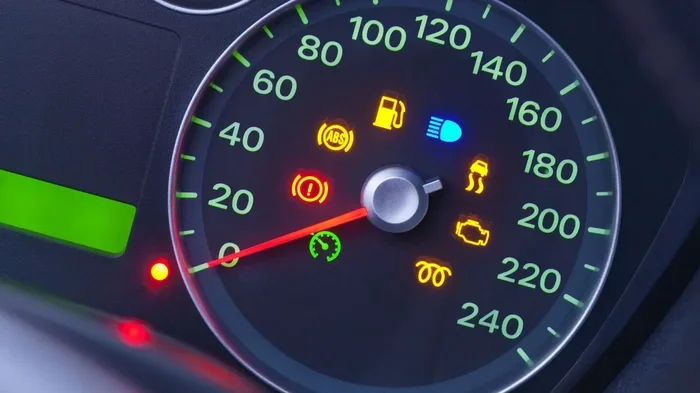
That little yellow or orange engine-shaped icon on your dashboard can make your stomach drop. You are driving along, minding your own business, and suddenly the engine management light pops on. Your first thought might be, “Is my car about to break down?” The good news is that the engine management light does not always mean disaster. In most cases, it is your car trying to tell you something fixable. This guide walks you through everything you need to know about getting rid of that annoying check engine light for good.
We will cover what the engine management light actually means, the top reasons it comes on, how to read diagnostic trouble codes, and when you should head to a repair shop. Whether you are a total beginner or a DIY enthusiast, you will find practical steps you can use right away. Let us dive in and take the mystery out of that dashboard warning.
Key Takeaways
- Loose gas caps and minor sensor issues are the most common reasons the engine management light turns on and are often easy to fix.
- An OBD-II scanner is the best tool to read diagnostic trouble codes and pinpoint the exact problem.
- Never ignore a flashing engine light, as it can signal serious damage that gets worse fast.
- Resetting the light without fixing the root cause will just bring it back.
- Basic maintenance habits like checking your gas cap and keeping up with oil changes can prevent most engine light triggers.
📑 Table of Contents
What Is the Engine Management Light?
The engine management light is part of your car’s onboard diagnostics system. It is also called the check engine light, the malfunction indicator lamp, or simply the MIL. This light connects to your car’s computer, which monitors dozens of sensors and systems every second you drive.
When the computer detects something outside normal range, it stores a diagnostic trouble code and triggers the light. Think of it as your car’s early warning system. It does not always mean a major repair. Sometimes it is as simple as a loose gas cap.
How the System Works
Your car’s engine control unit, or ECU, acts like a brain. It collects data from sensors monitoring fuel mix, oxygen levels, engine temperature, and more. If any reading falls outside acceptable limits, the ECU logs a code and turns on the engine warning light. The light can show up as “Check Engine,” an engine icon, or the words “Service Engine Soon,” depending on your vehicle.
Common Reasons the Engine Management Light Comes On
Understanding why the engine management light triggered is the first step toward fixing it. Here are the most common causes that trip the check engine light.
Loose or Faulty Gas Cap
This is the number one reason people see the engine management light pop on. A loose gas cap lets fuel vapors escape, which messes with your car’s emission system. The oxygen sensor detects the leak and flags it. Before you panic, try tightening your gas cap. If it was loose, the light often goes away after a few drive cycles.
Oxygen Sensor Problems
The oxygen sensor measures how much unburned oxygen is in your exhaust. A failing sensor can lower fuel economy and increase emissions. If your engine management light comes with rough idling or poor gas mileage, a bad oxygen sensor is a likely culprit.
Catalytic Converter Issues
The catalytic converter reduces harmful emissions. Over time, it can clog or fail, especially if you ignore smaller problems like misfires or bad fuel. A damaged converter is more expensive to fix, which is why catching the engine light flashing early matters so much.
Engine Misfires
An engine misfire happens when one or more cylinders fail to fire correctly. You might feel a rough idle, vibration, or loss of power. Misfires can damage your catalytic converter if you ignore them. This is one reason why a flashing engine light needs immediate attention.
Faulty Spark Plugs or Ignition Coils
Worn spark plugs or failing ignition coils can cause misfires and trigger the check engine light. These are inexpensive parts and easy to replace. Regular car maintenance keeps them in good shape and prevents surprise light appearances.
Mass Airflow Sensor Failure
The mass airflow sensor tells the ECU how much air enters the engine. A dirty or failed sensor leads to poor fuel economy, stalling, or rough running. Cleaning or replacing this sensor often clears the engine management light.
How to Diagnose the Problem
Once the engine management light is on, you need to find out why. You have a few options, ranging from DIY to professional help.
Use an OBD-II Scanner
An OBD scanner is the best tool for reading engine trouble codes. You plug it into the diagnostic port under your steering column. The scanner pulls up the codes stored by your ECU. Each code points to a specific problem area. You can buy a basic OBD-II scanner for under $30 at most auto parts stores. Some even connect to your phone via Bluetooth.
Once you have the code, you can look it up online or in your vehicle manual. Common codes include P0420 for catalytic converter issues and P0300 for random misfires. This step saves you from guessing and helps you decide whether it is a DIY fix or a trip to the repair shop.
Visit AutoZone or a Parts Store
Many auto parts stores offer free code reading. You can drive in, hook up their scanner, and get your codes on the spot. If you are wondering whether AutoZone can check your engine light, the answer is yes in most locations. They will read the codes for free but usually do not provide repairs.
See a Professional Mechanic
If you do not feel comfortable reading codes yourself, a mechanic can do a full car diagnostic. They have advanced tools that give deeper insights into your vehicle’s engine performance. A professional can also run tests on sensors, the emission system, and electrical connections to pinpoint the exact issue.
How to Reset the Engine Management Light
After you fix the underlying problem, the next step is resetting the engine management light. Here are the most common methods.
Method 1: Drive It Off
In many cases, simply fixing the problem lets the light reset on its own after a few drive cycles. The ECU monitors whether the issue stays resolved. If everything looks normal over several trips, the light turns off automatically. This is the easiest and safest method.
Method 2: Disconnect the Battery
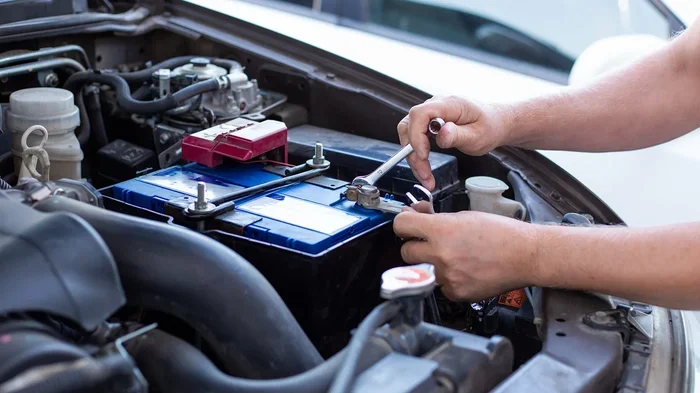
You can disconnect the negative battery terminal for about 15 minutes. This clears the ECU memory and resets the check engine light. However, this method also erases other settings like your radio presets and clock. Use this as a last resort if the light will not go away on its own.
Method 3: Use the OBD-II Scanner
Most OBD-II scanners have a reset function. Once you clear the codes and confirm the fix worked, you can use the scanner to turn off the engine warning light. This is the cleanest method because it lets you verify that no codes remain stored in the system.
Method 4: Turn the Ignition On and Off
Some drivers report success with a simple key cycle. Turn the ignition to the “on” position without starting the engine. Wait a few seconds, then turn it off. Repeat this three or four times. This can sometimes reset the engine management light, though it does not work on every vehicle.
When You Should NOT Ignore the Engine Management Light
Not all engine management light situations are the same. Some are harmless, while others demand immediate action.
Flashing vs. Steady Light
A steady engine light usually means a non-emergency issue like a loose gas cap or minor sensor fault. A flashing engine light, on the other hand, signals a serious problem. Flashing lights often indicate engine misfires that can damage your catalytic converter. If your light is flashing, pull over safely and get your vehicle towed to a repair shop.
Other Warning Signs to Watch For
Pay attention if the engine management light appears alongside other symptoms. These include:
- Loss of power or rough acceleration
- Unusual noises like knocking or popping
- Smoke or strange smells from the exhaust
- Dashboard warning lights for oil pressure or temperature
- Difficulty starting the engine
If you notice any of these, do not keep driving. Pull over and seek help. Ignoring these signs can turn a small repair into a major one.
Can You Still Drive With the Light On?
Many drivers wonder whether they can keep driving when the engine management light is on. In most cases, a steady light means you can drive carefully to a nearby shop. But if you are unsure or the light is flashing, it is better to be safe. You can check whether you can still drive your car if it says engine malfunction for more specific guidance.
Preventing the Engine Management Light From Coming Back
Once you have cleared the engine management light, you want to keep it off. Prevention starts with simple car maintenance habits.
Regular Maintenance Checks
Keep up with your vehicle’s recommended service schedule. Regular oil changes, spark plug replacements, and air filter swaps go a long way in keeping your engine performance healthy. Preventive care catches small issues before they trigger the check engine light.
Check Your Gas Cap
After every fill-up, give your gas cap a firm twist until it clicks. This simple habit prevents vapor leaks and keeps your emission system working properly.
Use Quality Fuel and Parts
Cheap fuel can contain contaminants that mess with your sensors. Stick to reputable gas stations. Similarly, use OEM or high-quality replacement parts when fixing issues. Poor parts can cause the engine management light to return.
Monitor Your Dashboard
Get in the habit of scanning your dashboard warning lights every time you start the car. Catching a new light early makes fixes easier and cheaper. If you ever wonder whether a certain warning is safe to ignore, a quick check can save you from bigger headaches.
Expert Insights
Seasoned mechanics agree that the engine management light is one of the most misunderstood dashboard indicators. Many drivers ignore it for months, hoping it goes away on its own. While that sometimes happens with minor issues, delaying a real problem almost always makes it worse and more expensive.
Experts also stress that not every engine light flashing means your car is about to fail. Modern vehicles are complex, and the ECU monitors many systems. A single sensor glitch can trigger the light without affecting how the car drives. Still, it is always better to get it checked. A quick car diagnostic at a parts store or mechanic costs little or nothing and gives you peace of mind.
One final tip from the pros: keep a record of any engine trouble codes you have cleared. This history helps you and your mechanic spot patterns over time. It can also save you money by avoiding repeat diagnostic fees.
Conclusion
The engine management light does not have to be scary. Most of the time, it points to a fixable issue like a loose gas cap, a worn spark plug, or a sensor that needs replacing. By using an OBD scanner to read the codes, you can take control of the situation and save money on repairs. If the light is flashing or you notice other warning signs, do not delay. Head to a trusted repair shop or mechanic as soon as possible. Staying on top of your car maintenance and addressing problems early keeps your vehicle running smoothly and your engine management light off for good.
Now that you know how to handle the check engine light, you are better prepared the next time it appears. Trust your instincts, use the right tools, and do not be afraid to ask for help when you need it. Your car will thank you for it.
Frequently Asked Questions
What does it mean when the engine management light comes on?
The engine management light means your car’s computer has detected a problem with the engine or emission system. It stores a diagnostic trouble code that you can read with an OBD-II scanner. Common causes include a loose gas cap, faulty sensors, or engine misfires.
Can I drive my car with the engine management light on?
In most cases, a steady engine management light means you can drive carefully to a repair shop. However, if the light is flashing, it signals a serious issue like an engine misfire that can damage your catalytic converter. Pull over and get help if the light flashes.
How much does it cost to fix the engine management light?
The cost depends entirely on the cause. A loose gas cap fix costs nothing. Replacing an oxygen sensor might run $100 to $200. A catalytic converter repair can be $500 or more. A quick diagnostic at a parts store or mechanic helps you know the exact cost before committing to repairs.
Will the engine management light reset itself?
Yes, in many cases the engine management light resets itself after you fix the problem and complete a few drive cycles. The ECU monitors the system and turns the light off once readings return to normal. You can also reset it manually with an OBD-II scanner or by disconnecting the battery.
How do I read engine trouble codes at home?
Buy an OBD-II scanner from an auto parts store or online. Plug it into the diagnostic port under your steering column. The scanner displays codes that correspond to specific problems. You can look up each code online to understand what it means and decide on the next step.
What is the difference between a steady and flashing engine light?
A steady engine light usually indicates a minor issue that needs attention but is not an emergency. A flashing engine light signals a more serious problem, often an engine misfire that can cause catalytic converter damage. If your light is flashing, avoid driving and get your vehicle inspected immediately.