How Do I Know If My Engine Air Filter Is Bad Today
A bad engine air filter can hurt your car’s performance, fuel economy, and engine life. You can spot warning signs like reduced acceleration, dark sooty filters, and unusual exhaust smoke. Knowing how to check and replace your engine air filter is one of the easiest maintenance tasks every car owner should master.
Your engine needs clean air to run right. Just like you struggle to breathe through a dirty mask, your engine struggles when the air filter gets clogged. Knowing how to spot a bad engine air filter early can save you money, keep your car running smooth, and prevent expensive repairs down the road.
Many car owners overlook this simple part until it causes real problems. The good news is that checking your engine air filter takes just a few minutes. You do not need to be a mechanic to do it. In this guide, we walk you through every sign, symptom, and step you need to know.
Whether you have been noticing weird noises, lower gas mileage, or just want to stay ahead of maintenance, this article covers it all. Let us dive into the details and help you keep your engine healthy.
Key Takeaways
- Visual inspection: A dirty, gray, or clogged air filter is a clear sign it needs replacing.
- Performance drops: Reduced acceleration, rough idling, and poor fuel economy point to a bad filter.
- Check engine light: A dirty air filter can trigger your dashboard warning light in some vehicles.
- Simple DIY check: You can inspect your engine air filter in minutes with no tools.
- Regular replacement matters: Changing your filter on schedule prevents costly engine damage over time.
- Know when to call a pro: Some symptoms overlap with bigger engine problems, so expert diagnosis helps.
📑 Table of Contents
What Does a Bad Engine Air Filter Look Like?
The Visual Signs Are Hard to Miss
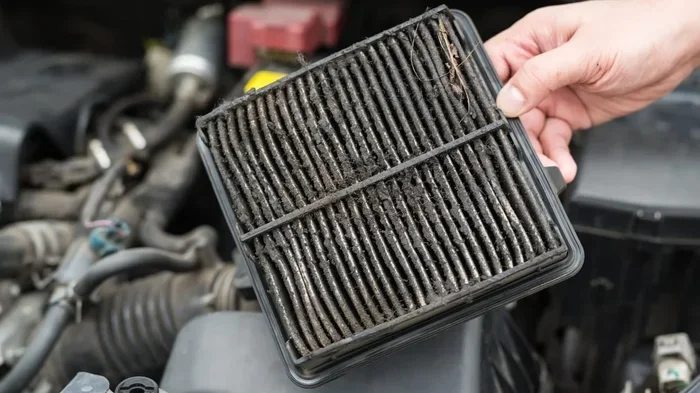
A healthy engine air filter looks white or light gray. When it goes bad, the color changes dramatically. You will notice dark brown or black grime buildup on the filter material. This happens because the filter has been trapping dust, dirt, pollen, and debris for too long.
Hold the filter up to a light source. If you cannot see light passing through it, that is a strong sign the filter is clogged. A clean filter lets light pass through easily. If it looks like a dirty sponge, it is time for a replacement.
Here are the visual red flags to watch for:
- Dark gray or black color across the entire filter surface
- Visible dirt and debris stuck in the filter fibers
- Oil residue on the filter, which can signal other engine problems
- Torn or damaged filter material that lets unfiltered air bypass the filter
- Excessive dust buildup around the air filter housing
These signs tell you that the filter has done its job well but has reached its limit. At that point, it can no longer clean air properly. A dirty air filter stops protecting your engine and starts hurting it instead.
Common Symptoms of a Bad Engine Air Filter
Reduced Engine Power and Acceleration
One of the most noticeable symptoms of a clogged air filter is sluggish acceleration. When the filter is blocked, your engine gets less air than it needs. Air and fuel must mix in the right ratio for your engine to produce power. Without enough air, the mixture becomes too rich, and your engine feels weak.
You might notice this when merging onto highways or climbing hills. The car feels slow to respond. Some drivers describe it as a heavy feeling when pressing the gas pedal. If your vehicle struggles to pick up speed, a bad air filter could be the culprit.
Poor Fuel Economy
A clogged engine air filter forces your engine to work harder. It burns more fuel to compensate for the lack of clean air. Over time, you will notice you are visiting the gas station more often. Even a partially blocked filter can reduce fuel efficiency by a noticeable amount.
Keep track of your miles per gallon. If your numbers drop without any change in driving habits, check your air filter. This is one of those engine air filter symptoms that sneaks up on you gradually. You might not notice it day to day, but comparing your fuel logs over weeks or months reveals the trend.
Rough Idle and Engine Misfires
Your engine needs a precise balance of air and fuel to idle smoothly. When the air filter is dirty, that balance gets thrown off. You may feel the engine shaking or vibrating when stopped at a red light. In some cases, the engine may stall or hesitate.
Rough idling is often overlooked as a minor issue. But it is actually an important warning sign. Ignoring it can lead to bigger problems like engine misfires or damage to the catalytic converter. A simple air filter replacement often fixes this issue quickly and cheaply.
Unusual Exhaust Smoke or Smell
Black or dark exhaust smoke can signal that your engine is burning too much fuel due to a rich air-fuel mixture. A clogged air filter limits the oxygen entering the engine. The engine compensates by dumping more fuel into the mix, which creates dark smoke from the exhaust pipe.
You might also notice a strange smell coming from the exhaust. Some drivers describe it as a fuel-heavy or acrid odor. This is not normal and should be checked right away. While exhaust smoke can have many causes, a clogged air filter is one of the easiest to fix.
Check Engine Light Turning On
Modern vehicles have sensors that monitor air intake and engine performance. When the air filter becomes severely restricted, these sensors can detect the problem. In some cases, the check engine light will turn on as a result.
Of course, a check engine light can mean many things. It is not always the air filter. But if you have not changed your filter recently, it is worth checking first. A quick visual inspection can save you a trip to the mechanic for something simple and inexpensive.
Strong Smell of Gas When Starting the Car
If you notice a strong fuel smell when you turn the key, your engine may be running too rich. A blocked air filter prevents enough oxygen from reaching the combustion chamber. The engine responds by adding more fuel, which can create that noticeable gasoline odor.
This symptom should never be ignored. A rich fuel mixture can damage your spark plugs and other engine components over time. Checking the air filter is a quick first step before the problem gets worse.
How to Check Your Engine Air Filter
Locating the Air Filter Housing
Finding your engine air filter is easier than most people think. Open the hood of your car and look for a rectangular or round box near the top of the engine. This is the air filter housing. It usually has a large intake hose connected to it. In most vehicles, the housing is secured with a clip or wing nut.
If you are unsure where yours is located, consult your owner’s manual. It will show you exactly where the air filter location is in your specific vehicle. The manual also tells you what type of filter you need.
Step-by-Step Inspection Process
Follow these simple steps to check your engine air filter:
- Turn off the engine and let it cool for a few minutes.
- Open the hood and locate the air filter housing.
- Release the clip or unfasten the wing nut holding the housing lid.
- Remove the air filter carefully and inspect it in good lighting.
- Hold the filter up to a light source and check for light passing through.
- Tap the filter gently to shake off loose dirt and debris.
- Look for oil residue or heavy blackening on the filter surface.
- Reinstall or replace the filter and secure the housing lid.
If the filter passes the light test and looks mostly clean, you can reuse it for a while. But if it is dark and dense, replace it right away. Some drivers prefer to change their car air filter themselves as a simple weekend project. It is one of the easiest DIY maintenance tasks you can do.
Alternatively, you can always visit a quick-lube shop. Many places like Jiffy Lube offer air filter inspection and replacement services. You can also ask them about cabin air filter replacement while you are there, since both filters play important roles in your vehicle’s air quality and performance.
What Happens When You Ignore a Bad Air Filter?
Engine Damage Over Time
A bad air filter lets dirt and debris enter your engine. These particles can scratch cylinder walls and damage internal components. Over time, this wear adds up and leads to expensive repairs. A clean air filter is your engine’s first line of defense against contamination.
Reduced Engine Lifespan
Engines that run with dirty air filters for extended periods tend to wear out faster. The lack of proper airflow causes the engine to work harder than it should. This extra strain reduces the overall engine lifespan. Replacing your filter regularly is a small cost that protects a much larger investment.
Failed Emissions Test
A clogged air filter can cause your vehicle to fail an emissions test. The rich air-fuel mixture produces more harmful exhaust gases. If you are required to pass emissions testing in your area, a clean air filter is an easy way to stay compliant.
Warranty Concerns
Some vehicle warranties require regular maintenance, including air filter replacement. Skipping this simple task could potentially void your warranty if the engine damage is linked to a neglected filter. Always check your warranty terms and keep records of your air filter maintenance.
How Often Should You Replace Your Engine Air Filter?
Manufacturer Recommendations
Most manufacturers recommend replacing your engine air filter every 12,000 to 15,000 miles. However, this can vary based on your driving conditions. If you drive in dusty areas, on dirt roads, or in heavy traffic, you may need to replace it more often.
Here is a quick comparison of replacement intervals based on driving conditions:
| Driving Condition | Recommended Replacement Interval |
|---|---|
| Normal highway driving | Every 15,000 to 30,000 miles |
| City driving in dusty areas | Every 12,000 to 15,000 miles |
| Off-road or gravel roads | Every 6,000 to 10,000 miles |
| Heavy stop-and-go traffic | Every 15,000 miles |
These are general guidelines. Always refer to your vehicle’s owner manual for the specific recommendation. When in doubt, inspect your filter more frequently. It costs nothing to check and can prevent a lot of trouble.
Can You Clean an Air Filter Instead of Replacing It?
Some people wonder if they can simply clean their air filter and reuse it. For disposable paper filters, the answer is no. Cleaning them can damage the filter material and reduce its effectiveness. However, some reusable oiled air filters are designed to be cleaned and re-oiled.
If you have a reusable filter, you can wash it with a special cleaning solution and let it dry completely before reinstalling. Just be sure to follow the manufacturer’s instructions carefully. For most standard vehicles, replacing the air filter is the safest and most effective choice.
When to Seek Professional Help
Symptoms That Go Beyond a Dirty Filter
Sometimes the symptoms of a bad air filter overlap with more serious engine problems. If you replace your air filter and still experience rough idling, poor acceleration, or a check engine light, it is time to see a professional. These issues could point to problems with your fuel injectors, oxygen sensors, or other engine components.
A trusted mechanic can run diagnostic tests to pinpoint the exact cause. They can also inspect your air intake system for any leaks or damage that might be affecting performance. Do not hesitate to seek help if simple fixes do not resolve the problem.
Regular Maintenance Keeps Everything Running Smooth
The best way to avoid engine air filter problems is to stay on top of regular maintenance. Schedule routine inspections with your mechanic or do it yourself at home. Keeping up with your vehicle maintenance schedule ensures that small issues are caught before they become big expenses.
Many quick-lube shops offer free air filter inspections with an oil change. This is a great way to stay on top of your filter health without any extra cost. Some drivers even set a reminder on their phone every 10,000 miles to check their filter. A little prevention goes a long way.
Remember that your engine air filter is a small part with a big job. Taking care of it protects your engine, saves you money on fuel, and keeps your car running at its best. Make it a habit to check your filter regularly, and you will enjoy a smoother, more efficient driving experience for years to come.
Whether you decide to handle the replacement yourself or visit a service center, the important thing is that you do not ignore the signs. A few minutes of attention today can prevent hundreds or even thousands of dollars in engine repairs tomorrow. Stay proactive, stay informed, and keep your engine breathing clean air.
Frequently Asked Questions
How much does an engine air filter replacement cost?
The cost of replacing an engine air filter typically ranges from $15 to $50 for the part itself. If you visit a mechanic or quick-lube shop, you may pay an additional $20 to $40 for labor. However, many drivers save money by replacing the filter themselves at home. The process is quick and requires no special tools, making it one of the most affordable maintenance tasks you can do.
Can a bad air filter cause my car to stall?
Yes, a severely clogged air filter can cause your car to stall or hesitate. When the engine does not get enough air, the air-fuel mixture becomes too rich. This imbalance can cause the engine to sputter, stall at idle, or struggle to restart. If your car stalls unexpectedly, checking the air filter is one of the first steps you should take before investigating more complex issues.
What is the difference between an engine air filter and a cabin air filter?
The engine air filter cleans the air that enters the engine for combustion. The cabin air filter cleans the air that enters the interior of your car through the ventilation system. Both filters are important but serve different purposes. You can learn more about cabin air filter services and whether places like Jiffy Lube handle them by checking their service offerings.
How long does an engine air filter last?
Most engine air filters last between 12,000 and 30,000 miles depending on driving conditions. Drivers in dusty or rural areas may need to replace their filters more frequently. City drivers on clean highways can often go longer between replacements. Check your owner’s manual for the specific recommendation for your vehicle and adjust based on your driving environment.
Can I drive my car with a bad air filter?
You can drive short distances with a bad air filter, but it is not recommended. A severely clogged filter reduces engine performance, fuel economy, and can cause long-term damage. Over time, driving with a dirty filter may lead to more serious and expensive repairs. If you suspect your filter is bad, inspect and replace it as soon as possible to protect your engine.
Does a bad air filter affect the check engine light?
Yes, in some vehicles a very dirty air filter can trigger the check engine light. Restricted airflow affects the air-fuel ratio, and sensors may detect the imbalance. However, a check engine light can also indicate many other problems. If the light comes on, check the air filter first as a simple troubleshooting step before assuming something more serious is wrong.
=== CONCLUSION ===
Knowing how to tell if your engine air filter is bad is a fundamental skill for every car owner. The signs are clear once you know what to look for. From visual discoloration to reduced acceleration and poor fuel economy, your vehicle tells you when something is wrong. The key is to pay attention and act quickly.
A clean engine air filter is one of the simplest and most cost-effective ways to protect your car. It improves performance, boosts fuel economy, and extends the life of your engine. Make it a regular part of your maintenance routine and your car will thank you for years to come.
Do not wait until a small problem becomes a big repair. Check your air filter today. It takes just a few minutes and could save you hundreds of dollars in future repairs. Your engine works hard for you every day. Give it the clean air it deserves.