Why Is the Check Engine Light On in My 2013 Toyota Corolla
The check engine light on a 2013 Toyota Corolla is a warning that something needs attention. It could be as simple as a loose gas cap or as serious as a failing catalytic converter. This guide walks you through the most common reasons the light appears, how to diagnose the problem yourself, and when to see a mechanic. You’ll learn what each symptom means and how to get your Corolla back on the road safely.
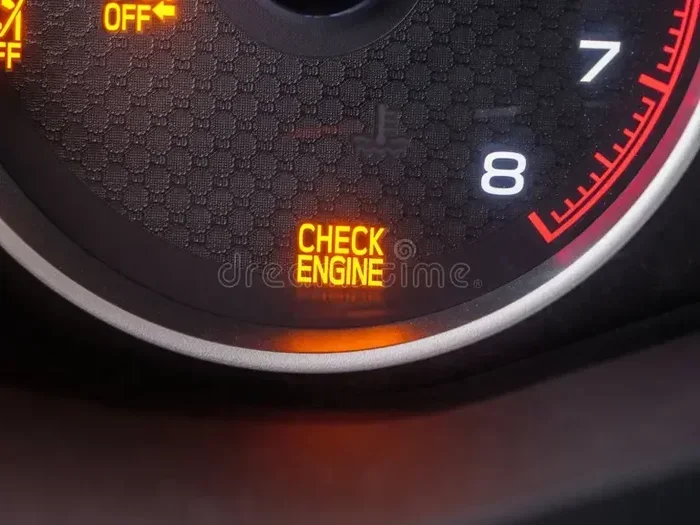
You’re driving your 2013 Toyota Corolla and suddenly a yellow engine-shaped icon lights up on your dashboard. It’s a moment that can make anyone’s stomach drop. But before you panic, take a deep breath. The check engine light is your car’s way of telling you that something is off. It’s not always a sign of disaster, but it does mean you should pay attention.
The 2013 Corolla is a reliable car, but like any vehicle, it has its quirks. The check engine light can come on for dozens of reasons, from a loose fuel cap to a faulty oxygen sensor. Understanding what triggers that light is the first step toward fixing it.
In this article, we’ll break down the most common causes, show you how to diagnose the problem, and tell you when it’s safe to keep driving and when you need to pull over. By the end, you’ll know exactly what to do when that little engine icon appears.
Key Takeaways
- Loose or faulty gas cap: The most common and easiest fix for a 2013 Corolla check engine light.
- Oxygen sensor failure: A frequent cause that affects fuel economy and emissions.
- Spark plug or ignition coil issues: Can cause misfires that trigger the light and damage the catalytic converter.
- Use an OBD-II scanner: Reading the code is the fastest way to know what’s wrong.
- Don’t ignore a flashing light: A flashing check engine light means stop driving immediately to avoid costly repairs.
- Reset the light only after fixing the problem: Clearing the code without repair will just bring the light back.
📑 Table of Contents
- What the Check Engine Light Actually Means
- Common Causes of the Check Engine Light in a 2013 Toyota Corolla
- How to Diagnose the Problem Yourself
- Can You Still Drive with the Check Engine Light On?
- How to Reset the Check Engine Light
- When to See a Mechanic
- Common Mistakes When Dealing with the Check Engine Light
- Expert Insight: Preventing Future Check Engine Light Issues
- Conclusion
What the Check Engine Light Actually Means
The check engine light is part of your Corolla’s onboard diagnostics system, known as OBD-II. This system monitors dozens of sensors and components in real time. When something falls outside the expected range, the computer stores a diagnostic trouble code (DTC) and illuminates the light.
The light can look different depending on the issue. A steady yellow or amber light usually means a non-emergency problem. A flashing red light is much more serious and often indicates a misfire that could damage the catalytic converter.
How the OBD-II System Works
Your 2013 Corolla’s OBD-II system constantly checks emissions-related components. It monitors the fuel mixture, ignition timing, oxygen levels, and evaporative emissions. If a sensor reading is out of range for a set period, the system triggers the check engine light and logs a code. You can read these codes with an OBD-II scanner, which is a small device that plugs into a port under your steering column.
Why the 2013 Model Is Prone to Certain Issues
The 2013 Corolla is known for a few common problems that tend to trigger the check engine light. These include aging spark plugs, worn ignition coils, and EVAP system leaks. The good news is that most of these issues are well-documented and easy to fix once you know what to look for.
Common Causes of the Check Engine Light in a 2013 Toyota Corolla
When the check engine light comes on, the cause can range from trivial to serious. Here are the most common culprits for the 2013 Corolla, along with how severe each one is.
| Cause | Common Symptom | Severity | Typical Fix Cost |
|---|---|---|---|
| Loose or faulty gas cap | Light comes on after refueling | Low | $0–$20 |
| Failing oxygen sensor | Reduced fuel economy, rough idle | Medium | $200–$400 |
| Worn spark plugs or coils | Engine misfire, jerking acceleration | Medium to High | $150–$400 |
| Clogged catalytic converter | Sluggish performance, sulfur smell | High | $500–$1,500 |
| Bad mass airflow sensor | Stalling, poor acceleration | Medium | $200–$350 |
| EVAP system leak | Light on, no drivability issues | Low to Medium | $100–$300 |
Loose or Faulty Gas Cap
This is the number one reason the check engine light appears on a 2013 Corolla. The gas cap seals the fuel system and keeps vapors from escaping. If it’s loose, cracked, or missing, the evaporative emissions system detects a leak and triggers the light. The fix is simple: tighten the cap until it clicks. If the light doesn’t turn off after a few driving cycles, you may need to replace the cap. A new gas cap costs just a few dollars.
Failing Oxygen Sensor
The oxygen sensor measures how much oxygen is in your exhaust. It helps the engine control unit adjust the fuel mixture. When the sensor fails, the engine may run rich or lean, hurting fuel economy and increasing emissions. A bad oxygen sensor is a common cause of the check engine light on higher-mileage Corollas. Replacing the sensor is straightforward, but ignoring it can lead to bigger problems over time.
Worn Spark Plugs or Ignition Coils
Spark plugs ignite the air-fuel mixture in each cylinder. Over time, they wear out and can cause a misfire. The misfire often triggers the check engine light and can be felt as a rough idle or a hesitation when you press the accelerator. In the 2013 Corolla, ignition coils can also fail, especially if the spark plugs are old. Replacing both at the same time is a smart move. A clogged engine air filter can starve the engine of air and make misfires worse. Find out if your air filter is the culprit in our guide on How Do I Know If My Engine Air Filter Is Bad.
Clogged Catalytic Converter
The catalytic converter cleans exhaust gases before they leave the tailpipe. Over time, it can become clogged with carbon buildup, especially if misfires or rich fuel mixtures have gone untreated. A clogged converter causes the check engine light to stay on and can lead to poor performance and higher fuel consumption. This repair is expensive, which is why it’s important to address smaller issues like spark plugs or oxygen sensors early.
Bad Mass Airflow Sensor
The mass airflow (MAF) sensor tells the computer how much air is entering the engine. A dirty or failing MAF sensor sends incorrect data, causing the engine to run poorly. You might notice stalling, rough idling, or a lack of power. Cleaning the sensor with a special cleaner can sometimes fix the problem. If not, replacing it is usually affordable. This is another reason the check engine light might illuminate on your 2013 Corolla.
EVAP System Leak
The evaporative emissions (EVAP) system prevents fuel vapors from escaping into the atmosphere. A small leak in a hose, valve, or the charcoal canister can trigger the check engine light. Often, there are no drivability symptoms. The most common cause of an EVAP leak is a loose gas cap, but cracked hoses or a faulty purge valve can also be to blame. Using a smoke machine, a mechanic can pinpoint the exact leak.
How to Diagnose the Problem Yourself
You don’t have to run to the dealer the moment the check engine light comes on. With a few simple steps, you can often identify the problem at home.
Step 1: Check the Gas Cap
Start with the simplest fix. Pull over safely and tighten the gas cap until it clicks three times. Drive for a few days and see if the light turns off. If it does, the problem was a loose cap. If the light stays on, move to the next step.
Step 2: Use an OBD-II Scanner
An OBD-II scanner is a small device that plugs into the diagnostic port under your steering column. Once connected, it reads the stored trouble codes. You can buy a basic scanner for under $30, or many auto parts stores will read the codes for free. The code will give you a clue about what’s wrong. For example, a code starting with P0300 means a random misfire, while P0420 points to a catalytic converter efficiency problem.
Once you’ve fixed the issue, you may want to clear the stored code. You can learn how to do that safely in our article on How Can I Clear A Check Engine Code.
Quick Tip
Quick Tip: Keep a portable OBD-II scanner in your glove box. It can save you hundreds of dollars in diagnostic fees and give you peace of mind on the road. Write down the code and look it up online before visiting a shop.
Can You Still Drive with the Check Engine Light On?
The answer depends on the severity of the issue. A steady check engine light usually means you can drive a short distance, but you should get the car inspected soon. A flashing light is a different story. It typically signals an active misfire that can overheat the catalytic converter and lead to expensive damage.
When It’s Safe to Keep Driving
If the light is steady and your car is running normally, you can likely drive to a nearby repair shop. Just avoid heavy acceleration and highway speeds. Monitor your temperature gauge and watch for any new warning lights. If the car feels fine, a few miles of driving won’t cause harm.
When to Stop Immediately
Stop driving right away if the check engine light is flashing, if you notice a significant loss of power, or if the temperature gauge climbs into the red. Overheating can destroy an engine quickly. If your car is overheating, the check engine light may come on as a secondary warning. Learn the signs at Is My Car Overheating. A weak battery can also cause voltage irregularities that trigger the light. Check your battery health with our guide on How Do I Check My Car Battery.
How to Reset the Check Engine Light
Once you’ve fixed the underlying problem, you’ll want to clear the check engine light so it stops bothering you. There are a few ways to do this, but the most important rule is to never reset the light without fixing the root cause.
Method 1: Using an OBD-II Scanner
Plug the scanner into the diagnostic port and select the option to clear codes. The light should turn off immediately. Drive the car for a few days to see if the code returns. If it does, the problem isn’t fully solved.
Method 2: Disconnecting the Battery
You can disconnect the negative battery terminal for about 15 minutes to reset the system. This method works but also erases your radio presets and clock settings. Some newer Toyotas may require a specific reset procedure, so using a scanner is often easier.
Method 3: Professional Reset
A mechanic or dealership can clear the codes with a professional-grade tool. This is a good option if you don’t own a scanner or if the light keeps returning. Always ask the mechanic to explain the code and the repair they performed.
When to See a Mechanic
While some causes of the check engine light are simple, others require professional diagnosis. Knowing when to seek help can save you time and money.
Red Flags That Mean a Visit Is Urgent
- The light is flashing, especially while driving.
- You notice a strong smell of fuel or rotten eggs.
- Your engine is overheating or losing power.
- The car stalls or won’t start after the light comes on.
Cost Considerations
Diagnostic fees at a shop typically range from $80 to $150. Some stores will read the code for free but won’t provide repair advice. If you already know the code from your scanner, you can ask the mechanic to quote just the repair. This saves time and helps you avoid unnecessary work. Using the wrong fuel can also trigger the light. If you’re wondering if premium gas is okay for your Corolla, see our article on Can I Put Premium Gas In My Toyota Corolla.
Common Mistakes When Dealing with the Check Engine Light
Many car owners make avoidable mistakes when the check engine light appears. Avoiding these can save you from bigger headaches.
Mistake 1: Ignoring the Light
The biggest mistake is simply ignoring the light and hoping it goes away. A small problem like a loose gas cap can become a costly repair if left unchecked. Even if the car seems to run fine, the underlying issue could be hurting your fuel economy or emissions.
Mistake 2: Replacing Parts Without Diagnosis
It’s tempting to buy parts based on a guess. For example, replacing an oxygen sensor when the real problem is a vacuum leak will waste money. Always read the code first and understand what it means. A proper diagnosis saves you from buying the wrong part.
Mistake 3: Using Low-Quality Fuel
Cheap or contaminated fuel can cause the check engine light to come on. If you’ve just filled up and the light appears, consider whether the fuel might be the issue. Using the wrong octane level can also cause problems. If you’re curious about fuel options for your Corolla, check out our guide on Can I Use 87 Octane Gas In My Toyota.
Expert Insight: Preventing Future Check Engine Light Issues
Expert Insight: Regular maintenance is the best way to keep the check engine light off. Stick to the manufacturer’s service schedule for spark plugs, air filters, and fluid changes. A 2013 Corolla that gets timely oil changes and uses quality fuel will run smoothly for years. I also recommend keeping a basic OBD-II scanner at home. It takes the mystery out of that little yellow light and helps you stay ahead of problems before they become expensive repairs.
Conclusion
The check engine light on your 2013 Toyota Corolla is a tool, not a reason to panic. By understanding the common causes and following a calm, step-by-step diagnostic process, you can handle most situations with confidence. Start with the simplest fixes like the gas cap, use an OBD-II scanner to read the code, and know when to seek professional help. Taking quick action protects your wallet and keeps your Corolla running reliably for miles to come.
Frequently Asked Questions
Can I drive my 2013 Toyota Corolla with the check engine light on?
It depends on whether the light is steady or flashing. A steady light usually means you can drive carefully to a repair shop. A flashing light indicates a serious problem like an engine misfire and you should stop driving immediately to avoid damaging the catalytic converter.
How much does it cost to fix the check engine light on a 2013 Toyota Corolla?
The cost varies widely based on the cause. A loose gas cap costs nothing to fix, while a new oxygen sensor might run $200 to $400. A catalytic converter replacement can exceed $1,000. Always get a proper diagnosis before agreeing to expensive repairs.
Will the check engine light reset itself?
Sometimes the light will turn off on its own if the problem was temporary, like a loose gas cap. However, if the underlying issue remains, the light will return. You can use an OBD-II scanner to clear the code after the repair is complete.
What is the most common reason for the check engine light on a 2013 Corolla?
The most common cause is a loose or faulty gas cap. Other frequent culprits include a failing oxygen sensor, worn spark plugs, and EVAP system leaks. These are all well-known issues for this model year.
Can I use an OBD-II scanner on my 2013 Toyota Corolla?
Yes, all 2013 Toyota Corollas come with a standard OBD-II port located under the steering column. You can plug in a handheld scanner or a Bluetooth adapter that pairs with your smartphone to read and clear diagnostic codes.
Is it safe to clear the check engine code without fixing the problem?
No, clearing the code without repairing the issue will only cause the light to return. The onboard computer will detect the same problem again and trigger the check engine light once more. Always fix the root cause first.