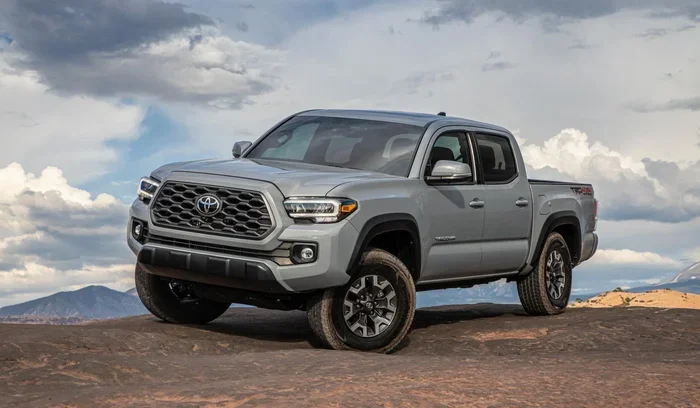
How Do I Increase My Toyota Tacomas Horsepower Fast
Want to increase Toyota Tacoma horsepower fast? This guide covers the best upgrades, from cold air intake and performance exhaust to ECU tuning and throttle body improvements. You will learn exactly how to unlock more power and torque without breaking the bank.
Want to boost your Toyota Tacoma’s performance? You are not alone. Many Tacoma owners want more Toyota Tacoma horsepower without spending a fortune. Whether you drive a 4-cylinder or a V6, there are simple ways to unlock extra power. This guide walks you through every option, from easy bolt-ons to advanced tuning. You will learn what works, what does not, and how to avoid costly mistakes.
The Tacoma is a tough truck. It can haul, tow, and handle rough roads. But sometimes it feels like it could do more. Maybe you want quicker acceleration. Or maybe you want more torque when climbing hills. Whatever your goal, you can achieve it with the right upgrades. The key is to know which parts make a real difference. I will show you the most effective ways to increase Toyota Tacoma horsepower today.
Before you buy anything, understand your truck. Know what engine you have. A 2005 Tacoma 4-cylinder is different from a 2020 Tacoma V6. Each engine has its own potential. I will cover both. I will also explain how to measure gains. You do not need a dyno to feel the difference. A simple highway test will do. By the end of this article, you will have a clear plan. You will know exactly how to make your Tacoma faster and stronger.
Key Takeaways
- Cold air intake: A simple bolt-on that boosts airflow and adds noticeable Toyota Tacoma horsepower.
- Performance exhaust: Upgrading your exhaust system reduces backpressure and improves engine breathing.
- ECU tuning: Remapping your engine control unit can unlock extra power and better fuel efficiency.
- Air filter maintenance: A clean air filter ensures your engine gets the air it needs for maximum performance.
- Fuel quality: Using the right octane fuel prevents knocking and lets your engine run at its best.
- Regular maintenance: Fresh spark plugs and proper timing keep your Tacoma running strong.
📑 Table of Contents
Understanding Your Toyota Tacoma’s Engine
To boost Toyota Tacoma horsepower, you must first understand your engine. The Tacoma has two main engine types over the years. The 2.4-liter 4-cylinder and the 3.4-liter V6. Newer models use a 3.5-liter V6. Each engine responds differently to modifications. Knowing your engine helps you choose the right parts. It also prevents costly errors.
Stock Horsepower Specs
Older 4-cylinder Tacomas made around 150 to 160 horsepower. The V6 versions produced about 245 horsepower. The newer 3.5-liter V6 can make over 270 horsepower. These are stock numbers. With upgrades, you can go higher. Even a 10 percent increase feels amazing on the road. Many owners report gains of 15 to 30 horsepower with basic mods. The key is to match the part to your engine type.
4-Cylinder vs V6: Which Is Better for Mods?
The 4-cylinder is simpler. It has fewer parts. Upgrades cost less. But the V6 has more room for power. A V6 can handle bigger exhaust systems and larger intakes. If you want serious gains, the V6 is the way to go. The 4-cylinder can still see big improvements with a cold air intake and exhaust. Both engines can benefit from ECU tuning. The 4-cylinder is great for daily driving. The V6 shines when towing or hauling heavy loads. Choose based on your needs.
Always check your owner’s manual. Know your engine’s limits. Forcing too much air or fuel can cause damage. Start with small upgrades. Then move to bigger ones. This keeps your engine safe. It also helps you understand how each part affects performance. Small gains add up over time. You will notice the difference in acceleration and towing.
Easy Bolt-On Upgrades to Boost Toyota Tacoma Horsepower
Bolt-on parts are the easiest way to add power. You do not need a mechanic for most of these. You can install them in your garage with basic tools. Here are the best options that deliver real Toyota Tacoma horsepower gains.
Cold Air Intake
A cold air intake is the first upgrade many owners choose. It brings cooler, denser air into the engine. Cooler air has more oxygen. More oxygen means better combustion. This directly increases Toyota Tacoma horsepower. Most cold air intakes add 5 to 15 horsepower. They also improve throttle response. Your truck will feel more eager to accelerate.
Installation is simple. You usually just remove the stock airbox and swap in the new intake. Some kits require minor trimming. Watch a few videos if you are unsure. The sound changes too. Many people love the aggressive growl of a cold air intake. It makes your Tacoma sound as fast as it feels. Brands like K&N and AEM are popular choices. They offer washable filters that last for years.
Performance Exhaust System
The stock exhaust is designed to be quiet. That comes at a cost. It creates backpressure. Backpressure slows down your engine. A performance exhaust frees up those gases. Your engine can breathe easier. This is one of the best ways to increase Toyota Tacoma horsepower. A cat-back exhaust system is the most common upgrade. It replaces the pipes after the catalytic converter.
You can choose from single exhaust or dual exhaust. Dual exhaust looks great and sounds mean. A high-flow catalytic converter also helps. It reduces restrictions while staying legal. Expect a 5 to 10 horsepower gain. The torque curve often improves too. You will feel more pulling power at lower RPMs. Borla and Magnaflow are trusted brands. They offer a lifetime warranty on many systems.
Throttle Body Upgrade
The throttle body controls how much air enters the engine. A larger throttle body allows more air. This is especially helpful on V6 Tacomas. A bigger throttle body can add 5 to 10 horsepower. It also smooths out airflow at high RPMs. This upgrade works best when combined with an intake and exhaust.
Make sure you get the right size. Too large a throttle body can cause drivability issues. The engine may idle rough. A performance shop can help you match the part. They can also tune the ECU to suit the new throttle body. This ensures a smooth and safe power increase. Do not skip the tuning step.
Air Filter Replacement and Maintenance
A dirty air filter chokes your engine. It restricts airflow and reduces power. Many owners forget to check their air filter. A clean filter is essential for maximum performance. If you are unsure about your filter, you can check if your engine air filter is bad by looking for dirt and debris. Replacing it is cheap and easy. A new paper air filter can restore lost horsepower.
Some people use reusable cotton gauze filters. They can be washed and reused. These filters can slightly improve airflow over paper. However, they require regular cleaning. A paper filter is often better for daily driving. It offers the best balance of airflow and filtration. Keep your air filter clean. It is one of the simplest ways to protect your engine. Dirty filters also reduce fuel economy. A clean filter helps your engine sip fuel instead of guzzling it.
Comparison Table: Popular Tacoma Upgrades
| Upgrade | Avg. Horsepower Gain | Difficulty | Cost Range |
|---|---|---|---|
| Cold Air Intake | 5-15 HP | Easy | $150 – $350 |
| Cat-Back Exhaust | 5-10 HP | Easy | $300 – $900 |
| Throttle Body Upgrade | 5-10 HP | Medium | $200 – $500 |
| ECU Tune | 10-25 HP | Professional | $300 – $800 |
| Performance Chip | 10-20 HP | Easy | $150 – $400 |
| Intake Manifold Upgrade | 15-30 HP | Hard | $500 – $1500 |
This table gives you a quick overview. Actual gains vary based on your engine and existing mods. Always buy from reputable brands. Cheap parts can cost you more in the long run.
Advanced Performance Modifications for Serious Gains
If bolt-ons are not enough, you can go deeper. These modifications require more knowledge and investment. They offer bigger Toyota Tacoma horsepower gains. Be ready to spend more money. But the results are worth it for serious truck enthusiasts.
ECU Tuning and Engine Tune
Your engine control unit (ECU) manages fuel and spark. The stock tune is conservative. It limits power to protect the engine. A custom ECU tune changes those settings. It optimizes ignition timing and fuel delivery. This is one of the most effective ways to increase Toyota Tacoma horsepower. A good tune can add 10 to 25 horsepower. It can also improve fuel economy.
You need a professional for ECU tuning. They plug into your OBD-II port and upload a new map. The tune is specific to your modifications. If you have a cold air intake and exhaust, the tune must account for them. Aftermarket parts change airflow. The ECU must adjust the air-fuel ratio. A proper tune ensures your engine runs safely. It also prevents knocking and hesitation.
Sometimes aftermarket parts trigger a warning light. You can clear a check engine code if a sensor is just temporarily confused. But a good tune should prevent those lights. If you see a warning, do not ignore it. Fix the issue before it causes damage. A check engine light can mean many things. A loose gas cap can trigger it. A failing oxygen sensor can trigger it too. Always diagnose the root cause first.
Performance Chip and Programmer
An aftermarket performance chip plugs into your ECU. It alters the factory settings. Some chips simply change the fuel map. Others adjust shift points and boost pressure. A performance chip is easier to install than a full ECU tune. You just plug it into the diagnostic port. It gives you more control over your truck’s behavior.
Performance chips vary in quality. Cheap chips can cause engine damage. They may lean out the fuel mixture too much. Always buy from a reputable brand. Look for chips that are specific to the Tacoma. A quality chip can add 10 to 20 horsepower. It can also improve throttle response and towing performance. Combine it with other mods for the best results. Many chips come with adjustable settings. You can fine-tune the performance on the fly.
Intake Manifold and Head Upgrades
The intake manifold delivers air to each cylinder. A performance manifold improves airflow. This is a more advanced modification. It requires removing the intake manifold. You replace it with an aftermarket unit. These manifolds have larger runners and better ports. They allow the engine to inhale more air at high RPMs.
Head upgrades are even more involved. You might port and polish the cylinder heads. This removes casting flaws that restrict airflow. It is a job for a machine shop. The gains can be significant. But the cost is high. These mods are for builders who want maximum Toyota Tacoma horsepower. They are not for casual daily drivers. If you are building a serious Tacoma, consider these upgrades. They transform the engine into a true performance machine.
Fuel and Maintenance Tips to Maximize Toyota Tacoma Horsepower
Upgrades mean nothing without proper fuel and maintenance. Your engine needs clean fuel and air to make power. Simple habits can protect your gains and add Toyota Tacoma horsepower. Here are the most important tips.
Octane and Fuel Quality
You might wonder if you can use 87 octane gas in your Toyota. The answer depends on your engine. The Tacoma manual recommends 87 octane for most models. Higher octane fuel is not always better. It only helps if your engine has a high compression ratio or a turbo. For most Tacomas, 87 is perfect. Using premium fuel will not add horsepower. It may even cause carbon buildup. Stick to the recommended octane. It saves money and keeps your engine healthy.
Always use fresh fuel. Old gas can cause running problems. It loses octane over time. If your Tacoma sits for weeks, use a fuel stabilizer. Fill up at reputable stations. Top-tier gasoline has better detergents. It keeps your injectors clean. Clean injectors deliver fuel more precisely. This small detail can improve throttle response and power. Dirty injectors cause rough idling and poor acceleration. A fuel system cleaner can help. Use it every 10,000 miles.
Spark Plugs and Ignition System
Spark plugs ignite the air-fuel mixture. Old plugs cause misfires. A misfire wastes fuel and reduces power. Replacing spark plugs is an easy maintenance task. Use the correct heat range for your engine. Iridium or platinum plugs last longer. They also provide a stronger spark. A strong spark burns fuel more completely. This increases Toyota Tacoma horsepower and torque.
Check your ignition coils too. A failing coil can cause rough running. It may not set a check engine light right away. Replace coils in pairs if one fails. A healthy ignition system ensures every cylinder fires properly. This is the foundation of a powerful engine. Do not overlook these small but vital parts. A full tune-up can make an old Tacoma feel new again.
Regular Maintenance for Peak Performance
Keep your Tacoma in top shape. Regular oil changes are essential. Clean oil reduces friction. Less friction means more power reaches the wheels. Use the oil weight recommended in your manual. 5W-30 or 5W-20 are common for Tacomas. Always change the oil filter too. A clogged filter restricts oil flow.
Check your belts and hoses. A slipping belt can rob power. Inspect the serpentine belt for cracks. Replace it if it looks worn. Keep your cooling system in good shape. Overheating causes power loss. Flush the coolant every few years. A well-maintained engine runs stronger and lasts longer. These habits protect your Toyota Tacoma horsepower investment. They also prevent expensive repairs down the road.
Quick Tips and Common Mistakes
Quick Tips for More Power
- Start with a cold air intake and exhaust. These give the best bang for your buck.
- Always get a custom ECU tune after bolt-ons. A generic tune can cause problems.
- Keep your air filter clean. Check it every oil change.
- Use top-tier fuel and replace spark plugs on schedule.
- Monitor your engine temperature. Overheating kills power.
- Drive gently until the engine is warm. This protects the internals.
- Consider a turbo-back exhaust if you have a turbo model.
- Upgrade your mass airflow sensor for better air measurement.
Common Mistakes to Avoid
- Skipping the ECU tune after installing intake or exhaust. This causes a lean condition and can damage the engine.
- Buying the cheapest parts. Low-quality filters and exhausts can restrict flow or fall apart.
- Ignoring warning lights. A check engine light means something is wrong. Address it immediately.
- Over-boosting a turbo (if you have one). Too much boost leads to engine failure.
- Neglecting regular maintenance. New parts need a clean engine to work properly.
- Installing parts without researching fitment. Some intakes do not fit certain model years.
Avoid these mistakes and your Tacoma will reward you with reliable power. You will enjoy every mile. The truck will feel more responsive and fun to drive.
Conclusion
Increasing Toyota Tacoma horsepower is a rewarding journey. You can start with simple bolt-ons like a cold air intake and performance exhaust. Add an ECU tune to unlock the full potential. Keep up with maintenance and use quality fuel. These steps will give you noticeable gains in power and torque. Your Tacoma will feel faster, stronger, and more responsive.
Remember, every truck is different. Your results depend on your engine, your current mods, and your driving habits. Start small. Test your gains. Then move to the next upgrade. The process is fun and educational. You learn how your truck works. You become a better owner. Enjoy the extra horsepower and the satisfaction of building your truck.
Now you have the knowledge to make your Tacoma faster. Pick one upgrade and get started. Your Toyota Tacoma horsepower journey begins today. Drive safe and have fun. The road ahead is full of power and possibility.
Frequently Asked Questions
How much horsepower can I gain from a cold air intake on my Tacoma?
Most owners see a gain of 5 to 15 horsepower. The exact number depends on your engine type and the quality of the intake. A cold air intake also improves throttle response and fuel economy. It is one of the easiest and most affordable upgrades you can make.
Is ECU tuning safe for my Toyota Tacoma?
Yes, when done by a professional. A custom tune adjusts fuel and spark for your specific mods. It prevents engine damage and knocking. Always choose a tuner experienced with Tacomas. A bad tune can cause serious problems, so do your research.
Do I need a performance chip if I already have an ECU tune?
Usually not. An ECU tune provides more precise control than a chip. A chip is easier to install but offers less customization. Many owners choose one or the other. If you already have a tune, a chip may not add much extra.
Can I use premium gas to get more horsepower?
For most Tacomas, premium gas will not increase horsepower. The stock engine is designed for 87 octane. Using higher octane only helps if you have a high-compression or turbocharged engine. Stick to the manual’s recommendation to save money.
How often should I replace my spark plugs for best performance?
Iridium spark plugs typically last 100,000 miles. Platinum plugs last about 60,000 miles. Copper plugs need replacement every 30,000 miles. Check your owner’s manual for the exact interval. Fresh plugs ensure a strong spark and complete combustion.
Will a performance exhaust make my Tacoma louder?
Yes, a performance exhaust will change the sound. It usually adds a deeper, more aggressive tone. Some systems are louder than others. If you want more power without excessive noise, choose a cat-back system with mufflers designed for sound control. You can still gain horsepower while keeping the noise reasonable.