Will Low Oil Cause a Check Engine Light to Turn On Now
Yes, low oil can absolutely trigger your check engine light. When your engine oil drops below the safe level, the oil pressure sensor detects the change and sends a warning to your car’s computer. This activates the engine light on your dashboard, letting you know that your engine needs attention right away before serious damage occurs.
You are driving down the road, and suddenly a yellow or red light pops up on your dashboard. Your heart drops. What does it mean? One of the most common reasons for this warning is low engine oil. But does low oil actually cause a check engine light to turn on? The short answer is yes. But the full story is a bit more detailed, and understanding it can save you from a costly repair bill.
Your car’s engine has many moving parts that spin, slide, and grind against each other every single second you drive. Engine oil acts as a lubricant. It reduces friction, cools the engine, and keeps everything running smoothly. When the oil level drops too low, the engine starts to suffer. And your car’s smart computer system notices almost immediately.
In this article, we will walk through exactly how low oil triggers the check engine light, what symptoms to watch for, and what you should do when the light comes on. Whether you are a new car owner or have been driving for years, this guide will help you understand your vehicle maintenance needs and keep your engine healthy.
Key Takeaways
- Low oil activates the check engine light: The oil pressure sensor in your engine detects low levels and triggers the dashboard warning.
- Driving with low oil risks engine damage: Without proper lubrication, metal parts grind together and can cause costly repairs.
- Check your oil level first: Use the dipstick to confirm low oil before assuming other problems.
- Other issues can also trigger the light: A faulty sensor, loose oil cap, or different engine problem may also cause the warning.
- Regular oil changes prevent the issue: Staying on top of your oil maintenance schedule keeps your engine running smoothly.
- Act quickly when the light comes on: Ignoring the warning can lead to engine failure and expensive repairs.
- Auto parts stores can help diagnose the issue: Stores like Autozone can read the error codes for free.
📑 Table of Contents
- How Low Oil Triggers the Check Engine Light
- Common Symptoms of Low Oil in Your Engine
- Can Low Oil Cause Serious Engine Damage?
- What To Do When the Check Engine Light Comes On
- Preventing Low Oil and Dashboard Warnings
- Comparison: Low Oil vs. Other Check Engine Light Causes
- Expert Insight: Why Low Oil Is the Silent Engine Killer
- Common Mistakes Drivers Make With Low Oil
- Key Takeaways
- Conclusion
How Low Oil Triggers the Check Engine Light
Your car is full of sensors. These tiny devices monitor everything from tire pressure to engine temperature. One of the most important sensors is the oil pressure sensor, also called the oil pressure switch. This sensor sits inside or near the engine block and constantly checks the oil pressure.
When your oil level drops, the pressure falls too. The sensor picks up on this change and sends a signal to your car’s engine control unit, or ECU. The ECU is basically your car’s brain. When it receives the low oil pressure signal, it turns on the check engine light. This is your car’s way of telling you something is wrong.
What the Oil Level Sensor Does
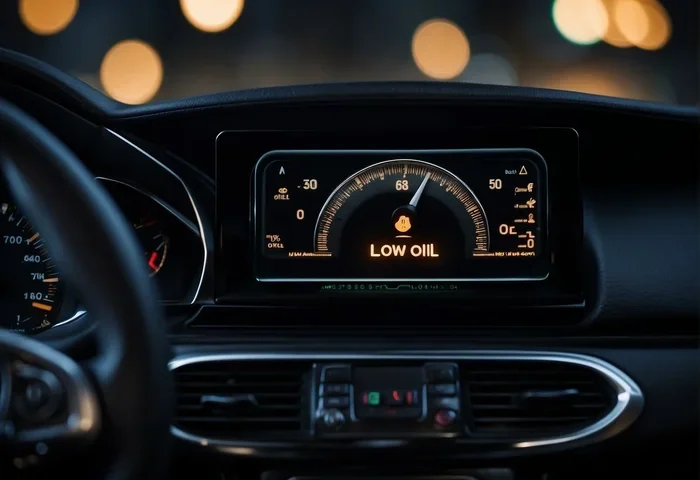
Many modern cars also have a separate oil level sensor. This sensor checks the actual amount of oil in the oil pan, not just the pressure. If the oil level drops below a safe point, this sensor may trigger a separate warning. Some cars show a specific oil can symbol on the dashboard. Others simply turn on the general engine warning light.
The difference matters. An oil pressure warning usually means your oil is dangerously low or the oil pump is failing. An oil level warning means you simply need to add more oil. Either way, you should take action quickly.
Why the Oil Cap Matters
Here is a simple thing that many drivers overlook. A loose or damaged oil cap can cause oil to leak slowly over time. It can also let debris and dirt enter the engine. In some cases, a loose oil cap triggers the check engine light all on its own. Always make sure your oil cap is tightened properly after checking or adding oil.
Also, if you recently had an oil change, a loose cap or a poorly seated oil filter could be the culprit. Double-check these simple things before assuming the worst.
Common Symptoms of Low Oil in Your Engine
The check engine light is not the only sign that your oil is low. Your car gives you several warning signals. Knowing these signs can help you catch the problem early, before it turns into a serious issue.
1. Dashboard Warning Lights
The most obvious sign is the dashboard warning light. On most cars, you will see an oil can symbol or the word OIL. On newer vehicles, the check engine light may illuminate instead. If you see any of these lights, do not ignore them.
If you are curious about what other warnings your car might display, you can read more about does low engine oil show on the dashboard to understand the full range of dashboard indicators.
2. Unusual Engine Noises
Engine oil keeps metal parts from grinding against each other. When the oil level drops, those parts start to make contact. You may hear knocking, ticking, or rumbling sounds coming from the engine bay. These noises mean the engine is running dry in some areas. This is a serious warning sign.
3. Reduced Engine Performance
Low oil affects how well your engine runs. You might notice your car feels sluggish or less responsive. The engine may struggle to accelerate. In some cases, the car may idle roughly or stall. These performance drops happen because the engine parts are not getting the lubrication they need to work efficiently.
4. Burning Oil Smell
If you smell something burning while driving, pull over safely. A burning oil smell often means oil is leaking onto hot engine parts. This is dangerous and can lead to smoke or even a fire in extreme cases. Check your oil level right away and look for any visible leaks underneath your car.
5. Overheating Engine
Oil helps regulate engine temperature. When the oil level is low, the engine can overheat. If you notice the temperature gauge climbing, stop driving and let the engine cool down. To learn more about how low oil leads to overheating, check out this guide on can low oil cause overheating. Understanding this connection is key to protecting your engine.
Can Low Oil Cause Serious Engine Damage?
The short answer is yes. Driving with low oil is one of the fastest ways to destroy an engine. Let us break down what happens inside your engine when the oil level drops too low.
The Role of Oil in Engine Protection
Engine oil does more than just lubricate. It also cleans the engine by carrying away dirt and debris. It helps cool the engine by absorbing heat. It seals gaps between moving parts to keep combustion pressure high. And it prevents rust and corrosion inside the engine.
When the oil level drops, all of these functions suffer. The engine starts to heat up, dirt builds up, and metal parts begin to wear down rapidly.
What Happens When Metal Grinds Metal
Without enough oil, the metal surfaces inside your engine rub together. This creates friction and heat. Over time, the surfaces wear down, scratch, and even weld together. This is called engine seizure. A seized engine means the car stops running completely and the repair cost is often higher than the car’s value.
Low oil can also cause the oil pump to fail. The oil pump needs a certain level of oil to operate correctly. If the pump fails, no oil circulates through the engine at all. This leads to catastrophic engine failure very quickly.
If you are worried about overheating caused by low oil, you can read about can a car overheat with low oil to understand the full risks and how to prevent them.
How Long Can You Drive on Low Oil?
Honestly, you should not drive at all on low oil. But if you must get to a safe location or the nearest auto shop, keep the distance as short as possible. Even a few miles of driving on critically low oil can cause permanent damage. The longer you drive, the worse the damage gets.
Every situation is different. The damage depends on how low the oil is, how fast you are driving, and how hot the engine gets. But the rule of thumb is simple: if the oil light comes on, stop driving and address the issue immediately.
What To Do When the Check Engine Light Comes On
So your check engine light is on. What should you do next? Follow these steps to protect your engine and your wallet.
Step 1: Pull Over Safely
If the light is red or flashing, pull over right away. A flashing check engine light usually means a serious problem. A steady yellow light means the issue needs attention soon but may not be an emergency. Either way, do not ignore it.
Step 2: Check the Oil Level
Find a safe, flat surface and park the car. Turn off the engine and wait a few minutes for the oil to settle. Then pull out the oil dipstick. Wipe it clean, reinsert it fully, and pull it out again. Look at the oil level marks on the dipstick. If the oil is below the minimum mark, you have found the problem.
Step 3: Add Oil If Needed
If your oil is low, add the type of oil recommended by your car manufacturer. You can find this information in your owner’s manual. Add oil slowly and check the level frequently. Do not overfill. Too much oil can cause just as many problems as too little.
Step 4: Visit a Mechanic or Auto Parts Store
Even if adding oil fixes the immediate problem, it is a good idea to have a professional check for leaks or underlying issues. Many auto parts stores, including Autozone, offer free diagnostic scanning. They can read the error codes stored in your car’s computer and tell you exactly what triggered the light. To learn more about this option, check out can Autozone check engine light.
Step 5: Do Not Ignore the Light
This cannot be stressed enough. Ignoring the check engine light is one of the biggest mistakes drivers make. A small problem today can become a huge repair bill tomorrow. Always take the light seriously and address it promptly.
Preventing Low Oil and Dashboard Warnings
The best way to deal with a check engine light caused by low oil is to prevent it from happening in the first place. Regular maintenance and good driving habits go a long way.
Stick to a Regular Oil Change Schedule
Every car needs fresh oil at regular intervals. Most manufacturers recommend changing the oil every 5,000 to 7,500 miles for modern vehicles. Older cars may need changes more frequently. Check your owner’s manual and follow the recommended oil change schedule. Skipping oil changes is one of the leading causes of low oil and engine problems.
To understand the risks of skipping oil changes, you can read about can skipping oil changes cause overheating and see how this simple maintenance task affects your entire engine.
Check Your Oil Level Monthly
Get into the habit of checking your oil level once a month. It only takes a few minutes and can catch small problems before they become big ones. Keep the car on a flat surface and always check the oil when the engine is cool or has been off for a few minutes.
Watch for Oil Leaks
Look underneath your car for any oil spots or puddles. If you notice oil drips or stains where you park, have a mechanic inspect the car. Oil leaks can develop from worn gaskets, loose oil pans, or damaged seals. Catching a leak early saves you from running low on oil unexpectedly.
Use the Right Oil
Not all engine oils are the same. Using the wrong type of oil can cause poor lubrication, increased engine wear, and even trigger the check engine light. Always use the oil weight and type recommended by your car manufacturer. When in doubt, ask a trusted mechanic for advice.
Keep an Eye on the Oil Pressure Gauge
If your car has a manual oil pressure gauge on the dashboard, pay attention to it. Normal oil pressure usually reads between 25 and 65 PSI, depending on the vehicle. If the pressure drops below the normal range, it is a sign that something is wrong. Address it before the check engine light comes on.
Comparison: Low Oil vs. Other Check Engine Light Causes
The check engine light can come on for many reasons. Low oil is just one of them. Understanding the difference helps you figure out what is going on with your car.
| Cause | Light Type | Urgency | Common Symptoms |
|---|---|---|---|
| Low Engine Oil | Oil can symbol or check engine light | High | Engine noise, poor performance, overheating |
| Loose or Faulty Gas Cap | Check engine light | Low | No obvious symptoms |
| Catalytic Converter Issue | Check engine light | Medium | Reduced fuel economy, rotten egg smell |
| Oxygen Sensor Failure | Check engine light | Medium | Poor fuel economy, rough idle |
| Spark Plug or Wire Issue | Check engine light | Medium | Misfires, rough running, hesitation |
| Mass Airflow Sensor Problem | Check engine light | Medium | Poor acceleration, stalling |
As you can see, low oil stands out as one of the more urgent causes. While a loose gas cap might not seem like a big deal, low oil directly threatens the health of your engine. Always prioritize checking your oil level when the check engine light comes on.
Expert Insight: Why Low Oil Is the Silent Engine Killer
Many drivers think of the check engine light as a minor annoyance. But experienced mechanics will tell you that low oil is one of the most dangerous things you can ignore. The term silent engine killer is used because low oil often does not cause dramatic symptoms right away. The damage builds slowly and quietly until it is too late.
Professional mechanics recommend checking your oil level every time you fill up with gas. This simple habit takes less than two minutes and can add years to your engine’s life. It is one of the easiest and most cost-effective engine maintenance practices you can follow.
Also, keep in mind that some cars burn oil more than others. If you own a high-mileage vehicle, you may need to add oil between changes. This is normal for many older cars. Just make sure you are using the correct oil type and that you are not losing oil faster than normal, which could indicate a leak.
Quick Tips for Low Oil Emergencies
- Keep a quart of the right oil in your trunk for emergencies.
- Set a reminder on your phone for your next oil change date.
- Never drive more than a few miles with the oil light on.
- Always let the engine cool for a few minutes before checking the oil.
- Keep your oil cap tight and replace it if the rubber seal looks worn.
- Ask your mechanic to check for oil leaks during every oil change.
Common Mistakes Drivers Make With Low Oil
Even experienced drivers sometimes make mistakes when it comes to oil maintenance. Here are a few common ones to avoid.
Mistake 1: Waiting for the light to come on. By the time the check engine light illuminates, your oil may already be dangerously low. Do not wait for the warning. Check your oil regularly.
Mistake 2: Using the wrong oil type. Every engine is designed for a specific oil weight and formulation. Using the wrong oil can reduce lubrication and trigger the check engine light. Always follow your manufacturer’s recommendation.
Mistake 3: Overfilling the oil. Adding too much oil is just as bad as adding too little. Excess oil can cause foaming, reduced lubrication, and even damage to the engine. Add oil in small amounts and check the level frequently.
Mistake 4: Ignoring oil leaks. A small drip today can become a serious problem tomorrow. If you notice any oil spots under your car, get it checked out. Catching a leak early saves you time, money, and stress.
Mistake 5: Assuming the light will fix itself. The check engine light does not turn off on its own once the problem is fixed in many cases. You may need to have the codes cleared by a mechanic or by using a diagnostic tool. Do not assume the problem is solved just because the light goes off.
Key Takeaways
- Low oil directly triggers the check engine light through the oil pressure sensor and oil level sensor in your engine.
- Driving with low oil risks severe engine damage, including seized pistons, damaged bearings, and a failed oil pump.
- Check your oil level regularly using the dipstick, and add oil as needed with the correct type.
- A loose oil cap can also trigger the light, so always make sure it is tightened properly.
- Regular oil changes are your best defense against low oil and the check engine light.
- Auto parts stores can read your error codes for free and help you understand what triggered the warning.
- Never ignore the check engine light. Acting quickly saves your engine and prevents expensive repairs.
Conclusion
The answer to the question will low oil cause a check engine light is a clear and definitive yes. Low oil reduces pressure, triggers sensors, and activates the dashboard warning that tells you something is wrong. Ignoring this warning can lead to devastating engine damage that costs thousands of dollars to repair.
But the good news is that preventing low oil is simple. Check your oil regularly, stick to a consistent oil change schedule, and never ignore the warning lights on your dashboard. These small habits add up to a long, healthy life for your engine.
Your car relies on clean, properly leveled oil to run at its best. Treat it well, and it will treat you well in return. The next time you see that check engine light, do not panic. Pull over safely, check your oil, and take the right steps to get back on the road with confidence.
Remember, a few minutes of attention today can save you from a major engine repair tomorrow. Stay proactive, stay informed, and keep your engine running strong.
Frequently Asked Questions
Can low oil cause a check engine light to flash?
Yes, in serious cases, low oil can cause the check engine light to flash. A flashing light usually indicates a more urgent problem. If the light is flashing, pull over safely and check your oil level immediately. Driving with a flashing check engine light can lead to severe engine damage.
How do I know if the check engine light is caused by low oil?
The easiest way is to check your oil dipstick. If the oil level is below the minimum mark, low oil is likely the cause. You can also visit an auto parts store like Autozone to have them read the error codes. The codes will tell you whether the issue is related to oil pressure or oil level.
What happens if I drive with the oil check engine light on?
Driving with the oil light on is very risky. Without enough oil, your engine parts will grind against each other, causing wear and tear. In a short time, this can lead to engine seizure or catastrophic failure. Stop driving as soon as it is safe and address the issue.
Can a bad oil pressure sensor cause the check engine light to come on?
Yes, a faulty oil pressure sensor can trigger the check engine light even if your oil level is fine. Sensors can fail or give inaccurate readings over time. If you have checked your oil and it is at the proper level, have a mechanic test the sensor to rule out a faulty reading.
How often should I check my engine oil level?
Most experts recommend checking your oil level once a month and before any long trips. It only takes a few minutes and can prevent serious engine problems. Make it a habit to check the oil regularly, just like you check your tire pressure.
Will the check engine light go off after I add oil?
In many cases, yes. Once you add oil and the pressure returns to normal, the light may turn off after a few driving cycles. However, some cars require a mechanic to clear the error codes. If the light stays on after adding oil, have the vehicle scanned for codes to find the real cause.