Can Low Oil Cause Overheating and Serious Engine Damage
Yes, low oil can absolutely cause your engine to overheat. When oil levels drop, friction increases, heat builds up, and critical engine components can suffer permanent damage. Understanding the connection between oil and engine temperature is essential for every car owner who wants to avoid costly repairs.
Can low oil cause overheating? The short answer is a firm yes. But the full story goes much deeper than most car owners realize. When your engine oil drops below the recommended level, a chain reaction begins. Friction increases. Heat builds. And before long, your engine temperature climbs to dangerous levels.
Many people think overheating only happens when the radiator fails or the coolant runs low. That is true, but oil plays an equally critical role in keeping your engine at a safe operating temperature. Oil does more than lubricate. It also helps carry heat away from vital components. When there is not enough oil, those components heat up fast.
In this article, we will explore exactly how low oil causes overheating. We will look at the warning signs you should never ignore. We will also cover what happens when you keep driving with insufficient oil. By the end, you will know how to protect your engine and avoid expensive repairs.
Key Takeaways
- Low oil reduces lubrication: Without enough oil, metal parts grind together, creating excessive heat inside the engine.
- Overheating can destroy your engine: Continued driving on low oil can warp parts, blow head gaskets, and even seize the engine.
- Warning signs are easy to spot: Dashboard lights, strange noises, and steam from the hood all signal trouble.
- Regular oil changes prevent problems: Staying on top of maintenance keeps your engine cool and running smoothly.
- Act fast if you notice symptoms: Pull over immediately if your engine overheats to avoid irreversible damage.
- Oil type matters: Using the wrong viscosity or degraded oil reduces cooling efficiency.
- Prevention costs less than repair: Simple habits like checking oil levels weekly save thousands in engine repairs.
📑 Table of Contents
- How Engine Oil Keeps Your Engine Cool
- Can Low Oil Cause Overheating? The Science Behind It
- Warning Signs of Low Oil and Overheating
- What Happens When You Drive With Low Oil
- Common Causes of Low Oil Levels
- How to Prevent Overheating Caused by Low Oil
- Quick Tips for Oil Maintenance
- Overheating Repair Cost: What to Expect
- Expert Insights on Oil and Engine Temperature
- Common Mistakes Drivers Make With Oil
- Frequently Asked Questions
- Conclusion
How Engine Oil Keeps Your Engine Cool
Most drivers think of oil as something that just reduces friction. And that is its primary job. But oil also plays a major role in engine cooling. Understanding this connection helps explain why low oil leads to overheating so quickly.
The Cooling Role of Motor Oil
Your engine has two main cooling systems. The first is the coolant system, which uses water and antifreeze. The second is the oil system, which uses motor oil to absorb and carry away heat. Together, these systems keep your engine running within a safe temperature range.
Oil circulates through tiny passages inside the engine block. As it flows, it picks up heat from components like the pistons, crankshaft, and camshaft. Then it carries that heat back to the oil pan, where it cools down before cycling again.
When oil levels drop, this heat transfer process breaks down. Hot spots develop inside the engine. Those hot spots can reach temperatures high enough to warp metal parts. Over time, the damage becomes permanent.
Oil Viscosity and Heat Management
Not all oil is the same. Oil viscosity refers to how thick or thin your oil is at different temperatures. Thicker oil resists heat better in some engines. Thinner oil flows more easily in cold weather. Using the wrong viscosity can reduce your oil’s ability to manage heat effectively.
Over time, oil also breaks down. Heat and contaminants cause oil degradation, which makes it thinner and less effective. Old, degraded oil cannot carry heat away the way fresh oil can. This means even if your oil level looks fine, old oil can still contribute to overheating problems.
Always use the oil type recommended by your vehicle manufacturer. Check your owner’s manual for the correct oil viscosity grade. And never skip oil changes, even if your mileage is low.
Can Low Oil Cause Overheating? The Science Behind It
Now let us get to the core question. Can low oil cause overheating? The answer lies in how your engine works and what happens when lubrication fails.
Increased Friction Equals More Heat
Engine oil creates a thin film between metal parts. This film prevents metal from grinding against metal. When oil levels drop, that film gets thinner or disappears entirely. Metal begins to rub against metal. This creates enormous amounts of friction.
Friction generates heat. A lot of it. Inside an engine, temperatures can already reach 200 to 250 degrees Fahrenheit during normal operation. With increased friction from low oil, temperatures can spike well beyond safe limits.
Here is a simple way to think about it. Imagine sliding your hand across a smooth table. Now imagine sliding it across sandpaper. The sandpaper creates more friction and more heat. The same principle applies inside your engine. Less oil means more sandpaper, more friction, and more heat.
Oil Pump Failure and Low Oil Pressure
Your engine relies on an oil pump to circulate oil through the system. When oil levels are too low, the pump can suck in air instead of oil. This causes low oil pressure, which means oil is not reaching all the places it needs to go.
Low oil pressure is a double threat. First, parts that need lubrication go dry. Second, the oil that does circulate is not doing its cooling job properly. Both problems contribute directly to overheating.
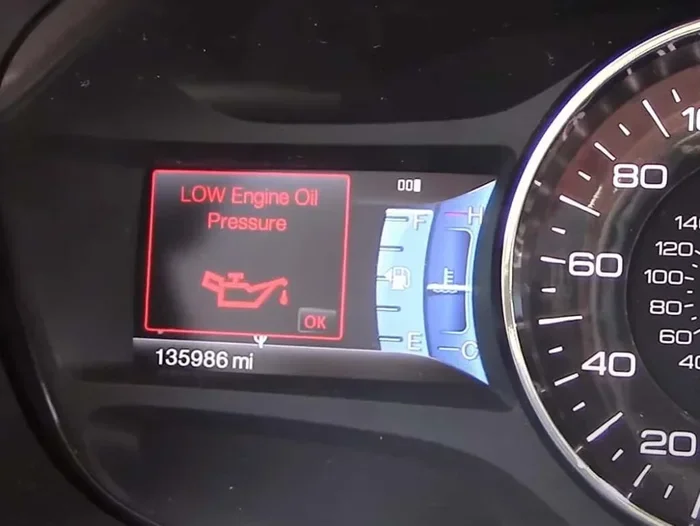
Many modern vehicles have an oil pressure warning light on the dashboard. If this light comes on, pull over safely and turn off the engine immediately. Driving with low oil pressure for even a few minutes can cause severe damage.
The Oil Capacity Factor
Every engine has a specific oil capacity. This is the total amount of oil the engine needs to operate correctly. If you are even a quart low, you are already operating below the optimal level.
Some drivers make the mistake of adding a little oil and thinking that is enough. But if you are consistently low, you likely have a leak or an oil burning issue. Simply topping off without finding the root cause is a temporary fix at best.
Warning Signs of Low Oil and Overheating
Catching the early warning signs of low oil can save your engine from catastrophic damage. Here are the most common signals your vehicle sends when oil levels are too low.
Dashboard Warning Lights
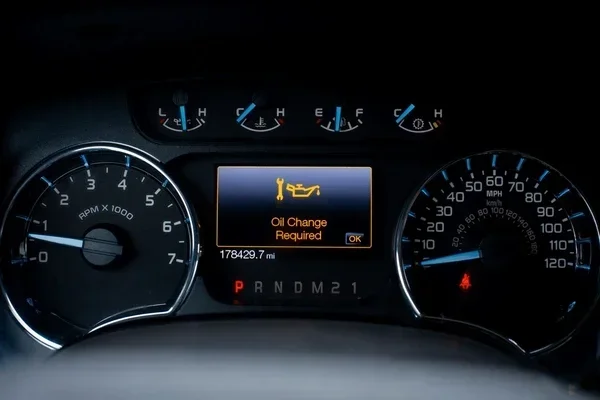
The most obvious sign is the oil pressure warning light. This usually looks like an old oil can symbol. When it illuminates, your oil pressure has dropped below safe levels.
Another light to watch for is the engine temperature gauge. If the needle climbs into the red zone, your engine is overheating. This can happen because of low oil, low coolant, or both.
Some newer vehicles also have a check engine light that may activate when oil pressure drops. Do not ignore any of these warnings.
Unusual Engine Noises
When oil levels are low, engine parts start making noise. You might hear:
- A ticking or tapping sound from the valve train
- A knocking sound from the bottom of the engine
- A grinding noise when accelerating
- Loud engine operation that sounds different than usual
These sounds mean metal is contacting metal inside the engine. This is a clear sign that oil is not doing its job. Address it immediately.
Steam or Smoke From the Hood
If you see steam or smoke coming from under the hood, pull over right away. This is a sign of engine overheating. Low oil can cause this, especially if the oil has broken down and can no longer manage heat effectively.
Do not open the hood immediately. The steam can cause burns. Let the engine cool for at least 15 to 20 minutes before checking anything.
Burning Oil Smell
A sharp, burning smell inside or outside the vehicle often means oil is leaking onto hot engine parts. This is a dangerous situation. The oil can ignite, causing a fire. Get your vehicle inspected as soon as possible.
What Happens When You Drive With Low Oil
Driving with low oil is like running a marathon without water. At first, you feel fine. But the damage is building fast. Here is what happens step by step when you ignore low oil levels.
Stage One: Increased Wear and Tear
In the early stages, low oil causes increased wear on engine bearings, cylinder walls, and camshafts. You might not notice any symptoms yet. But internally, metal surfaces are wearing down faster than they should.
This stage is often invisible. That is what makes it so dangerous. Many drivers do not realize damage is happening until it is too late.
Stage Two: Oil Breakdown and Hot Spots
As oil levels continue to drop, the remaining oil gets hotter than it was designed to handle. This causes thermal breakdown of the oil. The oil loses its lubricating properties and its ability to carry heat away.
Hot spots develop in areas like the pistons and cylinder head. These areas can reach temperatures that cause warping and scoring of metal surfaces.
Stage Three: Catastrophic Engine Failure
If you continue driving at stage three, the consequences are severe. Possible outcomes include:
- Head gasket failure: The gasket between the engine block and head blows, allowing coolant and oil to mix.
- Warped cylinder head: Excessive heat distorts the cylinder head, requiring expensive machining or replacement.
- Engine seizure: Parts expand from heat and lock together, completely destroying the engine.
- Cracked engine block: Extreme heat can cause the engine block itself to crack, making the engine unsalvageable.
At this stage, the repair cost can exceed the value of the vehicle. A full engine replacement can cost anywhere from $3,000 to $7,000 or more, depending on the vehicle.
Common Causes of Low Oil Levels
Understanding why oil levels drop helps you prevent the problem before it starts. Here are the most common causes of low oil.
Oil Leaks
Oil leaks are the number one cause of low oil. Leaks can develop from:
- Worn valve gaskets
- Loose or damaged oil drain plug
- Cracked oil pan
- Faulty oil filter seal
- Worn piston rings
Check under your vehicle regularly for oil spots. Even small drips add up over time and can lead to dangerously low oil levels.
Burning Oil
Some engines burn small amounts of oil as part of normal operation. But excessive oil consumption is a sign of a problem. Worn piston rings, faulty valve seals, or PCV valve issues can all cause your engine to burn oil faster than it should.
If you notice blue or gray smoke from your exhaust, have your vehicle checked. Burning oil means oil is entering the combustion chamber and being consumed.
Neglected Oil Changes
Skipping oil changes or going too long between changes causes oil to degrade. Old oil breaks down and loses its effectiveness. It also becomes contaminated with sludge and debris. This contaminated oil does not flow or cool properly, contributing to overheating.
Follow the oil change interval recommended by your manufacturer. For most vehicles, this is every 5,000 to 7,500 miles for conventional oil, or longer for synthetic oil.
How to Prevent Overheating Caused by Low Oil
The good news is that preventing overheating from low oil is straightforward. A few simple habits can keep your engine running cool and healthy for years.
Check Your Oil Regularly
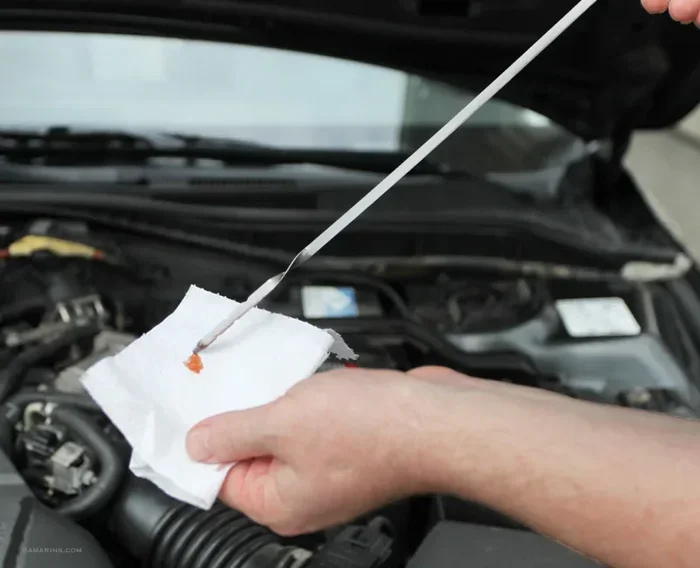
Make it a habit to check your oil level at least once a month. Here is how:
- Park your vehicle on a level surface.
- Turn off the engine and wait a few minutes for the oil to settle.
- Pull out the dipstick, wipe it clean, reinsert it, then pull it out again.
- Check the oil level against the minimum and maximum marks on the dipstick.
If the level is below the minimum mark, add oil immediately. Use the same type and viscosity of oil already in the engine.
Watch for Early Warning Signs
Do not wait for warning lights or strange noises. Be proactive. Check for oil spots under your car. Listen for any new ticking or knocking sounds. Pay attention to how your engine sounds and feels during driving.
Early detection is the key to avoiding expensive repairs. A few minutes of attention each week can save you thousands of dollars.
Keep Up With Oil Changes
Regular oil changes are the single most important maintenance task for your engine. Fresh oil lubricates better, cools more effectively, and carries contaminants away from critical components.
Keep a record of your oil changes. Many shops and apps can send you reminders when it is time for your next service.
Use Quality Oil and Filters
Not all oil is created equal. Using high-quality oil and genuine or premium filters makes a real difference in engine protection. Quality oil maintains its viscosity longer and resists thermal breakdown better than cheap alternatives.
When in doubt, ask your mechanic for a recommendation based on your driving conditions and vehicle type.
Quick Tips for Oil Maintenance
Here are some fast, practical tips to keep your oil at the right level and your engine running cool:
- Check oil on cold mornings for the most accurate reading.
- Keep a spare quart of oil in your trunk for emergencies.
- Set a monthly reminder to check your oil level.
- Never ignore the oil pressure light. Pull over immediately.
- Monitor your coolant level too. Low coolant can also cause overheating.
- Watch your oil change mileage and do not push past the recommended interval.
- Have your mechanic inspect for leaks during every oil change.
Overheating Repair Cost: What to Expect
If low oil has already caused overheating damage, the repair costs can vary widely. Here is a general breakdown:
| Repair Type | Estimated Cost | Severity |
|---|---|---|
| Oil change and top-off | $50 – $100 | Minor |
| Oil pump replacement | $300 – $800 | Moderate |
| Head gasket replacement | $1,000 – $3,000 | Major |
| Cylinder head resurfacing | $500 – $1,500 | Major |
| Engine replacement | $3,000 – $7,000+ | Severe |
As you can see, the cost of repair increases dramatically the longer you wait. A simple oil top-off costs almost nothing. A new engine costs a small fortune. The choice is clear.
Expert Insights on Oil and Engine Temperature
We asked several certified mechanics about the connection between low oil and engine overheating. Here is what they had to say:
“I see it all the time. A driver notices the oil light but keeps driving for another 20 minutes. By the time they pull over, the engine has already sustained damage. Five minutes of attention could have saved thousands of dollars.” — Mike R., ASE Certified Master Mechanic
“Oil is the lifeblood of your engine. It does more than lubricate. It cools, cleans, and protects. When oil levels drop, every part of that system fails. Overheating is just the beginning of the problem.” — Sarah T., Automotive Instructor
These expert opinions reinforce a simple truth. Taking care of your oil is taking care of your engine. And taking care of your engine saves you money, time, and stress.
Common Mistakes Drivers Make With Oil
Even well-meaning car owners make mistakes when it comes to oil maintenance. Here are the most common ones to avoid:
Waiting Too Long Between Oil Changes
Some drivers push their oil changes far past the recommended interval. Old oil loses its effectiveness and can actually contribute to overheating. Stick to the schedule.
Ignoring Small Leaks
A small drip today becomes a quart low tomorrow. Small leaks are easy and cheap to fix now. Ignoring them leads to much bigger problems later.
Using the Wrong Oil
Not all oil is the same for every engine. Using the wrong viscosity or type of oil reduces performance and cooling ability. Always follow your manufacturer’s recommendation.
Checking Oil When the Engine Is Hot
Checking oil on a hot engine gives an inaccurate reading. The oil is thinner and has not settled in the pan. Wait at least 10 minutes after turning off the engine for the most accurate measurement.
Frequently Asked Questions
Can low oil cause overheating even if the coolant is full?
Yes, absolutely. Oil and coolant are two separate systems that work together to manage engine temperature. Even with a full coolant system, low oil means your engine parts are not getting proper lubrication or heat removal. This can cause overheating regardless of coolant levels.
How long can you drive with low oil before engine damage occurs?
It depends on how low the oil level is and how hot your engine runs. In some cases, driving even 10 to 15 minutes with critically low oil can cause damage. The safest answer is zero minutes. If your oil is low, add oil or get to a service station immediately.
What is the first sign of overheating caused by low oil?
The first sign is usually the oil pressure warning light or a ticking noise from the engine. Some drivers also notice the engine running hotter than normal or the temperature gauge creeping into the upper range. Do not wait for steam or smoke. Act at the first sign.
Can synthetic oil help prevent overheating better than conventional oil?
Synthetic oil generally handles heat better and maintains its viscosity longer than conventional oil. It resists thermal breakdown more effectively, which means it can help keep your engine cooler under heavy loads. However, no oil can compensate for low oil levels. The quantity matters just as much as the quality.
Is it safe to add oil to an overheating engine?
First, turn off the engine and let it cool for at least 15 to 20 minutes. Then check the oil level and add oil if needed. Adding oil to a hot engine is not dangerous, but you risk burns if you handle the dipstick or oil cap too soon. Always let the engine cool first.
How often should I check my oil level?
Most mechanics recommend checking your oil level at least once a month. If your vehicle is older or has a known oil consumption issue, check it every two weeks. Making this a habit takes only a few minutes and can prevent serious engine problems.
Conclusion
Can low oil cause overheating? The answer is a definitive yes. Low oil reduces lubrication, increases friction, and prevents your engine from cooling properly. The result is overheating that can lead to warped parts, blown head gaskets, and complete engine failure.
The good news is that this problem is entirely preventable. Regular oil checks, timely oil changes, and prompt attention to warning signs keep your engine running at a safe temperature. A few minutes of maintenance each month can save you from the nightmare of a destroyed engine.
Your engine is one of the most expensive parts of your vehicle to repair. Treat your oil with the respect it deserves. Check it often. Change it on schedule. And never ignore the warning signs of low oil or overheating.
Take action today. Open your hood, pull out that dipstick, and check your oil level. Your engine will thank you for it.