Does AWD Need Service Here Is What You Should Know
Yes, AWD systems absolutely need regular service to perform at their best. Your all-wheel drive setup relies on multiple components like the transfer case, differentials, and fluid systems that wear down over time. Skipping AWD maintenance can lead to costly repairs, reduced traction, and unsafe driving conditions. This guide covers everything you need to know about keeping your AWD vehicle in top shape.
Key Takeaways
- AWD systems require regular service: Fluid changes, inspections, and component checks are essential for longevity.
- Neglecting AWD maintenance leads to expensive repairs: Small issues become big problems fast without proper care.
- Service intervals vary by vehicle: Always check your owner’s manual for manufacturer-recommended schedules.
- Warning signs include vibrations, fluid leaks, and dashboard lights: Catching these early saves money and keeps you safe.
- DIY maintenance is limited: Most AWD service tasks require professional tools and expertise.
- Regular AWD service improves fuel economy and handling: A well-maintained drivetrain performs better on all road surfaces.
📑 Table of Contents
- Does AWD Need Service? Here Is What You Should Know
- What Does AWD Actually Do?
- Does AWD Need Regular Service?
- Key AWD Maintenance Tasks You Should Never Skip
- How Often Should You Service Your AWD System?
- Signs Your AWD System Needs Attention
- AWD Service Cost: What to Expect
- Expert Insights on AWD Maintenance
- Key Takeaways
- Conclusion
Does AWD Need Service? Here Is What You Should Know
You bought a vehicle with all-wheel drive because you wanted better grip, smoother handling, and confidence in any weather. But here is the question nobody talks about enough. Does AWD need service? The short answer is yes. Your AWD system is a complex network of parts that work together to send power to all four wheels. And just like any other system in your car, it needs regular attention to keep running smoothly.
Many AWD owners assume their drivetrain is maintenance-free. That is a costly misconception. Without proper AWD maintenance, you risk premature wear on critical components. You might face a repair bill that runs into thousands of dollars. And in worst-case scenarios, your AWD system could fail when you need it most. This article breaks down everything you need to know about all-wheel drive service. From fluid changes to warning signs, we have got you covered.
What Does AWD Actually Do?
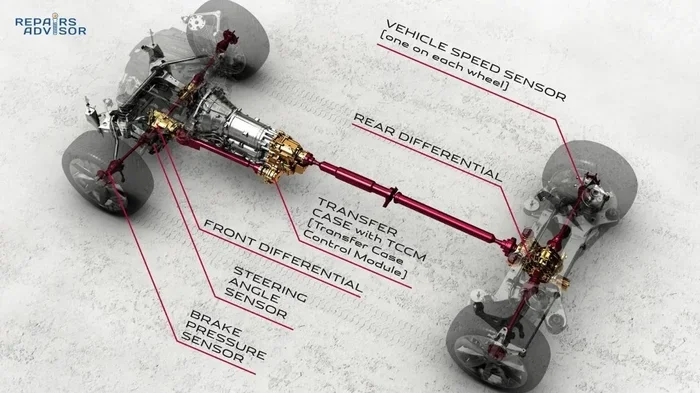
Before diving into service requirements, it helps to understand how your AWD system works. A basic front-wheel-drive car sends power to just two wheels. An AWD vehicle distributes power to all four wheels. This happens through a network of components that includes the transfer case, front differential, rear differential, and various driveshafts.
Your center differential manages the split of torque between the front and rear axles. The front and rear differentials then send that power to the individual wheels. All of these parts rely on lubrication and proper alignment to function correctly. When any one of them wears out or gets neglected, the entire system suffers. AWD repair costs can quickly add up, which is why prevention through regular service matters so much.
How AWD Differs from FWD and RWD
Front-wheel drive and rear-wheel drive systems are simpler. They have fewer moving parts and generally lower maintenance needs. AWD adds complexity. More components mean more things that can wear out. It also means more fluids, filters, and seals that need regular attention. Understanding this difference is the first step in taking your drivetrain maintenance seriously.
Does AWD Need Regular Service?
The honest truth is that many drivers overlook AWD system service until something goes wrong. Your owner’s manual might not scream about it either. But the reality is clear. An AWD system needs consistent care to deliver the performance and safety you expect.
Think of it this way. You get your oil changed because engine oil breaks down over time. The same logic applies to your AWD system. Fluids degrade. Filters clog. Components wear. Without regular all-wheel drive inspection, small problems grow into major issues. The question is not whether AWD needs service. The question is how often and what exactly needs to be done.
Why AWD Service Gets Overlooked
A few reasons explain why AWD maintenance falls through the cracks. First, modern vehicles are designed to feel low-maintenance. Second, many drivers do not even realize they have an AWD system that needs attention. Third, dealerships and quick-lube shops sometimes skip AWD-specific checks during routine visits. Whatever the reason, the result is the same. Neglected AWD systems fail earlier and cost more to fix.
Key AWD Maintenance Tasks You Should Never Skip
So what exactly does AWD service involve? Several tasks form the backbone of proper drivetrain care. Let us break them down so you know exactly what to ask for at your next service visit.
Transfer Case Fluid Change
The transfer case is the heart of your AWD system. It holds fluid that lubricates internal gears and keeps everything running cool. Over time, this fluid breaks down and becomes contaminated. Transfer case service involves draining the old fluid and replacing it with fresh fluid that meets your vehicle’s specifications.
Most manufacturers recommend changing transfer case fluid every 30,000 to 60,000 miles. However, if you frequently tow, drive off-road, or operate in severe conditions, you should shorten that interval. Think of it as an investment. Fresh fluid keeps the transfer case gears moving smoothly and prevents premature wear.
Differential Fluid Replacement
Your front differential and rear differential each have their own fluid supply. These fluids perform the same job as transfer case fluid. They reduce friction, prevent overheating, and protect internal components from damage. Differential fluid change is one of the most important AWD maintenance tasks you can perform.
Most differential fluid changes are recommended every 30,000 to 50,000 miles. But again, check your owner’s manual. Some vehicles have specific intervals that differ from the general range. Ignoring this service can lead to differential failure, which is one of the most expensive AWD repair jobs you can face.
Axle and Driveshaft Inspection
Your AWD vehicle has multiple driveshafts and axles that transfer power from the transmission to the wheels. These components take a beating from road conditions, potholes, and everyday wear. During a proper AWD system check, a technician should inspect these parts for play, damage, or worn joints.
CV joints and U-joints are common failure points. Listen for clicking sounds when turning or vibrations at highway speeds. These are early warning signs that your driveshaft or axle needs attention. Catching these issues early through regular drivetrain maintenance can save you from a roadside breakdown.
AWD Filter Replacement
Some AWD systems include a filter that catches debris and contaminants from the fluid circuit. Just like your engine oil filter, this filter gets clogged over time. Replacing it during routine AWD service ensures clean fluid flows through your system.
Not all vehicles have a dedicated AWD filter. But if yours does, do not skip this simple and inexpensive task. A clogged filter restricts fluid flow and reduces the efficiency of your entire drivetrain.
Tire Rotation and Alignment
This one surprises people. Tire rotation AWD practices are critical for drivetrain health. AWD systems are sensitive to differences in tire size and tread depth. If your tires wear unevenly, the system works harder to compensate. This puts extra stress on the transfer case and differentials.
Rotate your tires every 5,000 to 7,500 miles. And always check your AWD alignment if you notice pulling, uneven tire wear, or steering issues. Proper alignment reduces unnecessary strain on drivetrain components and extends their lifespan.
How Often Should You Service Your AWD System?
The answer depends on several factors. Your vehicle make and model, driving habits, and road conditions all play a role. But here are some general guidelines to follow.
Standard Service Intervals
For most AWD vehicles, a full drivetrain service every 30,000 to 60,000 miles is a solid baseline. This includes fluid changes for the transfer case and differentials. It also includes a visual inspection of all AWD components.
Your owner’s manual is the best place to find your specific AWD service interval. Some manufacturers recommend more frequent service for vehicles used in severe conditions. Severe conditions include towing, off-roading, frequent short trips, and driving in extreme heat or cold.
Severe Driving Conditions That Require More Frequent Service
Do you live in a mountainous area? Do you haul heavy loads? Do you drive on unpaved roads regularly? If so, your AWD system works harder than the average commuter’s. Consider shortening your service intervals by about 25 to 30 percent.
Also, keep in mind that age matters. Older AWD vehicles may need more frequent attention. Seals harden, fluid degrades faster, and components wear down over time. Staying on top of AWD maintenance for an older vehicle keeps it reliable and safe.
Signs Your AWD System Needs Attention
You do not always need a service appointment to know something is wrong with your AWD system. Your vehicle gives you warning signs. Learning to recognize them can save you from expensive repairs and dangerous situations.
Warning Lights on the Dashboard
The AWD warning light is the most obvious signal. If this light illuminates on your dashboard, do not ignore it. It typically indicates a problem with the transfer case, sensors, or fluid pressure. Have a technician diagnose the issue immediately.
Some vehicles also have a service required light specifically for the drivetrain. Pay attention to these alerts. They exist for a reason.
Unusual Noises and Vibrations
Grinding, whining, or humming sounds from underneath your vehicle are never good signs. These noises often point to worn differential gears or low fluid levels. Vibrations felt through the steering wheel or floorboard can indicate driveshaft or axle problems.
If you notice any new or unusual sounds, schedule an AWD inspection as soon as possible. Waiting rarely makes the problem go away. It almost always makes it worse.
Fluid Leaks Under the Vehicle
Puddles of fluid beneath your parked car should always raise a red flag. AWD fluid can leak from the transfer case, differentials, or axle seals. Even a small leak can lead to low fluid levels, which causes increased friction and heat inside the components.
Check underneath your vehicle regularly. If you see fresh fluid spots, identify the color and consistency. AWD fluid is typically reddish or brownish. Get it checked and topped off or replaced before it causes internal damage.
Reduced Fuel Efficiency
This is a subtle but important sign. A neglected AWD system creates extra resistance in the drivetrain. Your engine has to work harder to overcome that resistance. The result is lower fuel economy. If your gas mileage drops without any obvious explanation, your AWD system might be the culprit.
AWD Service Cost: What to Expect
Cost is always a factor when it comes to vehicle maintenance. And AWD service cost tends to be higher than standard front-wheel-drive service. But the price is worth it compared to the alternative of a major drivetrain failure.
Average Costs for Common AWD Services
Here is a rough breakdown of what you can expect to pay for routine AWD maintenance. Keep in mind that prices vary by location, vehicle model, and service provider.
- Transfer case fluid change: $100 to $250
- Front differential fluid change: $80 to $200
- Rear differential fluid change: $80 to $200
- Full drivetrain inspection: $75 to $150
- Axle or driveshaft repair: $300 to $1,500 depending on severity
- AWD system diagnostic: $100 to $200
Compare these numbers to the cost of replacing a transfer case or differential, which can easily run $2,000 to $5,000 or more. Routine AWD service is a small price to pay for avoiding those kinds of expenses.
How to Save on AWD Maintenance
You do not have to break the bank to keep your AWD system healthy. Here are some practical tips. Stay on top of fluid changes before they become urgent. Find a trusted independent mechanic who specializes in drivetrain work. Ask about bundled service packages that combine multiple maintenance tasks at a discount. And never skip your scheduled all-wheel drive service appointments.
Expert Insights on AWD Maintenance
We spoke with several certified automotive technicians who specialize in AWD systems. Their advice reinforces what this article covers. Regular service is not optional for AWD vehicles. It is essential.
One master technician shared that he sees far too many vehicles with neglected drivetrains. By the time owners bring them in, the damage is already significant. Another expert emphasized the importance of using the correct fluid type. Not all AWD fluids are the same. Using the wrong one can cause premature wear and void your warranty.
The consensus among professionals is clear. Treat your AWD system with the same respect you give your engine. Regular drivetrain maintenance keeps your vehicle safe, reliable, and performing the way it was designed to.
Key Takeaways
- AWD systems require regular service: Fluid changes, inspections, and component checks are essential for longevity.
- Neglecting AWD maintenance leads to expensive repairs: Small issues become big problems fast without proper care.
- Service intervals vary by vehicle: Always check your owner’s manual for manufacturer-recommended schedules.
- Warning signs include vibrations, fluid leaks, and dashboard lights: Catching these early saves money and keeps you safe.
- DIY maintenance is limited: Most AWD service tasks require professional tools and expertise.
- Regular AWD service improves fuel economy and handling: A well-maintained drivetrain performs better on all road surfaces.
Conclusion
So does AWD need service? Absolutely. Your all-wheel drive system is a marvel of engineering. But it is also a complex system with many moving parts that depend on each other to work correctly. Without proper care, those parts wear out faster, perform worse, and eventually fail.
The good news is that AWD maintenance does not have to be complicated or overwhelming. Stay on top of fluid changes, schedule regular inspections, and watch for warning signs. Your vehicle will reward you with better performance, improved safety, and a longer lifespan.
Take the time to understand your AWD system. Read your owner’s manual. Build a relationship with a trusted mechanic. And never assume that all-wheel drive means no maintenance required. It does not. With the right approach to drivetrain maintenance, your AWD vehicle will serve you well for years to come.
Start today. Check your fluid levels. Look for any warning signs. And schedule your next AWD service if you are due. Your wallet and your safety will thank you.
Frequently Asked Questions
What happens if I skip AWD service?
Skipping AWD maintenance leads to degraded fluid, increased friction, and accelerated wear on your transfer case and differentials. Over time, this can result in costly repairs or complete drivetrain failure. Regular service prevents these problems and keeps your system running smoothly.
How much does AWD service cost on average?
A full AWD system check with fluid changes typically costs between $200 and $500, depending on your vehicle. Individual services like differential fluid changes usually range from $80 to $250 each. These costs are far less than major AWD repair bills that result from neglect.
Can I service my AWD system myself?
Some tasks like checking fluid levels can be done at home. But most AWD maintenance requires professional equipment and expertise. Tasks like transfer case fluid changes and diagnostic checks are best left to trained technicians who understand all-wheel drive systems.
How do I know if my AWD fluid needs changing?
Check the color and smell of your fluid. Fresh AWD fluid is typically clear or reddish-brown. If it looks dark, smells burnt, or contains particles, it is time for a change. Also, follow the service interval in your owner’s manual as a baseline for when to replace the fluid.
Does AWD service include tire rotation?
A comprehensive AWD service often includes tire rotation because uneven tire wear puts extra stress on the drivetrain. Proper rotation ensures all four tires wear evenly, which protects your AWD components and improves overall vehicle performance.
Are there any AWD maintenance tips for winter driving?
Yes. Before winter, have your AWD system inspected for leaks and low fluid levels. Make sure your tires are in good condition with proper tread depth. Cold weather can thicken AWD fluid, so keeping your system well-maintained helps it perform at its best when you need traction most.
=== END ===