Why Is My TPMS Light On but My Tires Are Still Fine
A TPMS light can turn on even when your tires look perfectly fine. The most common causes include a sensor battery dying, temperature changes, a faulty TPMS sensor, or a slow leak you cannot see. In this guide, we walk you through every reason your tire pressure monitoring system might be acting up and show you exactly how to fix it yourself or know when a pro is needed.
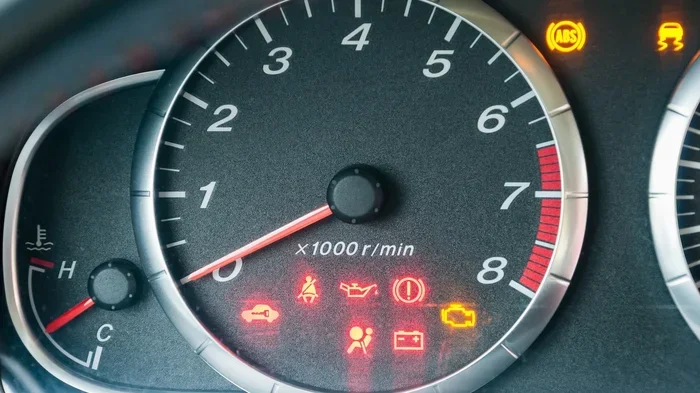
You are driving down the road, minding your own business, when suddenly that little horseshoe-shaped light with an exclamation point pops up on your dashboard. Your first thought is, “My tires must be flat.” You pull over, look at all four tires, and they look totally fine. So what gives?
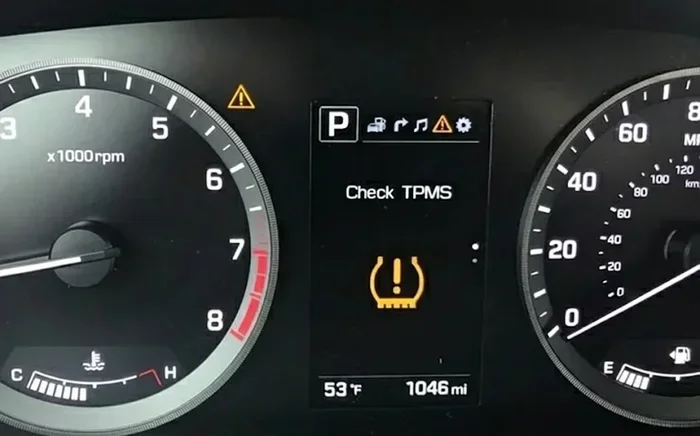
This is one of the most common mysteries car owners face. The TPMS light stands for Tire Pressure Monitoring System. Its job is simple, keep an eye on your tire pressure and warn you when something is off. But here is the twist, the system does not always know what it is talking about. Sometimes it gives false warnings. Sometimes the real problem is hidden where you cannot see it.
In this article, we are going to break down every single reason your TPMS light might be on even though your tires look fine. We will cover the science behind it, the common causes, how to troubleshoot the issue yourself, and when it is time to visit a mechanic. Whether you drive a Toyota, a Honda, or anything else, this guide applies to you.
Do you also have a car that will not start even though the battery checks out okay? We have covered that exact scenario in our article on Car Not Starting But Battery Is Fine What To Check. It is a similar kind of confusing car problem, and the troubleshooting mindset is almost identical.
Let us get into it. By the end of this read, you will know exactly what to do when your tire pressure light is on but tires are fine.
Key Takeaways
- Temperature swings are a top culprit: Cold weather can drop tire pressure enough to trigger the light even if tires look normal.
- Sensor batteries die over time: Most TPMS sensors last 5 to 10 years before the battery needs replacing.
- A slow leak can be invisible: Small punctures or worn valve stems may not show visible deflation right away.
- Resetting the system often works: A simple TPMS reset can turn the light off after you fix the real issue.
- Driving with the light on is risky: Ignoring it can lead to uneven tire wear, poor fuel economy, or a blowout.
- You can check tire pressure yourself: A basic tire pressure gauge costs under fifteen dollars and takes minutes to use.
- Professional help is sometimes needed: If resetting does not work, a mechanic can diagnose sensor faults or wiring issues.
📑 Table of Contents
- What Does the TPMS Light Actually Do?
- Why Is My TPMS Light On When My Tires Look Fine?
- How to Troubleshoot Your TPMS Light
- Can You Drive With the TPMS Light On?
- How to Prevent TPMS Light Issues in the Future
- When to See a Mechanic for TPMS Issues
- Quick Tips for TPMS Light Troubleshooting
- Common Mistakes People Make When the TPMS Light Comes On
- Understanding TPMS Sensors and How Long They Last
- Final Thoughts
What Does the TPMS Light Actually Do?
Before we dive into the causes, it helps to understand what the system is actually doing. The TPMS is a safety feature built into your vehicle. It monitors the air pressure inside each tire and compares it to the recommended level. If pressure drops below a certain threshold, usually about 25 percent below the recommended PSI, the light comes on.
There are two types of TPMS systems. Let us look at both.
Direct TPMS
Direct TPMS uses a small sensor inside each tire, usually attached to the valve stem. This sensor measures the actual air pressure and sends a wireless signal to your car’s computer. If the pressure is too low, the computer triggers the dashboard warning. These sensors have a battery that typically lasts between 5 and 10 years. When the battery dies, the sensor stops sending data, and your light comes on.
Indirect TPMS
Indirect TPMS does not use physical pressure sensors. Instead, it relies on your car’s ABS wheel speed sensors. Here is the trick, a tire with low pressure has a smaller rolling radius, which means it spins faster than a properly inflated tire. The system notices this difference and flags it. Indirect systems are simpler but can be less accurate, especially after you rotate your tires or change tire sizes.
Knowing which type your car has helps you understand why the light might behave oddly. Both types can give false readings, and both can trigger the light even when your tires are in good shape.
Why Is My TPMS Light On When My Tires Look Fine?
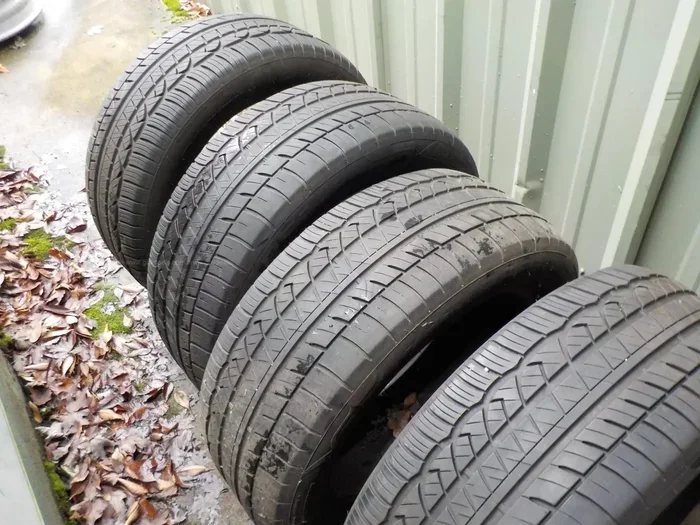
Now for the big question. You are standing in your driveway, staring at your tires, and they look perfectly normal. The sidewalls are firm, no visible bulges, and the tread looks great. So why is that annoying little light still glowing on your dashboard?
There are several very common reasons for this, and most of them are easy to fix.
1. Temperature Changes
This is the number one reason people see their TPMS light come on out of nowhere. Here is the science behind it. Air inside your tires contracts when it gets cold. For every 10 degree drop in temperature, your tire pressure can drop by about 1 PSI. So if it was 80 degrees when you filled your tires and now it is 40 degrees overnight, you could have lost 4 PSI without adding or losing a single drop of air.
This is especially common in fall and early winter. You go to bed with no light, and wake up to a glowing dashboard. The good news is, your tires are probably still at a safe pressure. A quick top-off with an air compressor at a gas station usually does the trick.
2. A Slow Leak You Cannot See
Not all tire leaks are dramatic. Sometimes a tiny nail or screw works its way into the tread so slowly that you never notice it deflating. The tire loses pressure over days or even weeks, and by the time the TPMS light comes on, the loss might only be a few PSI.
These slow leaks are tricky because the tire still looks full from the outside. You might even drive on it for weeks without realizing there is a problem. This is why it is smart to check your tire pressure regularly with a tire pressure gauge, even when everything looks fine.
3. Faulty TPMS Sensor
Sometimes the sensor itself is the problem. TPMS sensors sit inside your wheels and take a beating from road conditions, moisture, and corrosion. Over time, they can malfunction or give incorrect readings. A sensor that is failing might report low pressure when the tire is actually perfectly fine.
Sensor failure is more common in older vehicles or cars that have been driven through harsh winter conditions where salt and road grime take a toll. If you have ruled out temperature and leaks, a faulty sensor is the next most likely cause.
4. Dead Sensor Battery
Every TPMS sensor runs on a small battery. These batteries are not rechargeable, and they typically last between 5 and 10 years. When the battery dies, the sensor cannot transmit data to your car’s computer. Most vehicles will then display the TPMS light to let you know there is a communication problem.
The tricky part is that a dead sensor battery often triggers the light at the worst possible time, like on a road trip or in the middle of winter. There is no warning before the battery dies, which is why staying on top of your sensor age matters.
5. Recent Tire Service or Rotation
If you have recently had your tires rotated, balanced, or repaired, the TPMS light might come on simply because the sensors were disturbed. During a tire rotation, mechanics often remove the sensors from the wheels, and if they are not reseated properly, the system can lose communication with one or more sensors.
This is a very common occurrence and usually easy to fix. A quick TPMS reset or reseating of the sensor typically solves the problem right away.
6. Changes in Altitude or Driving Conditions
Did you just drive through a mountain pass or head to a high-altitude location? Changes in altitude can affect tire pressure readings. At higher elevations, the atmospheric pressure is lower, which can cause the TPMS to think your tire pressure has dropped.
Similarly, aggressive driving, hauling heavy loads, or driving on hot pavement can temporarily increase tire pressure and then cause fluctuations that confuse the system. These are usually temporary and resolve on their own once conditions normalize.
7. TPMS Module or Wiring Issue
In rare cases, the problem is not with the tires or sensors at all. It is with the TPMS module itself or the wiring that connects the sensors to your car’s computer. Corroded connectors, damaged wiring harnesses, or a failing control module can all cause the light to stay on even when every tire is perfectly inflated.
This type of issue requires professional diagnosis. A mechanic with a TPMS diagnostic tool can scan the system and pinpoint whether the problem is electrical or mechanical.
How to Troubleshoot Your TPMS Light
So your light is on and your tires look fine. What do you do next? Here is a step-by-step troubleshooting guide you can follow right now.
Step 1: Check Your Tire Pressure Manually
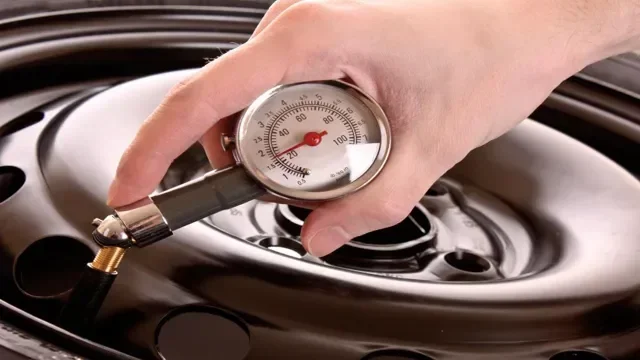
Grab a tire pressure gauge from your glove box or pick one up at any auto parts store for under fifteen dollars. Check all four tires, including the spare if applicable. Compare your readings to the recommended PSI, which you can find on the driver side door jamb sticker or in your owner’s manual.
If any tire is low, add air until it reaches the recommended level. Then drive for a few miles and see if the light goes off. In many cases, this alone solves the problem.
Step 2: Look for Visible Damage
Even if the tire looks fine from the outside, inspect it closely. Run your hand along the tread and sidewall to feel for any embedded objects like nails, screws, or glass. Check the valve stem for cracks or leaks. A damaged valve stem is one of the most common hidden causes of slow air loss.
Step 3: Reset the TPMS System
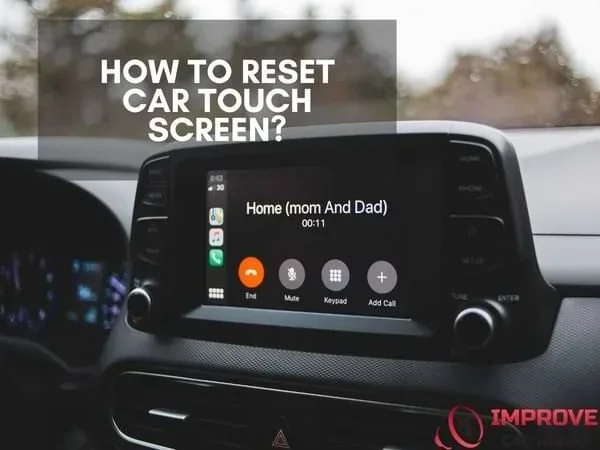
Once you have confirmed that all tires are at the correct pressure, try resetting the system. The reset procedure varies by vehicle, but it is usually found in the owner’s manual. Common methods include pressing and holding a TPMS reset button located beneath the steering wheel, or navigating through the infotainment system to find the TPMS reset option.
After resetting, drive the car for 10 to 20 minutes at speeds above 30 mph. The system should recalibrate and the light should turn off. If it does not, move on to the next step.
Step 4: Check for Sensor Battery Life
If resetting does not work, the sensor battery might be dead. A mechanic or auto parts store can scan your TPMS system and tell you the battery status of each sensor. If one or more batteries are dead, the sensor needs to be replaced. Sensor replacement typically costs between 50 and 100 dollars per sensor, depending on your vehicle make and model.
Step 5: Visit a Professional
If none of the above steps resolve the issue, it is time to see a professional. A certified mechanic can perform a thorough TPMS diagnostic, check for wiring issues, and test each sensor individually. This is especially important if you notice the light flashing rather than staying solid, as a flashing light often indicates a more serious sensor or system malfunction.
Also, if you are wondering whether it is safe to keep driving with warning lights on, check out our article on Can I Drive With Maintenance Required Light On Toyota. The principles of safely driving with dashboard warnings apply across many different vehicle systems.
Can You Drive With the TPMS Light On?
This is a question we get asked a lot, and the answer is a bit nuanced. If your tires are actually at the correct pressure and the light is on due to a sensor issue, you can usually drive safely for a short distance. However, you should not ignore the light for an extended period.
Driving with an unresolved TPMS issue can lead to several problems:
- Uneven tire wear: Even a slightly underinflated tire wears out faster on the outer edges of the tread, shortening its lifespan significantly.
- Reduced fuel economy: Underinflated tires create more rolling resistance, which means your engine works harder and uses more fuel. This can cost you money at the pump over time.
- Increased risk of blowouts: Low tire pressure causes excessive flexing of the tire sidewall, which can lead to overheating and eventually a dangerous blowout, especially at highway speeds.
- Poor handling and braking: Tires that are not properly inflated do not grip the road as well, which affects your stopping distance and cornering stability.
For overall vehicle upkeep and understanding how regular maintenance affects your car’s reliability, our piece on Are Toyota Tacomas Low Maintenance offers great insights into keeping your truck running smoothly with minimal fuss.
The bottom line is, get the issue diagnosed and resolved as soon as reasonably possible. It is a small problem now, but it can become a big and expensive problem if ignored.
How to Prevent TPMS Light Issues in the Future
Prevention is always easier than repair, and the same goes for TPMS problems. Here are some simple habits that can keep your tire pressure monitoring system happy and your tires in great shape.
Check Tire Pressure Monthly
Get into the habit of checking your tire pressure at least once a month. Use a reliable tire pressure gauge and check when the tires are cold, meaning the car has been parked for at least three hours or driven less than a mile. This gives you the most accurate reading.
Keep a Tire Pressure Log
Write down the pressure readings for each tire every month. Over time, you will start to notice patterns, like a particular tire losing pressure slightly each month. This can help you catch slow leaks early before they trigger the TPMS light.
Replace Valve Stems When Needed
Rubber valve stems deteriorate over time, especially from exposure to road salt, UV rays, and general wear. When you get new tires, ask your tire shop to replace the valve stems at the same time. It is a small cost that prevents a lot of headaches.
Know Your Sensor Age
TPMS sensors have a limited lifespan, usually 5 to 10 years. If your car is getting older and you have never replaced the sensors, consider having them checked proactively. Replacing a sensor battery or unit before it dies can save you from an unexpected TPMS light on a busy morning.
Keep a Portable Air Compressor in Your Trunk
A small 12-volt air compressor is inexpensive and incredibly useful. It lets you top off your tire pressure anywhere, whether at home, at a gas station, or even on the side of the road. This simple tool can prevent many TPMS-related issues before they start.
When to See a Mechanic for TPMS Issues
Not all TPMS problems can be solved with a DIY fix. Here are the signs that it is time to book an appointment with a qualified mechanic.
- The light stays on after you have checked and adjusted all tire pressures. This suggests a sensor fault or system error that requires professional tools to diagnose.
- The light is flashing instead of staying solid. A flashing TPMS light often indicates a serious malfunction in the system, such as a failed sensor or a problem with the TPMS control module.
- You have recently replaced tires or sensors and the light still comes on. The new sensor may not be programmed correctly for your vehicle, or there could be a compatibility issue.
- You notice multiple warning lights on your dashboard at once. This could indicate a broader electrical or computer issue that needs immediate attention.
- You have tried resetting the system multiple times with no success. Repeated resets without a lasting fix point to an underlying hardware or wiring problem.
Regular maintenance goes a long way in keeping your entire vehicle healthy, not just your tires. For instance, understanding your maintenance schedule and what each service interval means helps you stay ahead of issues. You can learn more about interpreting your car’s maintenance reminders in our guide on Can I Drive With Maintenance Required Light On Toyota.
Also, if you are curious about how long certain car parts last and what to expect, our article on How Long Can Car Parts Be On Backorder gives helpful context on parts availability and replacement timelines that can factor into your TPMS repair decisions.
Quick Tips for TPMS Light Troubleshooting
Here are some fast, practical tips to keep in mind whenever your TPMS light comes on:
- Do not panic. The light does not always mean your tires are dangerously low. In many cases, it is a minor issue.
- Check pressure first. Always start with the simplest explanation, a tire that just needs a little air.
- Check all tires, including the spare. Some TPMS systems monitor the spare tire as well.
- Reset after fixing. Always reset the TPMS system after addressing the root cause, or the light may stay on.
- Keep your owner’s manual handy. It has the exact TPMS reset procedure for your specific vehicle.
- Replace sensors in pairs. If one sensor battery has died, the others are likely close to it. Replacing them together saves time and money later.
- Do not ignore a flashing light. A solid light usually means low pressure, but a flashing light means a system malfunction that needs prompt attention.
Common Mistakes People Make When the TPMS Light Comes On
Avoid these common pitfalls that can make TPMS problems worse or cost you more money than necessary:
- Ignoring the light entirely. Some drivers see the TPMS light and simply learn to live with it. This is a mistake, because even a small pressure loss affects safety and fuel economy.
- Overinflating tires to make the light go off. Adding too much air to compensate for a slow leak or temperature drop can be just as dangerous as driving on underinflated tires. Always inflate to the recommended PSI, not more.
- Assuming all four tires are at the same pressure. Each tire can lose pressure at a different rate. Always check each one individually.
- Resetting without fixing the root cause. Hitting the reset button without addressing why the light came on in the first place is a temporary fix at best.
- Using the wrong tire pressure gauge. Cheap or damaged gauges give inaccurate readings, which means you might think your tires are fine when they are not.
Understanding TPMS Sensors and How Long They Last
TPMS sensors are small electronic devices that live inside your wheels. They are exposed to road hazards, moisture, temperature extremes, and corrosion every single day. Over time, this wear takes a toll.
On average, a TPMS sensor battery lasts about 7 to 10 years, depending on driving conditions and how often the system is active. When the battery starts to weaken, the sensor may send intermittent signals or stop working entirely. At that point, the entire sensor unit usually needs to be replaced, since the batteries in most TPMS sensors are not user-replaceable.
If your car is more than 8 years old and you have never replaced the TPMS sensors, it is worth asking your mechanic to check their battery status at your next service visit. Catching a weak battery early means you can plan the replacement rather than being stranded with an unexpected warning light.
For broader maintenance tips and reliability insights, our article on Are Toyota Tacomas Low Maintenance covers how to keep your vehicle in top shape with minimal effort and expense.
Final Thoughts
Seeing your TPMS light on when your tires are fine can be confusing and a little scary, but it is almost always a fixable problem. Temperature changes, slow leaks, dead sensor batteries, and faulty sensors are the most common causes, and most of them are easy to address with basic tools or a quick visit to your local tire shop.
The key is to not ignore the light. Your TPMS system exists to protect you, your passengers, and your wallet. Taking a few minutes to check your tire pressure and reset the system can save you from bigger problems down the road.
Stay proactive with your tire maintenance. Check your pressure monthly, replace worn valve stems, and keep track of your sensor age. These small habits add up to safer driving, better fuel economy, and longer-lasting tires.
And remember, if the light stays on after you have done everything you can, a professional mechanic can get to the bottom of it quickly and get you back on the road with confidence.
Frequently Asked Questions
Why does my TPMS light come on when the weather gets cold?
Cold weather causes the air inside your tires to contract, which lowers the tire pressure. Even a small drop of 2 to 4 PSI can trigger the TPMS light. This is very common in fall and winter and usually resolves after you add a little air or once temperatures warm up.
How much does it cost to replace a TPMS sensor?
TPMS sensor replacement typically costs between 50 and 100 dollars per sensor for the part alone, plus labor if you have a shop install it. Some vehicles require special programming after sensor replacement, which may add to the cost.
Can I reset my TPMS light myself?
Yes, in most cases you can reset the TPMS light yourself. The reset button is usually located beneath the steering wheel or in the infotainment system. Check your owner’s manual for the exact procedure for your vehicle. Always make sure your tire pressure is correct before resetting.
How do I know if my TPMS sensor battery is dead?
A dead TPMS sensor battery will cause the light to come on and usually stay on even after you inflate your tires properly. A mechanic can use a TPMS diagnostic tool to check the battery status of each sensor and confirm if replacement is needed.
Is it safe to drive long distances with the TPMS light on?
It is not recommended to drive long distances with the TPMS light on. Even if your tires look fine, the light indicates that the system has detected a pressure issue or sensor fault. Get the problem diagnosed before embarking on a long trip to ensure your safety.
Does the TPMS light mean I need new tires?
Not necessarily. The TPMS light is about air pressure, not tire condition. In most cases, the light comes on because of low pressure from a leak, temperature change, or sensor issue. New tires are only needed if your current tires are worn out or damaged.