Best Car Interior Color Combinations for Every Style
Choosing the right car interior color combinations can completely transform your driving experience. Whether you prefer a sleek two-tone look or a classic neutral palette, the interior colors you select reflect your personal style. This guide covers the top color schemes for every type of driver, from luxury sedans to sporty SUVs. You will learn how to pick colors that complement your car’s exterior, boost resale value, and create a cabin you love spending time in.
Your car’s interior is the first thing you see every time you get behind the wheel. The car interior color combinations you choose set the entire mood of the cabin. They influence how comfortable you feel, how clean the space looks, and even how much your vehicle is worth when it is time to sell.
With so many options available today, picking the right colors can feel overwhelming. Should you go with a bold two-tone design? Stick with a classic black interior? Or try something unexpected like a tan and red combo? This guide breaks down the best car interior color combinations for every style and budget. You will find practical tips, real examples, and expert advice to help you make a confident choice.
Let us be honest. Interior colors matter more than most people think. A well-chosen interior color scheme can make a compact car feel luxurious. It can make an older vehicle look refreshed. And it can turn an ordinary commute into a pleasant experience every single day.
Key Takeaways
- Two-tone interiors remain the most popular choice for adding depth and sophistication to any vehicle.
- Neutral car interior colors like beige, gray, and black are timeless and easy to maintain.
- Bold accent colors such as red, blue, and orange can make a small interior feel lively and personal.
- Leather interior colors affect both aesthetics and long-term durability in different ways.
- Matching interior to exterior creates a cohesive look, while contrasting colors add visual interest.
- Light-colored interiors keep the cabin feeling spacious and cool in hot climates.
- Custom upholstery options let you create a truly unique car interior design that stands out.
📑 Table of Contents
- Why Car Interior Color Combinations Matter
- Top Car Interior Color Combinations for Every Style
- How to Choose the Right Car Interior Color Combinations
- Common Mistakes to Avoid When Choosing Interior Colors
- Quick Tips for Perfect Car Interior Color Combinations
- Expert Insights on Car Interior Color Trends
- Conclusion
Why Car Interior Color Combinations Matter
The colors inside your car do more than just look nice. They affect your mood, your perception of space, and even the temperature inside the cabin. Choosing the right car interior color combinations is one of the most impactful decisions you can make when buying or customizing a vehicle.
How Colors Affect Your Mood While Driving
Studies show that interior colors influence how relaxed or alert you feel behind the wheel. Cool tones like light gray and soft blue create a calming atmosphere. Warm tones like beige and tan make the cabin feel cozy and inviting. Dark colors like black and deep brown can feel premium but may also absorb heat and make the interior feel heavier.
When you think about car cabin colors, consider how much time you spend in the car. If you commute long hours, calming colors can reduce stress. If you mostly drive short trips, bold colors can add energy and personality to your daily routine.
Impact on Resale Value
Here is something many car buyers overlook. Interior color choices affect resale value. Neutral interior trim options like black, gray, and beige tend to appeal to the widest range of buyers. Bold or unusual colors may limit your potential market when it is time to sell.
That does not mean you cannot choose a unique color coordination car interior. It simply means you should weigh your personal preferences against practical resale considerations. A two-tone design in neutral tones often strikes the perfect balance.
Top Car Interior Color Combinations for Every Style
Every driver has a different style. Some prefer sleek and modern. Others lean toward classic and timeless. Below are the most popular car interior color combinations organized by style preference.
Classic and Timeless: Black and Beige
The black and beige combination is one of the most enduring interior color schemes in automotive history. This pairing works beautifully in sedans, SUVs, and trucks alike. The black seats and dashboard panels provide a sleek base, while the beige accents add warmth and elegance.
This combo is especially popular in luxury car interior designs. Brands like BMW, Mercedes-Benz, and Lexus have used variations of this palette for decades. The reason is simple. It looks expensive, feels refined, and hides stains better than lighter all-over interiors.
If you are considering this palette, look for seats with leather interior colors in black and dashboard trim in a matching beige or champagne tone. The result is a cabin that feels both sophisticated and welcoming.
Modern and Minimalist: All Gray Tones
Gray has become the go-to color for modern automotive interior design. An all-gray car interior color combinations scheme creates a clean, minimalist look that appeals to buyers who prefer a sleek and uncluttered aesthetic.
You can mix light gray seats with dark gray dashboard panels for subtle contrast. Or go for a monochromatic look with varying shades of gray throughout the cabin. This approach works exceptionally well in premium car interior models and tech-forward vehicles.
One advantage of gray interiors is their versatility. Gray pairs well with almost any exterior color. Whether your car is white, silver, red, or blue, a gray interior will complement it naturally. This makes gray one of the safest and most popular choices among car color palette enthusiasts.
Bold and Sporty: Red and Black
For drivers who want their interior to make a statement, the red and black combination is hard to beat. This car interior color combinations scheme screams confidence and energy. It is a favorite among sports car enthusiasts and anyone who wants a cockpit-style feel.
Red leather seats paired with black dashboard trim and black upholstery create a striking contrast. The red draws the eye and adds a sporty edge to the entire cabin. Many performance-oriented vehicles from brands like Ford, Chevrolet, and Hyundai offer this as a factory option.
If you want to dial back the intensity, consider a burgundy or maroon instead of bright red. These deeper shades of seat upholstery colors give you the sporty look with a more refined finish. They also tend to age better than vibrant red tones.
Warm and Inviting: Tan and Brown
Tan and brown interiors are all about creating a warm, comfortable atmosphere. This palette is especially popular in trucks, off-road vehicles, and classic cars. The earthy tones make the cabin feel like a cozy retreat, even on the coldest mornings.
A tan dashboard with brown leather seats creates a natural, organic feel that many drivers find relaxing. This interior color scheme works best in vehicles with a rustic or outdoor-inspired design. Think of it as bringing the warmth of nature into your car.
The downside to tan and brown interiors is that they require more maintenance. Light colors show dirt and stains more easily. Regular cleaning and conditioning of the dashboard color and seat surfaces will keep this palette looking its best for years.
Luxury and Elegant: Cream and Wood Trim
For those who want a truly premium feel, cream-colored interiors with wood trim represent the pinnacle of luxury car interior design. This combination is often found in high-end sedans and classic luxury vehicles. The cream base creates a bright, airy cabin, while wood accents add richness and texture.
This palette is closely associated with brands like Audi, Jaguar, and vintage Rolls-Royce models. The key to pulling off this look is consistency. Every element, from the seat stitching to the center console trim, should complement the cream and wood theme.
Modern versions of this style sometimes replace real wood with faux wood or carbon fiber accents. This allows you to achieve the same elegant look with improved durability and easier maintenance. It is one of the most visually stunning car interior customization options available.
Fresh and Airy: White and Light Blue
White interiors paired with light blue accents are gaining popularity, especially in compact cars and electric vehicles. This car interior color combinations scheme creates a fresh, clean, and airy feel that is perfect for warm weather driving.
Light blue seat inserts against a white dashboard and door panels give the cabin a seaside, relaxed vibe. Tesla and several Japanese manufacturers have embraced this style in their latest models. The combination feels modern, youthful, and distinctly different from traditional dark interiors.
One thing to keep in mind. White interiors require diligent care. They show stains, dust, and wear more quickly than darker options. However, if you are willing to put in the effort, the result is a cabin that looks and feels incredibly open and spacious.
How to Choose the Right Car Interior Color Combinations
With so many options, how do you decide which car interior color combinations are right for you? The answer depends on several factors, including your personal style, your lifestyle, and the type of vehicle you drive.
Consider Your Exterior Color
Your interior should complement your exterior. A color coordination car approach means choosing interior colors that work harmoniously with the paint job. For example, a white exterior looks great with a black, gray, or cream interior. A red exterior pairs well with black or tan interiors for a classic contrast.
On the other hand, you can create a striking look by intentionally contrasting the exterior and interior. A black car with a light tan interior turns heads and gives the vehicle a unique, premium feel. Experiment with different pairings before making a final decision.
Think About Your Lifestyle
If you have children or pets, darker car interior color combinations are generally more practical. Black, dark gray, and deep brown hides spills and stains better than light colors. If you keep your car clean and treat it as a personal sanctuary, lighter interiors can be a beautiful choice.
Also consider your climate. In hot, sunny regions, light-colored interiors reflect heat and keep the cabin cooler. Dark interiors absorb heat and can make the car uncomfortably warm on summer days. This practical factor often gets overlooked when people focus solely on aesthetics.
Budget and Customization Options
Factory interiors come in standard color options, but aftermarket customization opens up nearly limitless possibilities. You can reupholster seats, swap dashboard trim, and even add custom stitching to create unique car interior design elements that match your vision.
Budget-friendly options include seat covers, steering wheel wraps, and dashboard accessories. Higher-end customizations involve professional upholstery work with premium seat upholstery colors like saddle leather, Alcantara, or perforated vegan leather. Set a realistic budget and explore options at every price point.
Common Mistakes to Avoid When Choosing Interior Colors
Even the best intentions can lead to poor color choices. Here are common mistakes that car buyers and customizers should avoid when selecting car interior color combinations.
Choosing All Black Without Contrast
An all-black interior can feel flat and uninspired if there is no contrast. Without lighter accents or trim pieces, the cabin can look dull and industrial. Adding even a small pop of color, like red stitching or a light gray dashboard, can completely change the feel of an all-black interior.
Ignoring UV Damage and Fading
Light-colored interiors are beautiful but vulnerable to UV damage. Over time, sunlight can cause interior trim options like beige seats and cream dashboards to fade and discolor. If you love light colors, invest in UV-protective window tint and use sunshades when parked outdoors.
Following Trends Without Thinking Long-Term
Trendy colors like bright orange or neon green may look stunning today, but they can feel dated in a few years. Stick with colors you genuinely love and that will still appeal to you years down the road. Timeless interior color schemes like black, gray, and neutral tones offer the best long-term satisfaction.
Overlooking the Cost of Replacement Parts
Unusual interior colors can make replacing damaged parts expensive and difficult. If you need a new seat cover or dashboard panel, standard colors are readily available and affordable. Exotic or custom colors may require special ordering, leading to higher costs and longer wait times.
Quick Tips for Perfect Car Interior Color Combinations
- Test your palette by placing fabric swatches or paint chips inside the car before committing.
- Match the stitching color to your seat upholstery for a polished, cohesive look.
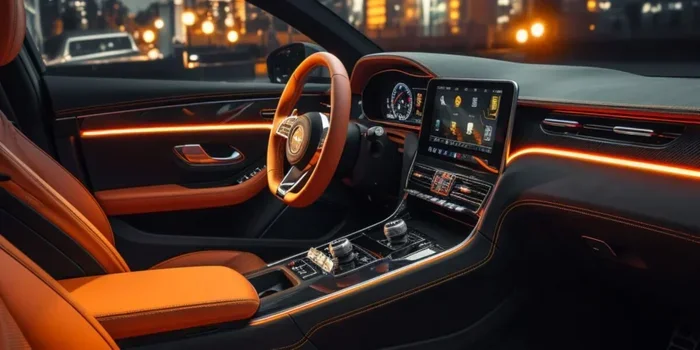
- Add ambient lighting in colors that complement your interior scheme for an upgraded nighttime feel.
- Choose removable seat covers in a contrasting color if you want flexibility without permanent changes.
- Consult a professional if you are unsure about which car cabin colors will work best with your specific vehicle model.
- Consider resale appeal by sticking with neutral tones if you plan to sell the car within five years.
Expert Insights on Car Interior Color Trends
Automotive designers say that car interior color combinations are evolving rapidly. Two major trends are shaping the industry right now. First, there is a growing demand for sustainable and vegan interior materials. Second, buyers want customizable interiors that allow them to personalize their vehicles in unique ways.
Many experts predict that interior color schemes will become even more diverse in the coming years. We are already seeing manufacturers offer seven or more interior color options for a single model. This trend gives buyers more power than ever to create a color coordination car interior that truly reflects their personality.
Designers also emphasize the importance of cohesion. The best car interior design results happen when the interior colors work together with the exterior paint, the trim materials, and the overall vehicle shape. A thoughtful approach to color harmony makes any car look more expensive and well put together.
Conclusion
Choosing the right car interior color combinations is one of the most rewarding aspects of car ownership. Whether you prefer a classic black and beige setup, a bold red and black sporty look, or a fresh white and light blue cabin, the options are endless. The key is to choose colors that match your personality, suit your lifestyle, and complement your vehicle’s overall design.
Remember that interior colors affect more than just aesthetics. They influence your mood, your comfort, and even your car’s resale value. Take your time, explore different interior trim options, and do not be afraid to think outside the box. The best car interior color combinations are the ones that make you smile every time you walk up to your vehicle.
Start by narrowing down your favorite palettes. Consider your daily driving habits, your climate, and your long-term plans for the vehicle. With the right car interior color combinations, you can turn any car into a space you genuinely love being inside. Your perfect interior is waiting, and the journey to find it starts now.
Frequently Asked Questions
What are the most popular car interior color combinations?
The most popular car interior color combinations include black and beige, all gray tones, red and black, and tan and brown. These palettes are popular because they are versatile, timeless, and appeal to a wide range of buyers. They also tend to hold their resale value better than bold or unusual colors.
How do I choose the right interior colors for my car?
Start by considering your exterior color, your lifestyle, and your climate. Light interiors keep the cabin cooler in hot weather, while dark interiors hide stains better. Think about how much time you spend in the car and what mood you want the interior to create. Testing fabric swatches inside the vehicle is a great way to see how colors look in real life.
Do interior colors affect car resale value?
Yes, they do. Neutral interior color schemes like black, gray, and beige attract the widest range of buyers and tend to preserve resale value. Bold or highly unusual colors may limit your buyer pool. If you plan to sell your car within a few years, sticking with a classic car cabin color palette is a smart move.
Can I customize my car interior colors after purchase?
Absolutely. You can reupholster seats, swap dashboard trim, add custom stitching, or use removable seat covers to change your car interior color combinations. Professional upholstery services offer premium options like leather, Alcantara, and vegan leather in virtually any color. Budget-friendly alternatives like seat covers and accessories also allow for easy customization.
What interior color is easiest to maintain?
Dark colors like black and dark gray are the easiest to maintain. They hide dirt, stains, and wear much better than light-colored interiors. If you want a lighter palette, consider using darker accent pieces and seat covers to balance practicality with aesthetics. Regular cleaning and UV protection also help maintain any interior color.
Are two-tone interiors worth the extra cost?
Two-tone interiors add visual depth and sophistication to any vehicle. They are especially worth the investment if you want a premium, customized look. Many factory two-tone designs increase the vehicle’s perceived value. Aftermarket two-tone conversions are also popular and can be done at various price points depending on the materials you choose.