When Windshield Wipers Wont Turn Off On Their Own
When windshield wipers won’t turn off on their own, it’s usually a sign of a faulty relay, switch, or fuse. This guide walks you through the most common causes, step-by-step fixes, and when to call a mechanic. You’ll also learn how a stuck wiper system can damage your windshield and what to do about it.
You’re driving home, and suddenly you notice the windshield wipers are still sweeping across the glass even after you’ve switched them off. It’s a frustrating and slightly scary moment. When windshield wipers won’t turn off on their own, it can feel like your car has a mind of its own. But don’t panic. This issue is more common than you think, and in most cases, it’s a simple fix.
In this article, I’ll explain exactly why this happens, what parts are likely to blame, and how you can get those wipers under control again. I’ll also share tips to prevent the problem from returning and protect your windshield from unnecessary wear. By the end, you’ll know exactly what to check, when to DIY, and when to call a mechanic.
Key Takeaways
- Most common cause: A bad wiper relay or switch is the top reason wipers stay on.
- Act fast: Leaving stuck wipers running can scratch or crack your glass.
- Try simple fixes first: A blown fuse or loose connector is often an easy DIY job.
- Prevent damage: Regular blade replacement and gentle use extend wiper life.
- Know when to call a pro: If the wiper module or motor fails, professional help is safest.
- Protect your glass: A malfunctioning wiper system can lead to the need for a full car windshield replacement guide or even a cost of windshield replacement estimate.
📑 Table of Contents
Why Do Windshield Wipers Sometimes Refuse to Turn Off?
Your wiper system is made of a few simple parts: a switch, a relay, a fuse, wiring, and the motor. When you flip the switch off, the relay should cut power to the motor. If any part of that chain fails, the wipers can keep moving. Sometimes they’ll stop once you turn the key off. Other times they keep going until the battery dies. Understanding the basic layout helps you narrow down the cause quickly.
Most modern cars use an intermittent wiper setting that runs on a timer or a rain sensor. If the control module gets confused, it may ignore the off command. Older vehicles rely on a simple mechanical linkage. No matter the age, the root cause usually falls into one of four categories: relay failure, switch failure, fuse or wiring issues, or motor failure. Let’s look at each one in detail.
A Faulty Wiper Relay
The wiper relay is a small switch that sends power to the motor when you activate the wiper lever. When it sticks closed, power keeps flowing even after you turn the switch off. A bad relay is the single most common reason windshield wipers won’t turn off. You’ll often hear a faint click or hum coming from the fuse box when this happens.
Relays wear out over time from repeated use. Dust, moisture, and heat can also cause the internal contacts to weld together. In many cars, replacing the relay is a five-minute job. You just pull the old one out and push a new one in. The relay is usually located in the under-hood fuse box, and the owner’s manual will show its exact spot.
A Bad Wiper Switch
The wiper switch is the lever or button you operate on the steering column. Inside, it has metal contacts that tell the car when to start and stop the wipers. Over time, these contacts can wear down or corrode. When that happens, the switch may send a constant “on” signal. This is another frequent cause of wipers staying on.
If you notice the wipers behave oddly in certain positions—like only working on the high setting or not responding at all—the switch is likely the problem. A worn switch can also cause the intermittent wiper function to fail. Replacing a wiper switch usually requires removing the steering column cover, so it’s a job for a weekend mechanic with basic tools.
Blown Fuse or Wiring Problems
A blown fuse typically stops the wipers, not keeps them running. But a short circuit in the wiring can bypass the fuse and keep power flowing to the motor. Rodent damage, frayed wires, or water intrusion into the connector can create a short. You might notice a burning smell or see melted insulation near the fuse box.
Wiring issues are trickier than a bad relay. You’ll need to trace the wires from the switch to the motor and check for continuity. A multimeter is your best friend here. If you’re not comfortable working with electrical wiring, it’s smart to visit a shop. For other under-hood electrical questions, you can check our guide on whether you should leave the car running when adding transmission fluid to learn more about safe electrical practices.
Wiper Motor Failure
The wiper motor is the workhorse that actually moves the blades. Inside, it has carbon brushes and a small gearbox. When the motor’s internal contacts weld together, the motor can stay energized even after you turn the key off. This is less common than a relay failure, but it does happen.
A failing motor often makes a grinding or whining noise before it dies completely. If the wipers move slowly or stop in the middle of a sweep, the motor is struggling. Replacing a wiper motor is more involved than swapping a relay. You’ll usually need to remove the wiper arms and the cowling to access the motor. If you’re not sure, it’s worth getting a car windshield replacement guide to understand how to safely work around the glass.
How to Manually Turn Off Stuck Windshield Wipers
If your wipers are stuck on and you need to stop them right away, try these steps in order. Always work calmly and avoid yanking on the wiper arms.
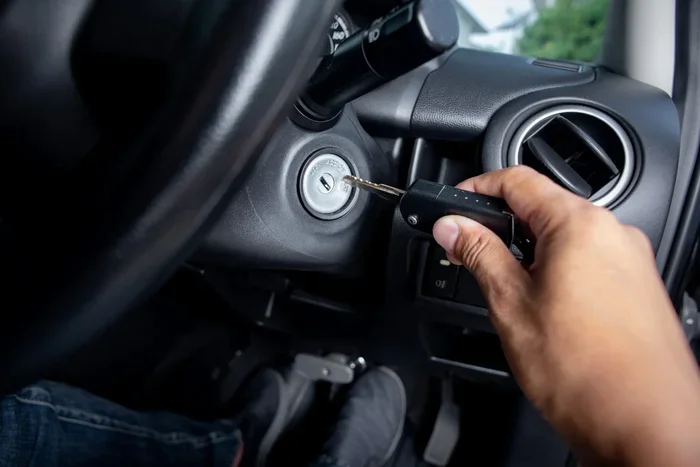
- Turn the ignition off. In many cars, cutting power to the ignition will stop the wiper motor immediately. Wait a few seconds and see if the blades stop.
- Pull the wiper fuse. Locate the fuse box and find the wiper fuse. Pull it out with a fuse puller or needle-nose pliers. This cuts power to the entire circuit and is the safest quick fix.
- Disconnect the wiper motor connector. If the fuse doesn’t work, you can unplug the wiring harness at the motor. This requires getting under the hood and finding the motor, which is usually near the base of the windshield.
- Wait for the battery to drain. As a last resort, leave everything disconnected and wait. The battery will eventually die, but this can take a while and isn’t ideal for the electrical system.
Once the wipers are off, you can start diagnosing the real cause. Never try to physically stop the wiper arms by hand while the motor is still engaged. You can bend the linkage or crack the windshield.
Can a Malfunctioning Wiper System Damage Your Windshield?
Yes. A stuck wiper system can cause serious damage to your glass. When the blades keep rubbing against a dry windshield, they create heat and friction. Over time, this can scratch the glass, leaving permanent haze marks. In worst-case scenarios, a wiper arm that’s stuck in one spot can crack the windshield, especially in cold weather when the glass is already stressed.
If you’ve ever seen a long scratch running across the windshield from a stuck wiper, you know how frustrating it is. The damage often requires a full cost of windshield replacement evaluation. Even small scratches can distort your view and fail a safety inspection. The good news is that most stuck-wiper incidents are caught early, before permanent damage occurs.
To protect your glass, always address a wiper malfunction as soon as you notice it. If the wipers have already caused a crack or deep scratch, you’ll need a professional assessment. A car windshield replacement guide can help you understand the process and what to expect before you visit a shop.
| Component | Function | Common Failure Signs | Repair Cost (Est.) | Likelihood of Causing Stuck Wipers |
|---|---|---|---|---|
| Wiper Relay | Sends power to the motor when activated | Wipers run after switch is off; clicking sound from fuse box | $10–$40 for part and labor | Very High |
| Wiper Switch | Sends on/off signals to the relay and motor | Wipers stuck in one position; intermittent function fails | $50–$150 (parts and labor) | High |
| Blown Fuse / Wiring | Protects circuit; carries current to components | Wipers work only in certain modes; burning smell | $5–$50 (fuse); $100+ for wiring repair | Medium |
| Wiper Motor | Moves the wiper arms across the glass | Grinding noise; slow movement; wipers stop mid-sweep | $150–$350 (parts and labor) | Lower |
This table shows that the relay and switch are the most common culprits. If you’re dealing with windshield wipers that won’t turn off, start your diagnosis here. A simple relay swap often solves the entire problem for under $40.
Preventive Maintenance Tips for Your Wiper System
Keeping your wiper system in good shape prevents most of these headaches. A few simple habits can extend the life of your wipers and protect your windshield.
Quick Tips:
- Replace wiper blades every six months, or sooner if you see streaking.
- Never use wipers on a dry windshield. Use washer fluid first to lift dirt.
- In winter, clear ice off the glass before turning on the wipers. Frozen blades can tear and damage the motor.
- Check the wiper fuse during regular oil changes.
- Keep the windshield clean. Dirt and grit act like sandpaper on the blades.
Common Mistakes That Make Wiper Problems Worse:
- Ignoring the first signs of streaking or chattering. These are early warnings that the blades or motor are wearing out.
- Forcing the wiper lever when the system is already stuck. This can burn out the relay or switch.
- Using aftermarket wiper blades that aren’t the right size. Poorly fitting blades can put extra strain on the motor.
- Neglecting the fuse box. Corroded fuse contacts can cause intermittent electrical failures.
If you’re checking other fluids and wondering whether the engine needs to be running, you might want to review our guide on whether you should leave the car running when adding transmission fluid. While it’s not directly about wipers, it covers safe electrical practices that apply to any under-hood work.
When to Call a Professional Mechanic
Not every wiper problem is a quick DIY fix. If you’ve checked the relay, switch, and fuse, and the wipers still won’t turn off, it’s time to call in a pro. The same goes for any situation where you smell burning plastic, see sparks, or notice the wipers stopping in the middle of a sweep.
Expert Insight: ASE-certified technicians often see cases where the wiper control module fails. This module is the computer that tells the wipers when to run. When it malfunctions, it can send constant power to the motor. Diagnosing a module issue requires specialized scan tools and wiring diagrams. It’s not a job for a beginner.
Another red flag is a wiper motor that makes grinding noises. That usually means the internal gears are stripped. Continuing to run the motor can damage the linkage and even crack the windshield. A professional can replace the motor safely and ensure the whole system works correctly.
Finally, if your car has a rain sensor or automatic wiper system, the repair is more complex. These systems use a camera or sensor mounted behind the rearview mirror. A faulty sensor can cause the wipers to run continuously. Resetting or replacing the sensor requires calibration that only a dealer or specialty shop can provide.
Conclusion
When windshield wipers won’t turn off, the culprit is almost always a relay, switch, fuse, or motor. Acting quickly can save your windshield and your peace of mind. Start with the simplest fix—check the fuse and relay—and work your way up. If the problem persists, don’t hesitate to visit a mechanic. Your windshield is one of the most important safety features on your car, and keeping it clear and intact should always be a priority.
Regular maintenance and gentle use go a long way. Replace your blades on schedule, keep the glass clean, and never force a stuck system. With a little attention, your wipers will keep you safe and dry for many miles to come.
Frequently Asked Questions
Why do my windshield wipers keep running even when I turn them off?
The most common reason is a stuck wiper relay or a faulty wiper switch. The relay may be welded closed, sending constant power to the motor. A bad switch can also send an “on” signal that never stops. Checking the fuse box is the fastest way to narrow it down.
Can a blown fuse cause windshield wipers to stay on?
Usually, a blown fuse stops the wipers, not keeps them running. But a short circuit in the wiring can bypass the fuse and keep power flowing to the motor. If you suspect a short, inspect the wires near the fuse box and motor for damage or melted insulation.
How much does it cost to fix windshield wipers that won’t turn off?
A wiper relay replacement costs as little as $10 to $40. A switch or motor repair can run $50 to $350 depending on the car. The exact cost of windshield replacement is a separate concern, but ignoring a stuck wiper can lead to glass damage that makes that cost much higher.
Is it safe to drive with wipers stuck on?
It’s not safe. Stuck wipers can scratch the glass, reduce visibility, and drain the battery. If you can’t turn them off safely, pull over, turn off the ignition, and remove the wiper fuse. Then get the car to a repair shop as soon as possible.
Can cold weather cause windshield wipers to stay on?
Cold weather alone doesn’t usually cause the wiper system to stay on. But ice and snow can freeze the wiper linkage, making the motor work harder. If you force the wipers on a frozen windshield, you risk burning out the motor or cracking the glass. Always clear the ice first.
What should I do if the wiper motor keeps running after I turn off the car?
Turn the ignition off and pull the wiper fuse immediately. This cuts power and stops the motor. Once the wipers are off, check the relay and switch. If you’re not comfortable with electrical work, take the car to a mechanic. Continuing to run the motor can damage the wiring and drain the battery.