Why Does Your Car Always Run Better After an Oil Change
Your car runs better after an oil change because fresh engine oil restores proper lubrication, reduces friction, and removes harmful buildup. Clean motor oil helps engine components work more efficiently, which means smoother operation and better fuel efficiency. Regular oil change service is one of the simplest ways to keep your vehicle healthy and performing at its best.
There is something deeply satisfying about getting an oil change and then noticing how much better your car drives afterward. The engine feels smoother. The acceleration is crisper. Even the sounds coming from under the hood seem quieter. But have you ever wondered why does a car run better after an oil change? It is not just in your head. There is real science and mechanical reasoning behind that noticeable improvement.
Every time you drive, your engine oil breaks down. It collects dirt, metal particles, and combustion byproducts. Over time, this gritty mixture loses its ability to protect your engine. Fresh oil replaces all of that. It restores the lubrication your engine components need to work without resistance. The result is a car that feels like new again.
In this article, we will explore exactly why your car runs better after an oil change. We will look at the science behind engine lubrication, the impact of dirty versus clean oil, and how regular maintenance keeps your vehicle in top shape. Whether you are a car enthusiast or someone who just wants to understand your vehicle better, this guide has you covered.
Key Takeaways
- Fresh oil reduces engine friction: Clean oil allows all moving parts to glide smoothly, which means less wear and better performance.
- Dirty oil hurts your engine: Old oil loses its ability to lubricate, which can cause overheating and reduced power.
- Oil changes improve fuel economy: A well-lubricated engine uses less fuel, saving you money at the pump.
- Regular oil changes prevent costly repairs: Keeping up with your oil change schedule helps avoid expensive engine damage down the road.
- You can do it yourself: Changing your oil and filter at home is easier than most people think and can save you money.
- Oil type matters: Choosing the right oil viscosity and quality makes a real difference in how your car runs.
📑 Table of Contents
- How Engine Oil Keeps Your Car Running Smoothly
- Why Fresh Oil Makes Such a Big Difference
- Dirty Oil vs. Clean Oil: A Side-by-Side Comparison
- How Often Should You Change Your Oil?
- The Hidden Benefits of Regular Oil Changes
- Common Oil Change Mistakes to Avoid
- Expert Tips for Getting the Most from Your Oil Change
- Conclusion
How Engine Oil Keeps Your Car Running Smoothly
Your car engine has hundreds of moving parts. Pistons, crankshafts, camshafts, valves, and bearings all work together at incredibly high speeds. Without proper lubrication, these metal parts would grind against each other. That would cause extreme friction, heat, and eventually catastrophic failure.
Engine oil acts as a protective barrier between these components. It creates a thin film that separates metal surfaces. This film reduces friction and allows parts to move freely. It also carries heat away from hot spots and sweeps contaminants toward the oil filter.
The Role of Lubrication in Engine Performance
When your motor oil is fresh, it flows easily through narrow passages. It reaches every corner of the engine quickly. This means every component gets protected the moment you turn the key. The oil reduces drag between moving parts, which allows the engine to run with less effort.
Think of it like running with shoes that have fresh soles versus shoes with worn-out treads. The difference is immediate. Your body moves more freely and efficiently. The same principle applies to your engine. Fresh oil viscosity ensures that oil flows at the right rate. It is thick enough to protect but thin enough to circulate quickly.
What Happens When Oil Gets Old
Over time, engine oil degrades. Heat breaks down its chemical structure. Additives that help clean and protect the engine get used up. The oil becomes thicker or thinner than it should be. It also accumulates sludge and debris from normal combustion.
Dirty oil does not flow as well. It struggles to reach all the tight spaces in your engine. This means some components get less protection than others. The result is increased friction, more heat, and a noticeable drop in performance. You might notice your car feels sluggish or sounds rougher than usual. This is a clear sign that your oil change interval has passed.
Why Fresh Oil Makes Such a Big Difference
The difference between dirty oil and fresh oil is dramatic. After an oil change service, your engine gets a completely clean start. Here is what changes under the hood.
Improved Lubrication and Reduced Friction
Fresh oil has the right thickness and consistency. It coats every metal surface evenly. This reduces friction across all moving parts. Less friction means less resistance. Your engine does not have to work as hard to produce the same power. That is why your car feels more responsive and peppy after an oil change.
When friction is reduced, less energy is wasted as heat. More of the fuel you burn goes toward actually moving the car. This is one of the main reasons why fuel efficiency improves after an oil change.
Better Heat Management
Your engine generates a tremendous amount of heat. Oil helps manage this by absorbing heat and carrying it away from critical areas. Old oil loses its ability to absorb heat effectively. It becomes less stable under high temperatures.
Fresh oil, on the other hand, is full of heat-resistant additives. It can handle the extreme temperatures inside your engine without breaking down. This keeps your engine operating within the ideal temperature range. A cooler engine runs more efficiently and lasts longer.
If you have ever wondered can a car overheat with low oil, the answer is yes. Oil plays a direct role in temperature regulation. Keeping your oil fresh and at the right level is essential for preventing overheating.
Cleaner Engine Internals
When the old oil is drained, it takes contaminants with it. Sludge, carbon deposits, and metal particles are removed from the engine. The new oil starts with a clean slate. It can do its job without having to push through built-up gunk.
Most quality oils also contain detergent additives. These keep internal surfaces clean between changes. They prevent new deposits from forming. This means your engine stays cleaner for longer, which directly impacts how well it runs.
Dirty Oil vs. Clean Oil: A Side-by-Side Comparison
It helps to see the differences side by side. Here is a simple comparison of how dirty oil and clean oil affect your car.
| Factor | Dirty Oil | Clean Oil |
|---|---|---|
| Lubrication | Poor. Increased friction between parts. | Excellent. Smooth protection across all surfaces. |
| Heat Management | Weak. Engine runs hotter. | Strong. Effective heat absorption and transfer. |
| Fuel Efficiency | Reduced. Engine works harder. | Improved. Less energy wasted on friction. |
| Engine Power | Sluggish. Noticeable loss of responsiveness. | Strong. Crisp acceleration and smooth operation. |
| Engine Longevity | Shortened. Increased wear and tear. | Extended. Components last longer and stay healthier. |
| Noise Level | Louder. More knocking and ticking sounds. | Quieter. Smoother and more refined operation. |
The comparison makes it clear. Clean oil is essential for your car to perform at its best. Skipping oil changes means accepting worse performance, lower fuel economy, and a shorter engine life.
How Often Should You Change Your Oil?
The right oil change schedule depends on several factors. Your driving habits, the type of oil you use, and your vehicle model all play a role. Let us break this down.
Traditional vs. Synthetic Oil Intervals
Conventional oil typically needs changing every 3,000 to 5,000 miles. Synthetic oil lasts longer and can go 7,500 to 10,000 miles or more between changes. Full synthetic oil also provides better protection and performance. It handles extreme temperatures better and resists breakdown longer.
If you are unsure about what type of oil is best for your vehicle, check your owner manual. You can also ask your mechanic. They can recommend the right oil viscosity for your engine and driving conditions.
Signs You Are Due for an Oil Change
Your car will tell you when it needs fresh oil. Watch for these warning signs:
- Dashboard warning light: Many modern vehicles have an oil life indicator that tracks your oil condition. When it lights up, it is time for a change.
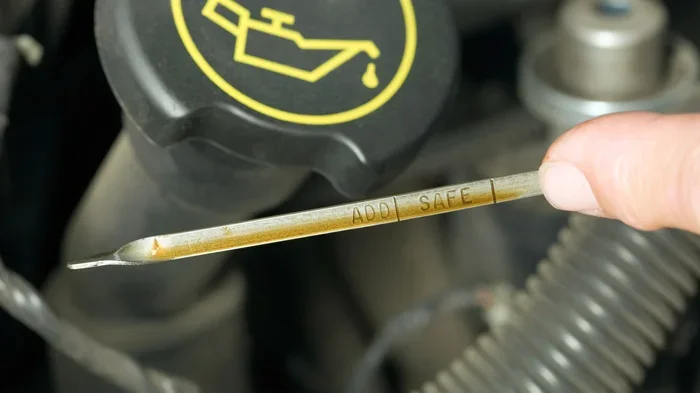
- Dark or gritty oil: Check your dipstick. Fresh oil is amber and translucent. Dark, gritty oil means it is time to drain and replace.
- Loud engine noises: If your engine starts knocking or ticking more than usual, old oil might not be providing enough lubrication.
- Reduced fuel economy: A sudden drop in miles per gallon can signal that your oil is no longer performing effectively.
- Burning smell: A smell of burning oil inside the cabin can indicate old oil is overheating or leaking.
If you are wondering whether low oil shows up on your dashboard, does low engine oil show on the dashboard in most modern vehicles? Yes, most cars have oil pressure warning lights that activate when levels drop too low.
Can You Change Your Own Oil?
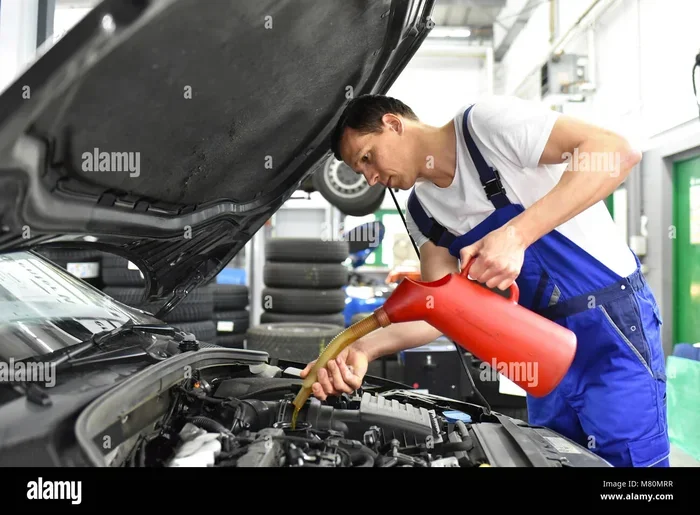
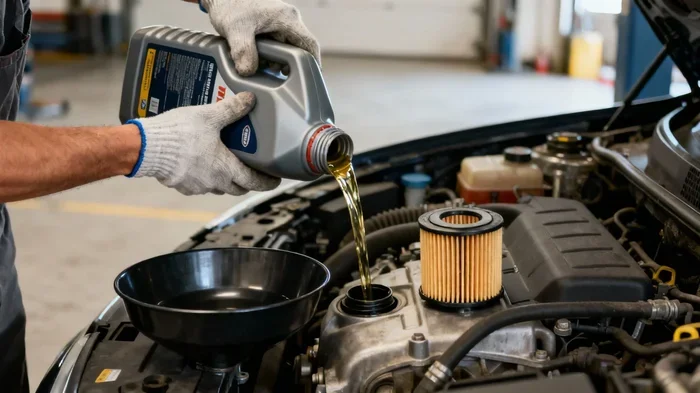
Absolutely. Changing your own oil is one of the most manageable DIY maintenance tasks. You need a few basic tools, a drain pan, the right oil, and a new filter. It saves money and gives you a better understanding of your vehicle.
If you want to try it yourself, can you do an oil and filter change yourself? Yes, with the right guidance and a little patience, most people can complete the job in under an hour. Just make sure you dispose of the old oil properly at a recycling center.
The Hidden Benefits of Regular Oil Changes
Beyond the immediate performance boost, regular oil changes offer benefits that you might not notice right away. These long-term advantages are just as important.
Extended Engine Life
Your engine is the most expensive component in your car. Protecting it should be a top priority. Fresh oil reduces wear on internal components. It prevents metal-on-metal contact that causes damage over time.
Studies show that vehicles with regular oil changes last significantly longer than those that skip them. A well-maintained engine can easily surpass 200,000 miles. Neglected engines often fail well before that milestone. The cost of an oil change is tiny compared to the cost of a rebuilt engine.
Improved Resale Value
If you ever plan to sell or trade in your vehicle, maintenance records matter. Buyers and dealers look for proof of regular oil changes. A car with documented maintenance history commands a higher price. It signals that the previous owner took good care of the vehicle.
Better Environmental Performance
A well-maintained engine runs more efficiently. It burns fuel more completely and produces fewer emissions. Fresh oil helps your engine operate cleanly. This is better for the environment and for the air you breathe.
Common Oil Change Mistakes to Avoid
Even with the best intentions, people sometimes make mistakes when it comes to oil changes. Here are the most common ones and how to avoid them.
Using the Wrong Oil Type
Not all oil is the same. Using the wrong oil viscosity can hurt your engine. Thicker oil might not flow properly in cold weather. Thinner oil might not provide enough protection under heavy loads. Always use the type recommended in your owner manual.
If you are curious about whether oil quality really matters, does it really matter what oil I put in my car? Yes, it absolutely does. The right oil formulation protects your engine in ways that generic alternatives cannot.
Skipping the Oil Filter
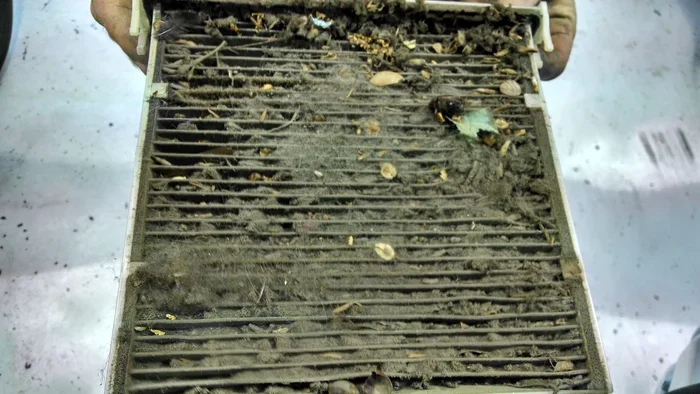
Some people think they can just drain the old oil and add new oil without replacing the filter. This is a mistake. The oil filter traps contaminants and debris. An old filter is already saturated with grime. It will quickly contaminate your fresh oil.
Always replace the filter with every oil change. It is a small cost that makes a big difference in keeping your engine oil clean.
Ignoring the Oil Change Reminder
It is tempting to push off an oil change when you are busy. But every mile you drive on old oil is a mile of increased wear. Set a reminder on your phone or calendar. Stay on top of your oil change interval. Your engine will thank you.
Expert Tips for Getting the Most from Your Oil Change
Want to make sure you are getting every benefit from your oil changes? Follow these expert tips.
- Check your oil level regularly: Do a quick dipstick check at least once a month. This helps you catch leaks or consumption issues early.
- Keep records: Write down every oil change date, mileage, and oil type. This helps you track your maintenance and proves your care if you ever sell the car.
- Warm up your engine before draining: Running the engine for a few minutes warms the oil. This helps it flow more freely and carry more contaminants out during the drain.
- Do not overfill: Too much oil can cause foaming and increased pressure. Follow the recommended fill amount for your engine.
- Choose a trusted mechanic or do it yourself: Whether you go to a shop or do it at home, make sure the person handling your oil change service is reliable and uses quality parts.
Conclusion
So why does your car always run better after an oil change? The answer comes down to one simple fact: fresh oil gives your engine what it needs to operate at its best. Clean engine oil reduces friction, improves heat management, removes contaminants, and boosts fuel efficiency. It is the single most important thing you can do for your vehicle’s health and performance.
Do not wait until your car starts showing signs of trouble. Stay ahead of your oil change schedule. Keep your engine properly lubricated. The small investment of time and money pays off in a smoother-running car, better fuel economy, and a longer-lasting engine. Your car works hard for you every day. Give it the care it deserves with a timely oil change.
Frequently Asked Questions
Why does my car sound different after an oil change?
Fresh oil provides better lubrication, which reduces metal-on-metal contact in the engine. This means fewer knocking and ticking sounds. Your engine runs quieter and smoother because all the moving parts are properly protected and can move freely without resistance.
How long does the performance improvement from an oil change last?
The improvement lasts until your oil begins to degrade again, which is typically between 3,000 and 10,000 miles depending on the oil type and your driving conditions. Sticking to your recommended oil change interval ensures you always enjoy peak engine performance.
Can I use any type of oil for my car?
No, you should always use the oil type and viscosity recommended by your vehicle manufacturer. Using the wrong oil can reduce performance and potentially cause engine damage. Check your owner manual or consult a trusted mechanic for the best recommendation.
Does an oil change actually improve fuel economy?
Yes, it can. Fresh oil reduces internal engine friction, which means the engine does not have to work as hard. This leads to better fuel efficiency over time. The improvement might be subtle but it adds up over thousands of miles.
What happens if I wait too long between oil changes?
Old oil breaks down and loses its lubricating properties. It accumulates sludge and contaminants that can clog passages and damage engine components. Waiting too long between changes can lead to overheating, reduced power, and eventually costly engine repairs.
Is it better to change oil at a shop or at home?
Both options work well if done correctly. A shop offers convenience and professional equipment, while a DIY change saves money and gives you hands-on knowledge of your vehicle. If you choose to do it yourself, make sure you have the right tools and dispose of the old oil properly at a recycling facility.