How Long Does Scheduled Maintenance Take on Your Car
Scheduled maintenance keeps your car running smoothly, but how long does it actually take? Most routine services like oil changes and tire rotations take between 30 minutes and two hours, while major maintenance can stretch to a full day. Understanding the time commitment helps you plan your schedule and avoid surprises.
Key Takeaways
- Basic services like oil changes and tire rotations typically take 30 minutes to 1 hour.
- Major maintenance such as transmission service or timing belt replacement can require 4 to 8 hours.
- Parts availability can add days or even weeks if components are on backorder.
- Regular upkeep reduces unexpected breakdowns and saves money over time.
- Check your owner’s manual for the recommended service interval and tasks.
- Ask for a time estimate before dropping off your car to plan your day.
📑 Table of Contents
What Is Scheduled Maintenance and Why Does It Matter?
Scheduled maintenance means following the manufacturer’s recommended service plan for your vehicle. It includes regular checks and replacements that keep your car safe, efficient, and reliable. Many drivers ignore this until something breaks, but staying ahead of the curve saves time and money. Think of it like brushing your teeth—small, consistent effort prevents big problems later.
So, how long does scheduled maintenance take? The answer depends on what the service involves. A simple oil change might only need 30 minutes. A full multi-point inspection with fluid flushes could take half a day. Knowing the typical time frames helps you book appointments without disrupting your whole week. It also helps you set realistic expectations for your mechanic.
Most manufacturers design maintenance schedules around mileage intervals, such as every 5,000, 15,000, or 30,000 miles. Each interval has a specific list of tasks. Some are quick visual checks, while others require specialized tools and parts. I’ll break down the common tasks and their time estimates so you know exactly what to expect.
How Long Does Each Common Maintenance Task Take?
Let’s look at the average time for each routine service item. These are the tasks you’ll encounter most often during the life of your car. Times can vary slightly based on the shop’s workload and your vehicle model, but these give you a solid baseline.
Oil and Filter Change
An oil change is the most frequent maintenance task. For most cars, it takes about 20 to 45 minutes. The mechanic drains the old oil, swaps the filter, and refills with fresh oil. If your car uses a specific type of oil, the process is the same, but the technician might double-check the spec. This quick service keeps your engine lubricated and clean.
Tire Rotation and Balance
Rotating your tires usually takes 30 to 60 minutes. The technician moves each tire to a different position to ensure even wear. Balancing adds a little extra time if the tires are out of round. You can often combine this with an oil change for a one-hour service window.
Brake Inspection and Pad Replacement
A brake inspection takes about 15 to 30 minutes. If the pads need replacing, expect 1 to 2 hours per axle. The mechanic removes the wheel, checks the rotors, and installs new pads. If the rotors need resurfacing or replacement, the time increases. Always address brake wear early—safe stopping is worth the wait.
Air Filter and Cabin Filter Replacement
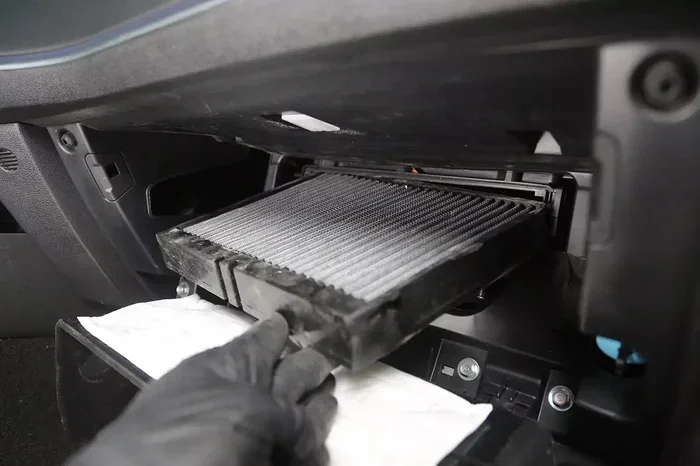
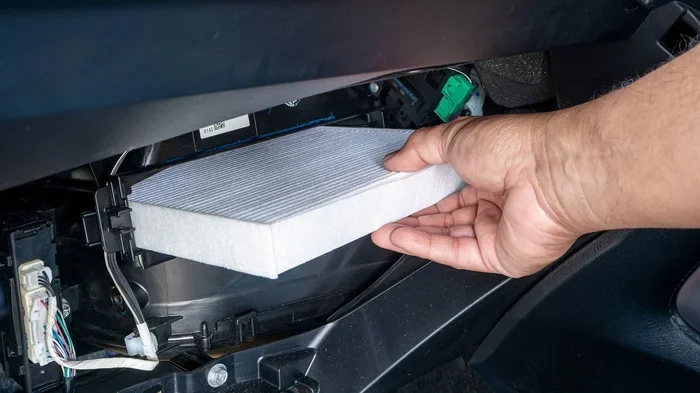
Swapping the engine air filter is a fast job, often under 15 minutes. The cabin filter, which cleans your interior air, takes about 10 to 20 minutes. Both are simple tasks that improve airflow and reduce allergens inside the car.
Fluid Flushes and Top-Ups
Coolant, transmission fluid, and brake fluid flushes take longer. A coolant flush typically requires 45 minutes to an hour. Transmission fluid changes can take 30 minutes to an hour, depending on whether the shop uses a machine or a manual drain. Brake fluid bleeding usually adds 30 minutes to a brake service. These fluids protect vital systems, so don’t skip them.
| Maintenance Task | Typical Time | Frequency |
|---|---|---|
| Oil and Filter Change | 20–45 minutes | Every 5,000–7,500 miles |
| Tire Rotation | 30–60 minutes | Every 5,000–7,500 miles |
| Brake Pad Replacement | 1–2 hours per axle | Every 25,000–70,000 miles |
| Air Filter Replacement | 15–20 minutes | Every 15,000–30,000 miles |
| Coolant Flush | 45–60 minutes | Every 30,000–50,000 miles |
| Transmission Service | 30–60 minutes | Every 60,000–100,000 miles |
| Timing Belt Replacement | 4–8 hours | Every 60,000–100,000 miles |
Factors That Can Extend Maintenance Time
Several things can make your scheduled maintenance take longer than the average estimate. Understanding these factors helps you plan and avoid frustration.
Parts Availability
Sometimes, the part your car needs isn’t in stock. If a component is on backorder, you might have to wait days or weeks before the service can begin. This is especially true for older models or specialty parts. Always ask the service advisor about part availability when you book the appointment.
Additional Discoveries During Inspection
Mechanics often find issues during a routine check. A minor leak, a worn belt, or a faulty sensor can add 30 minutes to several hours. The technician will usually contact you for approval before proceeding with extra work. This is why clear communication with your service center matters.
Vehicle Condition and Age
Older cars or those with high mileage may need more time. Rusty bolts, tight engine bays, or outdated systems can slow down the process. A newer car with straightforward access usually gets done faster. Your mechanic will do their best, but complex setups require patience.
Service Center Workload
Busy dealerships and repair shops may have a queue. Even if the job itself takes an hour, you might wait an extra 30 minutes for a bay to open. Booking during off-peak times, like mid-morning on a weekday, can reduce your wait.
Quick Tips to Minimize Downtime
You can take simple steps to make your scheduled maintenance faster and smoother. These tips save you time and help the technicians work efficiently.
- Book in advance. Schedule your service online or by phone. Choose a time when the shop is less crowded.
- Prepare your vehicle. Remove personal items from the trunk and cabin. A clean car lets the technician access parts quickly.
- Bring your service records. Handing over a printed or digital history of past repairs helps the mechanic understand your car’s needs at a glance.
- Be available by phone. If the shop finds an extra issue, they’ll need your quick approval. Staying reachable keeps the process moving.
- Ask about express service. Some shops offer a fast lane for routine oil changes and tire rotations. You might be in and out in 45 minutes.
Common Mistakes That Delay Your Service
Avoiding these common errors keeps your maintenance visit on track. Small oversights can turn a 1-hour job into a half-day affair.
- Skipping the pre-appointment check. If you ignore the maintenance required light on your dashboard, you might delay a needed service. Address the warning promptly so the mechanic can work on the right schedule.
- Not knowing your vehicle’s needs. Pull out your owner’s manual and review the maintenance schedule. Walk in with a list of due items so the service advisor doesn’t have to look everything up.
- Choosing the wrong service tier. Some shops offer basic, standard, and premium packages. Pick the one that matches your car’s current needs, not the most expensive one. Unnecessary extras add time and cost.
- Arriving late or without documents. Being late cuts into your booked slot. Forgetting your registration or service records means the team starts behind schedule.
- Ignoring fluid leak warnings. If you see a puddle under your car, mention it immediately. A small leak can turn into a long repair if the fluid runs low during the service.
When to Trust a Professional vs. DIY Maintenance
Some maintenance tasks are perfect for a weekend DIY project, while others demand a trained professional. Knowing the difference saves you time and keeps your warranty intact.
DIY-friendly tasks include checking and topping up windshield washer fluid, adding engine oil if you’re comfortable, replacing the cabin air filter, and swapping out the engine air filter. These jobs take 10 to 30 minutes and require minimal tools. They’re great for keeping your car fresh between professional services.
Leave the complex work to the pros. Timing belt replacement, transmission flush, brake system bleeding, and electrical diagnostics require special equipment and expertise. Attempting these without proper training can lead to costly mistakes and safety risks. A certified technician has the experience to finish the job right the first time.
If you’re unsure, ask the service advisor. They can tell you which tasks are quick and which need a full day. A good shop will always explain the work and give you an honest time estimate before starting.
Conclusion
Scheduled maintenance doesn’t have to eat up your entire day. Most routine services take between 30 minutes and two hours, while major jobs might need half a day or more. The key is planning ahead, knowing what tasks are due, and choosing a reliable service center. Staying on top of your car’s maintenance schedule keeps it running smoothly and prevents unexpected breakdowns. Next time you book a service, you’ll know exactly how long to set aside—and you’ll feel confident walking out the door.
Frequently Asked Questions
How long does a basic scheduled maintenance visit take?
A basic visit with an oil change, tire rotation, and fluid check usually takes 45 minutes to 1.5 hours. This is the most common service interval for most modern cars. You can often run errands while you wait.
Can I drive my car while maintenance is being performed?
Yes, you can usually leave your car at the shop and go about your day. Most service centers offer a shuttle, loaner car, or comfortable waiting area. If your car is undrivable, ask about towing options in advance.
What happens if a part is not available during scheduled maintenance?
The technician will pause the service and order the part. This can add a few days to the timeline. Some shops keep common parts in stock, but specialty items might need to be backordered. Always confirm part availability before committing to a time slot.
Is it okay to skip scheduled maintenance if my car seems fine?
Skipping maintenance might save time now, but it often leads to bigger problems later. Regular checks catch small issues before they become expensive repairs. Sticking to the schedule keeps your car reliable and safe.
How can I make my maintenance appointment go faster?
Book during off-peak hours, have your service records ready, and clearly list the work you need. Being prepared helps the team start immediately. Some shops also offer online check-in to save you waiting time.
Does the type of oil used affect maintenance time?
Not significantly. Whether you use conventional, synthetic blend, or full synthetic oil, the change process takes the same amount of time. The technician simply drains the old oil and refills with the specified type. Using the right oil, as explained in our guide on oil selection, ensures your engine stays protected.