What Would Cause Your Transmission Fluid to Disappear
Transmission fluid can disappear due to leaks, burned fluid, worn seals, or even a faulty torque converter. Ignoring low fluid levels can lead to serious transmission damage and expensive repairs. Understanding the causes helps you catch problems early and save money on transmission maintenance.
You park your car one morning and notice something is off. The transmission feels sluggish. Gear shifts are rough. And then you pop the hood to check the fluid level only to find it dangerously low. But you did not just use it up, did you? Transmission fluid does not just vanish into thin air. Something is causing it to disappear, and figuring out why fast can save you hundreds or even thousands of dollars.
Whether you drive an automatic transmission or a manual setup, transmission fluid is the lifeblood of your gearbox. It keeps everything lubricated, cool, and running smoothly. When that fluid starts dropping without any obvious explanation, it is time to investigate. This guide covers every major reason your transmission fluid might be disappearing, how to spot the problem, and what you can do about it.
Let us walk through the most common culprits so you can take action before a small issue turns into a major repair bill.
Key Takeaways
- Leaks are the #1 cause: Worn seals, gaskets, and pan damage let fluid escape silently.
- Burned fluid disappears faster: Overheating breaks down fluid, causing it to burn off inside the system.
- External and internal leaks both matter: You may not always see a puddle under your car.
- Regular checks prevent disaster: Using the transmission dipstick helps you catch low levels early.
- Driving on low fluid destroys transmissions: Even a short drive without enough fluid can cause costly damage.
- DIY fixes work for minor leaks: Small seal replacements and gasket swaps are doable at home.
📑 Table of Contents
External Leaks: The Most Common Culprit
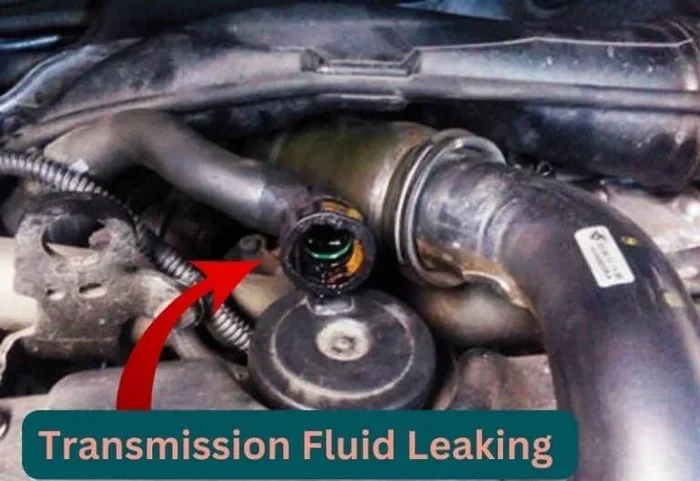
External leaks happen when transmission fluid escapes from the outside of the system. These are usually the easiest to spot, but they can be tricky to locate if the leak is small or intermittent.
Worn Transmission Pan Gasket
The transmission pan sits underneath your vehicle and holds a good portion of the fluid. Over time, the gasket that seals the pan to the transmission can wear out, crack, or deteriorate. When this happens, fluid slowly seeps out, often leaving a slick puddle on your driveway.
Signs of a worn pan gasket include:
- Fluid spots under your car, especially near the middle or front
- A gradual drop in fluid level over weeks or months
- Low fluid even after you top it off
- Visible gasket material or residue around the pan edges
Replacing a transmission pan gasket is one of the more affordable repairs you can do. If you are handy with tools, you can often handle this yourself. Just make sure you use the right transmission fluid type for your vehicle when you refill.
Damased Transmission Seals and Lines
Your transmission has several seals and fluid lines that connect different parts of the system. The output shaft seal, input shaft seal, and various O-rings all work to keep fluid contained. When any of these wear out or crack, fluid starts to leak.
Transmission cooler lines are another common leak point. These lines carry fluid between the transmission and the radiator. They can corrode, crack, or loosen at the fittings over time. A damaged cooler line can drain a significant amount of fluid surprisingly fast.
Quick tip: Park your car on clean pavement and check underneath after a few hours. Even a small leak will leave a telltale trail of red or pink fluid.
Loose or Damaged Transmission Pan
Sometimes the problem is as simple as a loose transmission pan bolt. Vibration from driving can gradually loosen bolts over time, creating small gaps where fluid escapes. A impact from road debris can also dent or puncture the pan, causing a sudden loss of fluid.
If you recently had your transmission serviced or the pan removed for any reason, double-check that all bolts are torqued to the manufacturer specification. A loose bolt is one of the most overlooked causes of fluid loss.
Internal Leaks: The Hidden Threat
Not all fluid loss comes from underneath your car. Internal leaks happen inside the transmission itself, and they are much harder to detect without professional diagnosis.
Torque Converter Failure
The torque converter is a key component in automatic transmissions. It transfers power from the engine to the transmission and holds fluid inside its housing. When the torque converter develops a fault, fluid can leak internally or get pushed out through the vent.
A failing torque converter often shows other symptoms alongside fluid loss:
- Slipping gears or hesitation during shifts
- Unusual whining or buzzing noises
- Overheating of the transmission
- Check engine light triggering related codes
If you suspect a torque converter issue, have a mechanic inspect it sooner rather than later. Driving with a bad torque converter accelerates fluid loss and can cause additional damage to the valve body and other internal parts.
Cracked Valve Body or Internal Passages
The valve body controls the flow of transmission fluid through the system. It contains numerous channels and valves that direct fluid pressure to engage different gears. When the valve body cracks or internal passages become damaged, fluid can leak into areas where it should not be.
This type of internal leak often burns off the fluid through the transmission’s ventilation system. That means you may never see a puddle, but the fluid level keeps dropping. This is one reason why regular transmission maintenance and fluid level checks are so important.
Worn Piston Seals and Clutch Packs
Inside the transmission, piston seals and clutch packs create the pressure needed to engage gears. Over time, these seals wear down and can allow fluid to bypass them. The fluid gets burned or consumed in the process, leading to a gradual but steady drop in level.
This type of internal wear usually signals that the transmission needs a rebuild or at least a full fluid flush with new seals installed. Catching it early can sometimes prevent a full rebuild.
Burned Transmission Fluid
Transmission fluid breaks down over time, especially when exposed to high heat. When fluid overheats, it starts to burn off and evaporate, which reduces the overall level in the system. This is one of the most common reasons fluid disappears without any visible leak.
Overheating Causes
Several factors can cause your transmission to overheat and burn the fluid:
- Towing heavy loads without the proper equipment
- Driving in extreme heat or stop-and-go traffic for long periods
- A malfunctioning transmission cooler
- Low fluid levels to begin with, creating a cycle of overheating
- Old or degraded fluid that no longer protects against heat
Burnt fluid looks dark brown or black and often has a sharp, burnt smell. Healthy transmission fluid is typically red or pink and has a slightly sweet smell. If your fluid looks or smells off, it is time for a transmission fluid change.
How Fluid Burning Leads to Disappearance
When transmission fluid overheats, it breaks down chemically. The additives burn off, and the base fluid can vaporize and escape through the transmission vent. This process is slow and invisible, which makes it dangerous. You might not notice anything until the fluid level is critically low.
To prevent this, change your transmission fluid at the intervals recommended by your vehicle manufacturer. Check your owner’s manual or ask your dealer about the proper transmission fluid capacity for your specific model.
Evaporation and Venting Issues
You might be surprised to learn that transmission fluid can actually evaporate. While it happens more slowly than engine oil, it does occur, especially in older vehicles or those with venting problems.
Transmission Vent System Problems
Every transmission has a vent system that allows air to flow in and out as fluid expands and contracts with temperature changes. If the vent becomes clogged or damaged, pressure builds up inside the transmission. This excess pressure can force fluid out through seals, gaskets, or other weak points.
On the flip side, a vent that is too open can allow fluid to escape more easily, especially during highway driving when the transmission is hot and under load.
Operating Conditions That Increase Evaporation
Certain driving habits and conditions speed up fluid evaporation:
- Frequent towing or hauling heavy loads
- Driving in very hot climates
- Stop-and-go city driving that keeps the transmission hot
- Racing or aggressive driving that generates excess heat
If you drive in any of these conditions, check your transmission fluid level more often than the standard maintenance schedule recommends. Catching a slow drop early gives you time to address the root cause before damage occurs.
Human Error: Overlooked Causes
Sometimes the simplest explanation is the right one. Human error accounts for more fluid loss cases than most people realize.
Improper Fluid Fill After Service
If you or a mechanic recently serviced your transmission, the fluid may simply have been underfilled to begin with. This is surprisingly common, especially at quick-lube shops or dealerships that rush through appointments. Always verify the fluid level yourself after any service, using the proper method for your vehicle.
And remember, you should check transmission fluid while running for most vehicles, as the fluid needs to be warm and circulating to give an accurate reading on the dipstick.
Using the Wrong Fluid Type
Not all transmission fluids are the same. Using the wrong type can cause the fluid to break down faster, leak past seals more easily, or simply not function as designed. Always use the fluid specification listed in your owner’s manual.
If you are unsure which fluid to use, check with your dealership or a trusted mechanic. Using the correct fluid is a small step that prevents a lot of problems down the road.
Fluid Not Topped Off After a Repair
If you have had any work done on the transmission recently, such as a filter change, gasket replacement, or solenoid replacement, fluid may have been lost during the process. Always ask the technician to verify the fluid level after completing any transmission work.
How to Find and Fix Transmission Fluid Loss
Now that you understand the main causes, let us talk about what you can actually do about it. Finding the source of fluid loss is the first step, and fixing it is the second.
Step-by-Step: Checking Your Transmission Fluid Level
- Park your car on a level surface and let the engine warm up.
- Shift through all gears and then return to park.
- Locate the transmission dipstick. Not all vehicles have one, so check your owner’s manual if you are unsure.
- Pull the dipstick, wipe it clean, reinsert it fully, then pull it out again.
- Check the fluid level against the markings on the dipstick.
- Observe the fluid color and smell. It should be red or pink and have a mild sweet odor.
If the level is below the minimum mark and you have not recently had any work done, you likely have a leak somewhere. The next step is to identify where the fluid is going.
Step-by-Step: Locating the Leak
- Place clean cardboard or a drip pan under your car.
- Leave the car parked for several hours or overnight.
- Check the cardboard for any red or pink fluid spots.
- Inspect the transmission pan, seals, and lines visually for wetness or residue.
- Use a UV dye and black light for hard-to-find leaks (available at auto parts stores).
Once you find the leak source, you can decide whether to fix it yourself or take the car to a professional. Small gasket and seal replacements are often DIY-friendly. Internal leaks and torque converter problems require a qualified mechanic.
Prevention Tips to Keep Fluid at the Right Level
- Check your transmission fluid level at least once a month
- Change fluid at the intervals specified in your owner’s manual
- Use the correct fluid type for your vehicle
- Avoid towing beyond your vehicle’s rated capacity
- Address any leaks immediately, even if they seem small
- Keep your transmission cooler system clean and functioning
Taking these simple steps goes a long way toward preventing fluid loss and keeping your transmission healthy for the long haul.
What Happens When You Ignore Low Transmission Fluid
It can be tempting to just top off the fluid and keep driving, but ignoring a disappearing fluid problem is a recipe for disaster. Low transmission fluid leads to increased friction, overheating, and accelerated wear on internal components.
Over time, you may experience:
- Slipping gears that fail to engage properly
- Delayed or harsh gear shifts
- Unusual grinding or whining noises
- Complete transmission failure requiring a full rebuild or replacement
Transmission repairs are among the most expensive automotive fixes. A full rebuild can cost anywhere from $1,500 to $5,000 or more depending on your vehicle. Catching a fluid loss problem early and addressing it promptly can easily save you thousands of dollars.
If you ever find yourself in a situation where the transmission fluid is critically low, do not keep driving. Towing the vehicle to a repair shop is the safest option. Even a short drive without adequate fluid can cause irreversible damage to the gears, clutch packs, and internal bearings.
Also, if you are wondering about other fluid-related issues, check out our guide on whether you can use 2-year-old brake fluid or if skipping oil changes can cause overheating. Both are related to the broader topic of keeping your vehicle’s fluids in top shape.
Conclusion
Transmission fluid disappearing is never normal, and it is never something to ignore. Whether the cause is a simple external leak from a worn gasket, an internal leak from a failing torque converter, or just burned and evaporated fluid from overheating, the key is to act quickly. Check your fluid level regularly, watch for warning signs like rough shifting or fluid spots under your car, and address any issues as soon as you notice them.
With the right knowledge and a proactive approach, you can keep your transmission healthy and avoid costly repairs. Stay on top of your transmission fluid maintenance, and your gearbox will thank you for years to come.
Frequently Asked Questions
Can low transmission fluid cause a car to overheat?
Yes, absolutely. Transmission fluid plays a critical role in cooling the internal components of your gearbox. When the fluid level drops too low, there is not enough lubrication or heat dissipation, which causes the transmission to overheat quickly. This is why checking your fluid level regularly is so important.
How do I know if my transmission fluid is leaking externally or internally?
External leaks usually leave visible fluid spots under your car and wet spots on the transmission housing. Internal leaks do not produce visible signs under the car but may cause the fluid level to drop over time. If you cannot find an external leak but the fluid keeps disappearing, an internal leak is likely the cause.
How often should I check my transmission fluid level?
You should check your transmission fluid at least once a month and before any long road trips. Unlike engine oil, transmission fluid does not burn off at the same rate, so a drop in level almost always indicates a leak or another problem that needs attention.
Is it safe to drive with low transmission fluid?
No, driving with low transmission fluid is very risky. The fluid provides both lubrication and cooling for internal components. Without enough fluid, the transmission can overheat, gears can slip, and internal parts can grind against each other. Even a short drive can cause permanent damage.
Can a bad catalytic converter cause transmission fluid issues?
A bad catalytic converter does not directly cause transmission fluid loss. However, a clogged catalytic converter can cause your engine to run hotter than normal, which may indirectly affect the transmission cooler and cause fluid to overheat and break down faster. If you are experiencing both issues, it is worth investigating both systems.
What is the difference between transmission fluid and engine oil?
Transmission fluid is specifically formulated to lubricate, cool, and operate the complex components inside your transmission, including clutch packs, bands, and valve bodies. Engine oil lubricates the engine’s moving parts. They are not interchangeable, and using the wrong fluid can cause serious damage to either system.
=== CONCLUSION ===
Your transmission fluid should not disappear without a trace. When it does, there is always a reason, and that reason almost always points to a problem that needs attention. From external leaks and worn gaskets to internal issues like torque converter failure and valve body cracks, the causes are varied but all manageable when caught early. The best thing you can do is stay vigilant. Check your fluid levels regularly, watch for warning signs, and never ignore a dropping fluid level. Your transmission is one of the most expensive components in your vehicle to repair, and a little preventive care goes an incredibly long way.