What Is a Reasonable Price for an Oil Change Today
A reasonable oil change price typically ranges from $35 to $75 for conventional oil and $65 to $125 for synthetic oil. The cost depends on your vehicle type, oil quality, and where you get the service. Understanding these factors helps you avoid overpaying and keeps your engine running smoothly.
Key Takeaways
- Average oil change cost: Expect to pay between $35 and $125 depending on oil type and location.
- Synthetic vs. conventional: Synthetic oil changes cost more but offer better engine protection and longer intervals.
- Location matters: Dealerships charge more than independent shops and quick lube centers.
- You can negotiate: Many shops are willing to work with you on pricing, especially if you ask.
- DIY is cheaper: Changing your own oil and filter can save you significant money over time.
- Don’t skip oil changes: Skipping this essential maintenance can lead to costly engine repairs down the road.
📑 Table of Contents
- What Is a Reasonable Price for an Oil Change Today?
- Average Oil Change Cost by Oil Type
- Factors That Affect Oil Change Price
- Can You Negotiate an Oil Change Price?
- Should You Change Your Oil Yourself?
- Does the Type of Oil You Use Really Matter?
- How Often Should You Really Change Your Oil?
- How to Find a Fair Oil Change Price Near You
- Common Mistakes People Make With Oil Changes
- Expert Insights on Oil Change Pricing
- Can Low Oil Cause Your Car to Overheat?
- Final Thoughts on Reasonable Oil Change Pricing
What Is a Reasonable Price for an Oil Change Today?
You have probably wondered about the reasonable price for an oil change at some point. Maybe you saw a flyer at the gas station. Or maybe your dashboard light just came on and you panicked a little. Either way, you are not alone. Many car owners ask this exact question every single day.
The truth is, there is no single fixed price. Oil change costs vary a lot. They depend on your vehicle, the type of oil you use, and where you go for service. A reasonable oil change price can range from around $35 all the way up to $125 or more. That is a big range. But once you understand what drives the cost, it all starts to make sense.
This guide breaks down everything you need to know. We will cover average costs, what affects pricing, and how to make sure you are not overpaying. By the end, you will feel confident walking into any shop and knowing what a fair deal looks like.
Average Oil Change Cost by Oil Type
The type of oil your car uses is the single biggest factor in pricing. Let us look at the three main options and what they typically cost.
Conventional Oil Change
A conventional oil change is the most affordable option. It usually costs between $35 and $65. This type of oil works well for older vehicles or those with simpler engines. Most drivers with standard commuter cars do just fine with conventional oil.
Conventional oil needs to be changed more often too. Most manufacturers recommend changing it every 3,000 to 5,000 miles. That means you will be paying for this service more frequently over the life of your car.
Synthetic Blend Oil Change
A synthetic blend oil change falls in the middle. You can expect to pay between $50 and $85. This oil mixes conventional and full synthetic oils. It offers better protection than conventional oil at a lower price than full synthetic.
Many modern vehicles come recommended for synthetic blend. If you drive in extreme temperatures or tow heavy loads, this might be a good middle ground for you.
Full Synthetic Oil Change
Full synthetic oil changes cost the most. You will typically pay between $65 and $125. But the benefits are real. Full synthetic oil lasts longer, protects your engine better, and performs well in extreme conditions.
Many newer vehicles require synthetic oil. If you own a luxury car, a performance vehicle, or a newer model, this is likely what you need. The higher oil change cost is worth the extra engine protection.
| Oil Type | Average Price Range | Change Interval | Best For |
|---|---|---|---|
| Conventional | $35 – $65 | 3,000 – 5,000 miles | Older vehicles, basic commuting |
| Synthetic Blend | $50 – $85 | 5,000 – 7,500 miles | Moderate driving, mixed conditions |
| Full Synthetic | $65 – $125 | 7,500 – 10,000 miles | Newer vehicles, extreme conditions |
Factors That Affect Oil Change Price
Why does an oil change cost so much at one place and less at another? Several factors come into play. Let us break them down.
Your Vehicle Type
The make and model of your car matters a lot. A standard sedan needs less oil and a simpler filter. A truck, SUV, or performance vehicle might need more oil and a specialty filter. Vehicle maintenance cost goes up with bigger engines and luxury models.
For example, a Toyota Camry might cost $45 to service. A BMW or Mercedes might cost $100 or more. The difference comes down to oil capacity, filter type, and labor time.
Where You Go for Service
Location is a huge part of the oil change price equation. Here is how different service spots compare:
- Dealerships: These tend to charge the most. You might pay $80 to $125. But they use factory-approved parts and have trained technicians.
- Quick lube shops: Places like Jiffy Lube or Valvoline offer fast service. Prices usually fall between $40 and $70.
- Independent mechanics: These shops often have the best prices. You can expect $35 to $60 for most vehicles.
- DIY: Doing it yourself is the cheapest route. A DIY oil change can cost as little as $20 to $40 in supplies.
Your Location
Where you live affects pricing too. Oil changes in big cities often cost more than in rural areas. Taxes, rent, and labor costs all play a role. A reasonable oil change price in one city might look high in another.
Additional Services
Many shops bundle extra services into the oil change price. These can include tire rotation, fluid top-offs, and multi-point inspections. Some of these are genuinely helpful. Others are upsells you can skip. Always ask what is included before you approve the work.
Can You Negotiate an Oil Change Price?
Here is a question many people do not ask: can you negotiate the price? The short answer is yes. Many shops are open to discussion, especially independent mechanics and quick lube places.
If you see a competitor offering a lower oil change price, mention it. Ask if they can match it or offer a discount. Some shops run coupons or loyalty programs that can bring the cost down. It never hurts to ask.
For more tips on getting the best deal, check out our guide on negotiating oil change prices. It covers strategies that really work.
Should You Change Your Oil Yourself?
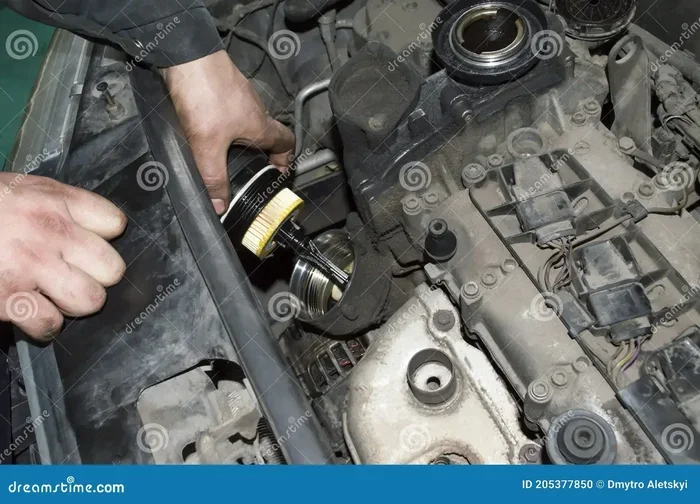
Changing your own oil is one of the easiest DIY car maintenance tasks. If you are handy and comfortable getting under your car, it can save you a lot of money. A basic oil and filter change kit costs around $20 to $40. That is often less than what a shop charges for labor alone.
But DIY is not for everyone. You need the right tools, a safe place to work, and a way to dispose of the old oil properly. If any of that sounds like a hassle, a professional service is perfectly fine.
Want to learn more? Our article Can You Do An Oil And Filter Change Yourself? walks you through the entire process step by step.
Quick Tips for DIY Oil Changes
- Buy the right oil for your vehicle. Check your owner’s manual.
- Use a quality oil filter from a trusted brand.
- Dispose of old oil at a recycling center. Never pour it down the drain.
- Keep track of your mileage so you know when the next change is due.
- Set a reminder on your phone so you never miss a change interval.
Does the Type of Oil You Use Really Matter?
Some people think all oil is basically the same. That is not true. The type of oil you use has a big impact on engine health and longevity.
Does it really matter what oil I put in my car? Absolutely. Conventional oil breaks down faster under heat. Synthetic oil handles extreme temperatures much better. Using the wrong oil can reduce engine life and void your warranty.
For a deeper look at this topic, read our article Does It Really Matter What Oil I Put In My Car? It covers everything from viscosity ratings to manufacturer recommendations.
Understanding Oil Viscosity
You have probably seen numbers like 5W-30 or 10W-40 on oil bottles. These numbers tell you the oil’s viscosity, or thickness, at different temperatures. The first number (with the W for winter) shows how the oil flows in cold weather. The second number shows how it performs at engine operating temperature.
Always use the viscosity your manufacturer recommends. Using the wrong grade can affect engine performance and fuel economy. When in doubt, check your owner’s manual or ask a trusted mechanic.
How Often Should You Really Change Your Oil?
The old rule of thumb was every 3,000 miles. But modern engines and better oils have changed things. Many newer cars can go 7,500 to 10,000 miles between oil changes.
Your oil change interval depends on several factors:
- The type of oil you use
- Your driving habits
- Your vehicle’s age and condition
- Climate and weather conditions
If you do a lot of stop-and-go driving or short trips, you might need to change your oil more often. This is called “severe driving” and it puts more stress on your engine.
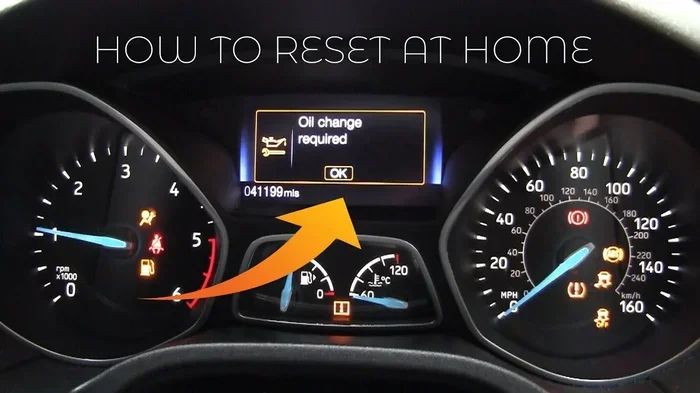
Many modern cars have an oil life monitor that tells you exactly when a change is needed. Pay attention to this system. It is more accurate than a fixed mileage rule.
Signs Your Oil Needs Changing Soon
Even if your mileage is not at the standard interval, watch for these warning signs:
- Dark or dirty oil on the dipstick
- A burning smell coming from the engine area
- Unusual engine noise or knocking
- Reduced fuel efficiency
- The oil pressure warning light comes on
If you notice any of these, get your oil checked right away. Skipping an oil change when your car needs one can lead to serious engine damage.
How to Find a Fair Oil Change Price Near You
Finding a fair price starts with a little research. Here is how to make sure you are getting a good deal.
Step 1: Know Your Numbers
Before you visit any shop, know what oil your car needs and how much oil it takes. Check your owner’s manual. This information helps you compare quotes accurately. If a shop quotes you $40 for a synthetic oil change but your car needs full synthetic, something does not add up.
Step 2: Get Multiple Quotes
Call or check online for prices at a few different places. Compare what is included in the price. Some shops include a free tire rotation or multi-point inspection with the oil change. That adds value even if the sticker price is slightly higher.
Step 3: Look for Coupons and Deals
Many shops offer coupons through their websites, apps, or email newsletters. You can also find deals on coupon apps or local deal sites. A good oil change coupon can save you $10 to $25 off a single service.
Step 4: Ask About Loyalty Programs
If you plan to stick with one shop, ask about a loyalty program. Many places offer a discounted price after your third or fifth visit. Over time, these savings add up nicely.
Common Mistakes People Make With Oil Changes
Avoiding these mistakes can save you money and protect your engine.
Skipping Oil Changes
This is the biggest mistake. Some people put off oil changes because they are busy or they think they can stretch the interval. Old oil loses its lubricating properties. It becomes gritty and less effective. Over time, this causes wear and tear on your engine that could have been easily prevented.
Using the Wrong Oil
Not all oils are created equal. Using conventional oil in a car that requires synthetic can cause problems. Always follow your manufacturer’s recommendation. When in doubt, ask a professional.
Ignoring the Oil Filter
The oil filter catches dirt and debris. A clogged filter lets contaminants flow through your engine. Always replace the filter with every oil change. It is a small cost that makes a big difference.
Choosing the Cheapest Option Every Time
While saving money is smart, the absolute cheapest option is not always the best. Very low prices sometimes mean low-quality oil, skipped inspections, or rushed work. Find a balance between fair pricing and quality service.
Expert Insights on Oil Change Pricing
We asked experienced mechanics what they wish more car owners understood about oil change costs. Here is what they had to say.
“The price of an oil change is not just about the oil,” says one veteran technician. “You are paying for the filter, the labor, and the expertise of the person doing the work. A good shop will also check your fluid levels, look at your belts and hoses, and spot potential problems early.”
Another mechanic adds: “I see people who wait way too long between changes, and I see people who get their oil changed too often. Both extremes cost money. Follow your owner’s manual and you will be right in the sweet spot.”
For more on how often to change your oil, check out our guide on when your oil life percentage should trigger a change. It is a great resource for understanding your car’s built-in maintenance system.
Can Low Oil Cause Your Car to Overheat?
Yes, it absolutely can. Oil does more than just lubricate moving parts. It also helps regulate engine temperature. When oil levels drop too low, friction increases. That friction generates heat. Over time, this can cause your engine to overheat.
If you notice your temperature gauge climbing, check your oil level first. Low oil is one of the most common causes of engine overheating. To learn more about this connection, read our article Can A Car Overheat With Low Oil? It covers the warning signs and what to do if your car overheats.
Final Thoughts on Reasonable Oil Change Pricing
So what is the reasonable price for an oil change today? For most drivers, you should expect to pay somewhere between $35 and $125. The exact number depends on your oil type, vehicle, and service location.
The best approach is to do a little homework. Know what your car needs. Compare prices at a few places. And do not be afraid to ask questions. A good shop will be happy to explain what you are paying for.
Regular oil changes are one of the simplest and most important things you can do for your car. They keep your engine running smoothly, improve fuel economy, and prevent expensive repairs. The oil change cost is small compared to what a neglected engine repair can cost.
Whether you go to a dealership, a quick lube shop, or do it yourself, the most important thing is that you do it consistently. Stay on top of your maintenance schedule and your car will reward you with years of reliable service.
Frequently Asked Questions
Is $50 a good price for an oil change?
For a conventional or synthetic blend oil change, $50 is a very reasonable price. It falls right in the middle of the average range. If you are getting full synthetic oil, $50 might even be a great deal. Always check what type of oil and filter are included in the price.
How often should I get an oil change?
It depends on your vehicle and the type of oil you use. Conventional oil usually needs changing every 3,000 to 5,000 miles. Synthetic oil can last 7,500 to 10,000 miles. Check your owner’s manual for the manufacturer’s specific recommendation.
Can I use any oil for my car?
No, you should always use the oil type and viscosity recommended by your manufacturer. Using the wrong oil can reduce engine performance and potentially void your warranty. When in doubt, ask a trusted mechanic or check your owner’s manual.
Why do dealership oil changes cost more?
Dealerships typically charge more because they use factory-approved parts and employ factory-trained technicians. They also have higher overhead costs. For many newer vehicles still under warranty, dealership service is worth the extra cost to maintain warranty coverage.
What happens if I skip an oil change?
Old oil breaks down and loses its ability to lubricate and cool your engine. This leads to increased friction, overheating, and eventually serious engine damage. Skipping oil changes is one of the cheapest maintenance tasks you can skip and the most expensive one in the long run.
Does an oil change coupon really save money?
Yes, oil change coupons can save you anywhere from $10 to $25 per service. Many shops offer them through their websites, email newsletters, or mobile apps. Signing up for a shop’s loyalty program can also lead to ongoing savings on every visit.
=== CONCLUSION ===
Understanding what a reasonable price for an oil change is today empowers you as a car owner. You now know that the average cost ranges from $35 to $125 depending on oil type, vehicle, and service location. You know that synthetic oil costs more but lasts longer. You know that you can negotiate, compare prices, and even do it yourself if you are comfortable.
The most important takeaway is this: do not skip your oil changes. Regular maintenance is the best way to protect your engine and avoid costly repairs down the road. Use the tips in this article to find a fair price and a reliable service provider. Your car will thank you for it.