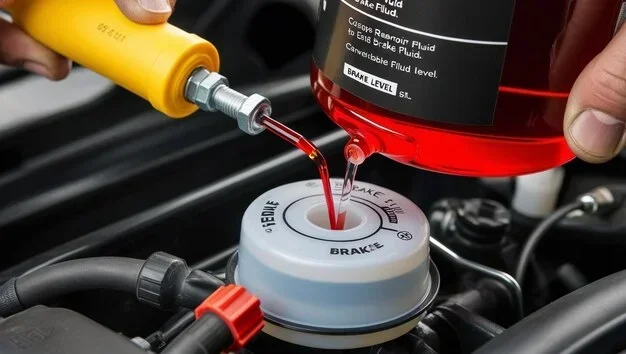
Can I Use 2-Year-Old Brake Fluid What You Need to Know
Using 2-year-old brake fluid can be risky because it absorbs moisture over time, lowering its boiling point and potentially compromising your braking system. While properly stored sealed bottles may still be safe, open or poorly stored fluid should be replaced. This article covers everything you need to know about brake fluid shelf life, storage, and safety.
You dig into the garage and find a bottle of brake fluid sitting on the shelf. It has been there for two years. You think about using it for your next brake fluid change or top-off. But a question pops into your head. Can I use 2-year-old brake fluid? Is it still safe? Is it still effective?
These are really important questions. Your brakes are the most critical safety system in your car. You do not want to take any chances with something that could fail when you need it most. In this guide, we will walk through everything you need to know about using old brake fluid. We will cover shelf life, storage, risks, and the best way to keep your brake system in top shape.
By the end of this article, you will have a clear answer. You will know whether that old bottle is worth using or whether you should toss it and buy fresh fluid. Let us get into it.
Key Takeaways
- Brake fluid degrades over time: Even unopened bottles lose effectiveness after 2 years due to moisture absorption and chemical breakdown.
- Proper storage matters: Sealed containers stored in cool, dry places last longer than those left open or in harsh conditions.
- DOT ratings affect shelf life: DOT 3 and DOT 4 fluids are glycol-based and hygroscopic, while DOT 5 is silicone-based and handles moisture differently.
- Old brake fluid risks safety: Contaminated fluid can cause brake fade, spongy pedals, and reduced stopping power.
- Testing helps you decide: Brake fluid test strips and moisture meters can tell you if your fluid is still within safe limits.
- When in doubt, replace it: Brake fluid is inexpensive compared to the cost of brake failure or an accident.
📑 Table of Contents
- Can I Use 2-Year-Old Brake Fluid? The Short Answer
- Understanding Brake Fluid Types and Their Shelf Life
- How to Tell If Brake Fluid Is Still Good
- Risks of Using Old Brake Fluid
- How to Store Brake Fluid Properly
- Brake Fluid Replacement: When and How
- Common Mistakes People Make With Brake Fluid
- Expert Insights on Brake Fluid Maintenance
- Frequently Asked Questions
- Final Thoughts
Can I Use 2-Year-Old Brake Fluid? The Short Answer
The short answer is: it depends. If the bottle has been sealed and stored properly, 2-year-old brake fluid may still be safe to use. However, if the bottle has been opened, exposed to air, or stored in a hot or humid environment, it is best to replace it with fresh fluid.
Brake fluid is hygroscopic. That means it naturally absorbs moisture from the air over time. Even a sealed bottle can absorb small amounts of moisture through the seal. After two years, the fluid may have absorbed enough water to lower its boiling point and reduce its effectiveness.
Here is what you need to think about before using that old bottle:
- Has the bottle been opened before?
- How was it stored? Was it in a cool, dry place?
- What type of brake fluid is it? DOT 3, DOT 4, or DOT 5?
- Does the fluid look dark or discolored?
- Is the seal intact and airtight?
If you answered yes to most of these questions and the fluid has been stored well, it might still be okay. But if anything seems off, do not take the risk. Brake fluid is cheap. Your safety is not.
Why Brake Fluid Degrades Over Time
Brake fluid is not like motor oil. It does not just get dirty. It undergoes chemical changes that affect how it performs. The main reason brake fluid degrades is moisture absorption.
Brake systems are not completely sealed. Over time, tiny amounts of air and moisture enter the system through brake lines, fittings, and the reservoir cap. This moisture mixes with the brake fluid and causes several problems:
- Lower boiling point: Brake fluid needs to handle extreme heat. When you brake hard, the temperature at the caliper can exceed 200 degrees Fahrenheit. Water in the fluid boils at a much lower temperature than brake fluid does. This creates air bubbles, which compress under pressure and cause a spongy brake pedal.
- Corrosion inside the brake system: Moisture causes rust and corrosion inside brake lines, calipers, and the master cylinder. This can lead to leaks and expensive repairs.
- Reduced braking performance: Contaminated fluid does not transmit hydraulic pressure as effectively. This means longer stopping distances and less responsive brakes.
These are serious issues. Even a small amount of moisture can make a big difference. That is why most car manufacturers recommend changing brake fluid every 2 years, regardless of how many miles you have driven.
Understanding Brake Fluid Types and Their Shelf Life
Not all brake fluid is the same. Different types have different chemical compositions, and this affects how long they last. Let us break down the most common types.
DOT 3 Brake Fluid
DOT 3 is the most common type of brake fluid. It is glycol-based and hygroscopic, meaning it absorbs moisture readily. DOT 3 has a dry boiling point of at least 401 degrees Fahrenheit and a wet boiling point of at least 284 degrees Fahrenheit.
Because it absorbs moisture so easily, DOT 3 has a limited shelf life. An unopened bottle stored properly can last about 2 years. Once opened, it should be used within a few months. After 2 years, even an unopened bottle of DOT 3 may have absorbed enough moisture to fall below safe standards.
DOT 4 Brake Fluid
DOT 4 is also glycol-based but has a higher boiling point than DOT 3. It is commonly used in modern cars and performance vehicles. The dry boiling point is at least 446 degrees Fahrenheit, and the wet boiling point is at least 311 degrees Fahrenheit.
DOT 4 has a similar shelf life to DOT 3. It can last about 2 years in a sealed container. However, it tends to absorb moisture faster once opened because of its chemical composition. If you are using DOT 4, it is even more important to store it properly and replace it on schedule.
DOT 5 Brake Fluid
DOT 5 is silicone-based, which makes it very different from DOT 3 and DOT 4. It does not absorb moisture the same way glycol-based fluids do. This gives it a longer shelf life and more stable performance over time.
However, DOT 5 is not compatible with all brake systems. It is primarily used in classic cars and military vehicles. It also does not mix with DOT 3 or DOT 4 fluids. If you are considering DOT 5, make sure your vehicle is compatible.
DOT 5.1 Brake Fluid
DOT 5.1 is a glycol-based fluid with a very high boiling point. It offers performance similar to DOT 4 but with even higher temperature resistance. Its shelf life is similar to DOT 3 and DOT 4, around 2 years when sealed and stored properly.
How to Tell If Brake Fluid Is Still Good
You have that old bottle of brake fluid. How do you know if it is still usable? There are a few simple ways to check.
Check the Color
Fresh brake fluid is usually clear or light amber. If the fluid has turned dark brown or black, it has likely degraded and should not be used. Discoloration is a strong sign of oxidation and contamination.
Use a Brake Fluid Test Strip
Brake fluid test strips are inexpensive and easy to use. You dip the strip into the fluid, and it changes color based on the moisture content and pH level. Most strips come with a color chart that tells you if the fluid is still within safe limits or if it needs to be replaced.
Check the Seal and Packaging
Look at the bottle carefully. Is the seal intact? Has the cap been loose or damaged? If the packaging is compromised, moisture may have entered the fluid, making it unsafe to use.
Smell and Texture
Fresh brake fluid has a slightly sweet, chemical smell. If it smells burnt or off, do not use it. If the fluid feels gritty or has visible particles, it has been contaminated and should be discarded.
Risks of Using Old Brake Fluid
Using old or contaminated brake fluid is not something to take lightly. The risks are real, and they can be dangerous. Here is what can go wrong if you use brake fluid that has been sitting for 2 years or more.
Brake Fade
Brake fade happens when the brake fluid boils due to excessive heat. When this occurs, the fluid turns to vapor, and vapor compresses under pressure. This means your brake pedal goes to the floor without applying the brakes effectively. Brake fade is extremely dangerous, especially during emergency stops or downhill driving.
Spongy Brake Pedal
If moisture has entered the brake fluid, it can cause air bubbles in the hydraulic system. This makes the brake pedal feel spongy or soft. You may have to press the pedal farther down to get the same braking force. This is a clear sign that your brake fluid needs to be replaced.
Corrosion and Leaks
Moisture in brake fluid causes corrosion inside the brake lines, calipers, and master cylinder. Over time, this corrosion can lead to leaks. A brake fluid leak can cause complete brake failure, which is a life-threatening situation.
Increased Stopping Distance
Degraded brake fluid does not transmit hydraulic pressure as efficiently. This can increase your stopping distance, which matters a lot in emergency situations. Even a few extra feet can make the difference between a safe stop and a collision.
How to Store Brake Fluid Properly
If you want your brake fluid to last as long as possible, proper storage is key. Here are some tips to keep your fluid in good condition.
- Keep the bottle sealed: Always tighten the cap after use. Exposure to air is the number one cause of moisture absorption.
- Store in a cool, dry place: Heat and humidity accelerate fluid degradation. A temperature-controlled garage or shed is ideal.
- Keep it away from direct sunlight: UV light can break down the chemical composition of brake fluid over time.
- Store upright: This prevents leaks and keeps the seal tight.
- Check the expiration date: Most brake fluid bottles have a production date or expiration date printed on them. Check this before using any old fluid.
- Buy only what you need: If you rarely do your own brake work, buy a small bottle so it does not sit on the shelf for years.
Following these simple storage tips can help extend the life of your brake fluid. But even with perfect storage, most experts recommend replacing brake fluid every 2 years to be safe.
Brake Fluid Replacement: When and How
Now that you know the risks of using old fluid, let us talk about when and how to replace your brake fluid.
When Should You Replace Brake Fluid?
Most vehicle manufacturers recommend replacing brake fluid every 2 years. This is a general guideline, but some factors can shorten the interval:
- You live in a humid climate
- You drive in stop-and-go traffic frequently
- You tow heavy loads or brake hard often
- Your brake fluid has been opened and exposed to air
- You notice any signs of brake fluid contamination
If any of these apply to you, consider replacing your fluid more often. It is always better to be safe than sorry.
How to Replace Brake Fluid
Replacing brake fluid is called a brake fluid flush. Here is a simple overview of the process:
- Gather your supplies: You will need fresh brake fluid, a wrench, a clear hose, a catch pan, and a helper.
- Locate the brake bleeder valves: These are on each brake caliper or wheel cylinder.
- Start with the wheel farthest from the master cylinder: Typically, this is the right rear wheel.
- Have your helper press the brake pedal: While they hold the pedal, open the bleeder valve to release old fluid and air bubbles.
- Close the valve before they release the pedal: This prevents air from entering the system.
- Repeat for each wheel: Move to the left rear, right front, and left front in that order.
- Check the master cylinder reservoir: Keep it full throughout the process to prevent air from being drawn in.
- Test the brakes: Before driving, pump the pedal a few times and check for firmness. Test drive at low speed first.
If you are not comfortable doing this yourself, take your car to a trusted mechanic. A brake fluid flush typically costs between $70 and $150 at a shop. It is a small price to pay for peace of mind.
Common Mistakes People Make With Brake Fluid
There are several mistakes that car owners make when it comes to brake fluid. Avoiding these can save you money and keep you safe.
- Mixing different DOT fluids: DOT 3, DOT 4, and DOT 5 are not interchangeable. Mixing them can cause chemical reactions that damage your brake system. Always check your owner’s manual for the correct type.
- Using DOT 5 in a system designed for glycol-based fluid: DOT 5 is silicone-based and does not mix with DOT 3 or DOT 4. Using the wrong type can cause brake failure.
- Ignoring the brake fluid warning light: If your dashboard shows a brake fluid warning, do not ignore it. Check the fluid level and condition immediately.
- Overfilling the reservoir: Brake fluid expands with heat. Overfilling can cause it to overflow and damage paint or other components.
- Using the wrong storage container: Brake fluid should always be stored in its original container or a properly rated container. Do not transfer it to random bottles.
These mistakes are easy to avoid with a little knowledge and attention. Taking the extra few minutes to get it right can save you from costly repairs or dangerous situations.
Expert Insights on Brake Fluid Maintenance
We spoke with several automotive professionals about brake fluid maintenance. Here is what they had to say.
John Martinez, ASE Certified Master Technician: “I see a lot of people who skip brake fluid changes for 5 or even 10 years. That is a huge mistake. Brake fluid absorbs moisture whether you like it or not. I always tell my customers to stick to the 2-year replacement schedule. It is cheap insurance.”
Sarah Chen, Automotive Engineer: “The boiling point of brake fluid drops significantly with moisture content. A fluid that has absorbed just 3% water can lose a substantial portion of its boiling point. In extreme braking situations, that can be the difference between stopping safely and a catastrophic failure.”
Mike Thompson, Classic Car Restorer: “For older vehicles, I always flush the brake system completely before any long drive. You never know how long that fluid has been sitting in the lines. Fresh fluid gives you confidence on the road.”
These experts all agree on one thing. Do not wait until you have a problem. Replace your brake fluid on schedule and keep your braking system in top condition.
Frequently Asked Questions
Can I use 2-year-old brake fluid if the bottle is still sealed?
It is generally safe to use 2-year-old brake fluid if the bottle has been sealed and stored in a cool, dry place. However, even sealed bottles can absorb small amounts of moisture over time. If you are unsure, it is best to test the fluid with a test strip or replace it with fresh fluid. Brake fluid is inexpensive, and your safety is worth the investment.
What happens if you use old brake fluid?
Using old brake fluid can lead to reduced braking performance, spongy pedal feel, brake fade, and corrosion inside the brake system. Old fluid has absorbed moisture, which lowers its boiling point and compromises its ability to transmit hydraulic pressure. In worst-case scenarios, this can result in brake failure.
Does brake fluid expire if unopened?
Yes, brake fluid does expire even if unopened. Most manufacturers recommend using unopened brake fluid within 2 years of production. The fluid absorbs moisture through the seal over time, which degrades its performance. Always check the expiration or production date before using any stored brake fluid.
Can you mix old brake fluid with new brake fluid?
It is not recommended to mix old brake fluid with new fluid. Old fluid has already absorbed moisture and may be contaminated. Adding new fluid to old fluid dilutes the new fluid and compromises its effectiveness. It is always best to fully flush the system and refill with fresh fluid.
How long does brake fluid last once opened?
Once opened, brake fluid should be used within a few months. Exposure to air causes rapid moisture absorption, which degrades the fluid quickly. If you have an opened bottle that has been sitting for more than 6 months, it is best to discard it and buy fresh fluid.
Can brake fluid go bad from sitting in the car?
Yes, brake fluid can go bad from sitting in the car. The brake system is not completely sealed, and moisture can enter through microscopic gaps. Most manufacturers recommend replacing brake fluid every 2 years, regardless of mileage. If you have an older car that has not had a fluid change in several years, it is time to flush the system.
Final Thoughts
So, can I use 2-year-old brake fluid? The answer is cautious yes, but only if the bottle has been sealed and stored properly. However, the safest choice is always to use fresh brake fluid. Your braking system is the most important safety feature in your vehicle, and you should not compromise it with old or questionable fluid.
Brake fluid is one of the cheapest maintenance items on your car. A bottle costs around $10 to $20, and a professional flush costs $70 to $150. Compare that to the cost of a brake failure or an accident. The choice is clear.
Make it a habit to check your brake fluid at least once a year. Replace it every 2 years, or sooner if you notice any warning signs. Keep your fluid stored properly, and always use the correct DOT type for your vehicle. These small habits can make a huge difference in your safety on the road.
Take care of your brakes, and they will take care of you. Drive safely, and never underestimate the importance of fresh brake fluid.