Here Is What Happens If You Never Flush Your Brakes
Ignoring your brake fluid flush can lead to dangerous brake failure, reduced stopping power, and costly repairs. Over time, brake fluid absorbs moisture, which lowers its boiling point and corrodes your brake system from the inside. Regularly flushing your brakes keeps your hydraulic system strong and your family safe.
Your brakes are one of the most important safety systems in your car. Every time you press the pedal, a complex network of parts works together to bring you to a stop. But here is something many drivers overlook: brake fluid needs regular flushing just like your engine oil does. If you skip this simple maintenance step, the consequences can be serious. Let us talk about what really happens when you never flush your brakes.
Most people do not think about brake fluid until something goes wrong. You trust your brakes every single day. You rely on them to stop at red lights, slow down on highways, and avoid accidents. But brake fluid is a hyraulic fluid that degrades over time. It picks up moisture, loses effectiveness, and can eventually cause complete brake failure. Understanding this process helps you see why a routine flush matters so much.
The good news is that flushing your brakes is not expensive or complicated. It is one of the most overlooked brake maintenance tasks, and it takes a trained mechanic about 30 to 60 minutes. In this article, we will walk through exactly what happens inside your brake system when you skip the flush, the warning signs to watch for, and how to keep your brakes in top shape. By the end, you will know exactly why this service deserves a spot on your car care calendar.
Key Takeaways
- Brake fluid absorbs moisture over time: This contamination reduces braking performance and can cause dangerous situations.
- Corrosion damages expensive parts: Rust and debris build up in brake lines, calipers, and the master cylinder.
- Brake fade becomes a real risk: Boiling brake fluid leads to a spongy pedal and weak stopping power.
- Flushing is affordable prevention: A brake fluid flush costs far less than replacing damaged brake components.
- Most experts recommend flushing every 2 years: Check your owner’s manual for the specific interval.
- Warning signs are easy to spot: A soft pedal, strange noises, or a dashboard light mean it is time to act.
📑 Table of Contents
- What Brake Fluid Does And Why It Matters
- What Happens If You Never Flush Your Brakes
- How Often Should You Flush Your Brakes
- Signs Your Brake Fluid Needs Flushing
- Can You Flush Your Own Brake Fluid
- Brake Fluid Types And Why They Matter
- How A Brake Fluid Flush Works
- The Cost Of Skipping Your Brake Fluid Flush
- Quick Tips For Brake Fluid Maintenance
- Common Mistakes Drivers Make With Brake Fluid
- Final Thoughts
What Brake Fluid Does And Why It Matters
Brake fluid is the lifeblood of your braking system. When you push the brake pedal, the fluid transfers force through brake lines to each wheel. This creates the pressure needed to squeeze your brake pads against the rotors. Without clean fluid, this entire process breaks down.
The Role Of Hydraulic Pressure
Your brake system runs on hydraulic pressure. That means liquid does all the heavy lifting. Brake fluid must remain incompressible to work properly. When the fluid is clean and fresh, it transmits force instantly from the pedal to the calipers. But when the fluid breaks down, air bubbles can form. Air compresses, which means your pedal feels spongy and your stopping power drops.
Think of it this way. Imagine squeezing a water balloon versus a balloon full of air. The water transfers force directly. The air squishes and absorbs the energy. That is exactly what happens inside your brake lines when the fluid is contaminated. Your pedal might feel fine at first, but under hard braking, the difference becomes dangerous.
Why Brake Fluid Absorbs Moisture
Brake fluid is hygroscopic, which means it naturally pulls in moisture from the air. This happens slowly over time through microscopic pores in rubber hoses and seals. Even a sealed system cannot completely prevent moisture absorption. As the water content builds up, the boiling point of the fluid drops significantly.
This matters more than you might think. When you brake hard, especially on a steep hill or during emergency stops, your brakes generate intense heat. Fresh brake fluid can handle temperatures above 400 degrees Fahrenheit. But fluid with high moisture content can boil at much lower temperatures. When the fluid boils, it creates gas bubbles, and gas compresses. This is called brake fade, and it means your brakes temporarily stop working.
What Happens If You Never Flush Your Brakes
Skipping brake fluid flushes does not cause an immediate problem. That is what makes it so dangerous. The damage builds up silently over months and years. By the time you notice symptoms, the repair bill can be substantial.
Corrosion Inside The Brake Lines
Moisture in brake fluid causes internal corrosion. Your brake lines are made of steel and rubber. Over time, rust forms on the inside of metal lines and degrades rubber seals. Tiny particles of rust and debris circulate through the system. These particles clog narrow passages and damage sensitive components like the ABS modulator and the master cylinder.
Once corrosion starts, it is hard to reverse. Replacing corroded brake lines can cost several hundred dollars. A corroded master cylinder is even worse, and replacing it can run well over a thousand dollars. All of this from neglecting a $75 to $150 flush.
Brake Fade And Reduced Stopping Power
Brake fade is one of the most dangerous consequences of old brake fluid. It happens when the fluid boils due to excessive heat and moisture content. The gas bubbles in the fluid compress under pressure, and the hydraulic force weakens. Your brake pedal goes to the floor, and your car takes much longer to stop.
Brake fade is especially dangerous in situations like:
- Driving down a long mountain road
- Emergency stops at highway speeds
- Heavy towing or carrying a full load
- Stop-and-go traffic on hot days
In these scenarios, your brakes work harder and generate more heat. Clean fluid handles this. Contaminated fluid does not. This is why brake fade is such a serious safety concern for drivers who skip their fluid flushes.
Spongy Or Soft Brake Pedal
A spongy brake pedal is one of the first signs of contaminated fluid. If you press the pedal and it feels mushy, soft, or sinks to the floor, air has entered the system. This usually happens because moisture in the fluid has boiled and created vapor pockets.
A healthy brake pedal should feel firm and responsive. If you have to press harder to get the same stopping power, do not ignore it. A soft pedal means your brake system is not operating at full capacity. It is a clear signal that it is time for a flush and fluid replacement.
Damaged ABS Components
Your car’s ABS system relies on clean brake fluid to function correctly. The ABS modulator contains tiny valves and sensors that cycle rapidly during an emergency stop. Contaminated fluid with debris and moisture can clog these valves and cause the ABS to malfunction.
A failing ABS system means you lose traction control during hard braking, especially on wet or icy roads. Repairing ABS components is expensive and complex. Keeping your fluid fresh is one of the simplest ways to protect this system.
Shortened Lifespan Of Brake Components
Dirty brake fluid accelerates wear on every part it touches. Corrosive particles eat away at caliper pistons, wheel cylinders, and master cylinder seals. Rubber components swell and deteriorate faster. Over time, you may find yourself replacing parts that should have lasted much longer.
Think about the cost comparison. A brake fluid flush costs between $75 and $150 at most shops. Now compare that to replacing a set of calipers ($300 to $800), a master cylinder ($400 to $1,000), or a full brake job ($300 to $800 per axle). Preventive maintenance always wins.
How Often Should You Flush Your Brakes
Most vehicle manufacturers recommend flushing your brake fluid every two years or 30,000 miles, whichever comes first. However, driving conditions can change this timeline. If you drive in a humid climate, tow heavy loads, or do a lot of mountain driving, you may need to flush more often.
Checking your owner’s manual is the best starting point. The manual will specify the recommended brake fluid type and flush interval. Some manufacturers say every two years, while others suggest longer intervals. Either way, do not go longer than three years without a flush.
If you are not sure when your fluid was last changed, a mechanic can test the moisture content of your brake fluid with a simple tool. This test takes seconds and tells you exactly whether your fluid needs replacing. Many shops offer this test for free when you book other services.
Signs Your Brake Fluid Needs Flushing
Your car often gives you clues when the brake fluid is breaking down. Watch for these warning signs:
- Spongy or soft brake pedal: The pedal feels mushy or sinks further than usual when you press it.
- Longer stopping distances: Your car takes more time and distance to come to a complete stop.
- ABS warning light on the dashboard: This can indicate moisture or debris affecting the ABS system.
- Dark or discolored fluid: Fresh brake fluid is clear or light yellow. Dark brown or black fluid is contaminated.
- Unusual noises when braking: Grinding or squealing can indicate debris in the system.
- Burning smell near wheels: Overheated fluid produces a distinct chemical smell.
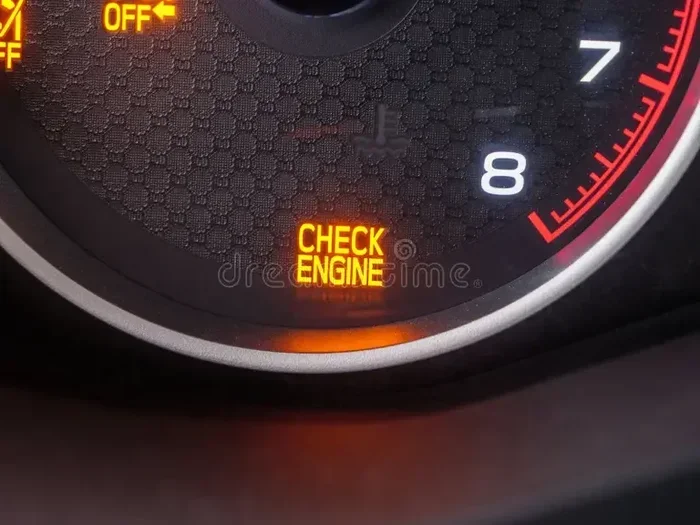
If you notice any of these signs, do not wait. Schedule a brake fluid flush right away. Ignoring these symptoms can lead to complete brake failure, which puts you and everyone on the road at risk. If your dashboard shows an engine malfunction warning alongside any of these brake symptoms, you should have the car inspected immediately. Learn more about what to do when your car shows a warning by checking Can I Still Drive My Car If It Says Engine Malfunction.
Can You Flush Your Own Brake Fluid
Some experienced DIYers attempt to flush brake fluid at home. It is possible with the right tools, including a brake bleeder kit, the correct type of new fluid, and a helper to pump the pedal. However, brake fluid is corrosive and can damage paint and plastic. You need to be careful and follow proper procedures.
For most drivers, having a professional handle the brake fluid flush is the safer and more reliable option. A trained technician can fully evacuate old fluid, bleed all four corners of the system, and test the new fluid for proper moisture levels. If you prefer to handle your own oil and filter change and other basic maintenance, that is great. But brake fluid flushing involves handling hazardous materials and requires precision. Learn more about DIY maintenance approaches by reading Can You Do An Oil And Filter Change Yourself.
Keep in mind that when you flush your brakes, the mechanic should also inspect the brake pads, rotors, and lines for wear. This is a great opportunity to catch other issues early before they become expensive repairs.
Brake Fluid Types And Why They Matter
Not all brake fluid is the same. There are three main types used in modern vehicles: DOT 3, DOT 4, and DOT 5. Each has different properties and boiling points. Using the wrong type can damage your brake system or reduce performance.
| Fluid Type | Boiling Point (Dry) | Boiling Point (Wet) | Common Use |
|---|---|---|---|
| DOT 3 | 401°F | 284°F | Standard passenger vehicles |
| DOT 4 | 446°F | 311°F | Most modern cars and trucks |
| DOT 5 | 500°F | 356°F | Heavy duty and performance vehicles |
Always use the fluid type recommended by your vehicle manufacturer. Mixing different types can cause chemical reactions that damage seals and reduce braking performance. When you get a brake fluid flush, ask the technician which fluid they are using and verify it matches your owner’s manual specifications.
How A Brake Fluid Flush Works
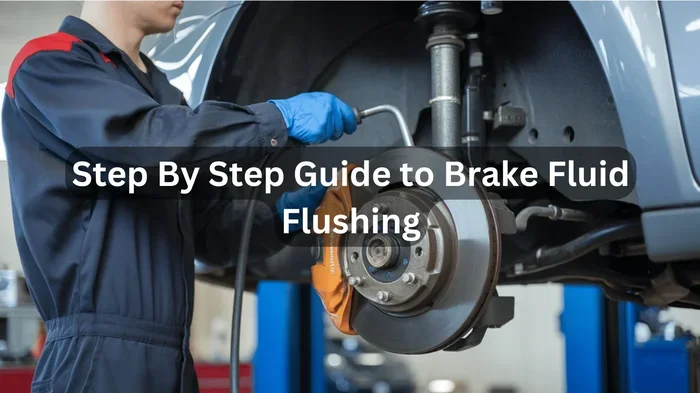
Understanding the process can help you feel more comfortable when it is time for service. A professional brake fluid flush typically follows these steps:
- The technician locates the brake bleeder valves on each wheel.
- They connect a clear hose to each valve and submerge the other end in a container of fresh fluid.
- One person pumps the brake pedal while another opens and closes the bleeder valves.
- Old fluid, along with any air bubbles and contaminants, is pushed out through the hoses.
- Fresh fluid is added to the reservoir, and the process repeats at all four wheels.
- The system is tested for air leaks and proper pedal feel.
The entire process takes about 30 to 60 minutes. Afterward, your brake pedal should feel firm and responsive. The new fluid will protect your system from corrosion and maintain proper boiling point for safe braking.
The Cost Of Skipping Your Brake Fluid Flush
Let us talk numbers. A standard brake fluid flush costs between $75 and $150 at most auto shops. Some dealerships charge more, but independent shops often offer competitive pricing. Compare that to the cost of repairing damage caused by old fluid:
- Brake line replacement: $150 to $400
- Master cylinder replacement: $400 to $1,000
- ABS modulator repair: $500 to $1,200
- Caliper replacement (per unit): $300 to $800
- Full brake system rebuild: $1,500 or more
The math is clear. Spending a small amount every two years on a brake fluid flush saves you hundreds or even thousands of dollars in repairs. More importantly, it keeps you and your passengers safe every time you drive.
Quick Tips For Brake Fluid Maintenance
Here are some simple tips to keep your brake fluid in great shape between flushes:
- Keep the brake fluid reservoir cap tight to reduce moisture entry.
- Store brake fluid properly. It absorbs moisture from the air even in the bottle.
- Check the fluid level and color during regular oil changes.
- Never reuse old brake fluid. Always use fresh, sealed fluid.
- Have a professional test the moisture content every year or two.
- Replace fluid immediately if it appears dark or discolored.
- Follow your vehicle’s maintenance schedule strictly.
These small habits add up over time. They help you avoid sudden brake problems and extend the life of your entire braking system. If you ever notice changes in how your pedal feels, do not wait. Get it checked right away.
Common Mistakes Drivers Make With Brake Fluid
Many drivers make preventable mistakes when it comes to brake maintenance. Here are the most common ones:
Only topping off instead of flushing. Adding new fluid to old fluid does not remove the contaminated fluid already in your lines. You need a full flush to replace all the old fluid with fresh fluid.
Ignoring the two-year rule. Even if your brakes feel fine, moisture is building up inside the system. Do not wait for symptoms. Be proactive.
Using the wrong fluid type. Mixing DOT 3 and DOT 5, or using the wrong specification, can cause seal damage and brake failure. Always match the factory recommendation.
Delaying repairs after a fluid leak. If you lose brake fluid, the system can draw in air and moisture. Get leaks repaired and the fluid flushed immediately.
Skipping the bleed step. If air remains in the lines after adding fluid, the pedal will feel soft. A proper flush always includes bleeding the system to remove all air.
Final Thoughts
Your brakes are the most critical safety feature in your vehicle. Taking care of them should be a top priority. Flushing your brakes is one of the simplest and most affordable ways to protect yourself, your family, and everyone else on the road. The damage from neglected brake fluid does not happen overnight, but it accumulates silently until it becomes a serious problem.
Do not wait for a spongy pedal or a scary moment on the road. Make brake fluid flushes part of your regular maintenance routine. Every two years, or as your owner’s manual recommends, have a professional drain the old fluid, bleed the system, and refill with fresh fluid. Your brakes will respond better, last longer, and keep you safe for miles to come.
Think of it this way. You would never skip an oil change and expect your engine to run forever. The same logic applies to your brake fluid. It is a small investment that pays off in safety, performance, and savings. Schedule your next brake fluid flush today, and drive with confidence knowing your stopping power is fully protected.
If you are also wondering about other dashboard warning lights and what they mean, you might want to check out Can You Check Tire Pressure On The Dashboard to learn more about monitoring your vehicle’s health indicators.
Frequently Asked Questions
How much does a brake fluid flush cost?
A brake fluid flush typically costs between $75 and $150 at most auto repair shops. Dealerships may charge slightly more, but the price is well worth it compared to the cost of repairing damage caused by contaminated brake fluid.
Can I drive with old brake fluid?
You can drive with old brake fluid for a while, but it is not safe. As moisture builds up, the boiling point drops, which can cause brake fade during hard stops. Over time, corrosion damages internal parts, leading to expensive repairs and potential brake failure.
What is the difference between a brake fluid flush and a brake fluid change?
A brake fluid change typically means draining and refilling the reservoir, which only replaces a portion of the fluid. A brake fluid flush removes all the old fluid from the entire system, including the lines, calipers, and master cylinder, and replaces it with fresh fluid.
Does brake fluid go bad if the car sits unused?
Yes. Even if you do not drive your car often, brake fluid still absorbs moisture from the air through seals and hoses. The hygroscopic nature of brake fluid means it degrades over time regardless of how much you drive.
How long does a brake fluid flush take?
A professional brake fluid flush usually takes between 30 and 60 minutes. The exact time depends on the vehicle model, the condition of the old fluid, and whether the technician needs to bleed air from the system.
What happens if you put the wrong brake fluid in your car?
Using the wrong brake fluid can damage seals, cause corrosion, and reduce braking performance. DOT 3, DOT 4, and DOT 5 fluids have different chemical compositions and boiling points. Always use the type specified in your vehicle’s owner’s manual.
=== CONCLUSION ===
Flushing your brakes is one of the most important yet overlooked maintenance tasks for any vehicle. Old brake fluid absorbs moisture, loses its boiling point, and causes corrosion throughout your brake system. The result is reduced stopping power, spongy pedals, and potentially dangerous brake failure. The good news is that a simple flush every two years prevents all of these problems and keeps your braking system working at its best. Do not wait for warning signs to appear. Take action now, protect your investment, and most importantly, keep yourself and others safe on the road.