How Do You Reset the Oil Change Maintenance Indicator Easy
Resetting the oil change maintenance indicator is a quick and easy task that most car owners can do in under five minutes. Whether you just had an oil change or you are ignoring the oil change light for now, this guide shows you exactly how to clear the maintenance required light on your dashboard. We cover the steps for Toyota, Honda, Ford, Chevrolet, and more so you can get back on the road with confidence.
Have you ever looked at your dashboard and seen that annoying little light telling you it is time for an oil change? It is one of those things that nags at you until you deal with it. But here is the good news. Resetting the oil change maintenance indicator is one of the simplest things you can do as a car owner.
You do not need a mechanic. You do not need expensive tools. In most cases, you can clear that light yourself in just a few minutes. This guide walks you through the exact steps for different car brands. We also explain why the light comes on in the first place and what you should do before you reset it.
Whether you drive a Toyota, Honda, Ford, or Chevrolet, you will find the steps you need right here. Let us get into it and help you turn off that oil change light for good.
Key Takeaways
- Quick Fix: Resetting the oil change indicator usually takes just a few simple steps and no special tools.
- Car-Specific Steps: Different brands use different button combinations, so we break it down by manufacturer.
- Oil Life Percentage Matters: Your car tracks oil life as a percentage, and resetting the indicator does not change the actual oil quality.
- Dashboard Warning Lights: Understanding what each light means helps you avoid unnecessary trips to the shop.
- Regular Maintenance: Resetting the light is just one part of keeping up with your service schedule and oil change interval.
- Safety First: Always check your actual oil level and condition before resetting any warning light.
📑 Table of Contents
- What Is the Oil Change Maintenance Indicator?
- Why Should You Reset the Oil Change Indicator?
- How to Reset the Oil Change Maintenance Indicator by Car Brand
- What to Do Before You Reset the Indicator
- Common Mistakes When Resetting the Oil Change Indicator
- How Often Should You Change Your Oil?
- Can You Reset the Indicator Without an Owner’s Manual?
- Quick Tips for Keeping Your Oil Change System Accurate
- What Happens If You Never Reset the Indicator?
- Final Thoughts
What Is the Oil Change Maintenance Indicator?
Every modern car has a system that tracks when your engine oil needs to be replaced. This system is called the oil life monitoring system. It does not just count miles. It looks at how you drive, how hot your engine runs, and other factors to guess when the oil is getting old.
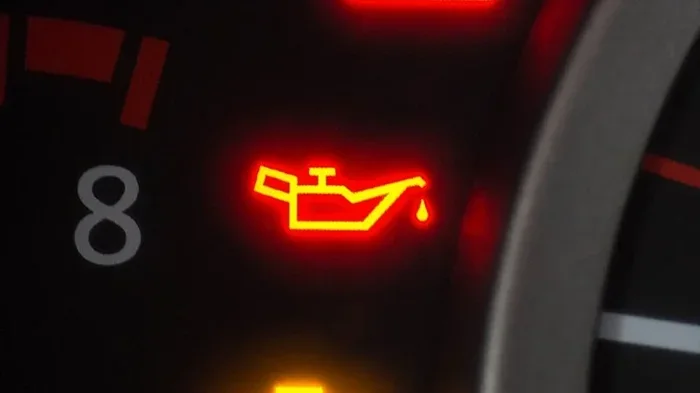
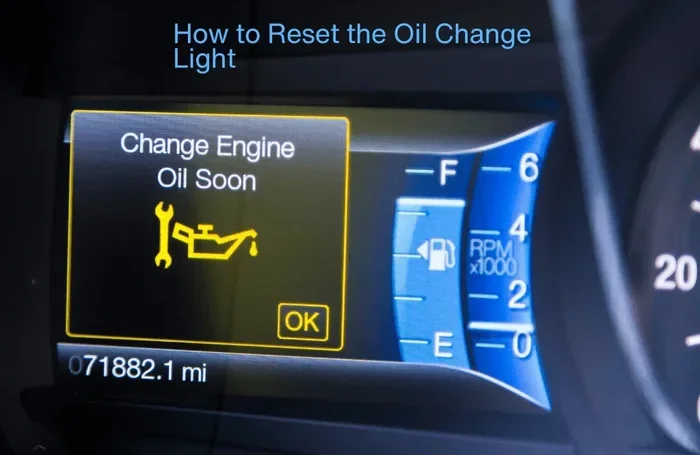
The oil change maintenance indicator shows up as a light or a message on your dashboard. It might say “CHANGE OIL SOON” or “MAINTENANCE REQUIRED.” Some cars show a wrench icon. Others display a percentage that drops as your oil life decreases.
How Does the System Know When Oil Is Old?
The system uses sensors and algorithms to track driving conditions. If you drive in stop-and-go traffic a lot, the system thinks your oil wears out faster. If you drive mostly on highways at steady speeds, the oil lasts longer. The oil change interval adjusts based on your actual driving habits.
This is different from older cars that just counted miles. The new way is actually smarter. But it can also be confusing when the light comes on earlier than you expected.
What Does the Light Look Like?
The light looks different depending on your car brand. Here are the most common versions:
- Toyota: “MAINTENANCE REQUIRED” or a wrench icon
- Honda: “CHANGE ENGINE OIL SOON” message
- Ford: A yellow oil can icon
- Chevrolet: “CHANGE ENGINE OIL” message
- BMW: A yellow oil can with “SERVICE” text
No matter what it looks like, the message is the same. Your car needs fresh oil. And once you get the oil changed, you need to reset the oil change maintenance indicator so the light goes away.
Why Should You Reset the Oil Change Indicator?
Some people ignore the light after getting an oil change. That is a mistake. Leaving the light on can make it hard to tell if there is a real problem later. If you always have a warning light on, you might ignore a serious one when it actually matters.
Here are a few reasons why resetting the indicator matters:
- Clears False Warnings: Sometimes the light stays on even after a fresh oil change. Resetting it clears this up.
- Tracks New Service Intervals: Once reset, the system starts counting from zero again. This keeps your service schedule accurate.
- Peace of Mind: A dark dashboard means one less thing to worry about while driving.
- Resale Value: A car with a clean dashboard and up-to-date maintenance records looks better to buyers.
Also, if you check your oil life percentage and it reads 15% or lower, it is definitely time for a change. After you get fresh oil, reset the indicator right away.
How to Reset the Oil Change Maintenance Indicator by Car Brand
The process for resetting the oil change maintenance indicator depends on your car brand. Each manufacturer uses a different button combination or menu path. Below, we cover the most popular brands step by step.
How to Reset on Toyota
Toyota makes it pretty easy. Here is what to do:
- Turn the ignition to the “ON” position. Do not start the engine. Just press the start button once or turn the key to “ON.”
- Use the trip meter reset stalk or the steering wheel buttons to scroll to the “ODO” or trip meter display.
- Turn the ignition back to the “OFF” position.
- Press and hold the trip meter reset button.
- While holding the button, turn the ignition back to “ON.”
- Keep holding the button for about 10 seconds until the light starts to flash.
- Release the button. The maintenance required light should now be off.
If this does not work, try pressing and holding the button for a few extra seconds. Some Toyota models from 2010 onward use a slightly different menu path through the instrument cluster display.
How to Reset on Honda
Honda uses a simple two-step process on most models:
- Press and hold the trip meter reset button on the instrument panel.
- Turn the ignition to the “ON” position while still holding the button.
- Keep holding for about 10 seconds until the light resets.
- Release the button and turn the ignition off, then back on to confirm.
For Honda models with a digital display, you may need to scroll through the menu to find the maintenance reset option. Use the steering wheel controls to navigate.
How to Reset on Ford
Ford trucks and SUVs use the information display screen to reset the oil change indicator:
- Use the steering wheel controls to navigate to the “Settings” menu.
- Select “Vehicle Maintenance” or “Vehicle Information.”
- Choose “Oil Life Reset” or “Reset Maintenance Indicators.”
- Confirm the reset when prompted.
For older Ford models without a screen, you may need to use the brake pedal and ignition key in a specific sequence. Check your owner’s manual for the exact steps.
How to Reset on Chevrolet
Chevrolet vehicles also use the infotainment screen for this process:
- Press the “Settings” button on the infotainment system.
- Go to “Vehicle” or “Vehicle Settings.”
- Select “Maintenance Reset” or “Oil Life System.”
- Choose “Reset” and confirm your choice.
For older Chevy models, the process often involves holding the trip odometer reset button while turning the key to the “ON” position. Hold it for about 10 seconds until the display changes.
What to Do Before You Reset the Indicator
Before you reset the oil change maintenance indicator, make sure you have actually done the oil change. It sounds obvious, but people sometimes try to reset the light without getting fresh oil. That just delays the warning and can hurt your engine.
Here is a quick checklist of things to do before resetting:
- Check Your Oil Level: Pop the hood and use the dipstick to make sure the oil is at the right level. If it is low, top it off first. You can also learn more about low engine oil showing on the dashboard in our other guide.
- Use the Right Oil: Check your owner’s manual for the correct oil weight and type. Using the wrong oil can trigger the light again quickly.
- Replace the Oil Filter: Always put in a new oil filter when you change the oil. A clogged filter can cause problems even with fresh oil.
- Record the Date and Mileage: Write down when you changed the oil and how many miles were on the odometer. This helps you track your oil change frequency and stay on top of your maintenance schedule.
Some people ask if they can do an oil and filter change themselves. The answer is yes, as long as you have the right tools and dispose of the old oil properly. Many auto parts stores will even recycle your used oil for free.
Common Mistakes When Resetting the Oil Change Indicator
Even though resetting the light is simple, people still make mistakes. Here are the most common ones to avoid:
Resetting Without Changing the Oil
This is the biggest mistake. If you reset the light but do not put in fresh oil, you are just hiding a warning. Your engine oil is still old and dirty. Over time, this can cause serious engine damage. Always change the oil first, then reset the indicator.
Holding the Wrong Button
Each car brand uses different buttons. If you hold the wrong one, you might reset the wrong system or nothing at all. Make sure you are pressing the trip meter reset or the information button specific to your model.
Not Turning the Ignition to the Right Position
Many reset procedures require the ignition to be in the “ON” position without starting the engine. If you accidentally start the engine, the process may not work. Be careful and deliberate with each step.
Forgetting to Check the Oil Life Percentage
After resetting, check your oil life percentage to make sure it went back to 100%. If it did not, you may need to repeat the reset process. Some systems require two cycles to fully reset.
Ignoring Other Dashboard Warnings
Sometimes the oil change light is not the only warning on your dashboard. If you also see a low oil pressure warning or a check engine light, do not just reset it. Those lights point to real problems that need attention right away.
How Often Should You Change Your Oil?
The old rule of thumb was to change oil every 3,000 miles. But modern engines and synthetic oils have changed things a lot. Most cars today can go between 5,000 and 10,000 miles between oil changes. Some vehicles with synthetic oil can even go longer.
Your car’s oil life monitoring system does a good job of telling you when it is time. If your oil life percentage drops to around 15%, it is time to schedule an oil change. After you get the oil changed and reset the indicator, the system will start tracking again from 100%.
Here are some factors that can shorten your oil change interval:
- Driving in very hot or very cold weather
- Frequent short trips under 5 miles
- Heavy towing or hauling
- Stop-and-go city driving
- Dusty or off-road conditions
If you deal with any of these conditions often, you may need to change your oil more frequently than the system suggests. Trust your instincts and check the oil regularly.
Can You Reset the Indicator Without an Owner’s Manual?
Yes, you can. The steps we shared above cover most common brands and models. But if you want the exact steps for your specific car, the owner’s manual is the best resource. You can also find the manual online by searching for your car year, make, and model plus “owner’s manual PDF.”
If you do not have access to the manual, you can also search for your specific car model online. Many car forums and YouTube channels have step-by-step video guides for resetting the oil change maintenance indicator on almost any vehicle.
Some people also ask whether the dealership can do this for them. The answer is yes, and many dealerships will reset the light for free if you bought your car from them. But there is no need to make a special trip. You can do it yourself in minutes.
Quick Tips for Keeping Your Oil Change System Accurate
Here are a few tips to make sure your oil life monitoring system stays accurate and your car runs smoothly:
- Reset after every oil change: Make it a habit to reset the indicator immediately after the mechanic or you finish the oil change.
- Use quality oil and filters: Cheap oil breaks down faster, which can trigger the light sooner.
- Check oil between changes: A quick dipstick check once a month can catch low oil levels before they become a problem.
- Keep a maintenance log: Write down every oil change date and mileage. This helps you stay on track and is useful when selling your car.
- Pay attention to other dashboard lights: If you notice any unusual warnings, address them quickly. Ignoring dashboard warnings can lead to bigger and more expensive repairs.
Taking care of your car maintenance does not have to be hard. A little attention goes a long way toward keeping your engine healthy and your dashboard quiet.
What Happens If You Never Reset the Indicator?
If you never reset the oil change maintenance indicator after getting fresh oil, the light will stay on. This can be annoying and distracting. More importantly, it makes it harder to know when the next oil change is actually due. The system will not track a new service interval until you reset it.
Over time, a permanently lit warning light can also drain your attention. You might start ignoring all dashboard warnings, which is dangerous if a real problem comes up. That is why it is always best to reset the light right after an oil change.
Some cars will also show a maintenance message every time you start the engine until you reset it. This can get old very fast, especially if you drive the car daily. A quick reset solves the problem completely.
Final Thoughts
Resetting the oil change maintenance indicator is one of those small car care tasks that makes a big difference. It takes just a few minutes, requires no special tools, and keeps your dashboard clean and accurate. Whether you drive a Toyota, Honda, Ford, or Chevrolet, the steps are simple once you know them.
Remember to always change your oil before you reset the light. Check your oil life percentage and make sure the system resets to 100%. And if you ever feel unsure, your owner’s manual or a quick online search will have the exact steps for your car.
Keeping up with your oil change interval and maintenance schedule is one of the best things you can do for your car. It keeps the engine running smoothly and helps you avoid costly repairs down the road. So go ahead, reset that light, and enjoy the satisfaction of a job well done.
Frequently Asked Questions
How do I know if my oil change indicator needs to be reset?
If you just got an oil change and the light or message is still on your dashboard, it needs to be reset. The oil change maintenance indicator does not turn off automatically after a service. You need to clear it manually using the steps for your car brand.
Can I drive with the oil change light on?
You can drive a short distance with the light on, but you should get the oil changed soon. The light means your oil life has reached a low level. Driving too long with old oil can cause engine wear. Once you get the oil changed, reset the indicator right away.
Does resetting the oil change indicator also reset the oil life percentage?
Yes, in most cases. After you reset the oil change maintenance indicator, the oil life percentage should go back to 100%. If it does not, try repeating the reset process or check if your car needs a two-step reset.
What if the oil change light comes back after I reset it?
If the light comes back shortly after resetting, there may be a real problem. Check your oil level and quality. Low oil, dirty oil, or a faulty sensor can all cause the light to return. You may also want to learn more about low engine oil showing on the dashboard to troubleshoot further.
Can I reset the oil change indicator myself or do I need a mechanic?
You can absolutely reset it yourself. The process is simple and does not require any special tools or mechanical knowledge. Just follow the steps for your car brand. If you prefer, a dealership or quick-lube shop can do it for you as well.
How often should I check my oil life percentage?
It is a good habit to check your oil life percentage once a month or before any long trip. This helps you stay ahead of your oil change interval and avoid being caught off guard by the warning light. Most cars display the percentage on the instrument cluster or infotainment screen.
=== CONCLUSION ===
Resetting the oil change maintenance indicator is a simple but important part of car ownership. It keeps your dashboard clear, your maintenance tracking accurate, and your engine running at its best. With the steps outlined in this guide, you can handle the reset yourself in just a few minutes for almost any car brand.
Do not let that annoying light nag you any longer. Grab your owner’s manual or follow the steps above, change your oil if you have not already, and reset the indicator with confidence. Your car will thank you, and you will feel great knowing you handled the maintenance yourself.