Everything You Need to Know About Types of Car Mirrors
Car mirrors are essential safety tools that keep drivers aware of their surroundings. This guide covers every types of car mirrors, including rearview, side, towing, and specialty mirrors. You will learn how they work, what features to look for, and how to maintain them properly.
Key Takeaways
- Rearview mirrors give you a clear view of what is behind you inside the car.
- Side mirrors (wing mirrors) cover blind spots on both sides of the vehicle.
- Towing mirrors extend your field of vision when pulling a trailer or caravan.
- Convex mirrors offer a wider view but can distort distance perception.
- Auto-dimming mirrors reduce glare from headlights at night for safer driving.
- Proper mirror adjustment and maintenance significantly improve road safety.
- Camera-based mirror systems are the future of automotive mirror technology.
📑 Table of Contents
What Are Car Mirrors and Why They Matter
Every car has mirrors. You probably do not think about them much until you need to change lanes or park. But types of car mirrors play a huge role in keeping you safe on the road.
Mirrors give you a view of areas you cannot see directly. They help you monitor traffic behind you, beside you, and even below your vehicle. Without mirrors, driving would be far more dangerous and stressful.
The basic idea is simple. Mirrors reflect light so you can see what is happening around your car. But not all mirrors work the same way. Different mirror types serve different purposes. Some give you a wide view. Others reduce glare at night. Understanding these differences helps you drive smarter and safer.
In this guide, we will walk through every major type of car mirror. We will explain how each one works, what it is best for, and how to choose the right setup for your vehicle. Whether you drive a compact sedan or a full-size truck, this guide has you covered.
Let us start with the basics and work our way through the full lineup of car mirror types.
The Main Types of Car Mirrors
Most cars have three primary mirrors. These are the rearview mirror and the two side mirrors. Each one serves a specific purpose. Together, they give you a 360-degree awareness of your surroundings.
Rearview Mirror
The rearview mirror sits at the top of your windshield inside the car. It reflects the view straight back through the rear window. This mirror is your main tool for seeing what is behind you on the highway.
Most rearview mirrors are flat mirrors. This means they show objects at their actual distance. You can see cars, trucks, and obstacles behind you with good accuracy. Some rearview mirrors come with a day-night feature. You flip a small lever to reduce glare from headlights at night.
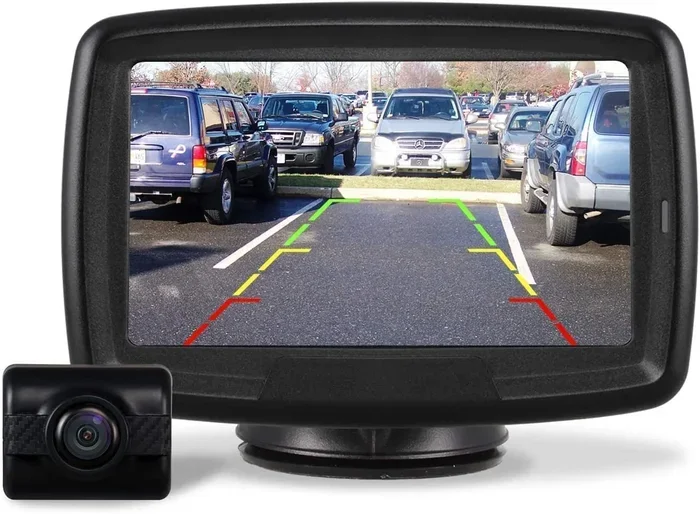
Modern cars may also include a rearview camera that displays on your infotainment screen. This is not a traditional mirror, but it serves the same purpose. It gives you a clear view of what is directly behind your car.
Side Mirrors (Wing Mirrors)
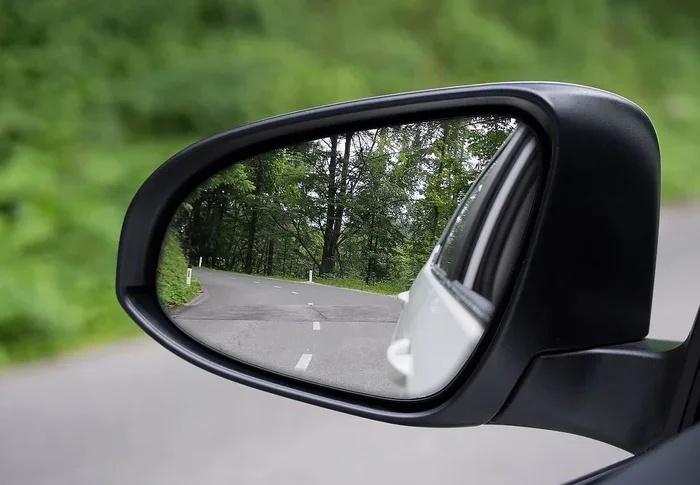
Side mirrors are the two mirrors mounted on the doors or fenders of your car. They are also called wing mirrors or exterior mirrors. These mirrors cover the blind spots that the rearview mirror cannot reach.
Most side mirrors are convex mirrors. A convex mirror curves outward. This shape gives you a wider field of view than a flat mirror. The tradeoff is that objects appear smaller and farther away than they really are. That is why almost every side mirror carries the warning: “Objects in mirror are closer than they appear.”
Side mirrors come in many varieties:
- Manual side mirrors — you adjust them by hand from inside the car.
- Power side mirrors — you adjust them with a button or switch.
- Foldable mirrors — you can fold them in to protect them from damage.
- Heated mirrors — they warm up to melt ice and fog.
- Blind spot mirrors — small convex mirrors added to the corner of the side mirror for extra coverage.
Towing Mirrors
If you pull a trailer, caravan, or boat, standard side mirrors may not give you enough visibility. That is where towing mirrors come in. These mirrors extend outward to give you a wider view of the road and your trailer.
Towing mirrors can be manual or power-operated. Many are clip-on designs that attach to your existing side mirrors. Others are built directly into the vehicle. Wide-angle or convex lenses are common in towing mirrors because they maximize your field of vision.
If you regularly haul trailers, investing in good towing mirrors is a smart move. They make lane changes, merging, and parking much safer when you are pulling a heavy load.
Mirror Technologies and Features
Car mirrors have evolved a lot over the years. Basic reflective glass is still the foundation, but modern mirrors now include advanced technology. These features make driving easier and safer.
Power Mirrors vs Manual Mirrors
Power mirrors let you adjust the angle with the press of a button. You do not need to reach outside the car. Most modern cars come with power mirrors as standard.
Manual mirrors require you to adjust them by hand. They are common in older cars and budget models. Manual mirrors are simple and reliable, but they are less convenient.
Here is a quick comparison:
- Power mirrors — convenient, fast adjustment, often paired with memory seats.
- Manual mirrors — simple, no electrical parts to fail, lower cost.
Both types get the job done. The choice depends on your vehicle and personal preference.
Auto-Dimming Mirrors
Driving at night can be tough when bright headlights hit your rearview mirror. Auto-dimming mirrors solve this problem automatically.
These mirrors use sensors to detect glare from behind. When headlights hit the mirror, the glass darkens slightly. This reduces the glare without blocking your view entirely. The mirror returns to normal brightness when the glare goes away.
Auto-dimming mirrors are especially helpful on highways at night. They reduce eye strain and let you focus on the road. Many luxury cars include them as standard. They are also available as aftermarket upgrades.
Heated Mirrors
If you live in a cold climate, you know how frustrating foggy or icy mirrors can be. Heated mirrors solve this with small heating elements built into the mirror glass.
You turn on the heated mirrors with a button or switch. Within a few minutes, the ice and fog melt away. This gives you clear visibility without having to step outside and scrape your mirrors by hand.
Heated mirrors are now common in many cars, especially in models sold in northern regions. They are a small feature that makes a big difference during winter months.
Blind Spot Mirrors
Even with properly adjusted side mirrors, blind spots remain. A blind spot mirror is a small convex lens that attaches to the corner of your existing side mirror.
These mirrors give you an extra angle of view. They help you see cars, motorcycles, and cyclists that might be hidden in your blind spot. They are especially useful in tight traffic and when merging onto highways.
Blind spot mirrors are affordable and easy to install. You can buy them at most auto parts stores. They stick on with adhesive and can be repositioned as needed.
Convex vs Flat Mirrors: What Is the Difference
Understanding the difference between convex and flat mirrors is key to understanding how car mirrors work. Each type has its own strengths and limitations.
Understanding Convex Mirrors
A convex mirror curves outward like the surface of a ball. This shape bends light and spreads it across a wider area. The result is a broader field of view.
Convex mirrors are the most common type of side mirror on cars. They let you see more of the road beside and behind you. The downside is that they make objects look smaller and farther away than they really are.
Because of this distortion, you should never rely solely on convex mirrors for distance judgment. Always use them together with your rearview mirror and quick shoulder checks.
Flat Mirrors Explained
A flat mirror has a straight, non-curved surface. It reflects light at a direct angle. This means objects appear at their true size and distance.
Flat mirrors are standard in rearview mirrors. They give you an accurate picture of what is behind you. This accuracy is important for judging distance when braking or merging.
Some drivers prefer flat side mirrors for a more realistic view. However, flat mirrors have a narrower field of view compared to convex mirrors. This is why most countries require convex or aspheric mirrors for the driver-side exterior mirror.
Convex vs Flat Comparison
Here is a simple breakdown of the two mirror types:
- Convex mirrors — wider view, objects appear smaller and farther, common in side mirrors.
- Flat mirrors — accurate distance, narrower view, common in rearview mirrors.
Many modern cars use a combination of both. The driver-side mirror may be flat or aspheric, while the passenger-side mirror is typically convex.
How to Choose the Right Car Mirrors
Not all cars need the same mirrors. Your choice depends on your vehicle type, driving habits, and personal needs. Here are some factors to keep in mind.
Factors to Consider
When choosing or replacing car mirrors, think about these key factors:
- Vehicle size — larger vehicles like trucks and SUVs need bigger mirrors or towing mirrors.
- Driving environment — if you drive in snow, heated mirrors are a must.
- Night driving — auto-dimming mirrors make a big difference for nighttime drivers.
- Towing needs — if you haul trailers, extended towing mirrors are essential.
- Budget — manual mirrors cost less, while power mirrors with heating and auto-dimming cost more.
Matching Mirrors to Your Vehicle
Different vehicles benefit from different mirror setups. Here are some quick examples:
- Compact cars — standard power mirrors with blind spot mirrors work great.
- Sedans and coupes — auto-dimming rearview mirrors add comfort and safety.
- SUVs and vans — larger side mirrors and heated mirrors improve visibility.
- Trucks and trailers — towing mirrors are a must-have for safe hauling.
- Luxury vehicles — look for cameras, auto-dimming, and memory mirror features.
Always check your vehicle manual before buying replacement mirrors. Compatibility matters for wiring, size, and mounting style.
Maintaining and Adjusting Your Car Mirrors
Even the best mirrors will not help you if they are not adjusted properly or kept in good condition. Regular maintenance makes a real difference in your safety.
Proper Mirror Adjustment Tips
Getting your mirrors set correctly takes a few minutes but pays off every time you drive. Follow these steps for proper car mirror adjustment:
- Sit in your driving position and adjust the rearview mirror first. Center the rear window in the mirror.
- Lean your head toward the driver’s window. Adjust the left side mirror until you just barely see the side of your car.
- Lean toward the center console. Adjust the right side mirror the same way.
- Check both mirrors while sitting in your normal driving position.
- Add blind spot mirrors if needed for extra coverage.
Proper adjustment reduces blind spots significantly. You should barely see the side of your own car in each side mirror. This gives you the widest possible view of the road beside you.
Common Maintenance Mistakes
Many drivers neglect their mirrors until something goes wrong. Avoid these common mistakes:
- Ignoring cracked mirrors — a cracked mirror distorts your view and can fail inspection.
- Not cleaning mirrors regularly — dirt and grime reduce visibility, especially at night.
- Forgetting to check mirror adjustments — mirrors can shift after car washes or accidents.
- Using harsh cleaners — use a soft cloth and glass cleaner designed for automotive mirrors.
- Neglecting heated mirror function — test this feature before winter arrives.
Taking five minutes to check and clean your mirrors each week can greatly improve your driving safety.
The Future of Car Mirrors
Car mirror technology is evolving fast. Automakers are exploring new ways to improve visibility and reduce drag. Some of these innovations are already on the market.
Camera-Based Mirror Systems
Some modern cars now use camera-based mirror systems instead of traditional glass mirrors. Small cameras mounted on the outside of the car send live video to screens inside the cabin.
These systems offer several advantages. They eliminate wind drag, which improves fuel efficiency. They are not affected by rain or fog. They can also highlight objects with digital alerts. Countries like Japan and the European Union are already allowing camera mirrors on production cars.
While camera mirrors are still new, they represent a big step forward in automotive design. Expect to see them become more common in the coming years.
Smart Mirror Technology
Smart mirrors go beyond simple reflection. They can display navigation prompts, safety alerts, and even rearview camera feeds directly on the mirror surface.
Some smart mirrors include built-in dashcams. Others integrate with your phone for hands-free calling. These features keep your eyes on the road and your hands on the wheel.
Smart mirror technology is still mostly found in luxury and high-end vehicles. But as the cost comes down, these features will likely trickle down to more affordable cars.
Key Takeaways
- Rearview mirrors give you a clear view of what is behind you inside the car.
- Side mirrors (wing mirrors) cover blind spots on both sides of the vehicle.
- Towing mirrors extend your field of vision when pulling a trailer or caravan.
- Convex mirrors offer a wider view but can distort distance perception.
- Auto-dimming mirrors reduce glare from headlights at night for safer driving.
- Proper mirror adjustment and maintenance significantly improve road safety.
- Camera-based mirror systems are the future of automotive mirror technology.
Conclusion
Types of car mirrors may seem like a simple topic, but each mirror type plays a vital role in your safety. From the basic rearview mirror to advanced auto-dimming and camera systems, every mirror has a purpose. Understanding how they work helps you make better choices for your vehicle.
Take the time to adjust your mirrors correctly. Keep them clean and in good condition. Consider upgrades like heated mirrors, blind spot mirrors, or towing mirrors based on your driving needs. These small steps can make a big difference every time you get behind the wheel.
Good mirrors give you confidence on the road. They let you focus on driving instead of worrying about what you cannot see. Invest in the right car mirrors and keep them well-maintained. Your safety depends on it.
Frequently Asked Questions
How do I know if my car mirror is convex or flat?
Check the mirror surface. If it curves outward like a bowl, it is a convex mirror. If the surface is flat and straight, it is a flat mirror. Most side mirrors are convex, while rearview mirrors are usually flat.
Can I replace a cracked car mirror myself?
Yes, many cracked mirrors can be replaced at home. You can buy replacement mirrors online or at auto parts stores. Just make sure to match the mirror type and size to your vehicle model. If the mirror is power-adjusted or heated, you may need to reconnect wiring.
Are blind spot mirrors worth installing?
Absolutely. Blind spot mirrors are inexpensive and easy to install. They give you an extra angle of view that standard side mirrors miss. They are especially helpful when merging, changing lanes, and parking in tight spaces.
What is the best way to clean car mirrors?
Use a soft microfiber cloth and an automotive glass cleaner. Avoid harsh chemicals that can damage the mirror coating. Clean your mirrors weekly to keep them free of dirt, grime, and fingerprints for the clearest view possible.
Do all cars come with power mirrors?
Most modern cars come with power mirrors as standard. However, some budget models and older vehicles may still have manual mirrors. You can usually upgrade from manual to power mirrors if your vehicle supports it.
Are camera mirrors safe to use?
Yes, camera mirrors are safe and are already approved in several countries. They provide a clear, wide-angle view of the area behind your car. The image quality is high, and many systems include automatic brightness adjustment for nighttime driving.