Everything You Need to Know About Remote Control Car Module
The remote control car module is the brain behind every RC car, handling signals between your transmitter and the vehicle itself. Whether you are a beginner or a seasoned hobbyist, understanding this component helps you build, fix, or upgrade your remote control car with confidence. This guide covers everything from how the module works to choosing the right one and avoiding common setup mistakes.
If you have ever wondered what makes a remote control car actually move and respond to your commands, the answer is simple: the remote control car module. This small but mighty electronic component acts as the bridge between your handheld controller and the car itself. Without it, your RC car would just be a fancy toy with no brain. Whether you are building a custom remote control car kit or fixing an older model, understanding the remote control car module is absolutely essential.
In this guide, we will walk you through everything you need to know. We will cover how the module works, the different types available, how to choose the right one, and tips for installation and maintenance. By the end, you will feel confident picking the perfect RC car module for your next project. Let us dive in.
Key Takeaways
- The remote control car module is the core electronic component that connects your transmitter to the car’s motors and servos.
- There are several types of modules, including AM, FM, and 2.4 GHz systems, each with different ranges and performance levels.
- Choosing the right module depends on your car type, signal range needs, and whether you want a hobby grade RC car setup.
- Proper installation and wiring of the receiver module is essential for smooth and responsive control.
- Regular maintenance of your RC car electronics can extend the life of your module and improve performance.
- Common mistakes like signal interference and wrong voltage can damage your remote control car module quickly.
- Upgrading to a modern 2.4 GHz RC system offers better range, less interference, and more precise control.
📑 Table of Contents
What Is a Remote Control Car Module?
A remote control car module is the electronic heart of any RC car. It receives signals from your radio control transmitter and translates them into physical actions. These actions include steering, accelerating, braking, and even triggering lights or sounds. Think of it as the middleman between your hands and the car’s wheels and motor.
Every remote control car module contains a receiver module that picks up radio signals. It also connects to other critical remote control car parts like the servo motor module, the electronic speed controller, and the motor itself. Together, these components form the complete car remote control system that makes your vehicle responsive and fun to drive.
The quality of your RC car module directly affects how well your car performs. A cheap or outdated module may cause lag, jerky movements, or complete signal loss. On the other hand, a high-quality wireless control module gives you smooth, precise, and reliable control every time you hit the trigger on your RC car transmitter.
How the Module Fits Into Your RC Car
To understand the remote control car module better, picture the full setup. Your RC car transmitter sends radio signals through the air. The receiver module inside the car picks up those signals. Then the module sends instructions to the servo motor module for steering and to the electronic speed controller for speed. This entire process happens in milliseconds, giving you a real-time driving experience.
The RC car electronics inside the module are designed to be lightweight and efficient. After all, extra weight slows your car down. That is why manufacturers focus on making remote control car modules as small and light as possible without sacrificing performance.
How Does a Remote Control Car Module Work?
Understanding how a remote control car module works is simpler than you might think. The process relies on radio frequency technology, which has been used in RC car systems for decades. Let us break it down step by step.
First, you press a button or move a stick on your RC car controller. This sends a specific signal through the air at a particular RC car frequency. The receiver module in your car picks up that frequency and decodes the signal. Then it sends electrical commands to the appropriate parts of the car, such as the steering servo or the motor controller.
Modern 2.4 GHz RC systems have changed the game entirely. Older remote control car modules used fixed frequencies like 27 MHz or 49 MHz. These were prone to interference from other cars nearby. The 2.4 GHz RC system uses a hopping frequency technology, meaning it constantly switches channels to avoid interference. This gives you a much better experience on the track or in your backyard.
The Role of Signal Range
One of the most important specs of any remote control car module is its signal range. This is how far away you can be from the car and still maintain control. Basic RC car modules might offer a range of 100 to 300 feet. More advanced hobby grade RC car systems can reach 1,000 feet or more.
Your RC car signal range depends on several factors. The transmitter power, the receiver sensitivity, and even the environment all play a role. Trees, buildings, and walls can weaken your signal. That is why it is always smart to choose a remote control car module with a range that exceeds your typical driving distance.
Quick Tips for Understanding Module Signals
- Always check the RC car frequency before buying a module to make sure it matches your transmitter.
- If you race multiple cars at the same time, a 2.4 GHz RC system prevents signal clashes.
- Signal strength drops in wet or heavily wooded areas, so keep that in mind during outdoor sessions.
- A stronger antenna on your receiver module can improve range significantly.
Types of Remote Control Car Modules
Not all remote control car modules are the same. Different types serve different needs, budgets, and skill levels. Let us look at the most common options available today.
AM and FM Modules
The oldest types of remote control car modules use AM (Amplitude Modulation) or FM (Frequency Modulation) technology. These are still found in budget remote control car kits and toy-grade cars. They are affordable and easy to find. However, they have limited range and are more susceptible to interference from other devices.
If you are just getting started or buying a module for a child’s toy car, an AM or FM RC car module can work fine. But if you want better performance and reliability, you should look at more advanced options.
2.4 GHz Modules
The 2.4 GHz RC system is the gold standard for modern RC car electronics. These wireless control modules offer excellent range, minimal interference, and precise control. Almost all hobby grade RC car systems use 2.4 GHz technology today.
The beauty of a 2.4 GHz RC system is that it automatically binds to your specific transmitter. This means you will never accidentally control someone else’s car, and no one else will take over yours. For any serious remote control car enthusiast, a 2.4 GHz receiver module is a must-have.
Proportional vs. On/Off Modules
Another key distinction is between proportional and on/off remote control car modules. An on/off module gives you full speed or stop. A proportional module allows you to control speed and steering smoothly at different levels. If you want realistic driving feel and fine control, always choose a proportional RC car module.
Comparison Table: Types of Remote Control Car Modules
| Feature | AM/FM Module | 2.4 GHz Module | Proportional Module |
|---|---|---|---|
| Signal Range | 100-300 feet | 500-3,000+ feet | Varies by model |
| Interference Resistance | Low | High | Depends on frequency |
| Control Precision | Basic on/off | Precise proportional | Smooth variable control |
| Price Range | $10-$30 | $30-$150+ | $20-$100+ |
| Best For | Toy cars, beginners | Serious hobbyists | Racing and advanced driving |
| Compatibility | Older models | Most modern cars | Most modern systems |
Expert Insight: Why 2.4 GHz Is Worth the Investment
Many experienced hobbyists agree that upgrading to a 2.4 GHz RC system is one of the best improvements you can make to any remote control car. The difference in responsiveness and reliability is night and day compared to older AM/FM modules. Even if your current RC car came with an older module, swapping in a modern 2.4 GHz receiver module is often straightforward and affordable.
How to Choose the Right Remote Control Car Module
With so many options on the market, picking the right remote control car module can feel overwhelming. But it does not have to be. By focusing on a few key factors, you can find the perfect module for your needs.
Consider Your Car Type
First, think about what kind of remote control car you have or plan to build. A small remote control car kit for indoor use has different needs than a large off-road hobby grade RC car. Match your RC car module to the size and power requirements of your vehicle.
For example, a lightweight on-road car needs a compact module with minimal added weight. A heavy off-road truck needs a module that can handle higher current loads without overheating. Always check the voltage and amperage ratings before purchasing.
Check Compatibility with Your Transmitter
Your remote control car module must be compatible with your RC car transmitter. Most modern 2.4 GHz RC systems are designed to work with their own brand of transmitters. However, some universal receiver modules can pair with multiple brands. Always double-check compatibility before you buy.
Think About Signal Range
Your RC car signal range needs depend on where and how you drive. If you race on a small track, 300 feet may be plenty. If you drive in large open fields or parking lots, you will want a module with at least 1,000 feet of range. Choosing a remote control car module with extra range gives you room to grow and explore.
Budget Considerations
Remote control car modules range from under $10 to over $150. Budget modules work fine for casual play. But if you are serious about RC car performance, investing in a quality RC car electronics setup pays off in reliability and control. A good rule of thumb is to spend at least $30-$50 on your receiver module for a solid hobby-grade experience.
Quick Tips for Choosing the Right Module
- Always buy a remote control car module that supports the RC car frequency of your transmitter.
- Look for modules with built-in fail-safe features that stop the car if the signal is lost.
- Check the voltage requirements to make sure the module matches your remote control car battery setup.
- Read reviews from other RC car hobbyists to learn about real-world performance.
- If you are unsure, stick with well-known brands that specialize in RC car parts.
Installing and Setting Up Your Remote Control Car Module
Installing a remote control car module is one of the most rewarding parts of building or upgrading an RC car. With a little patience and the right tools, you can have your car remote control system up and running in under an hour.
What You Will Need
Before you start, gather a few basic tools. You will need a small screwdriver set, wire strippers, soldering iron or connector clips, electrical tape, and your remote control car module. Having everything ready before you begin makes the process much smoother and more enjoyable.
Step-by-Step Installation Guide
First, locate the mounting spot inside your remote control car chassis. Most cars have a dedicated compartment for the receiver module. Place the module in this spot and secure it with screws or double-sided tape. Make sure it is away from moving parts and excess heat.
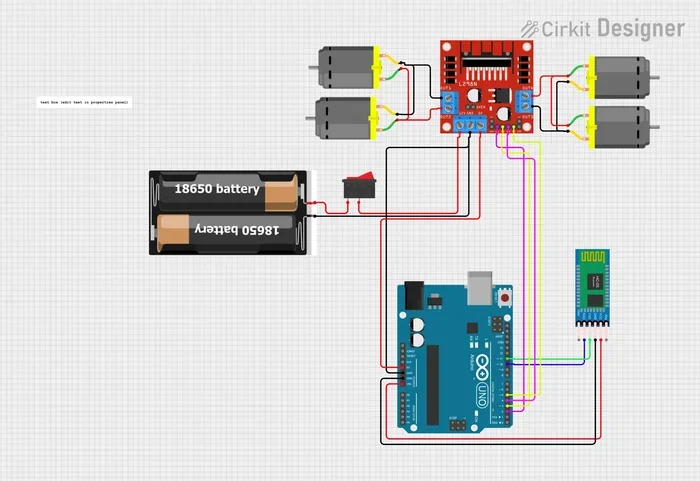
Next, connect the remote control car wiring from the module to the servo motor module for steering. Usually, this involves three wires: signal, positive, and ground. Match the colors or check the wiring diagram that comes with your RC car module. Then connect the module to the electronic speed controller for motor control.
Finally, plug in your remote control car battery and power on the system. Turn on your RC car transmitter first, then the car. You should see a light on the receiver module indicating a successful connection. Test the steering and throttle gently before driving.
Common Mistakes to Avoid During Installation
One of the biggest mistakes is reversing the positive and ground wires. This can fry your remote control car module instantly. Always double-check your connections before powering on. Another common error is placing the module too close to the motor, which causes electromagnetic interference and weak signal strength.
Also, never skip the fail-safe setup. This feature ensures your car stops safely if the signal is ever lost. It takes just a few minutes to configure and can save your RC car from crashes and damage.
Expert Insight: Proper Wiring Makes All the Difference
Experienced builders always say that clean wiring is the secret to a reliable car remote control system. Use zip ties to secure loose wires. Cover exposed connections with heat shrink tubing. And label your wires if you are working with a complex RC car electronics setup. These small habits prevent big problems down the road.
Maintaining Your Remote Control Car Module
Like any remote control car part, your remote control car module benefits from regular care. Simple maintenance habits can extend its lifespan and keep your RC car performing at its best.
Cleaning and Inspection
Dust and dirt can build up inside your RC car chassis and affect the receiver module. After each driving session, open the car and gently brush away any debris. Check the antenna on your receiver module to make sure it is intact and positioned correctly. A damaged antenna weakens your RC car signal range significantly.
Battery Care
Your remote control car battery powers the entire car remote control system. Always use the correct voltage for your RC car module. Overvoltage can burn out sensitive electronics, while undervoltage can cause erratic behavior. Store batteries in a cool, dry place and never leave them fully charged for long periods when not in use.
When to Replace Your Module
Even the best remote control car module will eventually need replacing. Signs that it is time for an upgrade include frequent signal drops, unresponsive steering, or physical damage to the circuit board. If your RC car electronics start acting strangely, the module might be the culprit. Replacing it with a modern 2.4 GHz RC system can breathe new life into an older remote control car.
Quick Maintenance Tips
- Clean your receiver module contacts with a dry cloth every few weeks.
- Inspect remote control car wiring for frayed or loose connections regularly.
- Update firmware if your RC car module supports software updates.
- Keep spare remote control car parts like antennas and connectors on hand.
- Store your RC car in a protective case when not in use to prevent dust buildup.
Conclusion
The remote control car module is the unsung hero of every RC car setup. It is the component that turns your commands into real movement, giving you the thrill of control and precision every time you drive. From understanding how the car remote control system works to choosing the right RC car module for your needs, this guide has covered the essentials.
Whether you are a beginner exploring your first remote control car kit or a seasoned hobbyist upgrading a hobby grade RC car, the right module makes all the difference. Choose a 2.4 GHz RC system for the best performance, follow proper installation steps, and maintain your RC car electronics regularly. Your remote control car will reward you with smooth, reliable, and enjoyable drives for years to come.
Now that you have the knowledge, it is time to put it into action. Pick your remote control car module, build or upgrade your RC car, and hit the track with confidence. Happy driving!
Frequently Asked Questions
What does a remote control car module do?
A remote control car module receives signals from your RC car transmitter and translates them into physical actions like steering and acceleration. It is the central component that connects your handheld controller to the car’s motor and servos, making real-time control possible.
Can I upgrade the module in my existing RC car?
Yes, in most cases you can upgrade your remote control car module. Just make sure the new receiver module is compatible with your RC car transmitter and matches the voltage requirements of your RC car electronics. Upgrading to a 2.4 GHz RC system is one of the most popular and worthwhile upgrades.
What is the best frequency for a remote control car module?
The 2.4 GHz RC system is widely considered the best frequency for modern RC car modules. It offers excellent range, strong interference resistance, and automatic channel hopping that prevents signal clashes when multiple cars are running nearby.
How far can a remote control car module send signals?
The RC car signal range depends on the module type. Basic AM/FM remote control car modules typically reach 100 to 300 feet. Advanced 2.4 GHz wireless control modules can reach 1,000 feet or more, depending on the transmitter power and environmental conditions.
Do I need special tools to install a remote control car module?
No, you do not need professional tools. A basic screwdriver set, wire strippers, and some electrical tape or solder are usually all you need. Most remote control car modules come with clear wiring diagrams and instructions to make remote control car wiring straightforward for beginners.
How long does a remote control car module last?
A quality remote control car module can last for several years with proper care. Regular cleaning, correct voltage usage, and protection from moisture all help extend the lifespan. If you notice frequent signal drops or unresponsive controls, it may be time to replace the receiver module.
=== META TITLE ===
Remote Control Car Module: Complete Guide & Tips (2024)
=== URL SLUG ===
/remote-control-car-module
=== SEO TITLE ===
Everything You Need to Know About Remote Control Car Module