Everything You Need to Know About 60 Percent Window Tint
60 percent window tint allows 60% of visible light to pass through your car windows, offering a subtle yet effective upgrade. It strikes a perfect balance between style, UV protection, and legal compliance. This shade level is ideal for drivers who want mild glare reduction without going too dark. 60 percent window tint is one of the most popular choices for those seeking a clean, factory-like look with added benefits. Whether you want to protect your interior or simply reduce solar heat, this tint level delivers real results.
Key Takeaways
- 60 Percent Window Tint is a light shade that blocks UV rays and reduces glare while staying mostly transparent.
- It is widely legal across most states, making it a safe choice for drivers concerned about tint regulations.
- This tint level offers excellent heat rejection and interior protection without darkening your vehicle significantly.
- Costs typically range from $100 to $400 for a full car installation, depending on film type and vehicle size.
- Choosing the right film type (ceramic, dyed, or hybrid) matters just as much as picking the right percentage.
- Professional installation ensures longevity, bubble-free results, and warranty coverage.
- 60 percent tint is a great entry-level option for first-time tint buyers or those who prefer a subtle look.
📑 Table of Contents
- What Is 60 Percent Window Tint?
- Benefits of 60 Percent Window Tint
- 60 Percent Window Tint Laws and Regulations
- Types of Window Tint Films Available
- How Much Does 60 Percent Window Tint Cost?
- Common Mistakes to Avoid With 60 Percent Window Tint
- Expert Insights on 60 Percent Window Tint
- Key Takeaways
- Is 60 Percent Window Tint Right for You?
What Is 60 Percent Window Tint?
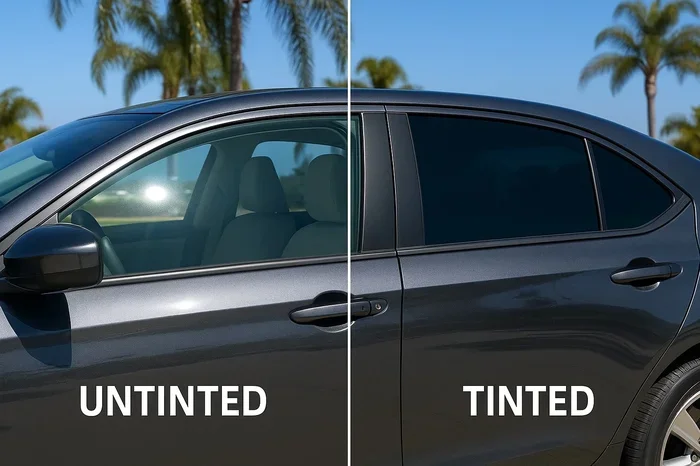
When we talk about 60 percent window tint, we are referring to the amount of visible light that can pass through your car windows. A 60 percent tint film allows 60% of outside light to enter while blocking the remaining 40%. This makes it one of the lighter tint options available on the market today.
Also known as visible light transmission or VLT, this measurement is how tint percentages are calculated. The higher the number, the more light comes through. So a 60 percent tint is noticeably lighter than a 35 percent tint or a 20 percent tint. Many drivers choose this shade because it looks almost factory-stock while still providing meaningful benefits.
60 percent window tint is commonly applied to side windows, rear windows, and sometimes the windshield (in a strip form). It is a popular choice for people who want the advantages of window film without dramatically changing their vehicle’s appearance. If you have ever wondered what that subtle, slightly darker look on a car is, there is a good chance it is a 60 percent tint job.
How Is Tint Percentage Measured?
Tint percentage is measured using a device called a tint meter. This tool reads the visible light transmission rate of the film. A 60 percent rating means 60 out of every 100 light particles pass through the glass. The rest is absorbed or reflected by the film layers.
Manufacturers test each film roll under controlled conditions. This ensures consistency across every sheet. When you buy 60 percent window tint from a reputable brand, you can trust that the VLT rating is accurate and reliable.
Benefits of 60 Percent Window Tint
Choosing the right tint percentage is about more than just looks. The shade you pick directly affects comfort, protection, and even safety inside your vehicle. A 60 percent window tint delivers a surprising number of advantages for everyday driving.
UV Protection for You and Your Passengers
One of the biggest reasons people invest in car window tinting is UV protection. Even on cloudy days, harmful ultraviolet rays pass through your car windows. Over time, this exposure can cause skin damage and increase your risk of long-term health issues.
A quality 60 percent window tint film blocks up to 99% of UV rays. This is remarkable for such a light shade. You and your passengers stay safer without needing to roll down the windows or rely solely on sunscreen.
Heat Rejection and Comfort
Summer driving can turn your car into an oven. Solar heat builds up fast, making the steering wheel burning hot and the interior uncomfortable. 60 percent window tint significantly reduces the amount of solar energy that enters your vehicle.
While it is not as dark as a 35 percent or 20 percent tint, the heat rejection properties are still impressive. Many drivers notice a measurable temperature difference inside their car after applying a light tint. This means less reliance on air conditioning and better fuel efficiency over time.
Glare Reduction for Safer Driving
Glare from the sun or headlights at night can be dangerous. It strains your eyes and reduces your ability to see the road clearly. 60 percent window tint cuts down on this glare without making your windows too dark.
You get a more comfortable driving experience, especially during long road trips or when driving into the sunset. This is one of the most underrated benefits of even a light tint shade.
Interior Protection and Longevity
Your car’s interior takes a beating from sunlight every single day. Dashboards crack, seats fade, and upholstery deteriorates faster than they should. 60 percent window tint acts as a shield, blocking a large portion of the sun’s damaging rays.
Over months and years, this protection adds up. Your car’s interior looks newer for longer, which helps maintain resale value. This is a smart investment that pays for itself in preserved condition.
Privacy Without Going Too Dark
Everyone wants some level of privacy tint in their vehicle. A 60 percent window tint gives you a mild level of privacy. People outside can still see into your car, but it is slightly harder to see clearly. This balance works well for daily commuting and city driving.
If you need maximum privacy, a darker tint would be better. But for most drivers, 60 percent hits the sweet spot between visibility and discretion.
60 Percent Window Tint Laws and Regulations
Tint laws vary from state to state, and understanding them before you tint your windows is essential. The good news is that 60 percent window tint is legal in most places across the United States. Because it is a light shade, it rarely runs into regulatory issues.
General Legal Guidelines for Light Tint
Most states require that front side windows allow at least 50% or 70% of light to pass through. Since 60 percent tint falls within these limits in most jurisdictions, it is generally compliant for front windows. Rear windows and back windshields often have even looser restrictions.
However, laws change and differ by location. Always check your state regulations before scheduling an installation. A quick online search or a call to your local DMV can save you from a costly ticket.
States Where 60 Percent Tint Is Fully Legal
Many states allow 60 percent window tint on all windows without any issues. States like California, Texas, Florida, and New York generally permit this shade level on front side windows. Here are some common points to keep in mind:
- Front side windows: Most states require 50% or higher VLT. 60 percent passes easily.
- Rear side windows: Usually any darkness is allowed, but 60 percent is well within limits.
- Rear windshield: Often unrestricted, but check local rules for tint strips near the top.
- Reflective tint: Some states restrict reflective finishes regardless of percentage.
Medical Exemptions and Special Cases
Some states offer medical exemptions for darker tints. If you or a passenger has a condition that requires extra sun protection, you may qualify for a waiver. Even with an exemption, 60 percent window tint is a safe choice that rarely triggers any legal concerns.
Types of Window Tint Films Available
Not all window tint films are created equal. When you decide to go with 60 percent window tint, you also need to choose the type of film. Each material offers different performance levels, durability, and price points.
Dyed Window Tint Film
Dyed tint is the most affordable option. It uses layers of dye to absorb heat and block light. A 60 percent dyed tint provides decent UV protection and a clean look. However, dyed films tend to fade over time, especially with heavy sun exposure.
If you are on a tight budget and want a temporary solution, dyed film works well. Just expect to replace it every few years for best results.
Metalized Window Tint Film
Metalized tint contains tiny metallic particles that reflect heat and add strength to the window. This type of film is more durable than dyed options. A 60 percent metalized tint offers excellent heat rejection and a slightly mirrored look from the outside.
The downside is that metalized films can interfere with cell phone signals and GPS reception. If you rely heavily on navigation or hands-free calling, this is worth considering.
Hybrid Window Tint Film
Hybrid tint combines dyed and metalized layers to get the best of both worlds. It offers strong heat rejection without the signal interference issues of fully metalized films. 60 percent hybrid tint is a popular mid-range choice for drivers who want performance without a premium price tag.
Ceramic Window Tint Film
Ceramic tint is the top-tier option. It uses nano-ceramic particles to block heat and UV rays without adding any metallic properties. This means zero signal interference and superior clarity. A 60 percent ceramic tint provides outstanding performance and lasts longer than any other film type.
Ceramic films are more expensive, but they are worth it for drivers who want the best long-term investment. Many ceramic tints come with lifetime warranties.
How Much Does 60 Percent Window Tint Cost?
Cost is always a factor when considering car window tinting. The good news is that a 60 percent window tint is generally affordable because it uses a lighter film. Prices vary based on several factors, but you can expect a reasonable range for most vehicles.
Average Cost Breakdown
For a standard sedan, 60 percent window tint typically costs between $100 and $300 for a full car. SUVs and trucks with larger windows may cost $200 to $400 or more. Here is a rough breakdown:
- Front doors only: $50 to $100
- All side windows: $80 to $200
- Full car (all windows): $150 to $400
- Ceramic film upgrade: Add $50 to $150 to the base price
Factors That Affect Tint Cost
Several things influence the final price of your 60 percent window tint installation:
- Film type: Ceramic costs more than dyed or hybrid films.
- Vehicle size: Larger vehicles need more film material.
- Installation quality: Professional shops charge more but deliver better results.
- Warranty coverage: Films with lifetime warranties may cost a bit more upfront.
- Location: Prices vary by region and shop reputation.
Is DIY Tinting Worth It?
Some drivers attempt to install 60 percent window tint themselves using DIY kits. These kits cost $20 to $80 and can save money. However, DIY installation often leads to bubbles, peeling, and uneven edges.
For the best results and longest lifespan, professional installation is highly recommended. The small extra cost is worth the peace of mind and warranty protection.
Common Mistakes to Avoid With 60 Percent Window Tint
Even with a light tint like 60 percent window tint, mistakes can happen. Avoiding these common errors ensures you get the best results from your investment.
Choosing the Wrong Film Type
Not all films perform equally at the same percentage. A cheap dyed film at 60 percent may fade within a year, while a quality ceramic film lasts a decade. Always match the film type to your priorities, whether that is durability, heat rejection, or budget.
Ignoring Local Tint Laws
Even though 60 percent is generally legal, some cities or counties may have stricter rules. Failing to check your local tint laws can result in fines or mandatory removal. A quick verification before installation saves headaches later.
Skipping Professional Installation
DIY tinting might seem like a money saver, but it often leads to poor adhesion and early failure. Bubbles and peeling are common problems that professional installers know how to avoid. If you value the look and longevity of your 60 percent window tint, invest in quality installation.
Neglecting Aftercare Instructions
Your tint needs time to cure properly after installation. Rolling down windows too early or cleaning the glass aggressively can damage the film. Follow your installer’s aftercare instructions carefully to get the full lifespan out of your tint.
Expert Insights on 60 Percent Window Tint
Industry professionals consistently recommend 60 percent window tint as an excellent starting point for first-time tint buyers. It offers a noticeable upgrade over factory glass without crossing into territory that raises legal or aesthetic concerns.
Many auto detailing experts suggest pairing a 60 percent tint on the front doors with a slightly darker shade on the rear windows. This creates a balanced, professional look that enhances the vehicle’s overall appearance. It also allows you to enjoy stronger privacy in the back seat while keeping the front windows compliant and light.
From a technical standpoint, ceramic 60 percent tint is the gold standard for those who want maximum performance. The ceramic particles block infrared heat more effectively than any other film type, making it ideal for hot climates. Even at 60 percent VLT, a quality ceramic film can reduce interior temperatures by 10 to 15 degrees Fahrenheit compared to untinted windows.
Key Takeaways
- 60 Percent Window Tint is a light, versatile shade that blocks UV rays and reduces solar heat effectively.
- It is legal in most states for front side windows, making it a worry-free choice for daily drivers.
- The tint level provides a subtle aesthetic upgrade without dramatically darkening your vehicle’s appearance.
- Costs range from $100 to $400 depending on film type, vehicle size, and installation quality.
- Ceramic and hybrid films offer the best performance for a 60 percent tint, while dyed films are the most budget-friendly.
- Professional installation ensures a bubble-free finish and extends the life of your tint significantly.
- Avoiding common mistakes like ignoring local laws or skipping aftercare helps you get the most out of your investment.
Is 60 Percent Window Tint Right for You?
The right tint percentage depends on your priorities, your vehicle, and where you live. If you want a 60 percent window tint that looks great, protects your interior, and keeps you comfortable, this shade level is hard to beat. It is practical, legal, and affordable.
For drivers in hot climates, pairing a 60 percent tint with a ceramic film delivers outstanding heat rejection. For those on a tighter budget, a quality dyed or hybrid film at this percentage still offers meaningful benefits. The key is to choose a reputable installer and a film that matches your needs.
Take the time to research local tint laws, compare film options, and get quotes from a few professional shops. With the right approach, 60 percent window tint can transform your daily driving experience in ways you might not expect.
Frequently Asked Questions
What does 60 percent window tint mean?
A 60 percent tint means that 60% of visible light can pass through the window film. The remaining 40% is blocked, providing UV protection, heat rejection, and mild glare reduction. It is one of the lighter tint shades available and looks very natural on any vehicle.
Is 60 percent window tint legal in all states?
Most states allow 60 percent window tint on front side windows because it exceeds the typical minimum VLT requirement of 50% or 70%. However, laws vary by location, so always verify your local state regulations before getting tinted.
How much does 60 percent window tint cost?
The cost for a full car 60 percent window tint typically ranges from $150 to $400. The final price depends on the film type, vehicle size, and whether you choose professional installation. Ceramic films will cost more than dyed or hybrid options.
Can I install 60 percent window tint myself?
Yes, DIY kits are available for under $80, but they often result in bubbles, peeling, and uneven application. Professional installation is recommended for the best results, longer durability, and warranty coverage on your 60 percent window tint.
Does 60 percent tint block UV rays?
Yes, even a light 60 percent window tint can block up to 99% of harmful UV rays. This level of protection helps keep your skin safe and prevents your car’s interior from fading and cracking due to sun exposure.
How long does 60 percent window tint last?
A quality 60 percent window tint can last anywhere from 5 to 10 years, depending on the film type and installation quality. Ceramic films tend to last the longest, while dyed films may need replacement sooner. Proper aftercare significantly extends the lifespan.
=== CONCLUSION ===
60 percent window tint is one of the smartest upgrades you can make for your vehicle. It offers a winning combination of UV protection, heat rejection, glare reduction, and interior preservation. At the same time, it stays light enough to look natural and remain legal in most areas.
Whether you are a first-time tint buyer or simply looking for a subtle upgrade, 60 percent window tint delivers real value. Choose the right film type, invest in professional installation, and follow proper aftercare to enjoy the benefits for years to come. Your car and your comfort will thank you every time you get behind the wheel.