Car Reverse Camera and Sensor Guide for Safe Driving Tips
A car reverse camera and sensor system is one of the smartest safety upgrades you can make to your vehicle. These tools help drivers see behind them, avoid obstacles, and park with confidence. Whether you drive a sedan, SUV, or truck, this guide covers everything you need to know. We will walk you through how these systems work, the best types available, and simple installation tips. Read on to make your daily driving safer and stress-free.
Backing up a car can be stressful. You turn the wheel, look in the rearview mirror, and still are not sure if something is behind you. This is exactly why a car reverse camera and sensor setup has become so popular. These tools take the guesswork out of reversing and make your daily drives much safer.
Every year, thousands of backup accidents happen in driveways and parking lots. Many of them involve children, pets, or small objects that drivers simply cannot see. A good reverse parking camera paired with parking sensors changes everything. You get a live video feed on your screen and audible alerts when something is close. It is like having a second pair of eyes on the back of your car.
This guide will help you understand how these systems work, which type is best for your vehicle, and how to get the most out of them. Whether you are a new driver or have been driving for years, you will find practical advice here. Let us dive into the world of vehicle safety technology and see what a difference these tools can make.
Key Takeaways
- Reverse cameras and sensors greatly reduce backup accidents: they give you a clear view of what is behind your car.
- Multiple types of systems exist: from basic parking sensors to advanced 360-degree camera setups.
- Installation is easier than most people think: many kits are wireless and DIY-friendly.
- Regular maintenance keeps your system accurate: clean the camera lens and check sensor calibration often.
- These systems add resale value: buyers love vehicles equipped with modern safety features.
- Using both camera and sensor together is the safest approach: each tool covers what the other might miss.
📑 Table of Contents
- What Is a Car Reverse Camera and Sensor?
- How Do Reverse Cameras and Sensors Work Together?
- Benefits of Installing a Car Reverse Camera and Sensor
- Types of Reverse Camera and Sensor Systems
- How to Choose the Right System for Your Vehicle
- Installation Tips and Common Mistakes
- Maintaining Your Reverse Camera and Sensor System
- Expert Tips for Getting the Most from Your System
- Key Takeaways
- Conclusion
What Is a Car Reverse Camera and Sensor?
A car reverse camera and sensor is a safety system designed to help drivers see behind their vehicle while backing up. The camera is usually mounted on the rear bumper or trunk. It sends a live video feed to your dashboard screen or a small monitor. The sensors are small bumps on the rear bumper that detect objects using ultrasonic or electromagnetic waves.
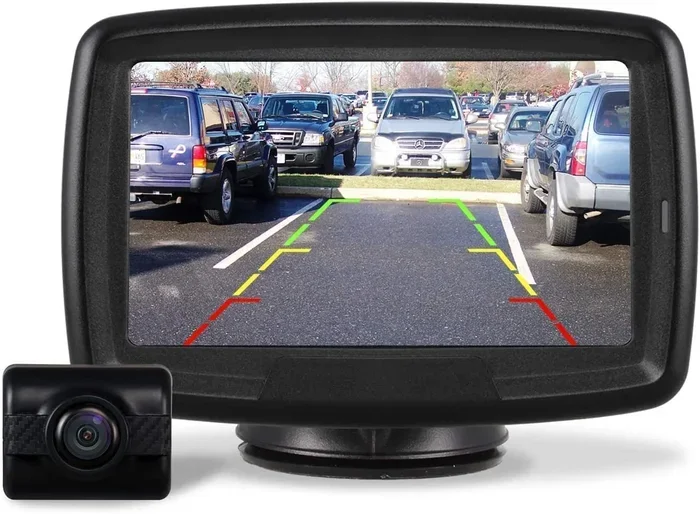
Together, these two tools create a complete picture of what is behind your car. The camera shows you the visual layout. The sensors tell you how close you are to an object. Some systems even draw lines on the screen that show your turning path. This combination of sight and sound makes reverse parking camera setups incredibly effective.
Most modern cars come with at least a basic version of this system. But older vehicles or budget models often do not include one. That is where aftermarket backup sensor systems come in. They are affordable, easy to install, and work with almost any car or truck.
How the Camera Part Works
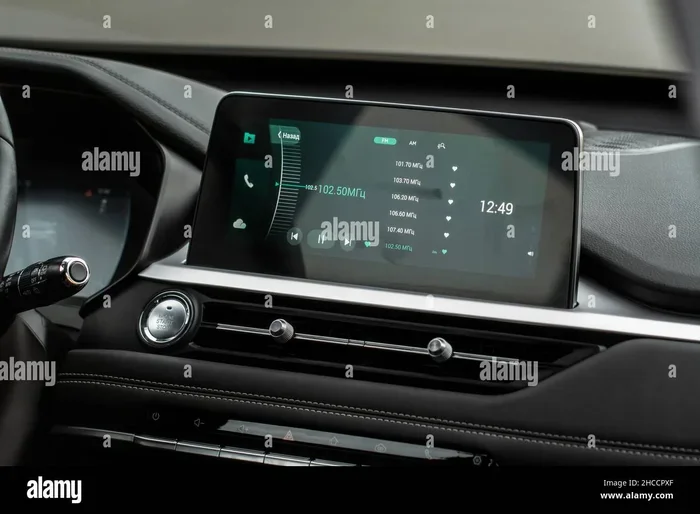
The reverse camera activates when you shift your car into reverse gear. It instantly turns on and displays the rear view on your screen. Most rearview camera systems use wide-angle lenses to capture a broad area behind the vehicle. The image is usually in color during the day and switches to black and white at night. Some advanced cameras even have infrared capabilities for better visibility in the dark.
How the Sensor Part Works
Rear sensors car systems use ultrasonic technology. They send out sound waves that bounce off objects and return to the sensor. The system calculates the distance based on how long the wave takes to return. When you get close to an object, the beeping sound gets faster and louder. This is called a backup alarm, and it is designed to alert you before a collision happens.
How Do Reverse Cameras and Sensors Work Together?
Using a camera and sensor together creates a powerful safety net. Each tool has its own strength, and when combined, they cover each other’s weaknesses. Let us look at how this teamwork works in real life.
The Visual Advantage of Cameras
A reverse camera gives you a real-time visual of the area behind your car. You can see curbs, walls, other vehicles, and even small objects like toys or tools on the ground. This is especially helpful when parking in tight spaces. You can judge distances more accurately than with mirrors alone.
Many drivers say that a parking camera system changed the way they park. It removes the anxiety of tight garages and crowded lots. You no longer have to crane your neck or rely only on side mirrors. The screen shows you exactly what is happening behind the car.
The Audible Advantage of Sensors
While cameras give you a picture, sensors give you instant feedback through sound. You do not even need to look at the screen to know you are getting close to something. The backup alarm beeps faster as you approach an object. This is extremely useful when your eyes are busy looking at traffic or pedestrians.
Sensors also work in conditions where cameras struggle. Heavy rain, fog, or mud on the lens can blur the camera image. But parking sensors still detect objects through sound waves. They are reliable in almost any weather condition.
The Best of Both Worlds
When you use a car reverse camera and sensor combo, you get the best of both worlds. The camera shows you the big picture. The sensor tells you precise distances. Together, they make reversing one of the safest parts of driving. Many modern automotive backup systems now include both as standard features.
Benefits of Installing a Car Reverse Camera and Sensor
Adding a car reverse camera and sensor to your vehicle comes with many real-world benefits. Let us look at why so many drivers are choosing to install these systems.
1. Improved Safety for Everyone
The biggest benefit is safety. Backup accidents can cause serious injuries, especially to children and pets. A reverse parking camera helps you see people and objects that are otherwise hidden. Parking sensors add another layer of protection by warning you even before you get close enough to see the object.
Studies show that vehicles equipped with rear cameras and sensors have significantly fewer backup collisions. This is not just about protecting your car. It is about protecting the people around you.
2. Easier and Faster Parking
Parallel parking and backing into tight spots become much simpler with a car camera sensor setup. You can see exactly where your wheels are pointing and how much space you have. This saves time and reduces the stress of maneuvering in crowded parking lots.
Many drivers report that they reverse with more confidence after installing these systems. What used to feel risky now feels easy and controlled.
3. Protection for Your Vehicle
Bumper damage from backing into poles, walls, or other cars is very common. A backup sensor system alerts you before contact happens. This can save you from expensive repairs and keep your vehicle looking new for longer.
Even small dents and scratches add up over time. Preventing them with a vehicle safety technology setup is a smart investment.
4. Better Resale Value
Buyers today look for safety features when purchasing a used car. A rearview camera system is a desirable feature that can increase your vehicle’s resale value. It shows that you have taken good care of the car and prioritized safety.
Types of Reverse Camera and Sensor Systems
Not all reverse camera and sensor systems are the same. Different vehicles need different setups. Here is a look at the most common types available today.
1. Basic Rearview Camera Only
This is the simplest type of system. It includes a camera mounted on the rear of the vehicle and a screen on the dashboard. There are no sensors involved. This setup is great for drivers who mainly want a better view behind them while reversing.
Basic systems are affordable and easy to install. They work well for sedans and smaller vehicles where parking spaces are not too tight.
2. Parking Sensors Only
Some drivers prefer parking sensors without a camera. These systems use sensors on the rear bumper to detect objects and emit audible beeps. They are very effective at judging distance and work well in low-visibility conditions.
Sensors-only setups are popular among truck and SUV drivers who need extra help with large blind spots.
3. Camera and Sensor Combo
The most popular choice is a car reverse camera and sensor combo kit. It gives you both visual and audible feedback. This is the safest option and works well for all vehicle types. Many kits on the market today are wireless, which makes installation much simpler.
4. 360-Degree Camera Systems
Premium vehicles often come with 360-degree camera systems. These use multiple cameras around the car to create a bird’s-eye view. While not strictly a reverse system, they include excellent rear coverage. These systems are more expensive but offer unmatched visibility.
5. Integrated Factory Systems
Many new cars come with factory-installed automotive backup systems. These are built into the vehicle from the start and are seamlessly integrated with the infotainment system. They often include dynamic guidelines that show your turning path on the screen.
How to Choose the Right System for Your Vehicle
Choosing the right car reverse camera and sensor system depends on several factors. Here are the key things to consider before making a purchase.
Consider Your Vehicle Type
Sedans, SUVs, trucks, and vans all have different backing-up challenges. A tall SUV has a long rear blind spot that a camera can help with. A truck with a trailer needs sensors that can detect low objects near the ground. Think about your vehicle’s size and typical parking situations before choosing a system.
Think About Your Driving Environment
Do you park in tight city garages or wide suburban driveways? City drivers benefit more from precise sensors, while suburban drivers might prioritize a wide-angle camera. If you often drive in bad weather, choose a system with weather-resistant sensors and a camera with good low-light performance.
Budget Matters
Car camera sensor kits range from budget-friendly options under $50 to premium systems costing several hundred dollars. Set a realistic budget and look for the best quality within that range. A mid-range combo kit usually offers the best value for most drivers.
Check Compatibility
Make sure the system you choose is compatible with your vehicle. Some kits require a monitor to be mounted separately, while others plug directly into your existing screen. Check the wiring requirements and whether the system is universal or vehicle-specific.
Look for Key Features
When comparing systems, look for these important features:
- Wide-angle lens: captures more area behind your vehicle
- Night vision: improves visibility in low-light conditions
- Dynamic guidelines: show your turning path on the screen
- Adjustable sensor sensitivity: lets you customize how close you need to be before the alarm triggers
- Wireless connectivity: eliminates messy wiring and makes installation easier
- Weather resistance: ensures the system works in rain, snow, and heat
Installation Tips and Common Mistakes
Installing a car reverse camera and sensor system is easier than most people expect. Many kits are designed for DIY installation. However, there are some common mistakes that can cause problems later. Let us look at how to do it right.
Step-by-Step Installation Tips
Start by choosing the right location for your camera. It should be centered on the rear of the vehicle and mounted at the right height. A camera that is too low or too high will give you a distorted view of the ground. Use the mounting bracket that comes with your kit and make sure it is secure.
Next, connect the wiring. Most modern kits are wireless, which means you do not need to run cables through your car. If your kit has wired connections, use the provided wiring harness and follow the instructions carefully. Connect the camera power wire to your reverse light circuit. This ensures the camera turns on automatically when you shift into reverse.
For the sensors, clean the rear bumper surface thoroughly before sticking or drilling them in place. Place the sensors evenly spaced across the bumper for the best coverage. After installation, test the system in a safe area before driving on the road.
Common Mistakes to Avoid
One of the biggest mistakes is not calibrating the sensors properly. If the sensors are too sensitive, they will beep constantly even when there is nothing close. If they are not sensitive enough, they might not warn you in time. Take the time to adjust the sensitivity settings to match your driving style.
Another mistake is ignoring the camera lens. Over time, dirt, mud, and road grime can build up on the lens. A dirty lens makes the video feed blurry and useless. Clean the lens regularly with a soft cloth. This simple habit keeps your reverse camera working at its best.
Some drivers skip reading the instruction manual entirely. Every system is slightly different, and the manual contains important setup details. Taking 15 minutes to read it can save you hours of frustration later.
Maintaining Your Reverse Camera and Sensor System
Once your car reverse camera and sensor system is installed, regular maintenance keeps it working reliably for years. Here are simple steps to follow.
Clean the Camera Lens Regularly
Wipe the camera lens with a microfiber cloth every few weeks. In winter, remove any ice or snow buildup before driving. A clean lens ensures a clear and sharp video feed every time you reverse.
Check Sensor Placement
Over time, sensors can shift slightly due to bumps and weather changes. Check that they are still firmly attached and properly aligned. If a sensor is loose, it may give inaccurate readings or stop working altogether.
Test the System Often
Make it a habit to test your backup sensor system and camera every few weeks. Shift into reverse and check that the screen lights up and the sensors beep correctly. Catching a problem early prevents surprises when you need the system most.
Watch for Wiring Issues
Inspect the wiring connections for any signs of wear or damage. Frayed wires can cause intermittent problems with the camera or sensors. If you notice any issues, address them quickly to keep your system fully functional.
Expert Tips for Getting the Most from Your System
Even the best car reverse camera and sensor system works best when you use it correctly. Here are some expert tips to maximize its effectiveness.
Always do a shoulder check. Technology is a great helper, but it should not replace basic safety habits. Look over your shoulder before reversing, especially in areas with pedestrians or children.
Adjust your driving speed. Reversing slowly gives your sensors and camera more time to detect objects. Speed is the enemy of safe backing up.
Use the camera guidelines as a reference, not a guarantee. The lines on your screen are estimates. Actual distances can vary based on camera angle and object height. Trust the sensors for precise distance measurements.
Keep your monitor clean. A smudgy screen makes it hard to see the camera feed clearly. Wipe it down as part of your regular car cleaning routine.
Teach other drivers in your household how the system works. If your partner or teenager drives your car, make sure they understand the sensor beeping patterns and camera display. Consistency in usage keeps everyone safe.
Key Takeaways
- Reverse cameras and sensors greatly reduce backup accidents: they give you a clear view of what is behind your car.
- Multiple types of systems exist: from basic parking sensors to advanced 360-degree camera setups.
- Installation is easier than most people think: many kits are wireless and DIY-friendly.
- Regular maintenance keeps your system accurate: clean the camera lens and check sensor calibration often.
- These systems add resale value: buyers love vehicles equipped with modern safety features.
- Using both camera and sensor together is the safest approach: each tool covers what the other might miss.
Conclusion
A car reverse camera and sensor system is one of the most practical and affordable safety upgrades you can make. It protects your vehicle, keeps pedestrians safe, and takes the stress out of parking. Whether you choose a basic setup or a premium combo kit, the difference on the road is noticeable from day one.
Understanding how these systems work helps you use them more effectively. Cleaning the camera lens, calibrating the sensors, and combining visual and audible feedback all contribute to safer reversing habits. The tips and advice in this guide give you a strong foundation to get started.
Take the time to choose the right system for your vehicle, install it properly, and maintain it regularly. Your future self will thank you every time you back up with confidence. Drive safe, park smart, and enjoy the peace of mind that comes with knowing your car reverse camera and sensor system has your back.
Frequently Asked Questions
How much does a car reverse camera and sensor system cost?
Basic kits start around $30 to $50 for a simple camera setup. Combo kits with both camera and sensors typically range from $60 to $200. Premium systems with 360-degree coverage can cost $300 or more. The price depends on features like wireless connectivity, night vision, and brand quality. For most drivers, a mid-range combo kit offers the best balance of cost and performance.
Can I install a reverse camera and sensor system myself?
Yes, most aftermarket kits are designed for easy DIY installation. Wireless systems are especially simple because they do not require running cables through your car. Wired kits may need some basic electrical knowledge. Always follow the instruction manual carefully, and if you are unsure, a professional installer can handle it in under an hour.
Do reverse cameras work at night?
Most modern reverse cameras have night vision capabilities. They switch to infrared or enhanced low-light mode automatically when it gets dark. The image may not be as colorful as during the day, but you will still see clear outlines of objects behind your car. Keeping the lens clean helps maintain the best night performance.
How accurate are parking sensors?
Parking sensors are very accurate at detecting objects within a few feet of your vehicle. They use ultrasonic waves that measure distance precisely. However, very small objects like thin poles or low curbs may not always trigger the sensors. This is why combining sensors with a reverse camera gives you the most complete picture of your surroundings.
How often should I clean my reverse camera lens?
You should clean the camera lens at least once a week, or more often if you drive in muddy or snowy conditions. A quick wipe with a microfiber cloth during your regular car wash routine is usually enough. A dirty lens can make the video feed blurry and reduce the effectiveness of your entire parking camera system.
Will a reverse camera and sensor system increase my car insurance discount?
Some insurance companies offer discounts for vehicles equipped with advanced safety features like backup cameras and sensors. Contact your insurance provider to ask about available discounts. Even if there is no direct discount, these systems can reduce your risk of filing a claim for a backup accident, which may lower your premiums over time.