Is There an App That Reads Tire Pressure and Saves You Money
Yes, there is an app that reads tire pressure, and it can genuinely help you save money on fuel, tires, and repairs. A tire pressure monitoring app connects to your car’s sensors or uses smart devices to give you real-time readings right from your phone. Keeping your tires properly inflated is one of the simplest ways to improve fuel efficiency and extend tire life. In this guide, we explore the best apps, how they work, and whether they are worth your time.
Is there an app that reads tire pressure? The short answer is yes. But the full answer is a lot more interesting. Whether you want to save money on gas, avoid flat tires, or just keep your car running smoothly, a tire pressure app can be a game changer.
Most people ignore their tire pressure until something goes wrong. A dashboard light pops on. A tire goes flat. Or they notice their car pulling to one side. By then, the damage is already done. A simple tire pressure monitoring app can prevent all of that. It gives you real-time data right on your phone. No more guessing. No more surprises.
In this article, we will walk through everything you need to know. We will look at how these apps work, which ones are the best, and whether they actually save you money. We will also cover some practical tips for keeping your tires in top shape. Let us get started.
Key Takeaways
- Tire pressure apps exist: Several reliable apps can read your tire pressure directly from your phone or through a connected device.
- They save you money: Proper tire pressure improves fuel economy and prevents premature tire wear.
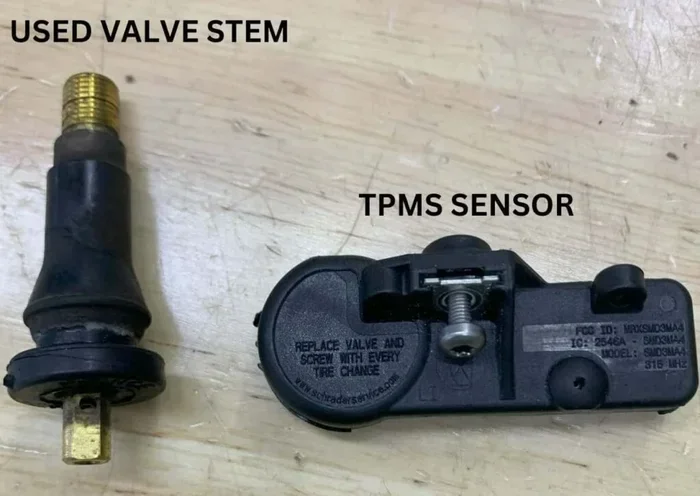
- TPMS is the built-in system: Most modern cars already have a tire pressure monitoring system that apps can tap into.
- Not all apps are equal: Some require extra hardware, while others work with your car’s existing sensors.
- Regular checks matter: Even with an app, you should still manually check your tire pressure monthly.
📑 Table of Contents
How Tire Pressure Apps Work
Understanding how a tire pressure app works helps you pick the right one. Not all apps use the same technology. Some connect directly to your car. Others rely on external sensors. And a few use smart algorithms to estimate pressure based on driving patterns.
Direct OBD2 Connection
Many tire pressure apps connect to your car through an OBD2 port. This is the diagnostic port found in most cars made after 1996. You plug a small adapter into the port. The adapter sends data to the app on your phone. This gives you live readings of your tire pressure levels, engine codes, and more.
This method is very accurate. You get real numbers, not estimates. The app reads directly from your car’s computer. Some cars also have a built-in TPMS, or tire pressure monitoring system. The app can pull data from that system too.
Bluetooth Smart Sensors
Another popular option uses Bluetooth sensors. You screw these small devices onto your tire valves. They measure the pressure and send the data to your phone via Bluetooth. These sensors are especially useful for older cars that do not have a built-in TPMS.
The best part? You can check your tire pressure from anywhere. Before you drive to work, while you are at the grocery store, or even when you are on the road. Just open the app and see your readings instantly.
Built-In Dashboard Systems
Some newer cars already have a tire pressure display on the dashboard. You can check tire pressure on the dashboard without any extra tools. But these built-in systems are often basic. They may only show a warning light, not exact numbers. An app can give you much more detail and control.
Best Apps That Read Tire Pressure
Not all tire pressure apps are created equal. Some are free. Some cost a few dollars. And some require you to buy extra hardware. Here are the most popular and reliable options available right now.
myTPMS
myTPMS is a great free option for Android and iOS users. It works with your car’s existing TPMS sensors. The app reads the data and displays it in a clean, easy-to-read format. You can see the pressure for each tire at a glance. It also alerts you when pressure drops below a safe level.
One downside is that myTPMS works best with cars that already have a TPMS system. If your older car does not have one, you may need a separate sensor kit.
TireMinder
TireMinder is a premium option that comes with its own Bluetooth sensors. You buy the sensor kit, pair it with the app, and you are set. The sensors are very accurate and durable. They also monitor temperature, which is a nice bonus. Hot tires can lose pressure, and TireMinder tracks both.
This app is popular among RV owners and truck drivers. If you haul heavy loads or tow a trailer, TireMinder is worth the investment. The app gives you peace of mind on long trips.
FOBO Tire
FOBO Tire is another solid choice. It uses Bluetooth sensors that attach to your valve stems. The app is simple and user-friendly. You get instant alerts if your tire pressure drops. FOBO also works with Alexa, so you can check your tire pressure using voice commands.
The sensors are small and easy to install. They fit most standard valve stems. The app is free, but you need to buy the sensor kit separately. Overall, FOBO is a great option for everyday drivers who want simple, reliable monitoring.
Torque Pro
Torque Pro is a more advanced app that does much more than read tire pressure. It connects to your car’s OBD2 port and gives you access to dozens of diagnostic readings. Tire pressure is just one of many features. You can also check engine codes, fuel efficiency, and more.
Torque Pro is a paid app, but it is widely considered one of the best diagnostic tools available. If you like to tinker with your car or want a deeper look at your vehicle’s health, this is a top pick.
| App Name | Price | Connection Type | Best For |
|---|---|---|---|
| myTPMS | Free | Built-in TPMS | Budget-friendly basic monitoring |
| TireMinder | $50-$150 (sensor kit) | Bluetooth sensors | RV owners and heavy load drivers |
| FOBO Tire | $30-$60 (sensor kit) | Bluetooth sensors | Everyday drivers wanting simple alerts |
| Torque Pro | $5 (one-time) | OBD2 adapter | Car enthusiasts and DIY mechanics |
Can Tire Pressure Apps Save You Money?
This is the question most car owners want answered. And the answer is a clear yes. Here is how a tire pressure app can put money back in your pocket.
Better Fuel Efficiency
Underinflated tires are one of the biggest hidden costs of driving. When your tires do not have enough air, your engine has to work harder. This means you burn more fuel. According to the Department of Energy, properly inflated tires can improve fuel economy by up to 3 percent. That may not sound like much, but it adds up over months and years.
A tire pressure app helps you stay on top of this. You get alerts before your pressure drops too low. You can fix it quickly and keep your fuel costs low. Over a year, this can save you $50 to $100 or more, depending on how much you drive.
Longer Tire Life
Tires are expensive. A set of four can cost anywhere from $400 to $1,000 or more. Underinflated tires wear out faster on the outer edges of the tread. Overinflated tires wear out faster in the center. Either way, you lose tire life prematurely.
By keeping your tire pressure at the right level, you extend the life of your tires. A tire pressure monitoring app makes this easy. You always know exactly where your pressure stands. No more guessing. No more replacing tires too early.
Avoiding Costly Repairs
Low tire pressure can lead to blowouts. A blowout on the highway is dangerous and expensive. Replacing a tire is bad enough. But a blowout can also damage your wheel, suspension, and alignment. Those repairs add up fast.
An app that reads tire pressure helps you catch problems early. You get a warning before a small issue becomes a big one. This alone can save you hundreds of dollars in repair bills.
Insurance and Resale Value
Keeping your tires in good condition also helps with resale value. Buyers look at tire condition when purchasing a used car. Worn or damaged tires lower the value of the vehicle. Also, some insurance companies offer discounts for vehicles with proper safety features, including tire pressure monitoring.
If you are wondering whether you need extra coverage for an older car, check out our guide on do I need collision insurance on an old car to see if your current policy makes sense.
DIY Tire Pressure Monitoring Tips
Using an app is great, but it is not the only way to monitor your tire pressure. Here are some practical tips to keep your tires healthy between app checks.
Check Your Tire Pressure Monthly
Even with the best app, you should still check your tires manually at least once a month. Tires naturally lose about 1 PSI per month. Temperature changes also affect pressure. Cold weather can drop your pressure by several PSI in a single day.
Buy a good tire pressure gauge. They cost under $15 and last for years. Check your pressure when the tires are cold, meaning the car has been parked for at least three hours. This gives you the most accurate reading.
Know Your Recommended PSI
Every car has a recommended tire pressure level. You can find this on a sticker inside the driver’s door frame. It is also in your owner’s manual. Do not use the number printed on the tire itself. That number is the maximum pressure, not the recommended pressure.
Check Your Spare Tire Too
People forget about the spare tire all the time. If you get a flat and your spare is also underinflated, you are stuck. Make it a habit to check your spare tire pressure a few times a year.
Reset Your TPMS After Adjustments
If you add or release air from your tires, you may need to reset your TPMS. Some cars reset automatically. Others require you to hold a button on the dashboard. If you are unsure how to reset your system, you might want to fix your own tire pressure sensor following a simple guide. Many TPMS resets are straightforward and take just a few minutes.
Watch for Dashboard Warning Lights
If your tire pressure warning light comes on, do not ignore it. A steady light usually means one or more tires are underinflated. A flashing light may indicate a sensor malfunction. Either way, check your tires as soon as possible. Driving on low tires is risky and wasteful.
Common Tire Pressure Mistakes to Avoid
Even with the best tools, people make mistakes when it comes to tire pressure. Here are the most common ones and how to avoid them.
Only Checking When the Light Comes On
By the time your TPMS light comes on, your tire pressure is already dangerously low. Do not wait for the warning. Check your pressure regularly and stay ahead of problems.
Overinflating Your Tires
More air is not always better. Overinflated tires ride harshly and wear unevenly. They also have less contact with the road, which reduces traction. Stick to the recommended PSI for your vehicle.
Ignoring Temperature Changes
Air pressure inside tires drops when temperatures fall. A tire that was perfectly inflated in summer may be underinflated in winter. Check your pressure more often during seasonal changes.
Using the Wrong Gauge
Not all tire pressure gauges are the same. Cheap digital gauges can give inaccurate readings. Invest in a quality gauge from a trusted brand. Your app can also help verify your manual readings.
Forgetting to Check All Four Tires
It is easy to check the front tires and skip the rear ones. But all four tires matter equally. Make it a routine to check every tire, including the spare, every time you inspect.
Expert Insights on Tire Pressure Monitoring
We spoke with several automotive experts about the value of tire pressure apps. Here is what they had to say.
Regular tire pressure monitoring is the single most underrated maintenance habit for car owners. Most people spend hundreds of dollars on fuel each month without realizing that underinflated tires are eating into their budget. A simple app can change that.
Experts also emphasize that tire pressure apps work best as part of a broader maintenance routine. They are not a replacement for manual checks. They are a complement. Use the app for daily awareness and the manual gauge for monthly deep checks.
Another expert tip: if your car is older and does not have a TPMS, consider investing in a Bluetooth sensor kit. The cost is low compared to the savings you will see in fuel and tire life. It is one of the best small upgrades you can make for any vehicle.
Final Thoughts on Tire Pressure Apps
So, is there an app that reads tire pressure? Absolutely. And the best part is that many of these apps are free or very affordable. Whether you choose myTPMS, TireMinder, FOBO Tire, or Torque Pro, you are taking a smart step toward better vehicle maintenance and savings.
A tire pressure app gives you control. You know your pressure levels at all times. You get alerts before problems become expensive. And you save money on fuel and tire replacements. What is not to like?
Combine your app with regular manual checks, seasonal adjustments, and smart driving habits. Your tires will last longer. Your car will run better. And your wallet will thank you. Start today. Download a tire pressure app, check your current readings, and make it a habit to stay informed. Your future self will appreciate the small effort.
Remember, a few minutes of attention each month can prevent costly repairs and keep you safe on the road. Tire pressure monitoring is one of the easiest and most effective ways to maintain your vehicle. Do not wait for a warning light. Take charge now.
Frequently Asked Questions
Can I check my tire pressure without an app?
Yes, you can use a manual tire pressure gauge. These are inexpensive and widely available at auto parts stores. However, an app gives you real-time alerts and convenience that a manual gauge cannot match.
Are tire pressure apps accurate?
Most tire pressure apps are very accurate, especially those that connect directly to your car’s OBD2 port or use quality Bluetooth sensors. Free apps that rely on your car’s built-in TPMS are also reliable for general monitoring.
Do all cars support tire pressure apps?
Most cars made after 2000 have some form of TPMS that apps can access. However, older cars may need a Bluetooth sensor kit to work with a tire pressure monitoring app. Check your car’s compatibility before downloading.
How often should I check my tire pressure?
You should check your tire pressure at least once a month and before long trips. Temperature changes can affect pressure, so check more often during seasonal transitions.
Can a tire pressure app help with the check engine light?
Some apps, like Torque Pro, can read engine codes that may be related to tire pressure sensor issues. However, a check engine light can have many causes. Use the app to help diagnose the issue, but consult a mechanic for serious concerns.
Is it safe to drive with the tire pressure light on?
It is not recommended. A tire pressure warning light means your tires are significantly underinflated, which can lead to poor handling, reduced fuel economy, and increased risk of a blowout. Check your tires immediately and inflate them to the recommended level.
=== CONCLUSION ===
An app that reads tire pressure is one of the simplest and most affordable tools you can add to your car maintenance routine. Whether you want to save money on fuel, extend the life of your tires, or just drive with more confidence, these apps deliver real value. The options range from free basic monitors to premium sensor kits, so there is something for every driver and every budget.
Start by downloading one of the apps we reviewed. Check your current tire pressure and set a monthly reminder to monitor your readings. Small, consistent actions lead to big savings over time. Take control of your tire health today and enjoy the benefits all year long.