How Often Should You Replace Your TPMS Tire Sensors
TPMS sensors typically last 5 to 10 years, but their battery life and exposure to road conditions can shorten that lifespan. Replacing TPMS sensors at the right time helps you avoid false warnings, poor fuel economy, and unsafe driving. This guide covers everything you need to know about TPMS sensor replacement, from battery life to costs and DIY tips.
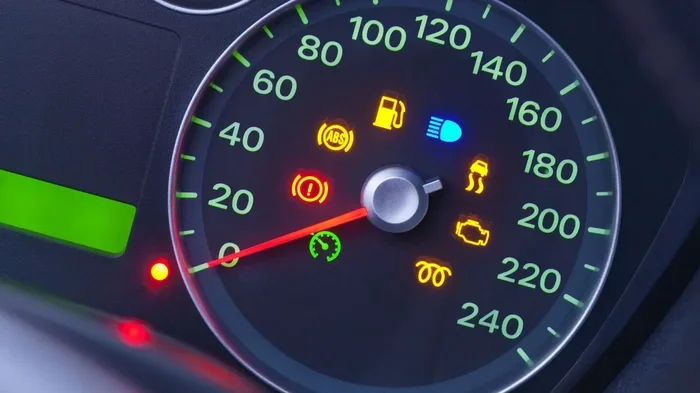
Your car talks to you. It uses lights, sounds, and signals to tell you when something needs attention. One of the most important signals is the tire pressure warning light on your dashboard. When that light comes on, it is often pointing to your TPMS sensors. These small but mighty devices keep you safe by monitoring your tire pressure in real time. But like all car parts, they do not last forever.
So how often should you replace your TPMS tire sensors? The short answer is every 5 to 10 years. But the full answer depends on several factors. These include your driving habits, the type of TPMS system your car uses, and how well you maintain your tires. In this guide, we will walk you through everything you need to know about TPMS sensor replacement. You will learn how these sensors work, when to replace them, what they cost, and how to keep them running strong.
Key Takeaways
- TPMS sensors last 5 to 10 years: Most sensor batteries die within this window, but driving habits and road conditions can change that.
- Watch for warning signs: A flashing or solid tire pressure light on your dashboard is the #1 signal that a sensor may need replacing.
- Replacement costs range from $50 to $250 per sensor: Direct TPMS sensors cost more than indirect systems, but both are worth the investment.
- You can replace sensors yourself: With the right tools and a little know-how, DIY sensor replacement is doable for most car owners.
- Reset your TPMS after replacement: Always reset your TPMS after filling air or replacing sensors to clear warning lights.
- Regular tire maintenance helps sensors last longer: Proper tire pressure and clean valve stems reduce wear on TPMS components.
📑 Table of Contents
- What Are TPMS Sensors and Why Do They Matter?
- How Often Should You Replace TPMS Sensors?
- Signs Your TPMS Sensors Need Replacing
- How Much Does It Cost to Replace TPMS Sensors?
- Can You Replace TPMS Sensors Yourself?
- How to Make Your TPMS Sensors Last Longer
- Common Mistakes People Make With TPMS Sensors
- How TPMS Sensors Compare to Other Car Maintenance Tasks
- When to See a Professional for TPMS Sensor Replacement
- Conclusion
What Are TPMS Sensors and Why Do They Matter?
TPMS stands for Tire Pressure Monitoring System. TPMS sensors are small electronic devices mounted inside your wheels. They measure the air pressure in each tire and send that data to your car’s computer. If the pressure drops below the recommended level, your dashboard lights up with a warning.
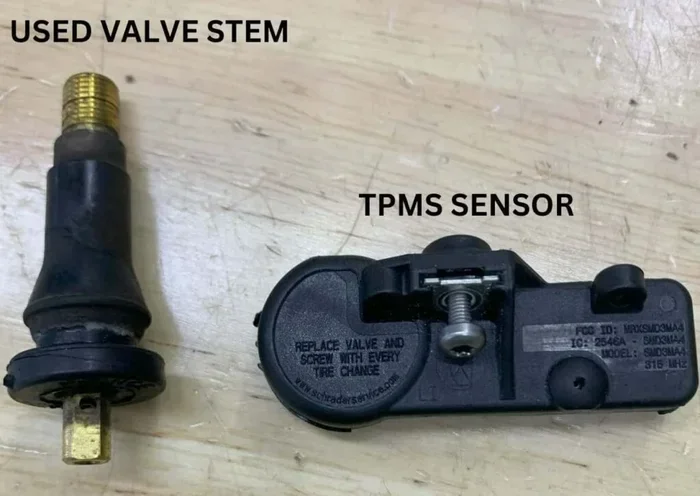
There are two main types of TPMS systems. Direct TPMS uses a physical sensor inside each tire. These sensors sit on the valve stem or are mounted inside the tire. They provide very accurate pressure readings. Indirect TPMS, on the other hand, does not use physical pressure sensors. Instead, it relies on your car’s wheel speed sensors. If one tire is rolling faster than the others, the system knows that tire is likely underinflated.
How Direct TPMS Sensors Work
Direct TPMS sensors have a small battery and a pressure transducer. The sensor measures the air pressure inside the tire. It then sends that data wirelessly to your car’s onboard computer. Most direct sensors last between 5 and 10 years. The battery is not replaceable in most models. When the battery dies, the entire sensor must be replaced.
How Indirect TPMS Systems Work
Indirect TPMS systems use the anti-lock brake system (ABS) sensors. These sensors track how fast each wheel is spinning. An underinflated tire has a smaller rolling radius. This means it spins faster than a properly inflated tire. The car’s computer detects this difference and triggers the warning light. Indirect systems do not have batteries, so they can last the lifetime of the vehicle in some cases. However, they are less accurate and need recalibration after tire rotations or replacements.
How Often Should You Replace TPMS Sensors?
The general rule of thumb is to replace TPMS sensors every 5 to 10 years. But this is just a guideline. Several factors can shorten or extend that timeline. Let us break down what affects sensor lifespan and when you should actually consider a replacement.
Battery Life Is the Biggest Factor
Most direct TPMS sensors run on a small lithium battery. These batteries typically last between 5 and 10 years. Once the battery dies, the sensor stops sending data. At that point, the tire pressure light will stay on or flash constantly. You cannot simply replace the battery. The entire sensor unit must be swapped out.
Driving in extreme temperatures can drain the battery faster. If you live in a very hot or very cold climate, your sensors may need replacing sooner. Also, frequent driving on rough roads or off-road terrain can cause physical damage to the sensors. This can shorten their lifespan as well.
Driving Habits That Wear Out Sensors
How you drive matters. Aggressive driving, frequent hard braking, and driving through potholes all put stress on your TPMS sensors. Over time, this wear and tear can cause the sensors to fail. If you drive a lot of miles each year, your sensors will naturally wear out faster than someone who drives less frequently.
Another habit that affects sensor life is ignoring the tire pressure light. When that light comes on and you do not address it, the sensor continues to work harder. This can drain the battery and lead to premature failure. If you notice your tire pressure warning light, get it checked right away.
Signs Your TPMS Sensors Need Replacing
Your car gives you plenty of warning signs when TPMS sensors are failing. The key is knowing what to look for. Here are the most common signs that it is time for a replacement.
The Tire Pressure Light Stays On
This is the most obvious sign. If the tire pressure warning light stays illuminated on your dashboard, your sensor may be malfunctioning. Sometimes the light comes on because of a slow leak. But if you have checked your tire pressure and everything looks fine, the sensor itself could be the problem.
The Light Flashes Then Stays Solid
A flashing TPMS light followed by a solid light often indicates a sensor fault. This pattern usually means the sensor battery is low or the sensor has stopped communicating with the car’s computer. This is a clear sign that a TPMS sensor replacement is needed.
Inaccurate Pressure Readings
If your tire pressure readings seem off, the sensor may be failing. For example, you might see one tire reading much lower than the others even though all tires look properly inflated. Inaccurate readings can also cause the system to give false warnings. Either way, a faulty sensor should be replaced promptly.
Sensor Damage After Tire Service
Sometimes sensors get damaged during routine tire service. Changing tires, balancing wheels, or replacing valve stems can accidentally break or dislodge a TPMS sensor. If you notice the warning light after a tire service, have the sensor inspected right away.
How Much Does It Cost to Replace TPMS Sensors?
The cost of replacing TPMS sensors varies depending on several factors. The type of sensor, your vehicle make and model, and where you get the work done all play a role. Here is a closer look at what you can expect.
Cost by Sensor Type
Direct TPMS sensors are more expensive than indirect systems. A single direct sensor can cost between $50 and $250 for the part alone. Add labor, and you are looking at $100 to $300 per sensor. Indirect TPMS systems do not have physical sensors to replace, but the ABS wheel speed sensors that they rely on can cost $100 to $200 each if they fail.
Cost by Vehicle
Luxury vehicles and newer models often have more expensive sensors. A TPMS sensor for a standard sedan might cost around $50 to $100. But the same sensor for a luxury SUV or a performance vehicle could cost $200 or more. Always check with your dealer or a trusted mechanic for an accurate quote specific to your vehicle.
DIY vs. Professional Replacement
Some car owners choose to replace TPMS sensors themselves. DIY replacement can save you money on labor costs. However, you will need a proper TPMS tool to program the new sensor to your vehicle. If you do not have the right equipment, professional installation is the better choice. A certified mechanic can also check for any other issues while they have the car on the lift.
Can You Replace TPMS Sensors Yourself?
The short answer is yes, in many cases. Replacing a TPMS sensor is similar to changing a valve stem. You remove the old sensor, install the new one, and program it to your car. But the process varies by vehicle, and some systems are more complex than others.
If you are comfortable with basic car maintenance, you can likely handle this job. You will need a TPMS relearn tool, a jack, and a lug wrench. The sensor typically unscrews from the valve stem. You then screw in the new sensor and use the relearn tool to sync it with your car’s computer.
Keep in mind that some newer vehicles require dealership-level tools for sensor programming. In those cases, professional installation is the safest route. Also, if you are not confident in your mechanical skills, it is always better to let a pro handle the job. A poorly installed sensor can lead to inaccurate readings and false warnings.
Quick Tips for DIY Sensor Replacement
- Buy the correct sensor for your vehicle: Not all TPMS sensors are universal. Check your vehicle manual or consult a parts store for the right fit.
- Use a torque wrench: Over-tightening the sensor can damage the valve stem. A torque wrench helps you apply just the right amount of force.
- Check the battery on the new sensor: Some sensors come with a battery life indicator. Make sure you are installing a fresh sensor with a full battery.
- Reset the system after installation: After replacing the sensor, always reset the TPMS. This clears any stored error codes and ensures accurate readings.
How to Make Your TPMS Sensors Last Longer
You cannot make TPMS sensors last forever, but you can take steps to extend their life. Proper maintenance and smart driving habits go a long way. Here is how you can get the most out of your TPMS sensors.
Keep Your Tires Properly Inflated
Underinflated tires put extra stress on the sensors. The sensor has to work harder to measure pressure when the tire is low. Over time, this extra strain can wear out the sensor faster. Check your tire pressure at least once a month. Use a reliable tire pressure gauge and inflate your tires to the manufacturer’s recommended level.
Avoid Harsh Road Conditions When Possible
Potholes, speed bumps, and rough terrain all impact your sensors. While you cannot always avoid them, try to steer clear of obvious hazards. Driving carefully over speed bumps and avoiding potholes when safe can reduce physical damage to the sensors and valve stems.
Replace Valve Stems When You Replace Tires
The valve stem is the connection point between the sensor and the tire. Old or damaged valve stems can cause air leaks and sensor malfunctions. Whenever you get new tires, have the valve stems replaced at the same time. This is a small cost that can prevent bigger problems down the road.
Keep Sensors Clean
Dirt, road salt, and debris can build up around the sensors. This buildup can interfere with the sensor’s signal and cause inaccurate readings. When you wash your car, take a moment to clean around the valve stems. A simple wipe-down can help your sensors stay in good shape.
Common Mistakes People Make With TPMS Sensors
Even the best car owners make mistakes. Here are some common errors when it comes to TPMS sensors and how to avoid them.
Ignoring the Warning Light
The biggest mistake is simply ignoring the tire pressure light. Some drivers see the light and assume it will go away on its own. In most cases, it will not. A persistent light usually means a real problem. Whether it is a faulty sensor or low tire pressure, you need to address it promptly.
Replacing All Sensors at Once
You do not always need to replace all four sensors at once. If only one sensor has failed, you can replace just that one. However, if your sensors are more than 5 years old, replacing all four at the same time can save you money and trouble in the long run. You will not have to worry about another sensor failing shortly after.
Using the Wrong Sensor for Your Vehicle
Not all TPMS sensors are interchangeable. Using the wrong sensor can lead to compatibility issues and error codes. Always double-check that the sensor you buy matches your vehicle’s make, model, and year. When in doubt, consult your owner’s manual or ask a professional.
Forgetting to Reset the System
After replacing a sensor or checking your tire pressure, always reset the TPMS. Many drivers forget this step and end up with a light that stays on even after the problem is fixed. Resetting the system clears the error and lets your car know everything is working properly.
How TPMS Sensors Compare to Other Car Maintenance Tasks
To put TPMS sensor replacement in perspective, it helps to compare it to other routine car maintenance tasks. Just like oil changes and brake pad replacements, sensor maintenance is part of owning a car. Here is how TPMS sensor replacement stacks up against other common maintenance items.
| Maintenance Task | Typical Frequency | Average Cost |
|---|---|---|
| Oil Change | Every 5,000 to 7,500 miles | $40 to $100 |
| Tire Rotation | Every 5,000 to 7,500 miles | $25 to $50 |
| Brake Pad Replacement | Every 25,000 to 70,000 miles | $150 to $300 per axle |
| TPMS Sensor Replacement | Every 5 to 10 years | $50 to $250 per sensor |
| Cabin Air Filter Replacement | Every 15,000 to 30,000 miles | $20 to $75 |
As you can see, TPMS sensor replacement is not the most frequent maintenance task. But it is one of the most important for safety. A properly functioning TPMS system helps you avoid flat tires, uneven wear, and dangerous blowouts. It also improves your fuel economy, since properly inflated tires reduce rolling resistance.
Regular maintenance like oil changes and tire rotations can also help your TPMS sensors last longer. For example, during an oil change, a mechanic can check your tire pressure and inspect the sensors for visible damage. This kind of proactive care goes a long way toward preventing unexpected failures.
When to See a Professional for TPMS Sensor Replacement
While DIY replacement is an option for many car owners, there are times when professional help is the better choice. If your vehicle requires specialized tools for sensor programming, a dealership or certified mechanic is your best bet. Also, if you are unsure about the diagnosis, it is always wise to get a second opinion.
Many quick-lube shops and tire centers offer TPMS sensor replacement services. Before choosing a provider, compare prices and check reviews. Some shops include sensor programming in the service price, while others charge extra. Ask for a detailed quote upfront so there are no surprises.
If you are in the market for a new vehicle, some manufacturers now include extended TPMS warranties. These warranties can cover sensor replacement for up to 10 years or 100,000 miles. Check your vehicle’s warranty details to see if you are covered. This can save you a significant amount of money if your sensors fail early.
Remember, your TPMS is part of a larger tire care system. Along with regular rotations and pressure checks, sensor maintenance keeps your tires performing at their best. If you are unsure about any aspect of tire care, a trusted mechanic can guide you through the process and make sure everything is working as it should.
Conclusion
TPMS sensors are small components with a big job. They keep you informed about your tire pressure and help you stay safe on the road. Most sensors need replacing every 5 to 10 years, but driving habits, weather, and road conditions can change that timeline. By knowing the warning signs, understanding the costs, and staying on top of maintenance, you can keep your TPMS system working at its best.
Do not ignore that tire pressure light. It is your car trying to tell you something important. Whether you replace the sensor yourself or have a professional handle it, staying proactive about TPMS sensor replacement is one of the smartest things you can do for your vehicle. Keep your tires properly inflated, your sensors in good shape, and your car ready for the road ahead.
Frequently Asked Questions
How long do TPMS sensors typically last?
Most TPMS sensors last between 5 and 10 years. The built-in battery is not replaceable in most models, so when the battery dies, the entire sensor must be replaced. Driving in extreme temperatures or on rough roads can shorten that lifespan.
Can I drive with a faulty TPMS sensor?
You can drive with a faulty sensor, but it is not recommended. A malfunctioning sensor means you will not get accurate tire pressure readings. This can lead to unsafe driving conditions, reduced fuel economy, and uneven tire wear. Replace the sensor as soon as possible.
Do I need to replace all four TPMS sensors at once?
No, you do not need to replace all four at once. If only one sensor has failed, you can replace just that one. However, if your sensors are older than 5 years, replacing all four together can save you time and money in the future.
What causes TPMS sensors to fail?
The most common cause is battery depletion. Other causes include physical damage from potholes or curb impacts, corrosion on the valve stem, and normal wear and tear over time. Exposure to extreme temperatures can also accelerate sensor failure.
How much does it cost to replace a TPMS sensor?
The cost typically ranges from $50 to $250 per sensor for the part alone. Labor costs can add another $50 to $100 per sensor. The total cost depends on your vehicle make and model, the type of sensor, and where you get the work done.
Will the TPMS light go off after replacing the sensor?
The light may stay on until you reset the system. After installing a new sensor, use a TPMS reset tool or drive your vehicle at the recommended speed for a few minutes. If the light persists, there may be another issue that needs to be diagnosed. You can also check if you need to reset TPMS after filling air or if the problem is related to the sensor itself.