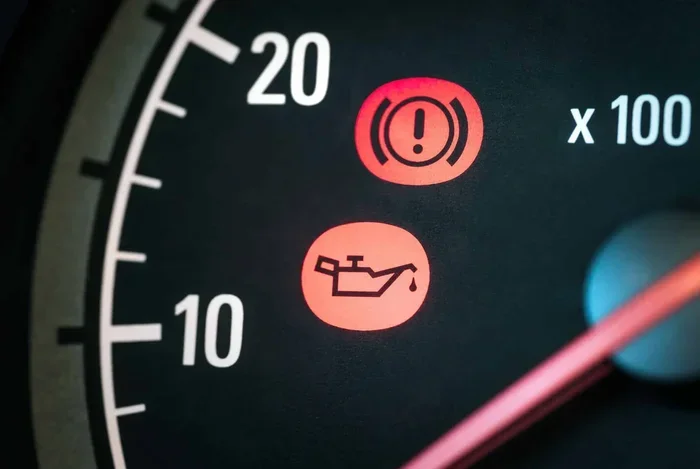
Is It Too Late If the Oil Light Comes On While Driving
When the oil light comes on while driving, it is your engine screaming for help. Ignoring it can lead to catastrophic engine failure, expensive repairs, and even a complete engine replacement. This guide walks you through exactly what the oil light means, what to do in the moment, and how to prevent it from happening again.
Key Takeaways
- The oil light means low oil pressure or low oil level: Both are serious and need immediate attention.
- You should pull over safely within 1-2 minutes: Continuing to drive can cause irreversible engine damage.
- Check your oil level first: A simple dipstick check can reveal if you just need a top-up.
- Do not ignore the light even if the car drives fine: Low oil pressure can destroy your engine without obvious symptoms at first.
- Regular oil changes prevent most oil light issues: Sticking to your oil change schedule keeps your engine healthy.
- Know the difference between oil light and check engine light: They signal different problems and require different responses.
📑 Table of Contents
- Is It Too Late If the Oil Light Comes On While Driving?
- What Does the Oil Light Actually Mean?
- What to Do When the Oil Light Comes On
- Can You Keep Driving If the Oil Light Comes On?
- How to Prevent the Oil Light From Coming On
- Oil Light vs. Check Engine Light: What Is the Difference?
- When to See a Mechanic
- Common Mistakes Drivers Make When the Oil Light Comes On
- Expert Insights on Oil Light Warnings
- Final Thoughts
Is It Too Late If the Oil Light Comes On While Driving?
You are cruising down the road. Everything is fine. Then you glance at the dashboard and see it. That little red oil can icon is glowing. Your heart drops. Your first thought is probably, “Is it too late?”
The short answer is no, it is not necessarily too late. But the longer answer depends on what caused the light and what you do right now. The oil pressure light is one of the most serious warnings your car can give you. It means your engine is not getting the lubrication it needs to run properly.
Think of engine oil like blood in your body. Without it, everything seizes up. The good news is that if you act quickly, you can often prevent serious damage. In this article, we will break down everything you need to know about the oil light. We will cover what it means, why it comes on, what to do, and how to avoid this scary situation in the future.
Whether you are a new driver or a seasoned veteran, this guide will give you the confidence to handle the oil light the right way. Let us dive in.
What Does the Oil Light Actually Mean?
Many drivers confuse the oil light with other dashboard warnings. But the oil pressure warning light is specific. It tells you that something is wrong with the oil system. This could mean low oil level, low oil pressure, or a failing oil pump.
Oil Pressure vs. Oil Level
These are two different things, but both can trigger the same light.
- Oil Level: This is how much oil is in the pan. You check it with a dipstick. If the level is too low, the oil pump cannot push enough oil through the engine.
- Oil Pressure: This is the force that moves oil through the engine’s passages. Even if you have enough oil, a bad oil pump or clogged filter can cause low pressure.
When the light comes on, it usually means the pressure has dropped below a safe threshold. Some cars show a yellow or orange light for low oil level and a red light for low oil pressure. The red light is the more urgent one. If you see a red oil can symbol, you need to act fast.
Common Reasons the Oil Light Comes On
Several things can cause the oil light to illuminate. Here are the most common culprits:
- Low oil level: Oil burns off over time or leaks from gaskets and seals.
- Dirty or old oil: Oil breaks down over time and loses its ability to maintain proper pressure.
- Failing oil pump: The pump that circulates oil through the engine wears out over time.
- Clogged oil filter: A dirty filter restricts oil flow and drops pressure.
- Oil pressure sensor failure: Sometimes the sensor itself is faulty and gives a false reading.
- Engine overheating: High temperatures thin out the oil and reduce pressure.
- Oil viscosity issues: Using the wrong weight oil can cause pressure problems, especially in hot weather.
Each of these causes needs a different fix. But the first step is always the same: pull over and check.
What to Do When the Oil Light Comes On
Knowing what to do in the moment can save your engine and your wallet. Here is a step-by-step guide you should memorize.
Step 1: Stay Calm and Find a Safe Place to Pull Over
Panic helps no one. Turn off the radio, take a breath, and look for a safe spot to stop. A parking lot, a side street, or a rest area works perfectly. Do not slam on the brakes. Just ease off the gas and let the car coast to a stop.
Remember, driving even a few more miles with critically low oil can cause engine damage that costs thousands of dollars. It is not worth the risk.
Step 2: Turn Off the Engine
Once you are safely stopped, turn off the engine. Do not keep it running to “get to the next exit.” Every second the engine runs without proper lubrication causes more wear on internal components like bearings, camshafts, and crankshafts.
Step 3: Check the Oil Level
Wait a minute or two after turning off the engine. This gives the oil time to drain back into the pan. Then pop the hood, pull the dipstick, wipe it clean, reinsert it, and pull it out again.
Look at the markings on the dipstick. If the oil level is between the minimum and maximum marks, your level may be okay and the issue could be pressure-related. If it is below the minimum mark, you have found your problem.
Step 4: Add Oil If Needed
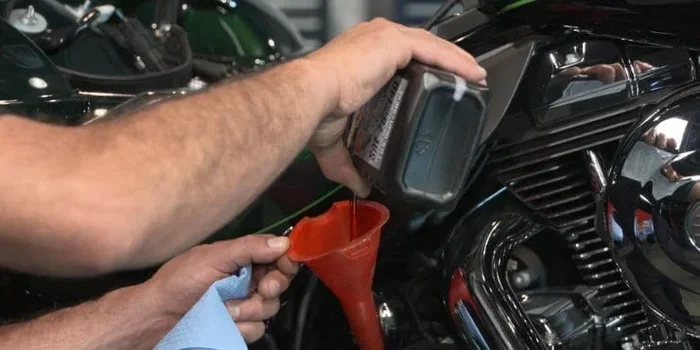
If your oil level is low, add the type of oil recommended in your owner’s manual. Most cars take either 5W-30 or 0W-20 synthetic oil. Pour it slowly and recheck the level. Do not overfill. Too much oil can cause its own set of problems.
After adding oil, restart the engine and check if the light goes off. If it does, you can drive carefully to a nearby service center. If it stays on, you need a tow truck.
Step 5: Call for Help If Needed
If the light does not go off after adding oil, do not keep driving. Call a tow service and have the car taken to a mechanic. Continuing to drive with the light on risks a seized engine, which is a total loss situation.
Also, if you notice any low oil symptoms like engine knocking, ticking noises, or reduced performance before the light came on, those are signs of existing damage. Be upfront with your mechanic about what you experienced.
Can You Keep Driving If the Oil Light Comes On?
This is the question on every driver’s mind. The honest answer is: it depends, but you should not.
Some people say you can drive a short distance if the light flickers. Others say any driving with the oil light on is dangerous. The truth is somewhere in between, but the safest answer is zero miles.
Here is why. Your engine has metal parts spinning at thousands of revolutions per minute. Oil creates a thin film between these parts so they do not grind against each other. Without that film, metal meets metal. Within seconds, you can cause wear that is irreversible.
Can you drive with the oil light on? Technically, maybe a quarter mile if the level is only slightly low. But it is a gamble. You might get lucky. Or you might blow an engine on the highway. Neither outcome is good.
If you find yourself in a situation where you absolutely must move the car, do so slowly and only for a very short distance. Keep the RPMs low. Get off the road as quickly as possible.
What Happens If You Ignore the Oil Light?
Ignoring the oil light is the worst thing you can do. Here is what can happen:
- Increased friction: Engine parts grind without lubrication.
- Overheating: Oil helps regulate engine temperature. Without it, heat builds up fast. Can a car overheat with low oil? Absolutely yes. Low oil can absolutely cause your engine to overheat.
- Warped or stuck pistons: Extreme heat causes pistons to seize in the cylinders.
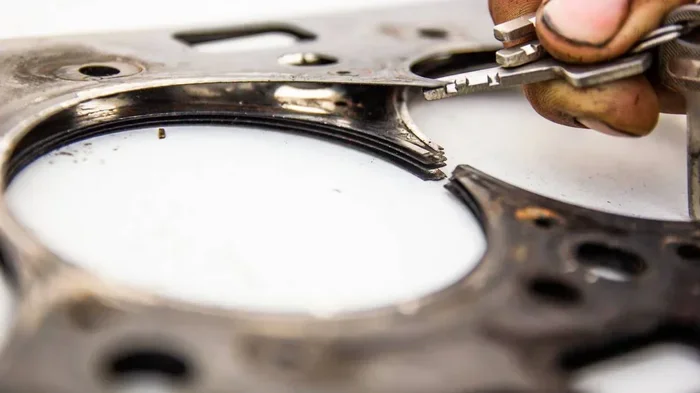
- Blown head gasket: Heat and friction can blow out the gasket sealing the engine block.
- Complete engine failure: The engine locks up entirely and needs replacement.
The cost of a tow truck is a fraction of the cost of a new engine. Always choose the tow.
How to Prevent the Oil Light From Coming On
Prevention is always better than cure. Here are practical steps to keep your oil system healthy and your dashboard light off.
Follow Your Oil Change Schedule
This is the single most important thing you can do. Old, degraded oil loses its ability to maintain proper pressure. Check your owner’s manual for the recommended oil change interval. Most modern cars need an oil change every 5,000 to 7,500 miles. Some can go 10,000 miles with full synthetic oil.
If you have been skipping oil changes, now is the time to stop. Skipping oil changes can absolutely cause overheating and low oil pressure. It is one of the most common reasons drivers end up with a glowing oil light.
Check Your Oil Level Monthly
Get in the habit of checking your oil level once a month. It takes about two minutes. You will catch slow leaks early and avoid the surprise oil light. This is especially important for older vehicles or cars with known oil consumption issues.
Use the Right Oil
Not all oils are the same. Using the wrong viscosity or low-quality oil can cause pressure problems. Always use the grade recommended by your manufacturer. If your car takes synthetic oil, do not substitute conventional oil. The performance difference is significant.
Watch for Warning Signs
Before the oil light comes on, your car often gives you clues. Listen for:
- Ticking or knocking sounds from the engine
- Reduced fuel efficiency
- Sluggish engine performance
- Oil spots on your driveway
- Burning oil smell inside the car
Catching these signs early can prevent the oil light from ever coming on.
Keep Up With Oil Filter Changes
The oil filter traps contaminants and keeps the oil clean. A clogged filter restricts flow and drops pressure. Replace the oil filter every time you change the oil. It is a small cost that pays huge dividends in engine longevity.
Oil Light vs. Check Engine Light: What Is the Difference?
Many drivers use these terms interchangeably, but they are different warnings. Understanding the difference helps you respond appropriately.
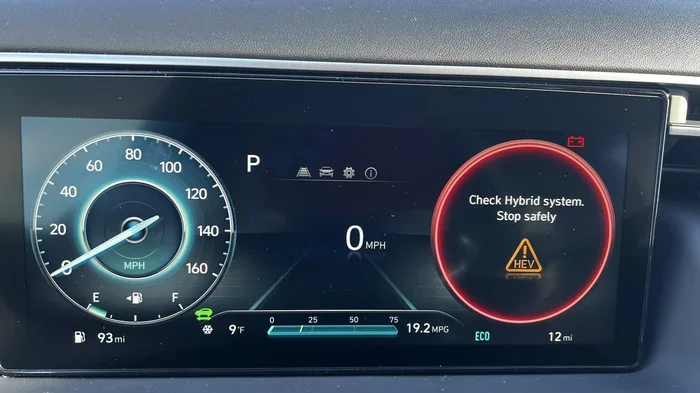
The oil pressure light is usually red and shaped like an oil can. It specifically warns about oil pressure or level. This is urgent and requires immediate action.
The check engine light is usually yellow or orange and shaped like an engine. It can mean dozens of things, from a loose gas cap to a failing catalytic converter. It is less urgent but still needs attention.
If both lights come on at the same time, treat it as an emergency. Pull over immediately and call for help.
Can You Run Diagnostics Without a Check Engine Light?
Yes, you can. Modern diagnostic tools can read oil pressure data and sensor information even when the check engine light is not on. If your oil light is acting up but the check engine light is off, a diagnostic scan can reveal whether the issue is with the sensor, the oil pump, or the oil level itself.
Many auto parts stores offer free diagnostic scanning. It is worth checking if your oil light is acting strange, even if nothing else seems wrong.
When to See a Mechanic
Sometimes the oil light comes on even when you have done everything right. In those cases, a professional mechanic is your best friend.
Here are situations where you should see a mechanic right away:
- The oil light stays on after adding oil
- The light flickers constantly even though your oil level is fine
- You hear unusual noises from the engine
- Your car has been running hot recently
- You have a leak that you cannot locate
- The oil pressure gauge reads zero
A mechanic can test your oil pressure directly, inspect the oil pump, and check for internal engine wear. Catching these issues early can save you from a full engine replacement.
How Much Does It Cost to Fix Oil Light Issues?
The cost varies widely depending on the cause:
| Issue | Estimated Cost |
|---|---|
| Oil change and top-off | $50 – $100 |
| Oil pressure sensor replacement | $100 – $200 |
| Oil pump replacement | $500 – $1,500 |
| Oil filter replacement | $30 – $75 |
| Engine rebuild (worst case) | $3,000 – $7,000 |
| Engine replacement (total loss) | $4,000 – $8,000+ |
See the pattern? A simple oil change costs pennies compared to a new engine. Regular maintenance is the best investment you can make for your car.
Common Mistakes Drivers Make When the Oil Light Comes On
We have all done these things. But knowing the common mistakes helps you avoid them.
- Ignoring the light and driving home: This is the most dangerous mistake. Even five minutes of driving without oil can cause damage.
- Adding the wrong oil: Using the wrong viscosity can make pressure problems worse.
- Overfilling the oil: Too much oil causes foaming and reduces lubrication effectiveness.
- Assuming the sensor is broken: While sensors do fail, you should always treat the light as real until proven otherwise.
- Delaying the oil change: Pushing past the recommended interval is asking for trouble.
Avoid these mistakes and your engine will thank you for years to come.
Expert Insights on Oil Light Warnings
We asked experienced mechanics about the oil light. Here is what they want every driver to know.
“The oil light is not a suggestion. It is a demand,” says one veteran technician. “If it comes on, you stop. Period. No exceptions.”
Another mechanic adds, “I see cars come in every week with the oil light ignored. Half the time the engine is already damaged. The owner just wanted to get home first.”
The takeaway is clear. Respect the oil light. It exists to protect your engine and your wallet.
Also, keep in mind that dashboard warning lights are designed to be early warning systems. Your car is trying to tell you something. Listening early means smaller repairs and lower costs. Ignoring the warnings means bigger problems down the road.
Final Thoughts
So, is it too late if the oil light comes on while driving? No, it is not too late if you respond quickly and correctly. Pull over safely, turn off the engine, check your oil level, and add oil if needed. If the light does not go off, call for a tow and let a professional handle it.
The best way to deal with the oil light is to prevent it from ever coming on. Stick to your oil change schedule, check your oil level regularly, and use the right oil for your engine. These simple habits will keep your car running smoothly and save you from expensive repairs.
Your car’s oil system is the lifeblood of the engine. Treat it with respect, and it will take care of you for hundreds of thousands of miles. Do not wait for the light to come on. Be proactive. Your engine will thank you.
Remember, when it comes to the oil pressure light, there is no such thing as being too cautious. Pull over, check, and act. That one decision can mean the difference between a simple oil top-up and a totaled engine.
Frequently Asked Questions
How long can you drive with the oil light on?
You should not drive at all once the oil light comes on. Even a short distance can cause engine damage. If you must move the car, do so slowly for no more than a quarter mile and get to a safe spot immediately.
What causes the oil light to come on while driving?
The most common causes are low oil level, a failing oil pump, a clogged oil filter, or a bad oil pressure sensor. Low oil is the most frequent culprit and is often caused by leaks or burning oil over time.
Is it safe to add oil when the oil light is on?
Yes, adding oil is safe and often the right first step. However, you should pull over and turn off the engine before checking and adding oil. If the light does not go off after adding oil, do not continue driving.
Can low oil cause the engine to overheat?
Yes, absolutely. Oil helps regulate engine temperature by reducing friction. When oil levels are low, friction increases, heat builds up, and the engine can overheat. Low oil is a common cause of engine overheating.
How often should you check your oil level?
You should check your oil level at least once a month. It takes just a couple of minutes and can catch slow leaks before they become serious problems. Also check the oil level before any long road trips.
Can a dirty oil filter cause the oil light to come on?
Yes, a clogged oil filter restricts oil flow and can cause low oil pressure, which triggers the warning light. Always replace the oil filter when you change the oil to keep the system flowing properly.