Can You Turn a Toyota Sienna Into a Camper Van Life
Yes, you can absolutely turn a Toyota Sienna into a camper van life. With its spacious interior, reliable powertrain, and optional all-wheel drive, the Toyota Sienna is a perfect base for a DIY camper conversion. In this guide, you’ll learn the steps, costs, and creative layouts that make Sienna van life a reality.
Yes, you can turn a Toyota Sienna into a camper van life. The Toyota Sienna minivan offers a unique blend of space, reliability, and versatility that makes it a top choice for aspiring van lifers. Whether you dream of weekend camping trips or full-time off-grid living, a Toyota Sienna camper van life setup can be tailored to your needs. This guide walks you through every step, from initial planning to hitting the road. You’ll discover budget-friendly DIY tips, essential modifications, and real-world insights from experienced Sienna camper owners.
The Toyota Sienna stands out among minivans because of its flat-folding second and third-row seats. When folded, the floor becomes a wide, level platform perfect for a sleeping area or storage. The Sienna also offers available all-wheel drive, which adds confidence when exploring dirt roads or mountain campgrounds. With a towing capacity of up to 3,500 pounds, you can pull a small trailer loaded with kayaks or bikes. If you’re ready to embrace the open road, the Sienna provides a solid foundation for your adventure.
Before you start purchasing materials, take time to plan your conversion. Measure the interior dimensions carefully. Sketch a simple floor plan that includes a sleeping area, kitchen zone, and storage compartments. Think about how you’ll use the van daily. Will you cook meals inside? Do you need a workspace? Answering these questions helps you prioritize features and avoid impulse buys. A well-thought-out plan saves money and ensures your Sienna van life build stays organized.
The cost of a Sienna camper conversion varies widely. A basic DIY build with a mattress, storage bins, and a small cooler can cost under $2,000. A more elaborate setup with a kitchenette, solar panels, and insulation might run $5,000 to $15,000. Pre-built conversion kits from companies like Roadtrek or Cruiser Stables offer turnkey solutions but come at a higher price. Set a realistic budget early on, and remember that you can always upgrade components over time. The beauty of a DIY project is that you control the spending.
Key Takeaways
- The Sienna is an ideal camper van platform: Its flat-folding seats and generous cargo space create a comfortable living area.
- Conversion costs range from $2,000 to $15,000: DIY builds are cheaper, while pre-built kits offer convenience.
- Plan your layout before buying materials: Measure the interior and sketch a floor plan to avoid costly mistakes.
- Insulation and ventilation are non-negotiable: A well-insulated Sienna stays comfortable in both summer and winter.
- Check your lease or warranty before modifying: Can You Modify A Leased Car to ensure your changes don’t void coverage.
- Add a tow hitch for gear: If you plan to tow bikes or a small trailer, Can I Add A Tow Hitch To My Toyota Sienna first.
- The Sienna seats up to 8 passengers: This makes it a great family camper, and you can confirm seating with Can 8 People Fit In A Toyota Sienna.
📑 Table of Contents
- Why the Toyota Sienna Is a Perfect Camper Van
- Planning Your Sienna Camper Conversion
- DIY vs. Pre-Built Conversion Kits
- Essential Modifications for Sienna Camper Life
- Living the Sienna Van Life: Real-World Tips
- Common Mistakes to Avoid in Your Sienna Camper Build
- Key Takeaways from Your Sienna Camper Conversion
Why the Toyota Sienna Is a Perfect Camper Van
The Toyota Sienna has earned a reputation for durability and comfort. Its 3.5-liter V6 engine delivers smooth power, and the eight-speed automatic transmission handles highway cruising effortlessly. Under the hood, the Sienna is designed for long-distance driving, which is exactly what you need for Toyota Sienna camper van life. The minivan’s reliability means fewer unexpected breakdowns on remote roads.
Interior Space and Flexibility
The Sienna offers up to 150 cubic feet of cargo space behind the front seats. With the second and third rows folded flat, you gain a continuous floor area that stretches nearly the entire length of the van. This space is ideal for a queen-size mattress or a twin bed with a dining area. The flat floor eliminates the uneven surfaces found in SUVs, making it easy to build custom furniture. You can also add under-floor storage for tools, clothes, or food supplies.
Seating and Passenger Capacity
One of the Sienna’s greatest advantages is its seating capacity. The standard layout seats eight passengers, giving you room for travel companions or family members. If you’re wondering whether 8 people fit in a Toyota Sienna comfortably for camper use, the answer is yes for short trips. For overnight stays, you’ll likely use the converted living area, leaving the captain’s chairs for daytime driving. The front seats also recline significantly, creating a cozy lounging spot for stargazing.
Towing and Accessory Potential
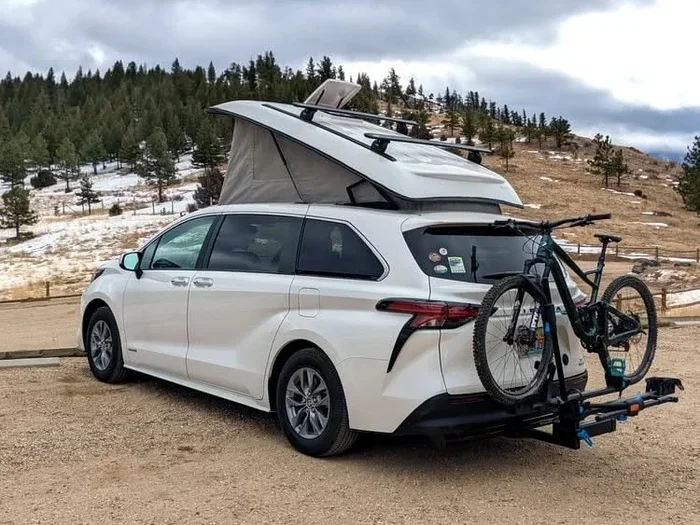
With a maximum towing capacity of 3,500 pounds, the Sienna can pull a small camper trailer or a utility trailer for outdoor gear. Before adding a hitch, check if you can add a tow hitch to your Toyota Sienna at a dealership or through an aftermarket installer. A hitch opens up possibilities for bike racks, cargo baskets, and even a small pop-up camper. This versatility makes the Sienna a mobile base camp for hiking, fishing, or beach trips.
Planning Your Sienna Camper Conversion
Successful conversions start with detailed planning. Rushing into a build often leads to gaps in storage, poor insulation, or electrical issues. Take a weekend to map out your ideal setup. Consider the following steps to create a solid blueprint for your Toyota Sienna camper van life project.
Step 1: Define Your Needs
Ask yourself what you want from your Sienna camper. Are you a solo traveler or a couple? Do you need a workspace for remote jobs? Will you boondock without hookups? Write down your must-have features. A solo traveler might prioritize a compact kitchen and extra storage, while a family may need a bunk layout for kids. Your needs dictate the floor plan and budget.
Step 2: Measure and Sketch
Grab a tape measure and record the dimensions of the cargo area. Note the height from the floor to the ceiling, especially around the wheel wells. Draw a to-scale diagram on graph paper. Mark locations for the bed, kitchenette, and storage bins. Include clearance for sliding doors and moving around inside. This sketch becomes your shopping list and assembly guide.
Step 3: Set a Budget
Break your budget into categories: furniture, insulation, electrical, and finishing touches. For a basic build, expect to spend $500 to $1,500 on materials like plywood, foam board, and a mattress. A mid-range setup with a small sink, propane stove, and battery system might cost $2,000 to $5,000. High-end conversions with residential refrigerators and solar arrays can exceed $15,000. Track every expense to stay on course.
Quick Tip: Start Simple
Begin with a mattress and storage bins. You can always add a kitchen or electrical system later. This phased approach keeps initial costs low and lets you learn what works best for your lifestyle.
DIY vs. Pre-Built Conversion Kits
Choosing between a DIY build and a pre-built kit is a major decision. Each approach has distinct advantages and trade-offs. Understanding these helps you pick the path that fits your skills, time, and budget.
DIY Conversion: Full Control, Lower Cost
Building your own Sienna camper gives you complete control over materials, layout, and design. You can repurpose items like old office furniture or thrift store finds. DIY projects are deeply satisfying and often result in a one-of-a-kind rig. The main downsides are time and effort. A full conversion can take 40 to 100 hours of work over several weekends. You’ll need basic woodworking and electrical skills, but many tutorials make the process accessible.
Pre-Built Conversion Kits: Convenience and Speed
Pre-built kits from companies like Roadtrek, Cruiser Stables, or custom van builders offer a turnkey solution. These kits include walls, cabinets, and often a bed platform designed specifically for the Sienna. Installation typically takes one to three days with professional help. The cost is higher, ranging from $8,000 to $25,000, but you save weeks of labor. Kits also come with warranties and tested designs, which can be reassuring for first-time builders.
Comparison Table
| Feature | DIY Conversion | Pre-Built Kit |
|---|---|---|
| Cost Range | $500 – $5,000 | $8,000 – $25,000 |
| Build Time | 40 – 100 hours | 1 – 3 days (installation) |
| Customization | Unlimited | Limited to kit options |
| Skill Level Required | Basic woodworking | None (professional install) |
| Warranty | None | Typically included |
Common Mistakes to Avoid
One of the biggest mistakes is underestimating the need for insulation. Without proper insulation, a Sienna can become an oven in summer or a freezer in winter. Another error is choosing a mattress that’s too large for the available space, leaving no room for movement. Avoid overloading the van with heavy furniture; the Sienna’s suspension has limits. Finally, don’t skip the electrical planning. A weak battery system will leave you without power for lights and devices, ruining the Sienna van life experience.
Essential Modifications for Sienna Camper Life
Transforming a Sienna into a livable camper requires several key modifications. These upgrades improve comfort, safety, and self-sufficiency. Focus on the following areas to create a functional home on wheels.
Sleeping Area and Layout
The bed is the centerpiece of any camper. A popular Sienna layout uses a platform built over the rear cargo area, creating a raised sleeping space underneath. The platform can be constructed from ¾-inch plywood and 2×4 lumber, covered with a memory foam mattress. For a twin or full-size bed, measure the available length and width, subtracting clearance for sliding doors. Add side tables or shelves above the platform for books and phones. If you prefer a lower profile, a fold-down bed from the wall saves space during the day.
Kitchen and Storage
A compact kitchen adds immense convenience. Install a small sink with a foot-pump water system, a two-burner propane stove, and a cutting board that doubles as a counter. Store pots, pans, and utensils in overhead cabinets or under-bed drawers. A portable cooler or a small dorm-size refrigerator keeps food fresh. For dry storage, use stackable bins that fit neatly under the bed or along the sides. Label each bin clearly to find items quickly.
Electrical and Off-Grid Power
Going off-grid requires a reliable electrical system. Start with a deep-cycle AGM or lithium battery, sized at 100 amp-hours for basic needs. Add a 400-watt solar panel on the roof to recharge the battery during the day. Use LED lights throughout the van to conserve power. A pure sine wave inverter converts DC battery power to AC for charging laptops or running a microwave. If you’re new to electrical work, consult a professional to ensure safe wiring and proper fuse protection.
Insulation and Climate Control
Insulating the Sienna’s interior walls and ceiling is critical for temperature control. Closed-cell foam board insulation works well and resists moisture. Install a roof vent with a fan to circulate air and prevent condensation. In cold climates, add a diesel heater or a propane space heater with proper ventilation. In summer, a portable air conditioner or a reflective windshield sunshade keeps the interior cool. A well-insulated van makes Toyota Sienna camper van life enjoyable year-round.
Water and Waste Management
Carry fresh water in a 10- to 20-gallon tank, secured upright under the bed or in a cabinet. A 12-volt water pump delivers pressure to the sink. For waste, a portable cassette toilet is a clean, compact solution. Empty the tank at designated dump stations or in the woods following Leave No Trace principles. Keep a small handwashing station with biodegradable soap near the entrance.
Living the Sienna Van Life: Real-World Tips
Once your Sienna is converted, it’s time to hit the road. Van life brings unexpected joys and challenges. Seasoned Sienna campers share these tips to help you thrive.
Finding Camp Spots
The Sienna’s compact size lets you access tight campgrounds and forest service roads that larger RVs can’t reach. Use apps like iOverlander or Campendium to find free boondocking spots. National Forests often allow dispersed camping for up to 14 days at no cost. Always check local regulations before setting up. The Sienna’s quiet engine also means you can camp in more residential areas without drawing complaints.
Maximizing Storage on the Road
Even with a well-designed layout, space is limited. Use vacuum-seal bags for clothing to reduce bulk. Store frequently used items in the overhead cabinets and heavy gear low near the floor. A roof rack or cargo box adds extra capacity for bikes, skis, or luggage. The Sienna’s third row can be folded to create a long tunnel for skis or fishing rods. Keep a checklist of essentials to avoid forgetting items at home.
Maintaining Your Sienna
Regular maintenance keeps your Sienna reliable on long trips. Check tire pressure before every journey, including the spare. Change the oil every 5,000 to 7,500 miles with synthetic blend. Inspect the brake pads and coolant levels monthly. Because you’ll be living in the van, clean the interior regularly to prevent mold and odors. Wipe down surfaces with a mild cleaner and use a dehumidifier or moisture absorber. A well-maintained Sienna will serve you for hundreds of thousands of miles.
Expert Insight: The Sienna’s Resale Value
Converting a Sienna to a camper doesn’t hurt its resale value if the work is clean and documented. Many buyers seek out Sienna camper conversions because the minivan’s reputation for longevity is well-known. Keep all original parts in a bag labeled “stock components.” When it’s time to sell, you can reinstall the factory seats and restore the van to its original configuration. This flexibility makes the Sienna a smart investment for van life enthusiasts.
Common Mistakes to Avoid in Your Sienna Camper Build
Even the best plans can go wrong without attention to detail. Steering clear of these common pitfalls ensures a smoother conversion process and a more enjoyable experience on the road.
- Skipping insulation: Temperature swings make the van uncomfortable and can cause condensation damage.
- Overloading the suspension: The Sienna has a limited payload capacity. Weigh your gear and passengers to stay within limits.
- Ignoring ventilation: Poor airflow leads to mold, which is harmful and difficult to remove.
- Using indoor-rated materials: Only use fire-retardant fabrics and adhesives designed for mobile environments.
- Forgetting to check lease terms: If your Sienna is leased, modifying it may violate your contract. Verify your options before starting any build.
Key Takeaways from Your Sienna Camper Conversion
- The Toyota Sienna is a versatile camper van platform: Its flat-folding seats, AWD availability, and towing capacity make it ideal for camper conversions.
- Plan your layout and budget carefully: A detailed sketch and realistic cost breakdown prevent overspending and design flaws.
- DIY or pre-built kit? Choose based on your skills, time, and desired level of customization.
- Prioritize insulation, ventilation, and electrical: These three systems determine comfort and livability in any season.
- Start simple and upgrade over time: A basic mattress and storage setup can evolve into a full-featured camper as your needs change.
- Maintain your van like a home: Regular cleaning and mechanical upkeep ensure your Toyota Sienna camper van life journey lasts for years.
Turning a Toyota Sienna into a camper van life is an achievable and rewarding project. With careful planning, the right materials, and a spirit of adventure, your Sienna can become a cozy mobile home. Whether you’re exploring national forests or parked by a lakeside at sunset, the Sienna provides the comfort and reliability you need. Start small, learn as you go, and enjoy the freedom of life on the road.
Frequently Asked Questions
Can I convert a leased Toyota Sienna into a camper?
Yes, but you must review your lease agreement first. Some leases restrict modifications that alter the vehicle’s interior or exterior. Check with your leasing company to avoid penalties. If modifications are allowed, consider reversible changes like removable furniture and non-permanent insulation.
How much does it cost to build a Sienna camper?
A basic DIY conversion costs between $500 and $2,000, using a mattress, storage bins, and simple furnishings. A mid-range build with a kitchen, battery system, and insulation runs $2,000 to $5,000. High-end setups with residential appliances and solar power can exceed $15,000. Your budget and skill level determine the final cost.
Can a Toyota Sienna tow a camper trailer?
Yes, the Sienna has a towing capacity of up to 3,500 pounds when equipped with the appropriate towing package. This allows you to pull a small pop-up camper or a utility trailer loaded with outdoor gear. Always verify your specific model’s towing limits and install a weight-distributing hitch for safe towing.
Is the Toyota Sienna reliable for full-time van life?
The Sienna is known for its reliability and low maintenance costs. Its 3.5-liter V6 engine and automatic transmission are proven in fleet and family use. Regular oil changes and tire rotations keep the van running smoothly. Many full-time van lifers choose the Sienna because it offers a balance of comfort, space, and dependability.
What is the best sleeping layout for a Sienna camper?
The most popular layout is a raised platform bed over the rear cargo area, creating storage underneath. A queen-size mattress fits well when placed sideways across the width. Alternatively, a fold-down wall bed saves space during the day. Measure your interior carefully to ensure the mattress fits without blocking sliding doors or walkways.
Do I need special permits to live in a Sienna camper?
Living in a converted van is legal in most areas, but local regulations vary. Some states require a dwelling unit permit if you live in the vehicle full-time. Overnight camping in national forests is generally allowed for up to 14 days. Always research the rules for your specific location and follow Leave No Trace principles.