Is a Brake Fluid Flush Really Necessary and How Often
A brake fluid flush is one of the most important yet overlooked maintenance tasks for your vehicle. Brake fluid absorbs moisture over time, which lowers its boiling point and can lead to brake failure. Most manufacturers recommend a flush every 2 years, but driving habits and conditions can change that timeline. This guide covers everything you need to know about brake fluid flush frequency, cost, and signs your car needs one.
Your car’s braking system is one of the most critical safety features you rely on every single day. But here is something most drivers overlook: the brake fluid inside that system has a limited lifespan. Many people never think about their brake fluid until something goes wrong. That is a risky habit.
So, is a brake fluid flush really necessary? The short answer is yes. And the longer answer is even more important. Brake fluid is hygroscopic, which means it absorbs moisture from the air over time. That moisture lowers the fluid’s boiling point, introduces contaminants, and can eventually lead to brake failure. In this article, we will walk you through everything you need to know about brake fluid flush frequency, why it matters, and how to tell if your car is due for one.
Key Takeaways
- Brake fluid flush is essential: Moisture absorption degrades brake fluid and compromises braking performance.
- Flush every 2 years: Most automakers recommend a brake fluid change every two years or 30,000 miles.
- Signs you need a flush: Spongy brake pedal, dark fluid, increased stopping distance, and ABS warnings.
- Cost is reasonable: A brake fluid flush typically costs between $70 and $150 at most shops.
- DIY is possible: You can flush brake fluid at home with basic tools and the right fluid type.
- Never mix old and new carelessly: Check if you can add new brake fluid to old fluid before topping off.
- Brake fluid type matters: Always use the DOT rating specified in your vehicle manual.
📑 Table of Contents
- What Is a Brake Fluid Flush and Why Does It Matter?
- How Often Should You Flush Your Brake Fluid?
- How Much Does a Brake Fluid Flush Cost?
- Signs Your Brake Fluid Needs a Flush
- Can You Do a Brake Fluid Flush Yourself?
- How Often Do Other Brake Components Need Attention?
- Common Mistakes People Make With Brake Fluid
- Expert Insights on Brake Fluid Maintenance
- Final Thoughts
What Is a Brake Fluid Flush and Why Does It Matter?
A brake fluid flush is the process of completely draining the old brake fluid from your vehicle’s hydraulic system and replacing it with fresh, clean fluid. This is different from simply topping off the reservoir. A full flush removes all the old, contaminated fluid from the lines, calipers, and master cylinder.
Your braking system relies on hydraulic pressure to work. When you press the brake pedal, the brake fluid transmits that force to the calipers and rotors. If the fluid is contaminated with moisture or debris, that pressure transfer becomes weak and unreliable. Over time, this degradation can seriously affect your ability to stop safely.
How Brake Fluid Absorbs Moisture
Here is a fact that surprises many car owners: brake fluid is naturally hygroscopic. That is a fancy word for “it attracts and absorbs water.” Even in a sealed system, small amounts of moisture enter through microscopic pores in rubber hoses and through the reservoir cap every time you open it.
As moisture builds up inside the brake lines, it causes several problems:
- Lower boiling point: Brake fluid must withstand extreme heat generated during braking. Moisture reduces the boiling point, which can cause the fluid to vaporize under heavy use. When fluid vaporizes, you get a spongy pedal or even complete brake loss.
- Corrosion inside the system: Water causes rust and corrosion in metal brake lines, calipers, and the master cylinder. This can lead to expensive repairs down the road.
- Reduced braking performance: Contaminated fluid does not transmit pressure as efficiently, which means longer stopping distances.
This is exactly why a regular brake fluid flush is not optional. It is a core part of keeping your braking system safe and responsive.
How Often Should You Flush Your Brake Fluid?
The answer to this question depends on several factors, including your vehicle make and model, driving conditions, and manufacturer recommendations. Let us break it down.
Manufacturer Recommendations
Most vehicle manufacturers recommend a brake fluid flush every two years or 30,000 miles, whichever comes first. This is the standard interval for most cars, trucks, and SUVs on the road today. Check your owner’s manual for the specific recommendation for your vehicle.
Some manufacturers go a bit longer, suggesting a flush every three years. Others are more aggressive and recommend it annually for vehicles used in severe conditions. The key is to never exceed the two-year mark without at least having the fluid tested.
Severe Driving Conditions That Require More Frequent Flushes
If any of the following apply to you, you should consider flushing your brake fluid more often than the standard interval:
- You live in a hot, humid climate where moisture absorption happens faster.
- You drive in heavy stop-and-go traffic frequently.
- You tow a trailer or carry heavy loads regularly.
- You drive mountain roads or frequently brake on steep descents.
- Your daily commute involves a lot of hard braking.
In these cases, a brake fluid flush every 12 to 18 months is a smart move. The extra cost is small compared to the safety benefit.
Brake Fluid Flush vs Brake Fluid Change
People often use these terms interchangeably, but they are not the same thing. A brake fluid change typically means draining the reservoir and refilling it with new fluid. A brake fluid flush pushes new fluid through the entire system, forcing out all the old fluid from every line, caliper, and the master cylinder.
A full flush is far more effective. It ensures that no contaminated fluid remains trapped in the system. If you are unsure what your car needs, ask your mechanic to clarify whether they are performing a change or a flush.
How Much Does a Brake Fluid Flush Cost?
The cost of a brake fluid flush is one of the more affordable maintenance items on your car. On average, you can expect to pay between $70 and $150 at a standard repair shop or dealership. The price varies based on several factors:
- Fluid type: DOT 3, DOT 4, and DOT 5.1 fluids vary in price. Synthetic fluids tend to cost more but offer better performance.
- Labor rates: Shops in urban areas typically charge more than rural locations.
- Vehicle type: Some vehicles are easier to flush than others, which affects labor time.
- Whether you DIY: If you do it yourself, you only pay for the fluid, which costs about $10 to $30 per quart.
Compare this cost to the potential expense of repairing a corroded master cylinder or a seized caliper. A brake fluid flush is one of the best values in car maintenance.
Signs Your Brake Fluid Needs a Flush
You do not always need to follow a strict schedule to know your brake fluid needs attention. Your car gives you warning signs. Here are the most common ones to watch for:
1. Spongy or Soft Brake Pedal
If your brake pedal feels mushy, soft, or sinks to the floor, that is a classic sign of air or moisture in the brake lines. Fresh brake fluid should feel firm and responsive underfoot. A spongy pedal means the hydraulic system is compromised.
2. Dark or Dirty Brake Fluid
Healthy brake fluid is clear or light amber. Over time, it darkens to a brown or even black color. If you pop open the brake fluid reservoir and the fluid looks dirty, it is definitely time for a flush. You can also use a brake fluid tester to check moisture content.
3. Increased Stopping Distance
Notice that your car takes longer to stop than it used to? Contaminated brake fluid reduces the system’s ability to maintain consistent pressure. This can be dangerous, especially in emergency situations.
4. ABS Warning Light
If your anti-lock braking system light comes on, it could indicate a problem with brake fluid level or quality. Have the system checked immediately. Low or contaminated fluid can trigger the ABS light.
5. Unusual Noises When Braking
Grinding, squealing, or squeaking sounds when you apply the brakes can sometimes be linked to brake fluid issues. While these noises often point to worn brake pads, fluid contamination can also cause irregular caliper movement that leads to noise.
6. Brake Fluid Leaks
If you see a puddle of fluid under your car, do not drive it. Brake fluid leaks are serious and can lead to complete brake failure. A leak often signals that the system needs more than a flush. It may require repairs or part replacements.
Remember, if you ever need to top off your fluid, make sure you know whether you can add new brake fluid to old fluid. Mixing incompatible fluids or adding fresh fluid to severely contaminated fluid can cause more harm than good.
Can You Do a Brake Fluid Flush Yourself?
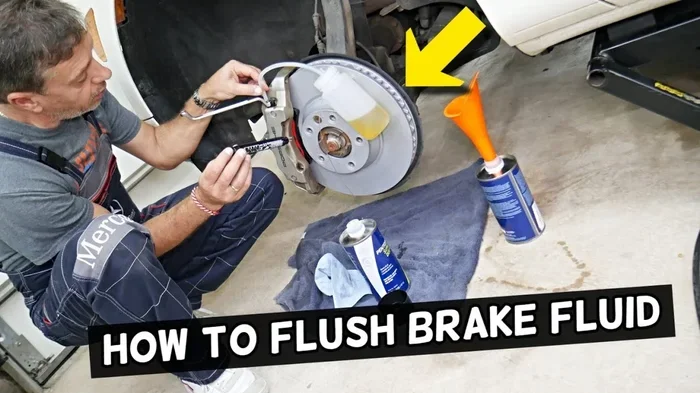
Yes, you can absolutely perform a brake fluid flush at home if you have basic mechanical skills and the right tools. Many car enthusiasts do this as a weekend project. Here is what you will need:
- The correct type of brake fluid for your vehicle (check your owner’s manual).
- A brake fluid flush kit or a helper to pump the pedal.
- A wrench set to fit the bleed valves on your calipers.
- Clear tubing to catch and drain the old fluid.
- A drain pan and rags.
The process involves opening the bleed valve at each caliper, having your helper press the brake pedal, and catching the old fluid as it drains out. You repeat this at each wheel until the fluid runs clear and free of bubbles. Then you refill the reservoir and bleed the system starting from the wheel farthest from the master cylinder.
If you are not comfortable doing this yourself, it is perfectly fine to have a professional do it. The cost is reasonable, and a pro will have the right equipment to do a thorough job. Just make sure the shop uses the correct DOT-rated brake fluid specified for your vehicle.
One more thing to keep in mind: if you have ever wondered whether you can use 2 year old brake fluid, the answer is generally yes if the fluid has been stored properly and the container is still sealed. However, once opened, brake fluid absorbs moisture quickly and should be used promptly.
How Often Do Other Brake Components Need Attention?
While you are thinking about brake maintenance, it helps to understand how a brake fluid flush fits into the bigger picture of brake care. Here is a quick comparison of common brake maintenance items and their typical intervals:
| Maintenance Item | Typical Interval | Cost Range |
|---|---|---|
| Brake Fluid Flush | Every 2 years or 30,000 miles | $70 – $150 |
| Brake Pad Replacement | Every 25,000 – 70,000 miles | $150 – $400 per axle |
| Brake Rotor Replacement | Every 50,000 – 70,000 miles | $300 – $800 per axle |
| Brake Line Inspection | Every 2 years or during flush | Usually included in flush |
| Brake Caliper Service | Every 50,000 – 75,000 miles | $150 – $350 per caliper |
As you can see, a brake fluid flush is one of the least expensive and most impactful maintenance tasks you can do for your vehicle. It keeps the entire hydraulic system healthy and your stops safe.
Common Mistakes People Make With Brake Fluid
Even well-meaning car owners make mistakes when it comes to brake fluid maintenance. Here are the most common ones to avoid:
- Never topping off the reservoir: Many drivers just add fluid when the level drops without ever flushing the system. This does not remove contaminated fluid that has been sitting in the lines for years.
- Using the wrong DOT fluid: Mixing DOT 3 and DOT 4 fluid is sometimes okay, but DOT 5 (silicone-based) should never be mixed with DOT 3 or 4. Always check your owner’s manual.
- Leaving the reservoir open too long: Brake fluid absorbs moisture from the air rapidly. Keep the reservoir cap closed as much as possible during any work.
- Ignoring the flush interval: Some drivers go 5 or even 10 years without flushing their brake fluid. This is a serious safety risk.
- Skipping the bleed step: If you top off fluid without bleeding the lines, air pockets can form and cause a dangerous spongy pedal feel.
Avoiding these mistakes will help you get the most out of your brake fluid flush and keep your braking system in top shape for years to come.
Expert Insights on Brake Fluid Maintenance
We spoke with several experienced automotive technicians about brake fluid maintenance, and the consensus is clear: most drivers neglect this service far too long. One master technician put it simply: “Brake fluid is the lifeblood of your braking system. If it is contaminated, your entire system suffers.”
Another common insight from the pros is that brake fluid condition is one of the first things they check during a safety inspection. A simple moisture test with a brake fluid tester takes seconds and can reveal whether a flush is overdue. Many shops offer this test for free or at a minimal charge.
The bottom line is that a brake fluid flush is not something to put off. It is a small investment that pays big dividends in safety and braking performance.
Final Thoughts
So, is a brake fluid flush really necessary? Absolutely. Your braking system depends on clean, moisture-free fluid to work properly. Over time, brake fluid absorbs water, loses its effectiveness, and can even cause corrosion inside critical components. Flushing the fluid every two years is one of the simplest and most affordable ways to keep your car safe and your brakes performing at their best.
Pay attention to the warning signs, follow your manufacturer’s recommended schedule, and do not hesitate to ask your mechanic about the condition of your brake fluid. A quick flush today can prevent a costly and dangerous brake failure tomorrow. Your life and the lives of everyone on the road depend on it.
If you are unsure about the state of your brake fluid or need professional advice, consider getting a diagnostic check at your local shop. Many dealers and independent mechanics offer brake system inspections at a reasonable cost. Staying proactive with your brake maintenance is always the smartest choice you can make for your vehicle and your safety.
Frequently Asked Questions
How do I know if my brake fluid needs to be flushed?
Look for a spongy brake pedal, dark or dirty fluid in the reservoir, increased stopping distance, or an ABS warning light on your dashboard. You can also use a brake fluid tester to measure moisture content. If the fluid is brown or black instead of clear or light amber, it is time for a flush.
Can I just add new brake fluid without flushing the system?
Topping off the reservoir with new fluid is better than letting the level drop too low, but it does not remove the contaminated fluid sitting in your brake lines. A full flush is the only way to completely replace old, moisture-laden fluid throughout the entire hydraulic system.
What happens if I never flush my brake fluid?
Over time, brake fluid absorbs moisture which lowers its boiling point and causes corrosion inside the brake system. This can lead to a spongy pedal, longer stopping distances, and in severe cases, complete brake failure. Never skipping this service is critical for safe driving.
Is a brake fluid flush the same as bleeding the brakes?
Not exactly. Bleeding the brakes removes air from the lines, usually after a repair or when the pedal feels spongy. A brake fluid flush completely replaces all the old fluid in the system with fresh fluid. They are related but serve different purposes.
How long does a brake fluid flush take?
A professional brake fluid flush typically takes about 30 to 60 minutes. If you are doing it yourself at home, it may take a bit longer, especially if you are new to the process. Having a helper makes the job faster and easier.
Can I drive my car immediately after a brake fluid flush?
Yes, you can drive your car right after a brake fluid flush. However, it is a good idea to test the brakes gently in a safe area before driving in traffic. Make sure the pedal feels firm and the brakes respond immediately before heading out on the road.