Can You Add New Brake Fluid to Old Brake Fluid Safely
Adding new brake fluid to old brake fluid is generally not recommended because it can dilute the protective additives and lower the boiling point of your brake system. Mixing old and new fluid may introduce moisture contamination, which weakens braking power and can lead to dangerous brake failure. The safest approach is to fully flush and replace your brake fluid according to your vehicle’s maintenance schedule. This guide covers everything you need to know about brake fluid compatibility, risks, and proper maintenance.
Your car’s brake system is one of the most important safety features you will ever rely on. Every time you press the pedal, hydraulic pressure travels through brake lines to calipers and pads, bringing your vehicle to a stop. And at the heart of that system is brake fluid. It is the lifeblood that makes everything work. So when your fluid level drops, a natural question comes up: can you simply pour in fresh fluid and carry on?
The short answer is yes, but with important caveats. While topping off your reservoir with new fluid might seem harmless, the reality is more nuanced. Old brake fluid degrades over time. It absorbs moisture. Its chemical composition changes. Simply mixing new and old fluid can compromise your entire braking system. In this article, we will walk you through exactly what happens when you combine old and new brake fluid, when it is safe to top off, and how to keep your hydraulic brake system in top shape.
Key Takeaways
- Do Not Mix Freely: Adding new brake fluid to old fluid can reduce performance and compromise safety due to additive breakdown and moisture absorption.
- Check Fluid Type First: Always match the DOT specification (DOT 3, DOT 4, or DOT 5) before adding any fluid to your system.
- Flushing Is Better: A full brake fluid flush removes contaminants and ensures consistent braking performance across all four wheels.
- Watch for Warning Signs: Dark or cloudy fluid, a spongy brake pedal, or reduced stopping power all signal that your brake fluid needs attention.
- Follow the Schedule: Most manufacturers recommend replacing brake fluid every 2 years or 30,000 miles, whichever comes first.
- Moisture Is the Enemy: Brake fluid is hygroscopic, meaning it absorbs moisture over time, which lowers the boiling point and increases corrosion risk.
- Safety Comes First: When in doubt, consult a certified mechanic to inspect and service your hydraulic brake system.
📑 Table of Contents
- Understanding Brake Fluid and Why It Matters
- Can You Add New Brake Fluid to Old Brake Fluid Safely?
- Risks of Mixing New and Old Brake Fluid
- When It Is Safe to Top Off Your Brake Fluid
- How to Properly Change Brake Fluid
- Expert Insights for Long-Term Brake Fluid Maintenance
- Comparison: Topping Off vs. Full Brake Fluid Flush
- Conclusion
Understanding Brake Fluid and Why It Matters
Before we dive into the mixing question, it helps to understand what brake fluid actually does. Brake fluid is a specialized hydraulic fluid that transfers force from your brake pedal to the braking components at each wheel. Unlike engine oil or coolant, brake fluid operates under extreme pressure and high temperatures. It must remain stable and reliable in conditions that would break down most other fluids.
Types of Brake Fluid: DOT 3, DOT 4, and DOT 5
Not all brake fluid is the same. The Department of Transportation (DOT) classifies brake fluids into different categories based on their chemical composition and performance standards.
- DOT 3: The most common type. It is glycol-based and has a dry boiling point of around 401 degrees Fahrenheit. Most older vehicles use DOT 3.
- DOT 4: Also glycol-based but with a higher boiling point, typically around 446 degrees Fahrenheit. It is common in modern cars and performance vehicles.
- DOT 5: Silicone-based and incompatible with glycol fluids. It is used in some military and specialty applications but is rare in everyday passenger cars.
- DOT 5.1: A high-performance glycol fluid with boiling points similar to DOT 5 but compatible with DOT 3 and DOT 4 systems.
Each type has specific brake fluid properties that make it suitable for different vehicles and driving conditions. Using the wrong type or mixing incompatible fluids can cause serious problems. Always check your owner’s manual before adding or changing fluid.
Why Brake Fluid Degrades Over Time
Brake fluid is hygroscopic, which means it naturally absorbs moisture from the air. Over months and years, this moisture absorption increases. Even a sealed system will slowly pull in humidity through microscopic gaps in seals and fittings. As moisture content rises, several problems develop:
- The boiling point drops, which can cause vapor lock under heavy braking.
- Internal corrosion accelerates inside brake lines, calipers, and the master cylinder.
- The fluid’s lubricating properties diminish, increasing wear on seals and moving parts.
- Additives that protect the system break down, reducing overall effectiveness.
This is why brake fluid replacement is a critical part of routine brake system maintenance. Most manufacturers recommend changing fluid every two years, regardless of mileage.
Can You Add New Brake Fluid to Old Brake Fluid Safely?
Now for the core question. The answer depends on several factors, including the condition of the old fluid, the type of fluid you are adding, and how long the old fluid has been in the system.
In a perfect world, you would never mix new and old brake fluid. A full brake fluid flush removes all contaminated fluid and replaces it with fresh, clean fluid. This is always the best approach. However, life is not always perfect, and sometimes you need to top off your reservoir between scheduled changes.
When Topping Off Is Acceptable
There are a few situations where adding a small amount of new fluid to old fluid is considered low-risk:
- The old fluid is still relatively clean and has not been in the system for more than a year or two.
- You are using the exact same DOT specification as the existing fluid.
- The fluid level dropped only slightly, and no contamination is visible.
- You plan to schedule a full fluid flush soon.
Even in these cases, keep in mind that every drop of old fluid you leave in the system is degraded fluid. Topping off dilutes the remaining fluid but does not restore its original properties. Think of it like adding fresh water to a cup of coffee. It changes the taste, even if it does not ruin the whole cup.
When You Should Never Mix
There are clear situations where mixing new and old brake fluid is a bad idea:
- The old fluid is dark brown or black, indicating heavy contamination.
- You are mixing different DOT types, such as DOT 3 with DOT 5 silicone fluid.
- The system has been open for a long time, allowing significant moisture absorption.
- You notice a spongy or soft brake pedal, which suggests air or moisture in the lines.
In these cases, a complete brake fluid flush and bleed is the only safe option. Topping off would make things worse, not better.
Risks of Mixing New and Old Brake Fluid
Understanding the risks helps you make informed decisions about your vehicle’s maintenance. Let us look at the specific dangers of mixing old and new brake fluid.
Lowered Boiling Point
Brake fluid must withstand extreme heat, especially during hard braking or long descents. Old fluid that has absorbed moisture has a significantly lower boiling point. When fluid boils, it creates vapor bubbles in the hydraulic system. Since air is compressible but brake fluid is not, these bubbles cause a spongy pedal or even complete brake failure. This condition is called vapor lock, and it is extremely dangerous.
By mixing new fluid with old, you are essentially diluting the fresh fluid’s boiling point. You lose some of the performance advantage that the new fluid offers.
Chemical Incompatibility
Different DOT specifications use different chemical bases. DOT 3 and DOT 4 are both glycol-based and are generally compatible with each other. However, DOT 5 silicone fluid is a completely different compound. Mixing DOT 5 with glycol-based fluids can cause:
- Seal swelling or deterioration.
- Corrosion inside brake components.
- Complete brake system failure.
Always verify the brake fluid compatibility before adding anything to your reservoir.
Additive Depletion
Modern brake fluids contain carefully balanced additives that prevent corrosion, lubricate seals, and maintain viscosity. Over time, these additives deplete. When you add fresh fluid to old fluid, the new additives get diluted by the old, depleted fluid. The result is a system that does not get the full benefit of the fresh fluid.
Contamination Spread
Old brake fluid may contain debris, rust particles, and water. When you add new fluid, it mixes with these contaminants and spreads them throughout the system. This can clog narrow passages in brake calipers and damage the brake master cylinder over time.
When It Is Safe to Top Off Your Brake Fluid
If you find yourself low on brake fluid and need to add more, follow these guidelines to do it as safely as possible.
Step-by-Step Topping Off Guide
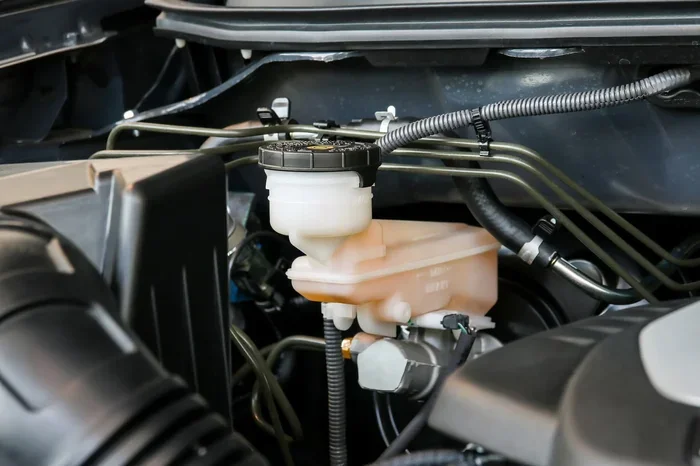
- Check the reservoir cap: Look for the DOT specification printed on the cap or in your owner’s manual. Common ratings are DOT 3 and DOT 4.
- Inspect the existing fluid: Open the reservoir and look at the fluid color. Fresh fluid is typically clear or light amber. Dark brown or black fluid needs a full flush.
- Use the correct fluid: Only add fluid that matches the DOT rating already in the system.
- Clean the reservoir area: Wipe the reservoir cap and surrounding area clean before opening to prevent dirt from entering.
- Add fluid slowly: Fill to the MAX line but do not overfill. Leave a small gap for expansion.
- Close the cap tightly: This prevents moisture from entering the system.
- Schedule a full flush: Topping off is a temporary fix, not a permanent solution.
Quick Tips for Safe Topping Off
- Never use fluid from an opened or expired container. Seal integrity matters.
- Keep brake fluid away from paint. It is highly corrosive to car finish.
- If you spill fluid, clean it immediately with water.
- Wear gloves. Brake fluid can irritate skin and damage paint on your hands.
- Store brake fluid in a sealed container in a cool, dry place.
Common Mistakes When Topping Off
Even well-meaning car owners make mistakes with brake fluid. Here are the most common ones to avoid:
- Using the wrong DOT type: This is the single most dangerous mistake. Always double-check compatibility.
- Overfilling the reservoir: Fluid expands with heat. Overfilling can cause leaks and pressure issues.
- Ignoring dark fluid: Color is a strong indicator of fluid health. Do not add new fluid to visibly contaminated old fluid.
- Leaving the reservoir open: Exposure to air accelerates moisture absorption.
- Topping off instead of flushing: Adding fluid without flushing does not solve the underlying problem.
How to Properly Change Brake Fluid
A full brake fluid change, also called a brake fluid flush, is the gold standard for maintaining your hydraulic brake system. Here is what the process looks like.
What You Will Need
- The correct type of brake fluid for your vehicle (check the owner’s manual).
- A brake fluid bleeder kit or a helper for the two-person method.
- A wrench set compatible with your brake bleeder valves.
- Clear tubing to route old fluid into a collection container.
- Clean rags or paper towels.
- A brake fluid tester to check moisture content (optional but recommended).
The Flush Process
A typical brake fluid flush follows these steps:
- Start with the wheel farthest from the master cylinder (usually the right rear).
- Have your helper press the brake pedal slowly and hold it.
- Open the bleeder valve to release old fluid and air bubbles.
- Close the valve before the helper releases the pedal.
- Repeat until the fluid runs clear with no bubbles.
- Move to the next wheel in sequence: left rear, right front, left front.
- Check the reservoir frequently and top it off with fresh fluid to prevent air from entering.
- Test the brake pedal feel after the flush. It should feel firm and responsive.
If this process sounds involved, that is because it is. Many people prefer to have a certified mechanic perform a brake fluid replacement. The cost is usually reasonable, and the peace of mind is well worth it.
How Often Should You Change Brake Fluid?
Most vehicle manufacturers recommend replacing brake fluid every two years or 30,000 miles, whichever comes first. However, driving conditions can shorten this interval. If you frequently drive in humid climates, tow heavy loads, or do a lot of mountain driving, you may need to change your fluid more often.
Using a brake fluid tester is a great way to check moisture content at home. If the moisture level exceeds 2%, it is time for a change regardless of the mileage or time since your last service.
Expert Insights for Long-Term Brake Fluid Maintenance
Keeping your brake fluid in top condition is about more than just swapping out old fluid. It requires a proactive approach to brake system maintenance. Here are some expert-backed tips to help you stay ahead of problems.
Monitor Your Brake Fluid Color Regularly
Get into the habit of checking your brake fluid color every few months. Fresh fluid should be clear or light golden. If it starts turning amber, it is time to plan a flush. Dark brown or black fluid is a red flag that demands immediate attention.
Pay Attention to Brake Pedal Feel
Your brake pedal tells you a lot about the health of your system. A firm, responsive pedal is a good sign. If you notice the pedal feels spongy, sinks to the floor, or requires more pressure than usual, do not ignore it. These are classic symptoms of moisture-contaminated brake fluid or air in the hydraulic system.
Keep the Reservoir Clean
When you open your brake fluid reservoir, take a moment to wipe away any dirt or debris around the cap. Contaminants that enter the reservoir can make their way into the entire brake system, causing damage to seals, brake lines, and brake calipers.
Store Fluid Properly
Brake fluid is sensitive to air and moisture. Always keep the container sealed tightly when not in use. Store it in a cool, dry place away from direct sunlight. Using old or improperly stored fluid can introduce contaminants into your system.
Do Not Ignore Small Leaks
A small drip from a brake line or fitting might seem minor, but it can introduce air and moisture into the system. Even a tiny leak can lead to a significant loss of hydraulic pressure over time. Inspect your brake lines and connections regularly, and address any leaks immediately.
Consider Synthetic Brake Fluid
Some high-performance vehicles benefit from synthetic brake fluid, which offers superior thermal stability and lower moisture absorption. If your vehicle recommends synthetic fluid, do not substitute with conventional fluid. Always follow the manufacturer’s specifications for the best results.
The Cost of Neglect
Skipping brake fluid changes might save a little money in the short term, but the long-term costs can be severe. Moisture-contaminated fluid causes internal corrosion that can damage the master cylinder, calipers, and ABS modules. Replacing these components is far more expensive than a routine brake fluid flush. More importantly, degraded fluid compromises your ability to stop, which puts you and your passengers at risk.
Comparison: Topping Off vs. Full Brake Fluid Flush
| Aspect | Topping Off | Full Flush |
|---|---|---|
| Cost | Low (a few dollars of fluid) | Moderate ($70 to $150 at a shop) |
| Time Required | 5 to 10 minutes | 30 to 60 minutes |
| Contaminant Removal | Minimal | Complete |
| Moisture Removal | None | Full removal |
| Additive Restoration | Partial | Full restoration |
| Recommended Frequency | As needed between flushes | Every 2 years or 30,000 miles |
| Safety Benefit | Short-term | Long-term and comprehensive |
As you can see from the table, a full flush offers far superior benefits. Topping off is a useful temporary measure, but it should never replace a proper brake fluid change.
Conclusion
So, can you add new brake fluid to old brake fluid safely? The honest answer is: it depends, but a full flush is always the better choice. Topping off with a small amount of matching fluid is acceptable in a pinch, but it does not replace the thorough cleaning that a proper flush provides. Your brake system works hard every time you drive, and it deserves fluid that is clean, compatible, and full of protective additives.
Remember to always use the correct DOT specification, watch for signs of contaminated fluid, and stick to your vehicle’s recommended brake fluid change interval. These simple habits will keep your brakes responsive, reliable, and safe for miles to come. When in doubt, trust a professional mechanic to handle your brake system maintenance. Your safety on the road is worth every penny.
Take a few minutes today to check your brake fluid. It is one of the easiest and most impactful things you can do to keep your car running safely. Do not wait until you notice a problem. Stay proactive, stay informed, and keep your brakes in excellent condition.
Frequently Asked Questions
What happens if you mix DOT 3 and DOT 4 brake fluid?
Mixing DOT 3 and DOT 4 is generally safe because both are glycol-based and compatible. However, it is always best to use the same specification throughout your system. Mixing different types can slightly alter the boiling point and performance characteristics, so stick to one type whenever possible.
How do you know if your brake fluid needs changing?
Look for dark or brownish fluid, a spongy brake pedal, reduced braking performance, or a brake fluid warning light on your dashboard. You can also use a brake fluid tester to measure moisture content. If it exceeds 2%, it is time for a change.
Can you use DOT 5 brake fluid in a car that requires DOT 4?
No. DOT 5 is silicone-based and completely incompatible with glycol-based fluids like DOT 3 and DOT 4. Mixing them can cause seal damage, corrosion, and brake system failure. Always use the fluid type specified by your vehicle manufacturer.
Is it okay to add brake fluid without bleeding the system?
Topping off the reservoir without bleeding is fine for a small fluid top-up. However, if you have drained fluid or opened brake lines, you must bleed the system to remove air bubbles. Air in the hydraulic system causes a spongy pedal and reduced braking power.
How long does brake fluid last once opened?
Brake fluid is hygroscopic and begins absorbing moisture from the air as soon as the container is opened. Once opened, it is best to use it within 12 months. Storing it longer can introduce moisture and reduce its effectiveness.
Can old brake fluid cause brake failure?
Yes. Old brake fluid that has absorbed excessive moisture can boil under heavy braking, creating vapor pockets in the hydraulic system. This leads to a spongy pedal or complete brake failure. Regular fluid changes are essential to prevent this dangerous condition.