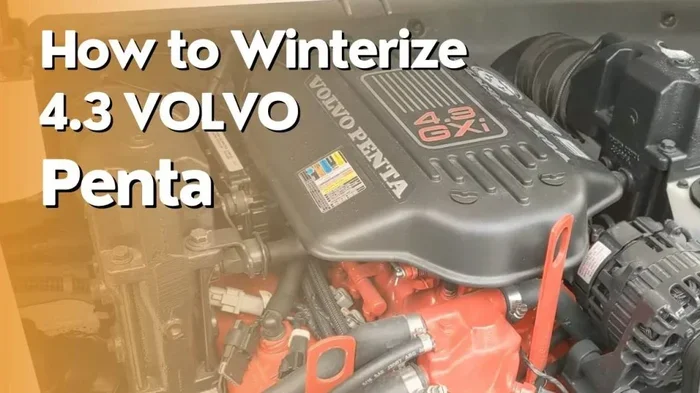
How to Winterize a Volvo Penta 43 Before Winter Comes
Winterizing your Volvo Penta 4.3 engine is essential to prevent freeze damage, corrosion, and costly repairs. This guide walks you through every critical step, from flushing the cooling system to treating your fuel and protecting the battery. Follow these simple procedures to keep your engine running strong for years to come.
Winter is coming, and your Volvo Penta 4.3 engine needs protection. Whether you store your boat in a marina or a backyard garage, cold weather can cause serious damage if you skip winterization. The good news is that winterizing a Volvo Penta 43 is not as hard as it sounds. With the right supplies and a little time, you can keep your engine in top shape all winter long.
Many boat owners make the mistake of thinking their engine will be fine until spring. But freezing temperatures, moisture, and stale fuel can wreak havoc on internal components. Taking a few hours to properly prepare your engine now can save you hundreds of dollars in repairs later. This guide covers every step you need to winterize Volvo Penta 43 engines effectively and confidently.
You do not need to be a master mechanic to follow along. Each step is simple and straightforward. We will walk you through flushing the cooling system, changing the oil, treating fuel, fogging cylinders, and more. By the end of this article, you will have a clear plan to protect your engine through the coldest months of the year.
Key Takeaways
- Flush the cooling system: Remove all water to prevent freeze damage and internal corrosion.
- Change the oil and filter: Fresh oil protects engine internals during long-term storage.
- Treat fuel with stabilizer: Prevent fuel degradation and gum buildup in the carburetor and fuel lines.
- Fog the cylinders: Protect internal engine surfaces from moisture and rust.
- Maintain the battery: Keep it charged and stored in a temperature-controlled area.
- Inspect propeller and drivetrain: Catch damage early and prevent corrosion on moving parts.
- Cover and store properly: Use a breathable engine cover and store in a dry, ventilated space.
📑 Table of Contents
Why Winterizing Your Volvo Penta 4.3 Matters
Cold weather is the enemy of any marine engine. When water sits inside the cooling system, it expands as it freezes. This expansion can crack the engine block, damage the heat exchanger, and destroy rubber hoses. The cost of repairing freeze damage can easily exceed several thousand dollars. Winterizing your Volvo Penta 43 prevents all of this.
Beyond freeze protection, winterization also fights corrosion. Saltwater and freshwater both leave mineral deposits inside engine passages. Over time, these deposits restrict flow and reduce cooling efficiency. Fresh oil and fogging oil create protective barriers against rust on metal surfaces. Fuel stabilizer keeps gasoline from breaking down and forming gummy residues that clog jets and carburetor passages.
Another reason to winterize Volvo Penta 43 engines is battery health. A deeply discharged battery can freeze in cold temperatures, which permanently damages the cells. By maintaining proper charge and storing the battery in a warm location, you ensure it starts strong when you are ready to hit the water again.
Some owners wonder whether they really need to go through all these steps every year. The answer is yes. Even if you run your engine frequently during the season, residual moisture and fuel breakdown still occur. A thorough winterization routine is the best insurance policy you can buy for your engine’s longevity.
Tools and Supplies You Will Need
Before you start, gather everything you need. Having all your supplies ready makes the process much smoother. Here is a checklist of what you will need to winterize a Volvo Penta 43 engine properly:
- Fresh engine oil and a compatible oil filter
- Marine-grade antifreeze coolant (propylene glycol based)
- Fuel stabilizer (sta-bil or similar marine product)
- Fogging oil for cylinder protection
- Raw water flush attachment or garden hose adapter
- Oil drain pan and wrench set
- Battery charger or trickle charger
- Clean rags and a small brush
- Waterproof engine cover or tarps
- Propeller puller (if inspecting the propeller)
You can find most of these supplies at any marine supply store or online. If you have ever wondered whether dealers charge a diagnostic fee for simple winterization services, the answer is sometimes yes. Doing it yourself saves money and gives you peace of mind. However, if you are unsure about any step, a professional can always help.
Where to Order Replacement Parts
If your Volvo Penta 4.3 needs new filters or hoses during winterization, plan ahead. Sometimes car parts be on backorder during peak seasons, especially in the fall when everyone is preparing for winter. Order your supplies at least two weeks before you plan to start the job. This avoids frustrating delays and keeps your project on schedule.
Step-by-Step Winterization Process
Now let us get into the actual work. Follow these steps in order for the best results. Each one addresses a specific vulnerability that cold weather creates for your engine.
Step 1: Flush the Cooling System
The cooling system is the first thing you should address when you winterize Volvo Penta 43 engines. Fresh water passes through the engine during operation, and if any water remains, it can freeze and cause cracks.
Start by connecting a garden hose or flush attachment to the raw water intake. Run clean water through the engine for at least ten minutes. This flushes out salt, sand, and debris from the cooling passages. You will see the water run clear, which tells you the system is clean.
Next, disconnect the fuel supply and let the engine run until it stalls. This burns off any remaining fuel in the carburetor. Now you can drain the remaining water from the engine block. Most Volvo Penta 4.3 models have a drain plug on the lower section of the engine. Remove it and let all water flow out completely.
After draining, pour marine-grade antifreeze coolant into the system. Run the engine again until you see antifreeze coming out of the exhaust. This ensures every passage is filled with protection against freezing temperatures. Proper cooling system flushing is one of the most important parts of winterizing a Volvo Penta 43.
Step 2: Change the Oil and Filter
Used engine oil contains acids and moisture that can corrode internal surfaces during storage. Fresh oil provides a clean protective layer for the entire engine block. Start by warming up the engine for a few minutes. Warm oil drains more completely and carries more contaminants out with it.
Place your drain pan beneath the oil drain plug. Remove the plug and let the old oil flow out entirely. Replace the drain plug with a fresh gasket to prevent leaks. Now remove the old oil filter and install a new one. Apply a thin coat of fresh oil to the gasket surface before tightening.
Fill the engine with the manufacturer-recommended oil. For the Volvo Penta 4.3, this is typically a high-quality marine-grade 30-weight or multi-weight oil. Check the owner’s manual for the exact specification. Pour in the correct amount and verify the level with the dipstick.
Some owners ask whether they can get a Lexus oil change anywhere or use any oil brand. While this question relates to a different engine, the principle is the same. Always use oil that meets the specifications listed in your Volvo Penta manual. This ensures proper lubrication and protection during storage.
Step 3: Treat the Fuel System
Stale fuel is one of the biggest enemies of any engine left in storage. Gasoline begins to break down within 30 days, forming varnish and gum deposits that clog fuel lines, carburetors, and injectors. Adding fuel stabilizer is a simple but critical step.
Fill the fuel tank completely with fresh gasoline. A full tank minimizes the air space inside, which reduces condensation and moisture buildup. Add the recommended amount of fuel stabilizer based on the tank size. Run the engine for five to ten minutes to circulate the stabilized fuel through the entire system.
For carbureted models, the Volvo Penta 4.3 may have a carburetor bowl drain. Open the drain and let any remaining fuel and water exit. Close it securely once the flow stops. This prevents stale fuel from gumming up the carburetor jets over the winter months.
If you want to go the extra mile, you can also fog the carburetor. Spray a short burst of fogging oil into the carburetor throat while the engine is running. This coats the internal surfaces with a protective oil film that resists moisture and corrosion.
Step 4: Fog the Cylinders
Fogging oil protects the cylinder walls, pistons, and rings from rust during storage. Remove the spark plugs from the engine. Spray a generous amount of fogging oil into each cylinder through the spark plug holes. Slowly turn the engine over by hand or with the starter a few times to distribute the oil.
Replace the spark plugs with new ones if they are worn. Clean the old plugs with a wire brush and check the gap. Fresh spark plugs ensure reliable starts when you are ready to use the engine again.
Some owners skip this step, but it is worth the extra few minutes. Cylinder rust can cause compression loss and poor performance in the spring. Fogging is one of the easiest and most effective ways to prevent this damage when you winterize Volvo Penta 43 engines.
Step 5: Protect the Battery
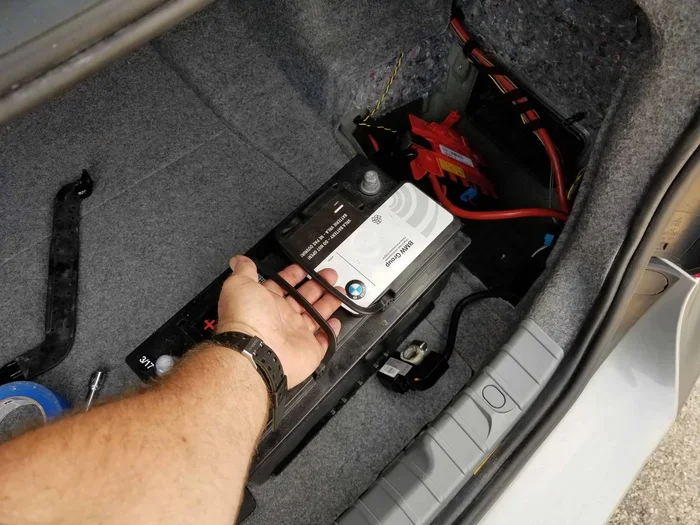
A healthy battery is essential for a smooth start in the spring. Begin by cleaning the terminals with a wire brush and baking soda solution. Remove any corrosion or buildup. Check the electrolyte level if your battery is not sealed, and top it off with distilled water.
Connect a battery maintainer or trickle charger to keep the battery at full charge throughout the winter. A fully charged battery is much more resistant to freezing than a discharged one. Store the battery in a temperature-controlled area if possible, such as a heated garage.
If you must store the battery in an unheated space, consider using a battery blanket or insulation wrap. These inexpensive accessories maintain warmth and prevent the electrolyte from freezing. Taking care of the battery now pays off with reliable starts when the boating season returns.
Common Mistakes to Avoid
Even experienced boat owners sometimes make errors during winterization. Here are the most common mistakes and how to avoid them:
- Skipping the cooling system flush: Residual water freezes and causes cracks. Always flush thoroughly.
- Leaving fuel in the tank without stabilizer: Stale fuel clogs passages and causes hard starting.
- Using automotive coolant instead of marine antifreeze: Marine antifreeze is specifically formulated for engine protection. Do not substitute.
- Storing the boat in an enclosed space without ventilation: Moisture builds up and promotes mold and corrosion.
- Forgetting to fog the cylinders: Internal rust can destroy an engine over a single winter.
- Neglecting the battery: A dead battery in spring means a jump start or a replacement.
Avoiding these simple mistakes ensures your winterize Volvo Penta 43 process is effective and complete. Take your time and work through each step methodically.
Expert Tips for Long-Term Storage
Winterization is just the beginning. How you store your boat over the cold months matters just as much as the preparation work. Here are some expert tips to maximize engine protection:
- Elevate the boat if possible: This relieves pressure on the hull and prevents water from pooling around the engine.
- Use a breathable engine cover: Trapped moisture causes more damage than cold air. A breathable cover allows air circulation.
- Check the cover monthly: Make sure it has not shifted or torn. Inspect for any signs of moisture or pests.
- Run the engine briefly in mid-winter: If conditions allow, start the engine for 10 to 15 minutes. This circulates fresh oil and recharges the battery.
- Keep the fuel tank full: This minimizes condensation and reduces the risk of fuel system problems.
You may have noticed that temperatures inside a car sitting in direct sunlight can reach extreme levels. Similarly, an enclosed storage space can heat up significantly on sunny winter days. This temperature fluctuation can cause condensation inside the engine. Proper ventilation and a quality cover help manage this risk.
If you are storing your boat at a facility, check whether parking in Houston or your local area has any specific rules about winter storage. Some marinas offer climate-controlled indoor storage, which is ideal for long-term protection. The extra cost is often worth the peace of mind.
When to Call a Professional
While many boat owners successfully winterize their own engines, some situations call for professional help. If you are uncomfortable working on fuel systems or electrical components, it is perfectly fine to seek assistance. A certified marine technician can complete the job quickly and correctly.
You should also consider professional help if your Volvo Penta 4.3 has existing issues. A cracked heat exchanger, worn impeller, or corroded fuel lines all need attention before winter storage. Ignoring these problems can lead to more severe damage over the cold months.
If you are unsure whether your engine needs professional service, a diagnostic inspection is a good first step. Many shops offer affordable inspections that identify potential problems before they become expensive repairs. Taking this proactive approach keeps your engine healthy and ready for the next season.
Remember, the goal of winterization is to protect your investment. Whether you do it yourself or hire a professional, the most important thing is that it gets done. A well-winterized Volvo Penta 4.3 engine will reward you with reliable performance and many more seasons of enjoyment on the water.
Conclusion
Winterizing your Volvo Penta 43 engine is one of the most important things you can do as a boat owner. It protects your engine from freeze damage, corrosion, fuel degradation, and battery failure. The process takes a few hours, but the payoff is a reliable engine that starts easily when warm weather returns.
Follow each step carefully, from flushing the cooling system to fogging the cylinders and maintaining the battery. Avoid common mistakes like skipping the antifreeze or leaving untreated fuel in the tank. Store your boat properly with a breathable cover and in a dry, ventilated space.
Taking the time to winterize Volvo Penta 43 engines now means fewer headaches and repair bills later. Your future self will thank you when you are ready to hit the water next spring. Start your winterization checklist today and give your engine the protection it deserves.
Frequently Asked Questions
Can I use regular automotive antifreeze instead of marine antifreeze for my Volvo Penta 4.3?
No. Automotive antifreeze contains ethylene glycol, which is toxic and not designed for marine cooling systems. Always use propylene glycol marine antifreeze. It is safe for engine passages and environmentally friendly. Using the wrong type can cause corrosion and damage over time.
How often should I winterize my Volvo Penta 4.3 engine?
You should winterize your engine at the end of every boating season, typically in the fall before temperatures drop below freezing. Even if you use your boat infrequently, annual winterization prevents moisture buildup, fuel degradation, and corrosion that accumulate during storage.
Can I store my boat with the engine partially drained instead of fully winterized?
Partial draining is not enough to protect your engine. Residual water in cooling passages, fuel lines, and cylinders can freeze and cause cracks or rust. Full winterization including antifreeze, fogging oil, fuel stabilizer, and fresh oil provides complete protection for long-term storage.
How long can I leave my Volvo Penta 4.3 in winter storage without starting it?
You can safely leave the engine in storage for three to six months without starting it, provided you completed a thorough winterization. The key factors are a fully charged battery, stabilized fuel, fogged cylinders, and proper storage conditions. Check on the engine monthly and run it briefly if possible.
What happens if I forget to winterize my Volvo Penta 4.3 before winter?
Forgetting winterization can lead to cracked engine blocks, corroded cylinders, clogged fuel systems, and dead batteries. Freeze damage alone can result in thousands of dollars in repairs. Even in mild winters, moisture and fuel breakdown still occur. Always winterize before temperatures drop consistently below freezing.
Is it better to winterize myself or hire a professional?
It depends on your comfort level and experience. If you are handy and follow instructions carefully, DIY winterization saves money and builds your mechanical skills. If you are unsure about any step or notice existing engine problems, a professional technician provides expert assurance. Either way, the most important thing is completing the process before cold weather arrives.