How Many Miles Can a Toyota 4Runner Go on a Full Tank
The Toyota 4Runner can typically travel between 350 and 450 miles on a full tank, depending on the model year, trim, and driving conditions. With a fuel tank capacity of around 23 gallons and an average MPG of 16 to 20, the 4Runner offers solid range for both city commuting and off-road adventures. Understanding your specific model’s fuel economy helps you plan trips and avoid unexpected stops.
There is something deeply satisfying about knowing exactly how far your truck can go before you need to stop for gas. Whether you are planning a weekend camping trip or just commuting to work, understanding your Toyota 4Runner fuel range matters. The 4Runner has built a reputation as one of the most reliable SUVs on the road, and its fuel capacity plays a big role in that reputation.
So, how many miles can a Toyota 4Runner go on a full tank? The short answer is somewhere between 350 and 450 miles. But the full picture involves several factors that can shift that number up or down. In this guide, we will walk through everything you need to know about your 4Runner’s driving range, fuel economy, and how to get the most out of every gallon.
If you have ever wondered whether your 4Runner can handle a long road trip without constant refueling stops, you are in the right place. Let us dive in and break it all down.
Key Takeaways
- Fuel Tank Size: Most 4Runners hold 23 gallons, giving you a strong baseline for range calculations.
- Average Range: Expect 350 to 450 miles per full tank, varying by trim and driving style.
- City vs Highway: City driving drops MPG to around 16, while highway driving pushes it closer to 20.
- Trim Matters: TRD Pro and Limited models may have slightly different fuel economy than base SR5 trims.
- Towing Impact: Towing a trailer can reduce your range by 20 to 30 percent.
- Maximizing Range: Smooth driving, proper tire pressure, and light loads help you squeeze out more miles.
📑 Table of Contents
How Far Can a Toyota 4Runner Go on a Full Tank?
The driving range of a Toyota 4Runner depends mostly on two things: the size of the fuel tank and the vehicle’s fuel efficiency. Most 4Runner models come equipped with a 23-gallon fuel tank. When you combine that tank size with the engine’s fuel consumption rate, you get a pretty impressive range.
Here is a quick breakdown of what you can expect:
- City Driving: Around 350 to 370 miles per full tank
- Highway Driving: Around 420 to 460 miles per full tank
- Mixed Driving: Around 380 to 420 miles per full tank
- Towing: Around 250 to 320 miles per full tank
These numbers are estimates based on EPA ratings and real-world driver reports. Your actual range will vary depending on how you drive and what conditions you face. For a more precise idea, check out how 12 gallons of gas translates to miles, since that is roughly half a 4Runner tank and gives you a good baseline.
The 4Runner uses a 4.0-liter V6 engine in most model years, producing around 270 horsepower. This engine is tuned for durability and torque rather than raw fuel savings. That means the 4Runner prioritizes power and reliability over being a fuel sipper. Still, 350-plus miles on a single tank is nothing to sneeze at for a body-on-frame SUV.
Why the Range Varies by Model Year
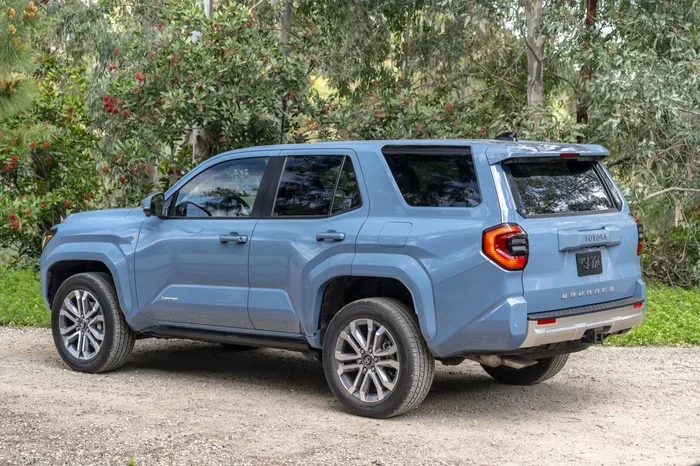
Not all 4Runners are created equal when it comes to fuel economy. Older models from the early 2000s tend to be less efficient than newer ones. The 2010 and later models saw some improvements in engine management and aerodynamics. The 2024 Toyota 4Runner, with its updated 3.4-liter twin-turbo V6, offers a different fuel profile than the older 4.0-liter V6.
Here is a simple comparison:
- 2003 to 2009 4Runner: 23-gallon tank, 15-17 MPG combined
- 2010 to 2023 4Runner: 23-gallon tank, 16-20 MPG combined
- 2024+ 4Runner: 23-gallon tank, estimated 18-22 MPG combined
As you can see, newer models are gradually becoming more efficient. But the tank size has stayed consistent at 23 gallons across most generations. That consistency makes it easy to estimate your range no matter what year your 4Runner is.
Understanding the 4Runner Fuel Tank Capacity
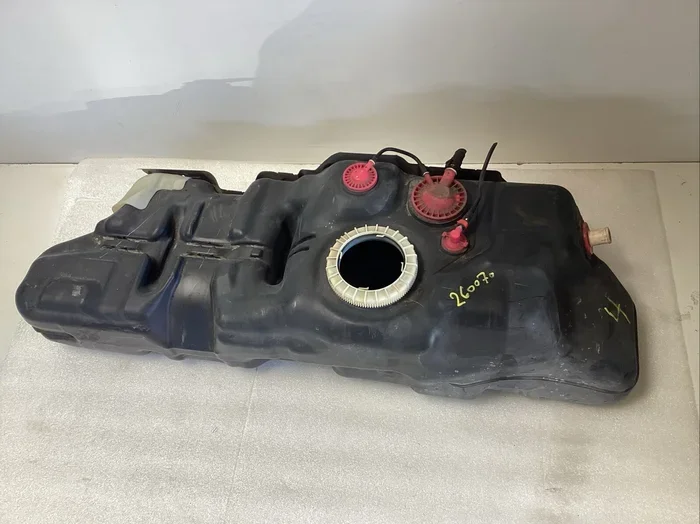
The Toyota 4Runner fuel tank capacity is a key piece of the puzzle. Most models carry 23 gallons of fuel, though some earlier generations and special editions may differ slightly. The 23-gallon tank is a sweet spot for a vehicle of this size. It is large enough to give you solid range but not so large that it adds excessive weight.
Compared to other SUVs in the same class, the 4Runner’s tank is competitive. For example, the Ford Bronco holds around 23 gallons as well, while the Jeep Wrangler typically carries about 22 gallons. The 4Runner’s range advantage often comes down to its engine efficiency and aerodynamic design.
Knowing your exact tank size helps you plan refueling stops. If you are heading out on a long trip through remote areas, knowing you have roughly 23 gallons in the tank gives you peace of mind. You can calculate your expected range by multiplying your tank size by your average MPG.
Does the Trim Level Affect Fuel Capacity?
Good news: the fuel tank size stays the same across all 4Runner trims. Whether you drive an SR5, Limited, TRD Off-Road, or TRD Pro, you are working with a 23-gallon tank. What does change between trims is the engine tuning, suspension setup, and additional features that may add weight.
Heavier trims like the TRD Pro may see slightly lower MPG due to added equipment and weight. But the difference is usually small, around 1 to 2 MPG. The 4Runner fuel tank size remains a constant 23 gallons regardless of trim level.
4Runner MPG: City vs Highway Fuel Economy
Fuel economy is where the 4Runner’s range story really unfolds. The EPA rates the current 4Runner at around 17 MPG in the city and 23 MPG on the highway. These numbers translate directly into your driving range and help you understand how far you can go before needing to refuel.
City driving tends to be less efficient because of stop-and-go traffic, idling, and lower speeds. Highway driving allows the engine to operate at a more consistent RPM, which generally improves fuel economy. Here is what you can expect in real-world conditions:
- City MPG: 15 to 17 MPG (real-world)
- Highway MPG: 20 to 24 MPG (real-world)
- Mixed MPG: 17 to 20 MPG (real-world)
Real-world MPG often differs from EPA estimates. Your driving habits, terrain, weather, and cargo load all play a role. If you frequently drive in mountainous areas or haul heavy loads, expect your MPG to trend toward the lower end of these ranges.
How to Calculate Your Personal 4Runner Range
Calculating your personal range is simple. Take your fuel tank capacity and multiply it by your average MPG. Here is the formula:
Range = Tank Size (gallons) x Average MPG
For example, if your 4Runner gets 18 MPG on average and you have a 23-gallon tank:
23 x 18 = 414 miles
That is a solid estimate of your 4Runner driving range. You can refine this number over time by tracking your actual fuel fill-ups and mileage. Most drivers find that their real-world range lands somewhere in the 350 to 450-mile ballpark.
Factors That Affect Your 4Runner’s Driving Range
Several factors influence how far your 4Runner can go on a single tank of gas. Understanding these factors helps you make informed decisions about fueling and trip planning. Let us look at the biggest ones.
Driving Style
Your driving habits have a huge impact on fuel economy. Aggressive acceleration, speeding, and hard braking all burn more fuel. Smooth, steady driving is the best way to maximize your range. If you like to push the engine hard, expect your MPG to drop and your range to shrink accordingly.
On the flip side, gentle acceleration and maintaining a steady speed on the highway can push your MPG closer to the upper end of the scale. Small changes in how you drive can add 2 to 3 MPG, which translates to 50 or more extra miles per tank.
Terrain and Driving Conditions
The 4Runner is an off-road capable SUV, and taking it off the paved road affects your fuel economy. Rough terrain, steep inclines, and loose surfaces all require more power from the engine. If you spend a lot of time on trails or in mountainous areas, your range will be lower than someone who sticks to flat highways.
Weather also plays a role. Cold temperatures reduce engine efficiency and increase warm-up time. Hot weather can increase the load on your cooling system. Both extremes can lower your overall MPG and reduce your driving range.
Payload and Towing
Carrying heavy loads or towing a trailer significantly impacts your 4Runner’s fuel economy. The 4Runner has a towing capacity of up to 5,000 pounds when properly equipped. But towing that weight means the engine works harder, which burns more fuel.
If you are towing a trailer, you can expect your range to drop by 20 to 30 percent. That means a full tank might only take you 250 to 320 miles instead of the usual 350 to 450. Always factor in extra fuel stops when planning a towing trip.
Vehicle Maintenance
A well-maintained 4Runner runs more efficiently than a neglected one. Dirty air filters, old spark plugs, low tire pressure, and dirty fuel injectors all hurt your MPG. Regular maintenance keeps your engine running smoothly and helps you get the best possible fuel economy.
Simple habits like checking your tire pressure monthly and changing your air filter on schedule can improve your range. If your check engine light comes on, do not ignore it. Even minor issues like a loose gas cap can reduce fuel efficiency and throw off your range calculations.
Tips to Maximize Your 4Runner’s Fuel Range
Want to squeeze every last mile out of your 4Runner’s tank? These practical tips can help you get more range from each fill-up. None of these require expensive modifications or special equipment.
- Drive at steady speeds. Use cruise control on the highway to maintain a consistent pace and avoid unnecessary fuel spikes.
- Keep your tires properly inflated. Underinflated tires create rolling resistance, which forces the engine to work harder.
- Reduce excess weight. Remove unnecessary items from your truck. Every extra 100 pounds can reduce your MPG by about 1 percent.
- Use the right grade of fuel. The 4Runner runs fine on regular unleaded. Premium fuel does not improve performance or economy in this engine.
- Plan your routes wisely. Avoid heavy traffic and stop-and-go situations when possible. A slightly longer route with less traffic can save fuel overall.
- Turn off the engine when idling. Extended idling wastes fuel. If you are parked for more than a minute, shut the engine off.
- Keep up with maintenance. Regular oil changes, spark plug replacements, and air filter changes all contribute to better fuel economy.
These tips are especially useful if you are planning a long road trip or heading into a remote area where gas stations are sparse. The goal is to stretch your 23-gallon tank as far as it can go safely.
Quick Tips for Off-Road Trips
If you are heading off-road, fuel planning becomes even more critical. Remote trails may not have gas stations for 50 or more miles. Here are a few quick tips:
- Fill up before entering remote areas
- Carry a spare fuel container if the trail allows it
- Track your MPG more frequently when off-roading
- Plan refueling stops every 200 miles as a safety margin
Is the 4Runner Good for Long Road Trips?
The short answer is yes. The 4Runner is an excellent choice for long road trips, thanks to its combination of range, reliability, and rugged capability. With 350 to 450 miles of range on a full tank, you can comfortably cover long distances without constant fuel stops.
Many 4Runner owners use their trucks for cross-country road trips, camping adventures, and overland excursions. The vehicle’s durability and strong resale value make it a smart investment for anyone who loves the open road. You can also check how much stuff you can fit in your 4Runner for trip planning by reading up on how much stuff you can put in your car.
The 4Runner’s comfort and cargo space also make it a great travel companion. With seating for five and a generous cargo area behind the rear seats, you can pack plenty of gear for a weekend or even a week-long trip. The available third-row seating in some models adds even more versatility.
One thing to keep in mind is that the 4Runner is not the most fuel-efficient SUV on the market. If fuel economy is your top priority, you might want to compare it with other options. But if you value reliability, off-road capability, and long-range driving, the 4Runner delivers on all fronts.
Comparing the 4Runner’s Range to Competitors
How does the 4Runner’s range stack up against similar SUVs? Here is a quick comparison:
- Toyota 4Runner: 23-gallon tank, 350 to 450 miles range
- Ford Bronco: 23-gallon tank, 340 to 440 miles range
- Jeep Wrangler: 22-gallon tank, 330 to 420 miles range
- Chevy Tahoe: 24-gallon tank, 360 to 480 miles range
The 4Runner holds its own against competitors. Its range is competitive, and its legendary reliability gives it an edge for long-term ownership. When you factor in the 4Runner’s strong resale value and low cost of ownership, the fuel range becomes even more compelling.
For more context on what mileage counts as a lot for a Toyota truck, check out our article on whether 000 miles is a lot for a Toyota Tundra. The same principles apply to the 4Runner when evaluating long-term ownership.
Final Thoughts
The Toyota 4Runner can go between 350 and 450 miles on a full tank, making it a capable and dependable choice for daily driving and long adventures alike. With a 23-gallon fuel tank and an average MPG of 16 to 20, the 4Runner offers a range that keeps you moving without constant refueling stops.
Your actual range depends on several factors, including driving style, terrain, payload, and maintenance. By following the tips in this guide, you can maximize your 4Runner’s fuel efficiency and get the most out of every tank. Whether you are commuting to work or exploring remote trails, the 4Runner’s range gives you the confidence to go the distance.
Understanding your vehicle’s fuel capacity and economy is one of the best things you can do as a 4Runner owner. It helps you plan trips, budget for fuel costs, and avoid getting caught short in remote areas. The 4Runner is built to last, and with proper care, it will keep delivering miles and memories for years to come.
So the next time you fill up your tank, take a moment to appreciate the range you have at your fingertips. The Toyota 4Runner is more than just a truck. It is a reliable partner for every journey you take.
Frequently Asked Questions
How far can a Toyota 4Runner go on empty?
Most 4Runners can go an additional 30 to 50 miles after the fuel light comes on. However, driving on empty is not recommended, as it can damage the fuel pump. Always try to refuel as soon as the light illuminates.
What is the fuel tank size for a Toyota 4Runner?
The standard fuel tank size for the Toyota 4Runner is 23 gallons across most model years and trims. This capacity provides a solid driving range of 350 to 450 miles depending on conditions.
Does towing reduce the 4Runner’s fuel range?
Yes, towing can reduce your fuel range by 20 to 30 percent. With a 23-gallon tank, towing may limit your range to around 250 to 320 miles. Always plan extra fuel stops when towing.
Is the 2024 Toyota 4Runner more fuel efficient than older models?
The 2024 4Runner features a new 3.4-liter twin-turbo V6 engine that is expected to be more fuel efficient than the older 4.0-liter V6. Early estimates suggest improved MPG across the board.
How can I improve my 4Runner’s MPG?
You can improve your 4Runner’s MPG by driving smoothly, maintaining proper tire pressure, reducing excess weight, keeping up with regular maintenance, and avoiding excessive idling.
Can the 4Runner run on regular gasoline?
Yes, the Toyota 4Runner runs on regular unleaded gasoline. Premium fuel is not required and does not provide any noticeable benefit in performance or fuel economy for this engine.