Car Front Glass Film Your Ultimate Protection Guide
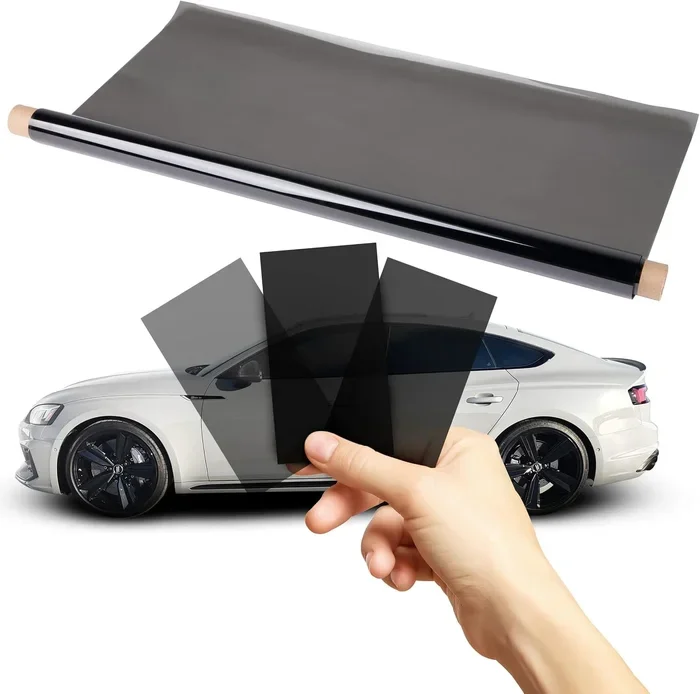
Car front glass film is one of the best investments you can make for your vehicle’s windshield. It shields against UV rays, reduces glare, and adds a layer of scratch protection. In this guide, you will learn everything about car front glass film including types, benefits, and application tips.
Key Takeaways
- Car front glass film protects your windshield from UV damage, scratches, and environmental harm.
- Types of film include clear PPF, tinted film, ceramic coating, and hybrid options.
- Professional installation is recommended for best results and long-lasting protection.
- Cost ranges from $100 to $800 depending on film type and vehicle size.
- Regular maintenance keeps your front glass film looking great for years.
- DIY application is possible but carries risks of bubbles and improper adhesion.
📑 Table of Contents
- What Is Car Front Glass Film and Why You Need It
- Types of Car Front Glass Film Available
- Benefits of Applying Car Front Glass Film
- How to Choose the Right Car Front Glass Film
- Step-by-Step Guide to Applying Car Front Glass Film
- Common Mistakes to Avoid
- Expert Insights on Car Front Glass Film
- Cost and Value of Car Front Glass Film
- Maintaining Your Car Front Glass Film
- Frequently Asked Questions
- Conclusion
What Is Car Front Glass Film and Why You Need It
Let us start with the basics. Car front glass film is a thin layer of material applied directly to your vehicle’s windshield. It acts as a shield between your glass and everything the road throws at it.
Think of it like sunscreen for your car. Just as you protect your skin from harmful rays, your windshield deserves the same treatment. The film blocks UV radiation, reduces heat buildup, and guards against minor scratches and chips.
Over time, your front windshield takes a beating. Sun exposure fades and weakens the glass. Pebbles on the highway create small cracks. Dirt and grime build up. Car front glass film tackles all of these problems in one simple solution.
Whether you drive a daily commuter or a luxury SUV, this protection layer is worth considering. It keeps your windshield clearer longer and even improves safety by cutting down dangerous glare.
How Windshield Protection Works
The film bonds to the outer surface of your glass. Most versions use a clear polyurethane or polyester base. This material is thin yet surprisingly strong. It stretches across the windshield without affecting visibility.
High-quality films also include adhesive layers. These layers grip the glass securely. They stay put even during temperature changes and rough driving conditions. Some films can handle impacts that would otherwise crack your windshield.
The best part is that car front glass film works silently. You barely notice it is there. But underneath that invisible shield, your windshield stays safer and cleaner every single day.
Types of Car Front Glass Film Available
Not all films are the same. Different needs call for different types. Let us break down the most popular options so you can find the right fit.
Clear Paint Protection Film (PPF)
This is the most popular choice for windshield protection. Clear PPF is a transparent urethane layer that absorbs impacts from road debris. It is nearly invisible once applied.
Clear PPF offers excellent scratch resistance. Small nicks and swirl marks simply disappear into the film. Many versions also have self-healing properties. Minor scratches fade away with heat exposure from sunlight.
For drivers who want maximum protection without changing how their windshield looks, car front glass film in clear PPF form is the go-to option.
Tinted Windshield Film
Tinted film adds shade to your glass. It reduces brightness and cuts down glare from oncoming headlights. It also blocks a significant amount of solar heat.
However, you need to be careful with tint darkness. Many regions have laws limiting how dark your front windshield tint can be. Always check your local regulations before choosing this route.
Tinted car front glass film works best when combined with UV-blocking technology. This gives you glare reduction and sun protection together.
Ceramic Coating Film
Ceramic-based films are a newer option. They use nanotechnology to create a hydrophobic surface. Water beads off instantly. Dirt and grime rinse away easily.
These films also provide strong UV protection. They reject heat effectively and maintain optical clarity over time. Car front glass film with ceramic properties is excellent for drivers who want easy maintenance.
Hybrid and Safety Films
Some films combine features. They mix clear protection with tinting or add safety layers that hold glass together during a break. These hybrid options offer balanced performance.
Safety films are especially useful in areas prone to severe weather. They add structural strength to your windshield. Even if the glass cracks, the film keeps fragments in place.
| Film Type | Best For | UV Protection | Scratch Resistance | Glare Reduction |
|---|---|---|---|---|
| Clear PPF | Scratch and chip protection | High | Excellent | Low |
| Tinted Film | Glare and heat reduction | Medium to High | Medium | High |
| Ceramic Film | Easy maintenance and clarity | High | Good | Medium |
| Hybrid/Safety Film | All-around protection | High | Good | Medium |
Benefits of Applying Car Front Glass Film
So why should you invest in car front glass film? The benefits go far beyond simple scratch protection. Let us look at the biggest advantages.
UV Ray Protection
Your windshield blocks some UV rays already. But it does not block all of them. Prolonged sun exposure weakens the glass and fades your dashboard and seats over time.
Quality car front glass film blocks up to 99 percent of harmful UV radiation. This protects your skin during long drives. It also preserves the interior of your car. Your dashboard stays newer for much longer.
Heat Rejection and Comfort
Hot sunlight builds up inside your vehicle. The cabin gets uncomfortably warm before you even start driving. Car front glass film with heat rejection properties keeps temperatures more manageable.
This means less time blasting the air conditioning. It also means better fuel efficiency over time. You stay cooler and more comfortable on every trip.
Glare Reduction for Safer Driving
Glare is a serious safety concern. Bright sunlight and oncoming headlights can blind you for a split second. Car front glass film with anti-glare properties softens harsh light.
This simple addition can help prevent accidents. You see the road more clearly. Your eyes stay less fatigued during long drives or night commuting.
Scratch and Chip Resistance
Road debris is unavoidable. Small pebbles, sand, and tools used by mechanics can scratch your windshield. Car front glass film absorbs these impacts. Your actual glass stays untouched underneath.
When the film gets damaged, you can often replace just the film. That is much cheaper than replacing the entire windshield.
Easier Cleaning and Maintenance
Films with hydrophobic properties repel water and dirt. Rain disappears quickly. Bug splares wipe off with minimal effort. Your windshield stays cleaner between washes.
This is one of the most practical benefits of car front glass film. It makes your regular car detailing routine faster and more effective.
Improved Privacy
Tinted car front glass film adds a layer of privacy. People cannot easily see inside your vehicle. This helps protect your belongings and adds a sense of security.
How to Choose the Right Car Front Glass Film
Choosing the right car front glass film can feel overwhelming. There are many brands, types, and price points. Here is how to simplify the decision.
Identify Your Main Priority
Start by asking what you need most. Are you looking for scratch protection? Heat rejection? Glare reduction? Privacy?
Your priority determines the best film type. Clear PPF excels at physical protection. Ceramic film shines in easy maintenance. Tinted film leads in glare and heat control. Knowing your goal makes the choice much easier.
Check Local Tint Laws
If you want any level of tint, research your state or province rules. Many places require a certain amount of visible light transmission through the front windshield. Breaking these laws can lead to fines or forced removal.
Car front glass film in clear form does not usually raise legal concerns. Always confirm before going darker.
Look at Film Quality and Warranty
Not all films are created equal. Premium brands often come with warranties. These warranties cover peeling, discoloration, and delamination for several years.
Cheap films may look fine at first. But they can bubble, yellow, or peel within months. Invest in quality car front glass film for long-term results.
Consider Professional vs DIY
Professional installers have experience and specialized tools. They achieve smoother, bubble-free results. DIY kits are available but require patience and skill.
For most people, professional application is the smarter choice. It ensures your car front glass film looks flawless and lasts longer.
Read Reviews and Brand Reputation
Before buying, check customer reviews. Look for brands with strong reputations in car detailing communities. Trusted names often mean better quality and customer support.
Quick Tips for Choosing Your Film
- Always prioritize optical clarity on your windshield.
- Choose UV-blocking as a baseline feature.
- Do not sacrifice quality to save a few dollars.
- Ask the installer about expected lifespan before committing.
- Request samples or view installations on similar vehicles.
Step-by-Step Guide to Applying Car Front Glass Film
Want to understand what happens during installation? Here is a simplified look at how professionals apply car front glass film.
Step 1: Clean the Windshield
The installer thoroughly cleans your windshield. Every speck of dust and smudge must go. Any contamination left behind creates bubbles or weak adhesion points.
Step 2: Measure and Cut the Film
The film is measured precisely to match your windshield dimensions. Modern installers often use computer-cutting machines. This ensures exact fits without trimming on the vehicle.
Step 3: Apply the Solution
A special sliding solution is sprayed on the glass and the film. This allows the installer to position the film correctly. It also lets air bubbles escape during application.
Step 4: Squeegee and Smooth
The installer squeegees the solution out from the center. They work from one edge to the other. This step requires steady hands and patience.
Step 5: Cure and Dry
The car front glass film needs time to cure. This usually takes 24 to 48 hours. During this period, avoid rolling down windows or using wipers aggressively.
After curing, the film bonds firmly to the glass. Your windshield looks clean, clear, and fully protected.
Common Mistakes to Avoid
Even with good car front glass film, mistakes can ruin the experience. Here are pitfalls to watch out for.
Skipping the Cleaning Step
A dirty windshield causes bubbles and poor adhesion. Never rush the cleaning process. It is the foundation of a perfect installation.
Choosing the Wrong Film Type
Not every film suits every situation. Tinted film on a front windshield might violate local laws. Clear PPF might not provide enough heat rejection in hot climates. Match the film to your needs.
Ignoring Warranty Terms
Some warranties require professional installation. Using DIY film and then expecting warranty coverage usually fails. Read the fine print before assuming protection.
Using Harsh Chemicals During Cleaning
Avoid ammonia-based cleaners on tinted or coated windshields. These chemicals can damage the film over time. Stick to products recommended for car front glass film maintenance.
Neglecting Regular Maintenance
Even the best film benefits from care. Wash your car regularly. Use soft cloths and gentle soap. Inspect the film periodically for lifting edges or damage. Prompt attention keeps your car front glass film performing at its best.
Expert Insights on Car Front Glass Film
Industry professionals share their thoughts on car front glass film and its growing popularity.
Many installers report that customers increasingly ask for windshield protection alongside paint protection. Car front glass film is now a standard request in premium car detailing shops. The market for windshield protection products continues to grow every year.
Experts also highlight advances in film technology. Modern ceramic and hybrid films offer better clarity and durability than models from just five years ago. Solar control film innovations continue to improve heat rejection without darkening the glass.
One recurring piece of advice from professionals is to balance cost with quality. Spending more on reliable car front glass film saves money on replacement and repairs down the road. A good film installation is an investment that pays for itself.
Cost and Value of Car Front Glass Film
How much does car front glass film actually cost? The price varies based on several factors.
- Clear PPF typically costs between $200 and $500 for a standard car windshield.
- Tinted film ranges from $150 to $400 depending on darkness and brand.
- Ceramic film can cost $300 to $800 for premium applications.
- Hybrid or safety film falls between $250 and $600.
These prices include professional installation. DIY kits cost less upfront but carry higher risk of mistakes. A botched DIY job often means paying for professional help anyway.
When you factor in windshield repair costs, interior replacement expenses, and long-term comfort, car front glass film delivers strong value. It protects one of the most important parts of your vehicle at a fraction of replacement cost.
Maintaining Your Car Front Glass Film
Once you have invested in car front glass film, you want it to last. Proper maintenance makes all the difference.
First 7 Days After Installation
Do not use wipers for at least 24 hours. Keep windows fully closed for 48 hours. Avoid automatic car washes for one week. These precautions let the adhesive bond fully.
Ongoing Care
Wash your car with mild soap and soft sponges. Avoid abrasive pads directly on the film. Use ammonia-free glass cleaners. These simple habits keep your car front glass film looking new for years.
When to Replace the Film
Signs that your windshield protection film needs replacement include visible peeling, persistent bubbles, significant scratching, or yellowing. Most quality films last between 5 and 10 years with proper care.
Frequently Asked Questions
Is car front glass film legal on windshields?
Clear car front glass film such as PPF is generally legal everywhere because it does not alter visibility. Tinted films must comply with local laws regarding visible light transmission. Always verify your regional regulations before applying any tinted film to your front windshield.
How long does car front glass film last?
Most quality car front glass film lasts between 5 and 10 years. Ceramic and hybrid films often reach the higher end of that range. Proper maintenance and avoiding harsh chemicals significantly extend the lifespan of your film.
Can I apply car front glass film myself?
You can, but it is not recommended for beginners. DIY car front glass film application risks bubbles, dust trapped underneath, and improper edges. Professional installation provides a smoother, more durable result that protects your investment.
Does car front glass film affect visibility?
High-quality car front glass film maintains excellent optical clarity. You should barely notice it is there. Premium films are designed to preserve the natural look and clarity of your windshield without distortion.
Will car front glass film block UV rays?
Yes. Most car front glass film products block between 95 and 99 percent of UV rays. This protects your skin and prevents interior fading. UV protection is one of the primary reasons drivers choose windshield protection film.
What is the difference between car front glass film and a windshield cover?
Car front glass film is a thin layer bonded directly to your windshield for ongoing protection. A windshield cover is typically a removable shield placed over the glass when parked. Windshield protection film provides constant defense against UV, scratches, and glare while you drive.
Conclusion
Car front glass film is a smart, practical upgrade for any vehicle. It protects against UV damage, scratches, heat buildup, and dangerous glare. The right film keeps your windshield clearer and your car interior looking newer for years.
Whether you choose clear PPF, ceramic coating, or a hybrid option, investing in windshield protection pays off. Professional installation ensures the best results. Regular maintenance keeps your film performing at its peak.
Now you have the knowledge to make the right choice. Evaluate your needs, pick quality film, and enjoy the benefits of a well-protected windshield. Your car deserves it, and so do you.