How Long Does a BMW Battery Last and When to Replace
A BMW battery typically lasts between 3 and 5 years, but driving habits, climate, and electronic loads can shorten or extend that range. Knowing the early warning signs of a failing battery saves you from unexpected breakdowns and costly towing. This guide covers everything from average lifespan and replacement costs to practical tips that keep your BMW starting strong.
Your BMW is engineered for performance, precision, and luxury. But none of that matters if the battery dies on you in the parking lot. Whether you drive a sleek 3 Series or a commanding X5, the battery is the silent workhorse that keeps everything running. So how long does a BMW battery actually last? And more importantly, how do you know when it is time to replace it?
The short answer is that most BMW batteries last between 3 and 5 years. But that range is wide for a reason. Your driving habits, the climate you live in, the electronics you use, and even how often you take short trips all influence battery health. This guide breaks down everything you need to know about BMW battery life, replacement timing, costs, and simple steps you can take to get the most out of your battery.
If you have ever been stranded with a dead BMW, you know how frustrating it can be. The good news is that understanding your battery helps you avoid that situation altogether. Let us dive into what affects battery life and how to spot the warning signs before you are left stranded.
Key Takeaways
- Average lifespan: Most BMW batteries last 3 to 5 years depending on usage and conditions.
- Warning signs matter: Slow cranking, dim lights, and dashboard alerts signal a weakening battery.
- Climate plays a role: Extreme heat and cold both accelerate battery degradation.
- Replacement cost: Expect to pay between $300 and $700 for parts and labor.
- Maintenance helps: Regular inspections and limiting parasitic drains extend battery life.
- Choose the right battery: AGM batteries are standard in most modern BMWs and offer better performance.
- Reset after replacement: Some BMW models require a reset or registration after installing a new battery.
📑 Table of Contents
- How Long Does a BMW Battery Last on Average?
- Signs Your BMW Battery Is Failing
- How to Test Your BMW Battery
- BMW Battery Replacement Cost
- Tips to Extend Your BMW Battery Life
- Common Mistakes That Shorten BMW Battery Life
- When to Replace vs. When to Recharge
- What to Do After Replacing Your BMW Battery
- Final Thoughts
How Long Does a BMW Battery Last on Average?
Most BMW original equipment batteries are designed to last around 4 years under normal conditions. However, some owners report their batteries lasting 5 years or even slightly longer with proper care. On the other hand, batteries in harsh conditions may fail after just 2 or 3 years.
The type of battery your BMW uses matters too. Most modern BMWs come equipped with AGM batteries (Absorbent Glass Mat). These batteries handle the high electrical demands of luxury vehicles better than traditional lead-acid batteries. They are also more resistant to vibration and deeper discharge cycles, which contributes to a longer overall lifespan.
Factors That Affect BMW Battery Life
Several factors determine how long your battery will last. Here are the biggest ones:
- Driving frequency: BMWs that sit unused for long periods lose charge faster. If you only drive on weekends, your battery may not get fully charged.
- Short trips: Frequent short drives do not give the alternator enough time to recharge the battery fully. Over time, this creates a partial charge cycle that wears the battery down.
- Climate: Extreme heat causes fluid evaporation inside the battery. Extreme cold reduces the battery’s ability to hold a charge. Both extremes shorten lifespan.
- Electronic loads: Features like BMW iDrive, heated seats, premium audio systems, and even Apple CarPlay draw power. If you leave electronics running with the engine off, you drain the battery faster.
- Parasitic drains: Some BMW systems continue drawing small amounts of power even when the car is off. Over days or weeks, this can weaken the battery significantly.
Signs Your BMW Battery Is Failing
Catching a weak battery early is the key to avoiding a no-start situation. BMWs give you several warning signs before a battery completely dies. Here is what to watch for:
1. Slow Engine Crank
If your BMW takes a few extra seconds to start, that is a red flag. A healthy battery cranks the engine quickly and confidently. A sluggish crank means the battery is losing its ability to deliver the power needed to turn the engine over.
2. Dim or Flickering Lights
Notice your headlights or interior lights looking dimmer than usual? This often happens when the battery cannot maintain proper voltage. Pay special attention to lights that dim when you idle, as that is a classic sign of a weak battery.
3. Dashboard Warning Lights
Modern BMWs have a battery monitoring system. If you see a battery-shaped warning light on your dashboard, do not ignore it. The BMW iDrive system may also display messages about reduced battery performance or charging system faults.
4. Electrical Issues
Power windows moving slower than usual, a flickering infotainment screen, or accessories that feel sluggish can all point to low battery voltage. Since BMWs rely heavily on electronic systems, even small voltage drops create noticeable problems.
5. Swollen or Bloated Battery Case
Extreme heat can cause the battery case to swell. If you notice the plastic casing of your battery looks puffy or deformed, replace it immediately. A swollen battery is a safety hazard and will fail soon.
6. Old Age
If your battery is more than 4 years old, it is wise to have it tested regularly. Even if it seems fine, batteries degrade gradually. A load test at your dealer or independent shop can reveal hidden weakness before you are stranded.
How to Test Your BMW Battery
Testing your BMW battery is simple and can save you hundreds of dollars in towing costs. Here are the best ways to check battery health:
At-Home Testing
You can use a basic multimeter to check voltage. With the engine off, a healthy BMW battery should read 12.6 volts or higher. If it reads below 12.4 volts, the battery is partially discharged. Below 12.0 volts means the battery is deeply discharged and likely needs replacement.
Professional Load Testing
A load test simulates the demand of starting your engine. This test gives a much more accurate picture of battery health than a simple voltage check. Most BMW dealerships and qualified auto shops offer free or low-cost battery testing.
BMW ISTA Diagnostics
If you have access to BMW-specific diagnostic tools like ISTA (BMW’s proprietary software), you can check the battery management system data. This reveals the battery’s state of health, charge cycles, and remaining capacity in precise detail.
BMW Battery Replacement Cost
Replacing a BMW battery costs more than a standard car battery because of the advanced AGM technology and the complexity of the BMW electrical system. Here is a general breakdown:
| Component | Cost Range |
|---|---|
| AGM Battery (OEM) | $200 – $400 |
| Labor at Dealer | $100 – $200 |
| Labor at Independent Shop | $75 – $150 |
| Total Replacement Cost | $300 – $700 |
The exact cost depends on your BMW model, the battery size, and where you go for service. Aftermarket AGM batteries from reputable brands like Interstate or DieHard can save you money compared to the dealership. Just make sure the replacement battery meets BMW specifications for group size and cold cranking amps.
One thing many BMW owners do not expect is the need to reset or register the new battery in the vehicle’s computer. Some BMW models require a battery registration process after replacement. This tells the charging system about the new battery so it charges correctly. Skipping this step can lead to charging issues and a shortened battery life.
Tips to Extend Your BMW Battery Life
Want to get the most miles out of your BMW battery? Follow these practical tips:
- Drive your BMW regularly. Longer drives allow the alternator to fully recharge the battery. If you only take short trips, consider a battery maintainer or trickle charger.
- Turn off electronics when the engine is off. Leaving the radio, heated seats, or infotainment on while parked drains power. This is especially important if you sit in the car listening to music before starting your drive.
- Check battery terminals regularly. Corrosion on the terminals creates resistance and weakens the connection. Clean terminals with a baking soda and water solution if you notice any white or green buildup.
- Avoid extreme temperature exposure when possible. Park in a garage during harsh winters or scorching summers. If that is not possible, consider a battery insulation blanket for cold climates.
- Get annual battery tests after year 3. Once your battery passes the 3-year mark, have it tested at every oil change or service visit. Catching a failing battery early prevents surprises.
- Watch for parasitic drains. If your BMW sits for extended periods, a parasitic drain from accessories or faulty modules can kill the battery. An aftermarket battery cutoff switch can help for long storage periods.
Quick Tips
- Keep a portable jump starter in your trunk. BMWs are heavy and a jump from another vehicle can be difficult in tight parking spots.
- Invest in a quality battery maintainer for seasonal or weekend drivers.
- Always replace the battery with the correct group size for your specific BMW model.
Common Mistakes That Shorten BMW Battery Life
Many BMW owners unknowingly shorten their battery life with everyday habits. Here are the most common mistakes:
- Leaving the car unused for weeks at a time. A BMW sitting idle loses charge faster than most people realize. Even a week of inactivity can put enough strain on the battery to reduce its overall health.
- Ignoring dashboard warnings. That battery light or charging system message is not something to brush off. It means your BMW has detected a problem, and ignoring it can lead to a dead battery or damage to the alternator.
- Using the wrong battery type. Installing a standard lead-acid battery instead of the required AGM battery may seem like a money saver, but it will not last as long and may cause charging problems.
- Not resetting the battery management system. After a replacement, the BMW needs to recognize the new battery. Without a proper reset, the charging system may not optimize correctly.
When to Replace vs. When to Recharge
Not every battery problem requires a full replacement. Sometimes a battery just needs a recharge. Here is how to tell the difference:
- Replace the battery if: It is more than 4 years old, the voltage drops below 12.0 volts even after a full charge, or the battery fails a load test.
- Recharge the battery if: It was drained by leaving lights on, the voltage reads between 12.0 and 12.4 volts after resting, and the battery is less than 3 years old.
Keep in mind that deeply discharging an AGM battery can cause permanent damage. If your BMW battery has been fully drained multiple times, it may be weakened even if the voltage looks okay after recharging. In those cases, replacement is the safer choice.
What to Do After Replacing Your BMW Battery
Installing a new battery is only half the job. Here is what you should do afterward to ensure everything works properly:
- Have the battery registered in the BMW system. This step is critical for proper charging calibration.
- Check that all electronics function normally. Test the infotainment, power windows, and climate controls.
- Drive the BMW for at least 20 to 30 minutes. This allows the alternator to fully charge the new battery and update the battery management system.
- Dispose of the old battery properly. Most auto parts stores and service centers will recycle your old battery for free.
Also, if you have a key fob with a low battery, it may drain your car battery over time. A weak key fob battery can cause the car to repeatedly attempt communication with the fob, creating a slow parasitic drain. Replacing your key fob battery regularly helps protect your main battery too.
Final Thoughts
Your BMW battery is a critical component that deserves attention and care. Most BMW batteries last between 3 and 5 years, but smart driving habits and regular maintenance can push that toward the higher end of the range. Pay attention to the warning signs, test your battery after the 3-year mark, and never hesitate to replace it when the signs point to failure.
A dead battery is one of the most preventable problems a BMW owner faces. With the right knowledge and a little proactive care, you can keep your BMW starting strong and avoid the hassle of an unexpected breakdown. Treat your battery well, and it will reward you with reliable performance mile after mile.
Frequently Asked Questions
How do I know if my BMW battery needs replacing?
Look for slow cranking, dim lights, dashboard battery warnings, or electrical issues. If your battery is over 4 years old, get it load tested. A professional test gives the most accurate answer about whether your BMW battery needs replacement.
Can I replace my BMW battery myself?
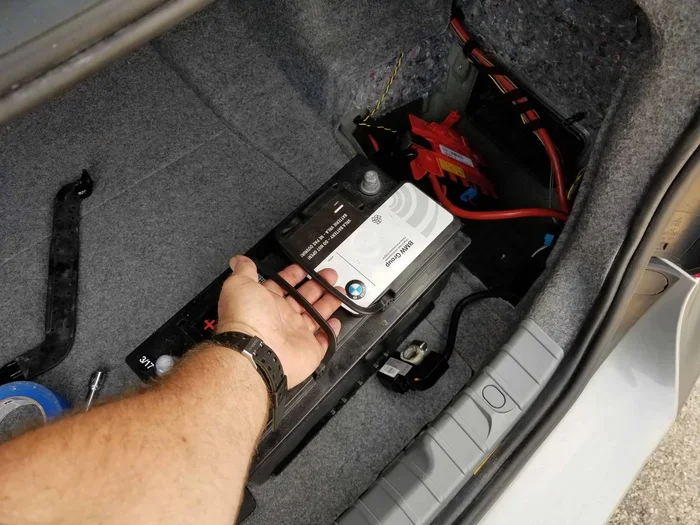
Yes, if you have basic mechanical skills and the right tools. You will need a socket wrench, the correct replacement battery, and possibly a BMW diagnostic tool to register the new battery. Always disconnect the negative terminal first and follow your owner’s manual steps.
Does cold weather kill BMW batteries faster?
Cold weather does not kill batteries directly, but it reduces their ability to hold a charge and deliver cranking power. Combined with the extra power needed to start an engine in cold temperatures, winter is the most common time for battery failure.
How long does it take to replace a BMW battery?
A professional replacement usually takes 30 to 60 minutes. If battery registration or programming is required, it may take a bit longer. Independent shops often complete the job faster and at a lower cost than dealerships.
What type of battery does a BMW use?
Most modern BMWs use AGM (Absorbent Glass Mat) batteries. These batteries handle the high electrical demands of luxury vehicles and offer better durability than traditional lead-acid batteries. Always match the group size and CCA rating to your specific BMW model.
Can a low battery key fob drain a BMW battery?
Yes, a weak key fob battery can cause your BMW to repeatedly search for the fob signal, creating a slow parasitic drain. Keeping your key fob battery fresh helps protect your main car battery from unnecessary discharge over time.
=== CONCLUSION ===
Understanding how long a BMW battery lasts empowers you to take control of your vehicle’s maintenance schedule. Most BMW batteries serve you well for 3 to 5 years, but factors like driving habits, climate, and electronic usage can shift that timeline. Watch for the warning signs, test your battery regularly, and replace it proactively rather than waiting for a failure.
A little attention goes a long way. A fresh, properly registered AGM battery keeps your BMW running at its best and saves you from the stress of an unexpected no-start situation. Apply the tips in this guide, and your BMW battery will reward you with reliable performance for years to come.