How to Reset the Service Steering Column Lock Easily
Resetting a service steering column lock is simpler than most drivers think. This guide walks you through the exact steps to release and reset your steering column lock without visiting a mechanic. You will learn the tools needed, the step-by-step process, and how to prevent future lock-ups.
Key Takeaways
- Know the Symptoms: Recognizing early signs of a steering column lock problem saves time and money.
- Gather the Right Tools: Having your tools ready before you start makes the reset process smooth and stress-free.
- Follow Each Step Carefully: Rushing through the reset can cause more harm than good. Patience is key.
- Prevent Future Issues: Simple habits like turning the wheel slightly before shutting off the engine can prevent lock-ups.
- Know When to Call a Pro: Some situations require professional help, and that is perfectly okay.
- Dashboard Clues Matter: Warning lights can point you toward the root cause of steering lock problems.
📑 Table of Contents
- How to Reset the Service Steering Column Lock Easily
- Understanding the Service Steering Column Lock
- Common Signs Your Steering Column Lock Needs Resetting
- Tools and Preparation You Will Need
- Step-by-Step Guide to Reset the Steering Column Lock
- Troubleshooting When the Reset Does Not Work
- Preventing Future Steering Column Lock Problems
- Key Takeaways
- Conclusion
How to Reset the Service Steering Column Lock Easily
Resetting the service steering column lock might feel intimidating, but it is one of the most manageable fixes you can do at home. A locked steering column can leave you stranded, frustrated, and unsure of what went wrong. The good news is that most lock issues stem from simple causes, and the reset process is straightforward once you know what to do.
Whether your steering wheel is stuck, your key will not turn in the ignition, or you are seeing warning lights on the dash, this guide covers everything you need. We will walk through the purpose of the lock, the signs that something is wrong, the tools you need, and a clear step-by-step reset process. By the end, you will feel confident tackling this repair yourself.
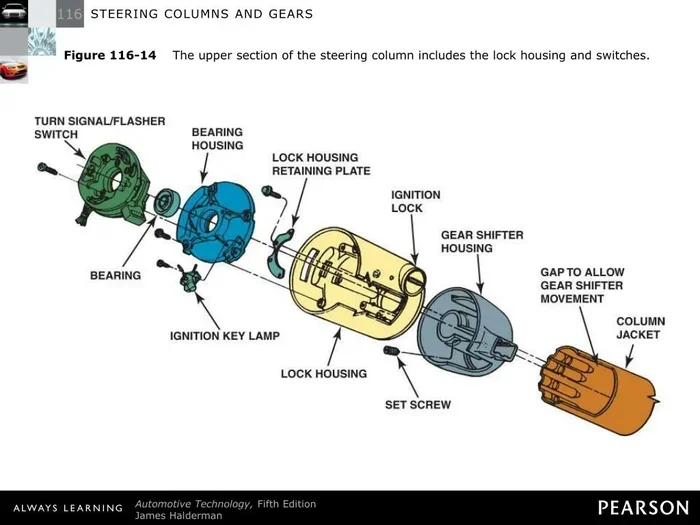
The steering column lock is an important safety feature found in nearly every modern vehicle. It prevents thieves from turning the steering wheel and hot-wiring the car. But like any mechanical part, it can wear out, jam, or fail to release properly. Understanding how it works is the first step toward fixing it.
During the manufacturing process, the lock mechanism is installed as part of the vehicle’s anti-theft system. Think about how long it takes for all of these safety features to be put in place, from the factory assembly line to the final inspection. The lock is built into the ignition switch assembly and engages automatically when you remove the key and turn the wheel slightly. Over time, dust, wear, or a weak key can cause the mechanism to stick or fail to release.
This article will give you everything you need to know. We will cover the common symptoms, the tools required, a detailed reset guide, troubleshooting tips, and prevention strategies. Let us get started.
Understanding the Service Steering Column Lock
What Does the Steering Column Lock Do?
The steering column lock is a security device built into your vehicle’s ignition system. Its main job is to prevent unauthorized movement of the steering wheel and ignition barrel. When you turn off the engine and remove the key, the lock engages automatically. This makes it nearly impossible for someone to steer the car without the proper key ignition.
The lock works through a small pin or bolt that slides into a notch on the steering column. When engaged, this pin physically blocks the column from rotating. It is a simple but effective anti-theft steering lock mechanism that has been standard in vehicles for decades.
Most drivers never think about this component until it causes a problem. The lock is designed to be durable, but it is not immune to wear and tear. Understanding its role helps you appreciate why proper steering column maintenance matters.
How the Lock Mechanism Works
When you insert and turn the key to the “on” or “start” position, a small pin inside the ignition lock cylinder retracts. This releases the steering column and allows it to move freely. Once you turn off the engine and remove the key, the pin extends again and locks the column in place.
The entire process happens through a series of small tumblers inside the cylinder. Each tumbler aligns with the cuts on your key. If the key is worn or damaged, the tumblers may not align properly, and the lock may not release. This is one of the most common reasons drivers experience a locked steering wheel.
The lock mechanism also connects to the vehicle’s vehicle security lock system. In newer models, the lock may be tied to the immobilizer system, which prevents the engine from starting without the correct key or key fob. This adds another layer of protection but also means that a faulty lock can trigger broader starting issues.
Common Signs Your Steering Column Lock Needs Resetting
Knowing the warning signs early can save you from a bigger headache later. A steering column lock that is starting to fail often gives clear signals before it completely locks up. Here are the most common symptoms to watch for.
- Key will not turn in the ignition: This is the most obvious sign. If your key feels stuck or refuses to turn, the lock cylinder may be jammed.
- Steering wheel will not move: A fully engaged lock keeps the wheel completely stiff. If you cannot turn the wheel at all, the lock is likely engaged.
- Ignition switch feels loose or wobbly: A worn ignition switch can make it hard to engage or release the lock properly.
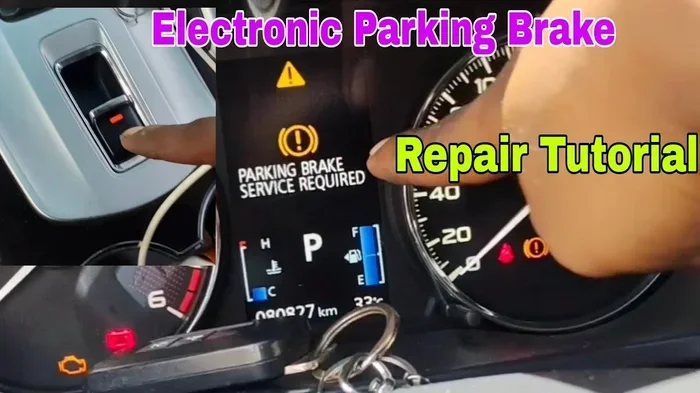
- Dashboard warning lights flicker: Some vehicles display a steering lock indicator on the dash. If you see this light, the lock may not be releasing correctly.
- Car will not start even with a good battery: A stuck lock can prevent the ignition from engaging, which mimics other no-start problems. If you are dealing with a situation where your car is not starting but the battery is fine, a faulty steering column lock could be the culprit.
- Clicking sound when turning the key: This often means the lock pin is partially engaged but not fully releasing.
If you notice any of these signs, it is worth addressing the issue right away. Ignoring a failing lock can lead to more serious steering column repair costs down the road.
Expert Insight
Many drivers mistake a locked steering column for a dead battery or a faulty starter motor. Before replacing expensive parts, always check the steering lock first. A simple reset often solves the problem without any parts replacement at all.
Tools and Preparation You Will Need
Before you begin the reset process, make sure you have everything ready. Having the right tools on hand saves time and prevents frustration. Here is what you will need.
- Your vehicle key: Always use the original key that came with the car. A spare key can work, but a worn duplicate may cause additional problems.
- Soft cloth or microfiber towel: You will use this to clean around the ignition cylinder and remove any debris.
- Penetrating lubricant (such as WD-40): This helps loosen a stuck lock mechanism without damaging the internal components.
- Flathead screwdriver (optional): Sometimes useful for gently releasing trim panels around the ignition area.
- Flashlight: Good lighting helps you see the ignition cylinder and any visible damage or debris.
- Owner’s manual: Your manual may have specific instructions or diagrams for your vehicle’s lock system.
Once you have your tools gathered, find a flat, well-lit workspace. Make sure the vehicle is parked on a level surface with the parking brake engaged. Safety first, always.
Quick Tips Before You Start
- Never force the key or the steering wheel. Applying too much pressure can break the key inside the cylinder or damage the lock mechanism.
- If the key feels stuck, do not wiggle it aggressively. A gentle, steady turn works better than jerking motions.
- Make sure the steering wheel is in the centered position before attempting the reset. Off-center wheels put extra tension on the lock pin.
Step-by-Step Guide to Reset the Steering Column Lock
Now that you understand the lock and have your tools ready, let us walk through the reset process. Follow each step carefully and do not rush. Taking your time ensures a smooth and successful reset.
Step 1: Turn Off the Engine and Remove the Key
Start by making sure the engine is completely off. Remove the key from the ignition and set it aside. Wait at least ten seconds before moving to the next step. This allows the lock mechanism to fully settle and reduces the chance of pinching your fingers during the reset.
Step 2: Gently Rock the Steering Wheel
While holding the key out of the ignition, gently rock the steering wheel back and forth. You are feeling for any movement or slack in the column. A locked wheel will feel completely stiff. If you can find even a small amount of give, note which direction the wheel moves more freely.
Quick Tip: Most steering column locks engage with the wheel turned slightly to the left or right. Try to identify which direction releases tension.
Step 3: Insert the Key and Apply Gentle Pressure
Insert the key into the ignition cylinder. Do not force it. If the key does not slide in smoothly, stop and check for debris or damage. Once the key is in, apply gentle, steady pressure in the “on” direction. You should feel the lock pin retract as the cylinder turns.
If the key feels stuck or will not turn, do not push harder. Skip to the troubleshooting section for solutions.
Step 4: Turn the Steering Wheel While Turning the Key
This is the key step in releasing the lock. While applying gentle pressure on the key, simultaneously turn the steering wheel in the direction that felt most free in Step 2. The combination of key turn and wheel movement should release the lock pin.
You will feel a distinct click or shift when the lock releases. The steering wheel should now move freely, and the ignition should turn to the “on” position.
Step 5: Reset the Lock by Turning the Key to “Off”
Once the lock is released, turn the key back to the “off” position and remove it. Gently turn the steering wheel a few times to confirm it moves freely. Then reinsert the key and turn it to the “on” position to verify the ignition works normally.
If everything feels smooth and the engine starts without issue, your reset was successful. The lock cylinder reset is complete.
Common Mistakes to Avoid
- Forcing the key: A stuck key needs gentle coaxing, not brute force. Forcing it can snap the key inside the cylinder, which creates a much bigger problem.
- Ignoring dashboard lights: If you see warning lights after the reset, do not ignore them. They may indicate an underlying issue that needs attention.
- Skipping the lubrication step: If the lock feels stiff, applying a small amount of penetrating lubricant before the reset can make a big difference.
Troubleshooting When the Reset Does Not Work
Sometimes the reset process does not go as planned. If the steering column lock will not release after following all the steps, do not panic. There are several reasons this can happen, and most have straightforward solutions.
Why the Lock Might Not Release
The most common reason a lock will not release is a worn or damaged key. Over time, the cuts on your key wear down and no longer align properly with the tumblers inside the cylinder. Another possibility is debris or corrosion inside the lock mechanism. Dirt, dust, and moisture can build up over time and cause the pin to stick.
In some cases, the lock cylinder itself may be faulty. Internal components can break or wear out, preventing the pin from retracting properly. This is more common in older vehicles or those with high mileage.
Sometimes what looks like a lock problem is actually a different issue entirely. For example, if you are seeing warning lights on your dashboard, they could be related to other systems. Make sure you are not confusing the steering lock indicator with alerts like when low engine oil shows on the dashboard. Different warning lights can look similar, especially on older dashboards with limited display space.
What to Do If the Key Is Stuck
If your key is stuck in the ignition, try these steps before calling a locksmith:
- Do not pull the key forcefully. This can break it inside the cylinder.
- Apply a small amount of penetrating lubricant around the key shaft.
- Gently wiggle the key side to side while applying steady upward pressure.
- Try turning the steering wheel slightly in each direction while pulling the key.
- If the key still will not budge, it is time to visit a professional.
A locksmith or dealership can extract a broken key and replace the lock cylinder if needed. This is a common repair and usually does not require a full steering column repair.
When to Call a Professional
There are times when a professional is the right call. If you have tried the reset process multiple times without success, or if you notice physical damage to the ignition cylinder, seek expert help. Attempting to disassemble the lock cylinder yourself can cause more damage and lead to expensive repairs.
Also, if your vehicle has a push-button start or keyless ignition system, the lock mechanism works differently. These systems use electronic lock cylinder troubleshooting methods that are best handled by a trained technician.
Preventing Future Steering Column Lock Problems
The best way to deal with a steering column lock issue is to prevent one from happening in the first place. Simple maintenance habits can keep your lock mechanism working smoothly for years. Here are the best prevention strategies.
- Turn the steering wheel slightly before shutting off the engine: This takes pressure off the lock pin and makes it easier to release the next time you start the car.
- Use the correct key: Always use the original key or a properly cut duplicate. Worn keys put extra strain on the lock cylinder.
- Keep the ignition area clean: Periodically clean around the keyhole with a soft cloth. Debris can work its way into the cylinder and cause sticking.
- Apply lubricant annually: A small spray of penetrating lubricant in the ignition cylinder once a year keeps the mechanism running smoothly.
- Do not force the key: If the key feels stiff, stop and investigate. Forcing it is the fastest way to cause damage.
- Address warning signs early: If you notice any stiffness or clicking sounds, address them before they become full lock failures.
These simple habits take only a few minutes but can save you from the frustration of a locked steering column. Think of them as part of your regular steering column maintenance routine, just like checking your tire pressure or changing your engine oil.
It is also worth noting that the steering lock system is just one part of your vehicle’s overall security. The way these systems are designed and installed during production is a carefully planned process. It is similar to how every vehicle goes through a detailed assembly journey from raw parts to a finished product on the lot. Taking a moment to understand this can help you appreciate why these systems are so important and why proper care matters.
Key Takeaways
- Know the Symptoms: Recognizing early signs of a steering column lock problem saves time and money.
- Gather the Right Tools: Having your tools ready before you start makes the reset process smooth and stress-free.
- Follow Each Step Carefully: Rushing through the reset can cause more harm than good. Patience is key.
- Prevent Future Issues: Simple habits like turning the wheel slightly before shutting off the engine can prevent lock-ups.
- Know When to Call a Pro: Some situations require professional help, and that is perfectly okay.
- Dashboard Clues Matter: Warning lights can point you toward the root cause of steering lock problems.
Conclusion
Resetting the service steering column lock is a task most drivers can handle with basic tools and a little patience. The process is straightforward once you understand how the lock mechanism works and what signs to look for. From recognizing the symptoms of a failing lock to following the step-by-step reset guide, you now have everything you need to tackle this common issue.
Remember to take your time, use the right tools, and never force the key or steering wheel. Prevention is your best friend, so make those simple habits part of your regular driving routine. If the reset does not work or you notice signs of a more serious problem, do not hesitate to call a professional.
A properly functioning steering column lock keeps your vehicle secure and your steering responsive. With the knowledge from this guide, you can handle lock issues confidently and keep your car running smoothly. Stay proactive, stay safe, and enjoy the peace of mind that comes with knowing your vehicle is in good hands.
Frequently Asked Questions
What causes a steering column lock to engage unexpectedly?
A steering column lock can engage unexpectedly due to a worn key, debris inside the ignition cylinder, or a faulty lock mechanism. Temperature changes and moisture can also cause the pin to stick, making it harder to release the lock when you try to start the car.
Can a dead key fob cause the steering column lock to stick?
In vehicles with push-button start systems, a weak or dead key fob can prevent the ignition from recognizing the key, which may feel similar to a locked steering column. Always check your fob battery before assuming the lock mechanism itself is the problem.
Is it safe to drive with a steering column lock that is not fully releasing?
No, it is not safe. A partially engaged lock can restrict steering movement, which is dangerous especially at higher speeds or in emergency situations. Have the issue diagnosed and repaired as soon as possible to ensure safe driving.
How much does it cost to repair a steering column lock?
The cost varies depending on your vehicle and the extent of the damage. A simple lock cylinder replacement typically costs between 200 and 400 dollars. More extensive steering column repair work can cost more, especially if the ignition switch or electronic components are involved.
Can I use any lubricant on the steering column lock?
Use only a penetrating lubricant designed for locks and ignition cylinders. Avoid thick greases or household oils, as these can attract dust and debris, making the problem worse over time. WD-40 or a dedicated lock lubricant works well for most vehicles.
How often should I have my steering column lock inspected?
There is no set schedule for inspection, but it is a good idea to have the ignition and lock cylinder checked during routine maintenance visits. If you notice any stiffness, clicking sounds, or difficulty turning the key, have it inspected right away to prevent a complete lock failure.