What Is VLT Visible Light Transmission and Why It Matters
VLT stands for Visible Light Transmission, and it measures how much light passes through your car windows or window tint. Understanding your VLT percentage helps you stay legal, drive safely, and keep your vehicle comfortable. Whether you are tinting your windows or checking your car’s maintenance, knowing your VLT is essential.
Key Takeaways
- VLT measures the percentage of visible light that passes through a material, like car glass or window tint.
- Lower VLT percentages mean darker tints that block more light and heat.
- Each state has its own VLT laws that dictate how dark your windows can be.
- Choosing the right VLT improves driving safety, comfort, and UV protection.
- Common mistakes include picking the wrong VLT for your climate or ignoring local laws.
- VLT matters for more than just aesthetics, it affects resale value and legal compliance.
📑 Table of Contents
- What Is VLT Visible Light Transmission and Why Should You Care?
- How VLT Is Measured and What the Numbers Mean
- Why VLT Matters for Your Vehicle
- VLT Laws and Regulations by State
- Choosing the Right VLT for Your Car
- Common VLT Mistakes and How to Avoid Them
- Expert Tips for Getting the Most Out of Your Window Tint
- Conclusion
What Is VLT Visible Light Transmission and Why Should You Care?
If you have ever walked into a car dealership and heard the salesperson talk about VLT, you probably wondered what on earth they were referring to. VLT stands for Visible Light Transmission, and it is one of the most important numbers to understand when it comes to car windows, window tinting, and even sunglasses. Simply put, VLT tells you what percentage of visible light passes through a piece of glass or film.
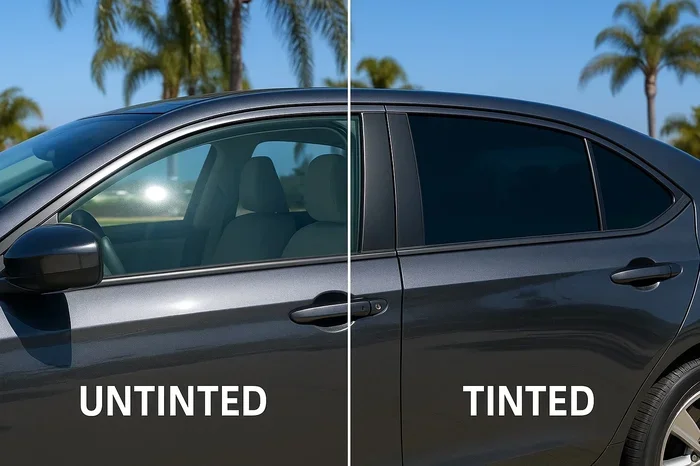
Here is a quick example. If a window has a VLT of 70 percent, that means 70 percent of the light gets through, and 30 percent gets blocked. The higher the number, the more light passes through. The lower the number, the darker the tint. It sounds simple enough, right? But there is a lot more to VLT Visible Light Transmission than just numbers on a sticker.
Knowing your VLT matters for several reasons. First, it affects your safety on the road. Second, it determines whether you are breaking the law in your state. Third, it impacts how comfortable your car feels on a hot summer day. Whether you are thinking about tinting your windows or just curious about what that percentage means, this guide has you covered.
We will break down everything you need to know about VLT, from the basics to the legal side, and give you practical tips you can use right away. Let us get into it.
How VLT Is Measured and What the Numbers Mean
Understanding VLT Percentages
VLT is expressed as a percentage, and that percentage tells you exactly how much visible light a material allows to pass through. A window with no tint at all typically has a VLT around 80 to 90 percent. That means almost all light gets through. A heavily tinted window might have a VLT of 5 percent, which means only 5 percent of light passes through, and the rest is blocked.
Here is a simple breakdown of common VLT levels:
- 90-100% VLT: Very light tint or no tint at all. Maximum visibility.
- 70-85% VLT: Light tint. Common for factory-installed window films.
- 50-65% VLT: Medium tint. Good balance of comfort and visibility.
- 35-50% VLT: Dark tint. Popular for privacy and heat rejection.
- 20-35% VLT: Very dark tint. Often used on rear passenger windows.
- 5-20% VLT: Limo tint. Maximum darkness and privacy.
The light transmission rate is measured using a specialized device called a tint meter. These tools are used by law enforcement and tint shops to verify compliance with local regulations. If you are ever pulled over for a window tint violation, the officer will use one of these meters to check your VLT percentage.
VLT vs. Other Light Measurements
It is easy to confuse VLT with other light-related terms. For example, some people talk about UV rejection or solar heat rejection. These are different measurements. UV rejection measures how much ultraviolet radiation is blocked, while solar heat rejection measures how much heat is reduced. VLT only measures visible light, not heat or UV rays. A window tint can have great UV rejection but still let a lot of visible light through.
When shopping for window film, always ask about VLT, UV rejection, and heat rejection separately. This gives you a complete picture of what the tint will do for your car.
Why VLT Matters for Your Vehicle
Driving Safety and Visibility
The most important reason to care about VLT is safety. When you tint your windows too dark, you reduce the amount of light that enters your car. This can make it harder to see at night, in tunnels, or during bad weather. If visibility drops too much, your risk of an accident goes up.
Think about it this way. If you are driving on a dimly lit road and your windows are super dark, you are basically driving with sunglasses on at night. That is not a good idea. This is why many states have strict rules about how dark the front windshield and front side windows can be.
If you ever notice your car has a warning light on, like a maintenance required light, it is important to address it promptly. You can learn more about whether it is safe to keep driving in our article Can I Drive With Maintenance Required Light On Toyota. Just like ignoring a warning light can lead to bigger problems, ignoring VLT laws can lead to costly tickets.
UV Protection and Comfort
Another big reason people tint their windows is for UV protection. Ultraviolet rays from the sun can damage your skin and fade your car’s interior. A good window film blocks a high percentage of UV rays, even if it has a high VLT. This means you can stay protected without making your car too dark.
Comfort matters too. On a hot summer day, a car with proper window tint stays significantly cooler than one without. The window film blocks solar energy, which reduces the need to blast your air conditioning. This can even improve your fuel economy over time.
Many people also tint their cars for privacy. Whether you are parking in a busy lot or just do not like strangers looking into your vehicle, a darker tint gives you more seclusion. Just make sure you stay within the legal VLT limits for your area.
VLT Laws and Regulations by State
Front Windshield vs. Side Windows
Every state in the U.S. has its own tint laws, and they can vary quite a bit. In general, the front windshield has the strictest rules. Most states allow a small strip of tint at the top of the windshield, but the rest must remain clear with a high VLT. Front side windows usually need to stay above a certain percentage, often around 70 percent.
Rear windows and back windshield tend to have more relaxed rules. Many states allow much darker tints on the back seats. However, if your rear windows are tinted very dark, you may be required to have dual side mirrors to ensure you can still see behind you.
It is important to research your specific state’s laws before getting your windows tinted. What is legal in one state might get you a ticket in another. If you are unsure about your car’s overall maintenance and safety, checking whether you can ignore certain warning lights might be helpful. Check out our guide on Can I Ignore Maintenance Required Light for more tips on keeping your car in good shape.
Common VLT Regulations You Should Know
While laws vary, here are some general patterns you will see across many states:
- Front windshield: Usually must have a VLT above 70 percent, with a small non-reflective tint strip allowed at the top.
- Front side windows: Often required to stay above 50 to 70 percent VLT.
- Rear side windows: Can sometimes go as low as 20 to 35 percent VLT.
- Rear windshield: Often allowed to be darker, but dual mirrors may be required.
- Reflective tint: Many states limit or prohibit reflective or mirrored finishes on any window.
Violating these laws can result in fines, citations, or even being required to remove your tint. It is not worth the risk. Always work with a reputable tint shop that knows the local regulations.
Choosing the Right VLT for Your Car
Comparing Common VLT Levels
Choosing the right VLT for your car depends on several factors. Your climate, your driving habits, and your personal preferences all play a role. Here is a quick comparison to help you decide.
| VLT Level | Light Blockage | Best For | Visibility |
|---|---|---|---|
| 70-85% | Low | Subtle tint, UV protection | Excellent |
| 50-65% | Moderate | Daily driving, comfort | Very Good |
| 35-50% | High | Heat reduction, privacy | Good |
| 20-35% | Very High | Maximum privacy, style | Moderate |
| 5-20% | Extreme | Limo look, full privacy | Poor |
For most daily drivers, a VLT between 50 and 65 percent hits the sweet spot. You get good heat rejection and privacy without sacrificing too much visibility. If you live in a very hot climate, you might lean toward a darker tint. If you do a lot of night driving, a lighter tint is the safer choice.
If you are dealing with car issues beyond just tinting, knowing when to seek professional help is important. For instance, if your check engine light is on, you might wonder whether a place like AutoZone can help diagnose the problem. Our article Can Autozone Check Engine Light covers that topic in detail and can save you time and money.
Climate Considerations
Where you live plays a big role in choosing your VLT percentage. If you live in a desert climate with intense sun, a darker tint with lower VLT will keep your car cooler and protect your interior from fading. If you live in a cooler or rainy climate, you might prefer a lighter tint that lets in more natural light.
Keep in mind that some window films are designed to reject heat without darkening the glass very much. These films use advanced technology to block infrared and UV rays while maintaining a high VLT. They are a great option if you want the benefits of tinting without making your car too dark.
Tint Type and Material
Not all window tint is created equal. There are several types of car window tint available on the market:
- Dyed Film: Affordable and basic. Blocks some heat but can fade over time.
- Metalized Film: Contains tiny metallic particles. Offers better heat rejection and durability.
- Carbon Film: No fading, excellent heat rejection, and a matte finish.
- Ceramic Film: The premium option. Blocks the most heat and UV rays without interfering with electronics.
Each type has its own VLT options. When you get a quote from a tint shop, ask about the VLT, the type of film, and the warranty. A good installer will walk you through all the options and help you pick the right VLT for your needs.
Common VLT Mistakes and How to Avoid Them
Ignoring Local Tint Laws
The most common mistake people make is picking a tint based on how it looks without checking the law. A super dark tint might look sleek, but if it is illegal in your state, you will end up paying fines and potentially having to remove it. Always verify your state’s VLT regulations before getting your windows tinted.
Choosing VLT Based on Style Alone
It is tempting to pick the darkest tint available because it looks cool. But style should not be your only consideration. Think about safety, comfort, and practicality. A tint that is too dark can make night driving dangerous. A tint that is too light might not give you the heat rejection or privacy you want.
Skipping Professional Installation
DIY tint kits are tempting because they are cheap. But professional installation ensures the tint is applied evenly, bubbles are avoided, and the VLT is accurate. A poorly installed tint can peel, bubble, or scratch, and it will need to be replaced sooner or later.
Forgetting About Windshield Tint Rules
Many people focus on the side windows and forget about the windshield. In most states, tinting the front windshield is heavily restricted or outright illegal. Even where a small strip is allowed, it must be within specific limits. Always check the rules for your windshield before assuming any tint is acceptable.
Expert Tips for Getting the Most Out of Your Window Tint
Want to make sure your investment lasts? Here are some quick tips from the pros:
- Wait at least 3 to 7 days before rolling down your windows after installation. This lets the film cure properly.
- Clean your windows with a soft cloth and non-ammonia cleaner. Ammonia can degrade the tint over time.
- Avoid using sharp objects near your tinted windows. Scratches can ruin the appearance and reduce visibility.
- Check your warranty regularly. A good tint warranty covers peeling, bubbling, and fading.
- Have your VLT checked annually if you are unsure about compliance. Tint can fade or change over time.
Taking care of your window tint is just like taking care of any other part of your car. Regular attention keeps everything looking great and functioning properly. If you are curious about other car maintenance topics, our article on Does It Really Matter What Oil I Put In My Car offers great insights on how small choices affect your vehicle’s performance.
Conclusion
VLT Visible Light Transmission is a simple concept with big implications for your car. Whether you are tinting your windows, replacing your glass, or just trying to understand what that percentage means, knowing your VLT helps you make smarter decisions. It keeps you safe, keeps you legal, and keeps your car comfortable.
The key is to understand your options, know your local laws, and choose a tint level that fits your lifestyle. Do not just go with the darkest option because it looks the coolest. Think about visibility, safety, and long-term value. A well-chosen VLT makes a real difference in your daily driving experience.
Take the time to research, ask questions, and work with a trusted professional. Your car, your wallet, and your safety will all thank you. And remember, maintaining your vehicle goes far beyond window tint. Stay on top of all your car’s needs, from warning lights to fluid changes, and you will enjoy a smoother ride for years to come.
Frequently Asked Questions
What does VLT stand for?
VLT stands for Visible Light Transmission. It is a percentage that measures how much visible light passes through a material, such as car glass or window tint film. A higher VLT means more light gets through, while a lower VLT means the material is darker and blocks more light.
Why is VLT important for car windows?
VLT is important because it affects your visibility, safety, and legal compliance. Tinting your windows too dark can reduce your ability to see in low-light conditions, which increases the risk of accidents. It also determines whether your tint meets your state’s legal requirements. Choosing the right VLT balances comfort, privacy, and safety.
Can I tint my front windshield?
In most states, tinting the front windshield is either illegal or heavily restricted. Some states allow a small non-reflective tint strip at the top of the windshield, usually above the manufacturer’s AS-1 line. Before applying any tint to your windshield, check your local regulations to avoid fines or citations.
What VLT is legal in my state?
VLT laws vary by state and even by window type. Front side windows often need to stay above 50 to 70 percent VLT, while rear windows can sometimes go much darker. The front windshield usually must remain mostly clear. Always check your specific state’s Department of Motor Vehicles or transportation authority for the most up-to-date rules.
Does a higher VLT mean better UV protection?
Not necessarily. VLT only measures visible light, not UV rays. A window tint with a high VLT can still block a significant amount of UV radiation if the film is designed for UV protection. When choosing a tint, ask about both VLT and UV rejection to get the full picture of what the film offers.
How do I know if my current tint is legal?
The easiest way is to have a tint shop or law enforcement use a tint meter to measure your VLT. These devices are quick and accurate. If your tint is too dark for your state’s laws, you may receive a citation and be required to remove or replace it. When in doubt, get it checked before you get pulled over.
=== CONCLUSION ===
Understanding VLT Visible Light Transmission is one of the simplest yet most valuable things you can do as a car owner. From choosing the right window tint to staying legal on the road, VLT touches every aspect of your vehicle’s windows and glass. Take what you have learned here, apply it to your car, and enjoy a safer, more comfortable driving experience. Your car will thank you for it.