How Much MPG Do You Lose With a Roof Rack On Your Car
Adding a roof rack to your car can reduce fuel economy by anywhere from 2% to 25%, depending on the type, load, and speed. The main culprit is aerodynamic drag, which forces your engine to work harder and burn more gas. Understanding how much MPG you lose with a roof rack helps you make smarter choices about when to use it and when to leave it off.
You just installed a shiny new roof rack on your car. Maybe you bought it for a camping trip, a ski weekend, or to haul extra gear. Everything looks great, until you notice something at the gas pump. Your fuel costs went up. Your MPG dropped. And you wonder, “How much MPG do you lose with a roof rack?”
The short answer might surprise you. Even an empty roof rack can steal miles per gallon from your car. Add cargo, a roof box, or bikes, and the loss grows fast. Let us break down exactly what happens to your fuel economy when you bolt something to the top of your vehicle.
Understanding roof rack fuel economy loss is not just about numbers on a dashboard. It is about making smart choices that save you money and reduce waste. Whether you drive a sedan, a truck, or a hybrid SUV, this guide covers everything you need to know about the real cost of carrying stuff on your roof.
Key Takeaways
- Roof racks reduce MPG: Even an empty roof rack creates drag that lowers fuel efficiency by 2% to 10%.
- Loaded racks hit harder: Adding cargo or a roof box can drop MPG by 15% to 25% at highway speeds.
- Speed matters a lot: The faster you drive, the more drag the roof rack creates, worsening MPG loss.
- Removable racks help: Taking off your roof rack when not in use is the single best way to save fuel.
- Aerodynamic designs are better: Streamlined roof racks and boxes reduce drag compared to traditional square profiles.
- Hybrid owners should be careful: Roof racks on hybrid cars can reduce the fuel-saving benefits of the hybrid system.
- Small changes add up: Removing unused racks and choosing the right accessories can save hundreds of dollars at the pump each year.
📑 Table of Contents
- What Is a Roof Rack and Why Do People Use Them
- How a Roof Rack Affects Your Car’s Fuel Economy
- How Much MPG Do You Actually Lose With a Roof Rack
- Factors That Determine MPG Loss From a Roof Rack
- Tips to Minimize MPG Loss When Using a Roof Rack
- How to Know if Your Roof Rack Is Hurting Your MPG
- Should You Use a Roof Rack If Fuel Economy Matters to You
- The Long-Term Cost of Roof Rack MPG Loss
- Conclusion
What Is a Roof Rack and Why Do People Use Them
A roof rack is a set of bars, frames, or carriers mounted on the roof of a car. People use them for all kinds of reasons. You might need to carry luggage that does not fit inside the vehicle. Maybe you haul kayaks, bikes, skis, or cargo boxes for road trips. Some drivers use roof racks for work equipment like ladders or lumber.
Roof racks come in many shapes and sizes. You have crossbars that sit on roof rails. You have flush-mounted systems that sit flush with the roofline. There are also freestanding racks that clamp onto the door frames. Each type has different effects on aerodynamic drag and fuel efficiency.
Most modern cars come with pre-installed roof rails or tracks. Others need aftermarket racks that bolt into place. Either way, adding anything to the top of your car changes how air flows over the vehicle. And that change matters more than most people realize.
How a Roof Rack Affects Your Car’s Fuel Economy
The Science Behind Drag and MPG Loss
Here is the simple physics. Your car is designed to cut through the air as smoothly as possible. Engineers spend countless hours shaping the body to reduce wind resistance. When you add a roof rack, you create a big block of metal and plastic sitting on top of that smooth shape.
Air has to move around the rack and whatever is sitting on it. This creates drag, which is the force that pushes your car backward as it moves forward. Your engine has to burn more fuel to overcome that drag. The result? Fewer miles per gallon.
At low speeds in city traffic, the effect is small. But at highway speeds above 55 mph, drag increases dramatically. In fact, aerodynamic drag grows with the square of speed. That means driving at 75 mph creates way more drag than driving at 55 mph. A roof rack makes this problem even worse.
Empty Rack vs. Loaded Rack: What’s the Difference
Many drivers assume an empty roof rack does not hurt fuel economy much. And technically, the loss is smaller than a loaded one. But it is not zero. An empty rack still disrupts airflow over the roof. Studies show that even a bare rack can reduce fuel efficiency by 2% to 10%, depending on the design.
When you add cargo, the numbers jump. A roof box packed with luggage can slash miles per gallon by 15% to 25%. Cargo bags and soft sacks cause less drag than hard boxes, but they still hurt. Bikes and kayaks create even more wind resistance because of their shape and size.
If you are wondering whether how long you can drive with a full tank changes when you have a roof rack, the answer is yes. The range shrinks because you are burning fuel faster. That extra stop at the gas station adds up over time.
How Much MPG Do You Actually Lose With a Roof Rack
Real-World Numbers from Testing
Let us get into the numbers. Several independent tests and studies have measured the exact impact of roof racks on fuel economy. Here is what the data shows:
- Empty roof rack: 2% to 10% MPG loss depending on the vehicle and rack design.
- Roof box (empty): 10% to 15% MPG loss at highway speeds.
- Roof box (loaded): 15% to 25% MPG loss depending on weight and size.
- Soft cargo bag: 5% to 12% MPG loss, less than a hard box.
- Bikes or skis on rack: 8% to 15% MPG loss due to irregular shapes.
These numbers vary based on your vehicle shape, the rack type, and driving conditions. A sleek sedan with a flush-mounted rack will lose less than a boxy SUV with a traditional bar setup. But the principle stays the same: anything on the roof costs you fuel.
How Speed Amplifies the MPG Loss
Speed is the biggest multiplier for roof rack fuel loss. At 45 mph in city traffic, the drag from a roof rack is minimal. But push up to 70 mph on the highway, and the drag triples or more.
Here is a quick breakdown of how speed affects MPG loss with a typical roof rack:
- Under 40 mph: Negligible impact, less than 2% loss.
- 45 to 55 mph: Noticeable loss of about 5% to 8%.
- 60 to 70 mph: Significant loss of 10% to 18%.
- Over 75 mph: Severe loss of 15% to 25% or more.
This is why road trips with a loaded roof rack hit the hardest at the pump. If you are planning a long drive, consider whether you can ship your gear ahead or pack it inside the vehicle instead.
Does Vehicle Type Matter
Absolutely. The shape of your vehicle plays a huge role in how much MPG you lose. Cars with a lower, sleeker profile experience less drag from a roof rack. Taller vehicles like SUVs and trucks already have a boxy shape, so adding a rack increases the overall drag coefficient more noticeably.
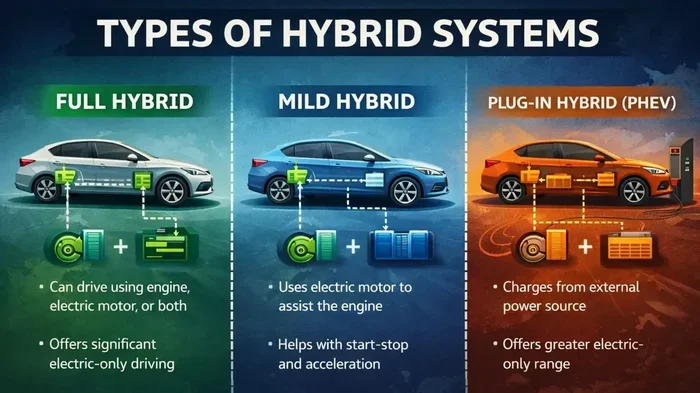
Hybrid vehicles are another important consideration. These cars are designed for maximum fuel efficiency, and the hybrid battery system works best when the car faces minimal resistance. Adding a roof rack to a hybrid can undercut the very benefits that make hybrid ownership worthwhile. If you want to learn more about how hybrid systems handle different conditions, check out our guide on can you drive a hybrid without the hybrid battery for deeper insights into hybrid performance.
Factors That Determine MPG Loss From a Roof Rack
Rack Design and Aerodynamics
Not all roof racks are created equal. A traditional square-bar rack creates a lot of turbulence. Modern aerodynamic racks have curved, streamlined profiles that cut through the air more smoothly. The difference can be 3% to 5% better fuel economy with an aerodynamic design versus a standard one.
Some racks are designed to be removable. You install them only when you need them and take them off the rest of the time. This is one of the best ways to reduce roof rack fuel economy loss over the long term.
Weight of the Load
Weight plays a secondary role compared to drag, but it still matters. A heavy load on the roof raises the center of gravity and forces the engine to work harder. A light cargo bag causes mostly drag-related losses. A heavy roof box causes both drag and weight-related losses.
For the best fuel economy, keep your roof load as light as possible and pack items inside the vehicle whenever you can.
Weather and Driving Conditions
Weather conditions also affect how much MPG you lose. Headwinds increase drag, making the roof rack work harder. Crosswinds create turbulence that reduces efficiency. Even temperature plays a role, since cold air is denser and creates more resistance.
Hot weather can also affect your car in other ways, like increasing cabin heat and AC usage. If you want to understand how external conditions impact your vehicle, learn about how hot a car can get in the sun and how that affects overall performance.
Tips to Minimize MPG Loss When Using a Roof Rack
The good news is that you can reduce the fuel penalty from a roof rack. Here are practical tips that actually work:
- Remove the rack when not in use. This is the single most effective step. An empty rack still costs you fuel. Take it off after your trip and store it in the garage.
- Choose aerodynamic racks and boxes. Look for streamlined designs that match your car’s roofline. They cost a bit more but pay for themselves in fuel savings.
- Pack tightly and low. A compact, well-packed load creates less drag than loose, bulky items. Use soft cargo bags instead of hard boxes when possible.
- Drive at moderate speeds. Keeping your speed under 65 mph on the highway significantly reduces the drag penalty from any roof-mounted gear.
- Check tire pressure regularly. Properly inflated tires reduce rolling resistance, which partially offsets the drag from a roof rack.
- Remove bikes and accessories after use. Bike racks, ski racks, and cargo baskets all add drag. Take them off the moment you reach your destination.
These small steps add up. Over a year of regular driving, the fuel savings from following these tips can easily cover the cost of a good-quality removable rack.
How to Know if Your Roof Rack Is Hurting Your MPG
Wondering whether your roof rack is actually affecting your fuel economy? The easiest way to find out is to track your MPG before and after installing the rack. Fill up the tank, reset your trip meter, and drive normally. Then compare the numbers.
Most modern cars have a trip computer that shows real-time and average MPG. Watch the number drop when you add the roof rack, especially on highway drives. You can also use a fuel log app to track your costs over time.
If you are unsure about your vehicle’s overall fuel system health, it is always a good idea to check other components too. For example, if you are dealing with fuel cap issues, read our article on how to uncap gas to make sure you are not losing fuel from other sources.
Should You Use a Roof Rack If Fuel Economy Matters to You
This is the big question. If you are hypermiling or trying to maximize every mile, a roof rack is probably not worth it for daily driving. The fuel penalty is real and adds up over months and years.
But if you only use a roof rack a few times a year for vacations or special trips, the impact is minimal. Install it for the trip, remove it afterward, and you keep most of your fuel economy intact.
The middle ground is to invest in a high-quality aerodynamic rack that you can easily install and remove. This gives you the versatility of carrying extra gear without sacrificing fuel economy every single day.
Also consider whether you can fit your gear inside the car. Many drivers overestimate how much space they need. A compact roof box or even a well-organized trunk can handle a surprising amount of luggage. If you are curious about cargo space, see our guide on can you fit four suitcases in a Toyota Camry for a real-world example of maximizing interior space.
The Long-Term Cost of Roof Rack MPG Loss
Let us talk money. Say your car gets 30 MPG without a roof rack. With a loaded roof box, you might drop to 23 MPG. If you drive 15,000 miles per year and gas costs $3.50 per gallon, here is the math:
- Without roof rack: 15,000 / 30 = 500 gallons per year
- With roof rack: 15,000 / 23 = 652 gallons per year
- Extra fuel cost: 152 gallons x $3.50 = about $532 per year
That is over $500 a year in extra fuel costs for using a roof rack regularly. Over five years, that is more than $2,500. And that is just one vehicle. The numbers get even bigger for trucks and SUVs that already have lower base MPG.
So the next time you think about leaving that roof rack on all the time, do the math. The convenience might not be worth the hidden cost.
Conclusion
So how much MPG do you lose with a roof rack? The honest answer is it depends, but the loss is real and can be significant. An empty rack costs you 2% to 10%. A loaded roof box can steal 15% to 25% of your fuel economy. The good news is that you have control over how much you lose.
Remove your rack when you are not using it. Choose aerodynamic designs. Drive at moderate speeds. Pack smart. These simple steps can save you hundreds of dollars every year and keep your car running efficiently.
Roof rack MPG loss is not something to ignore, especially if you drive a lot or own a hybrid vehicle. Every bit of fuel you save adds up, and making informed choices about your accessories is one of the easiest ways to improve your overall fuel economy. Start today, and your wallet will thank you at the next fill-up.
And if you are curious about how far you can stretch a single tank with your current setup, our article on how long you can drive with a full tank has the details you need to plan your trips more efficiently.
Frequently Asked Questions
Does an empty roof rack still reduce MPG?
Yes, even an empty roof rack creates aerodynamic drag that reduces fuel economy by about 2% to 10%. The loss is smaller than a loaded rack, but it is not zero. Removing the rack when you are not using it is the best way to avoid this penalty.
How much does a roof box reduce fuel economy?
A roof box can reduce MPG by 10% to 25%, depending on its size, weight, and how full it is. Empty boxes still create significant drag. Loaded boxes add both drag and weight, which compounds the fuel economy loss.
Is it better to put gear inside the car or on the roof?
Putting gear inside the car is almost always better for fuel economy. Interior cargo does not create aerodynamic drag. If you must use the roof, pack as much as possible inside and use the roof rack only for items that will not fit inside.
Do aerodynamic roof racks really make a difference?
Yes, aerodynamic roof racks can reduce MPG loss by 3% to 5% compared to traditional square-bar designs. The curved, streamlined profiles cut through the air more smoothly and create less turbulence.
Does driving speed affect how much MPG I lose with a roof rack?
Absolutely. The faster you drive, the more drag the roof rack creates. At speeds over 70 mph, the fuel penalty is at its worst. Keeping your speed under 65 mph significantly reduces the MPG loss from any roof-mounted gear.
Should hybrid car owners avoid roof racks?
Hybrid owners should be especially careful with roof racks because they reduce the fuel-saving benefits of the hybrid system. If you must use a roof rack, remove it immediately after your trip and consider aerodynamic options to minimize the impact on your hybrid fuel economy.