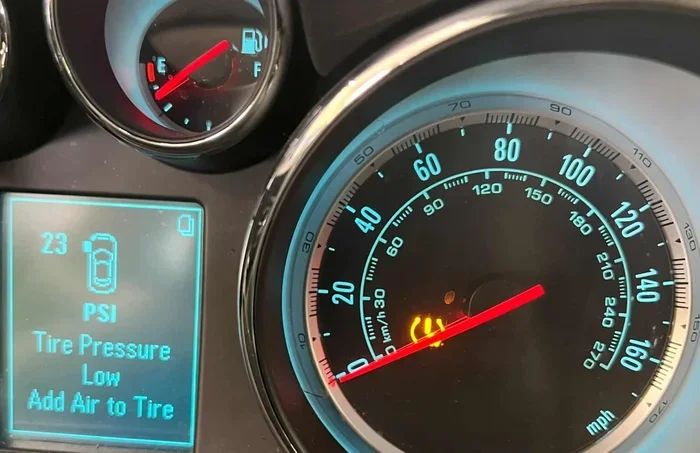
How to Fix Low Tire Pressure and Get Back on the Road
Low tire pressure is one of the most common car problems drivers face. This guide walks you through everything you need to know about fixing low tire pressure, from identifying the cause to inflating your tires correctly and resetting your TPMS. You will learn how to check tire pressure, what tools to use, and when to seek professional help.
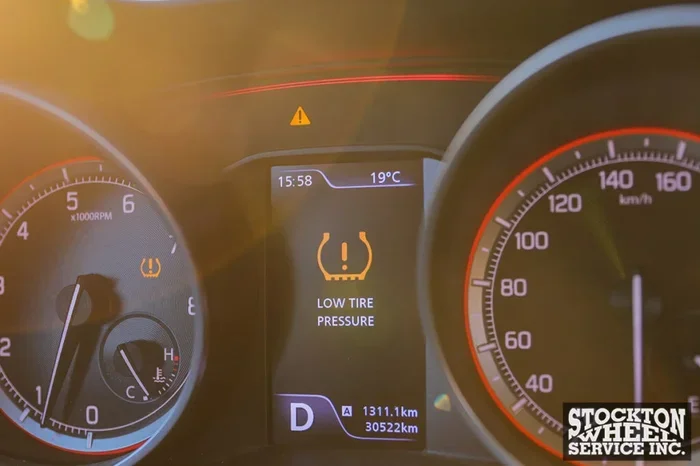
Driving on tires with low pressure is more dangerous than most people realize. It reduces your grip on the road, drops your fuel economy, and wears your tires out faster than they should. If you have ever seen that little yellow warning light flicker on your dashboard, you know the panic that comes with it.
The good news is that fixing low tire pressure is something almost anyone can do at home. You do not need a mechanic, and you do not need expensive tools. In this guide, we will walk you through every step of the process. You will learn how to check your pressure, find the cause of the leak, inflate your tires the right way, and keep them at the proper level going forward.
Whether you are dealing with a slow leak from a nail in the tread or a sudden drop after a cold night, this article has you covered. We will also cover when it is smart to visit a professional and how to avoid low tire pressure problems in the future. Let us get you back on the road safely.
Key Takeaways
- Check your tire pressure regularly: Proper inflation improves safety, fuel economy, and tire life.
- Use a reliable tire pressure gauge: Digital or analog gauges give you accurate readings every time.
- Know the correct PSI for your vehicle: Find the recommended pressure on the driver’s side door jamb.
- Reset your TPMS after inflating: This ensures your dashboard warning light turns off properly.
- Address leaks promptly: A slow leak can cause ongoing pressure loss and costly tire damage.
- Cold weather affects tire pressure: Temperature drops can lower your tire pressure significantly.
📑 Table of Contents
Understanding Low Tire Pressure
Before you grab a tire gauge or an air compressor, it helps to understand what low tire pressure actually means. Every tire has a recommended pressure level, measured in pounds per square inch, or PSI. When the air inside your tire drops below that level, your tire is considered underinflated.
Most passenger cars recommend a tire pressure somewhere between 30 and 35 PSI. You can find the exact number on a sticker inside the driver’s door frame. Some vehicles also list the pressure in the owner’s manual. Never use the number printed on the tire sidewall itself. That number is the maximum pressure the tire can handle, not the recommended pressure for your vehicle.
Underinflated tires create a larger contact patch with the road. This means more rubber touches the pavement, which creates more friction. More friction leads to overheating, faster wear, and reduced fuel efficiency. On the other hand, overinflated tires ride hard and wear unevenly in the center of the tread. Both situations are bad for your car and your safety.
Common Causes of Low Tire Pressure
Tires lose air over time, even without a puncture. But some causes are more serious than others. Here are the most common reasons your tire pressure might drop:
- Punctures from nails, screws, or sharp debris: These create small holes that let air escape slowly or quickly depending on the size of the object.
- Faulty valve stems: The valve stem is the small metal or rubber piece you unscrew to add air. Over time, these can crack or corrode and let air seep out.
- Temperature changes: Cold weather causes the air inside your tires to contract. For every 10-degree drop in temperature, your tire pressure can decrease by about 1 PSI.
- Bead leaks: The bead is the edge of the tire that seals against the rim. Corrosion or damage to the rim can break this seal.
- Normal air loss: Even a perfectly healthy tire loses about 1 PSI per month through natural permeability.
- TPMS sensor issues: Sometimes the sensor itself malfunctions and triggers a false low-pressure warning.
If you notice your tire pressure dropping frequently, it is worth investigating the root cause. Ignoring a slow leak will only make the problem worse and could lead to a blowout at highway speeds.
Signs That Your Tire Pressure Is Low
Low tire pressure does not always announce itself with a warning light. Sometimes the signs are subtle and easy to miss. Here is what to watch for:
- Dashboard warning light: The TPMS light looks like a horseshoe shape with an exclamation point in the center. This is the most obvious sign.
- Handling changes: Your car may feel sluggish or unresponsive when you turn the steering wheel.
- Increased fuel consumption: Underinflated tires create more rolling resistance, which means your engine works harder and uses more gas.
- Visible tire deformation: In severe cases, you can actually see the tire bulging outward on the sides.
- Uneven tire wear: Check your tread. If the outer edges are wearing down faster than the center, your tires are likely underinflated.
- Vibration or noise: A low tire can cause unusual vibrations through the steering wheel or a humming sound from the road.
If you notice any of these signs, pull over safely and check your pressure as soon as possible. Driving on a significantly low tire can cause irreversible damage to the tire and rim.
Tools You Need to Fix Low Tire Pressure
Fixing low tire pressure at home is simple if you have the right tools. You do not need a full garage setup. Here is what you will need:
1. Tire Pressure Gauge
A tire pressure gauge is the most important tool in this process. You can buy a digital gauge or a traditional pencil-style gauge. Digital gauges are easier to read and more accurate, but both types work fine. A good gauge costs between $5 and $15 at any auto parts store.
To use it, simply remove the valve cap from the tire, press the gauge firmly onto the valve stem, and read the number. Compare this number to the recommended PSI for your vehicle.
2. Air Compressor or Air Pump
You have a few options for adding air to your tires. Many gas stations have air pumps that you can use for a small fee. Some of these are coin-operated, while others accept credit cards. If you want the convenience of home use, a portable air compressor is a great investment.
Portable compressors plug into your car’s 12-volt outlet and can inflate a tire in just a few minutes. They are compact, affordable, and perfect for emergencies. Some models even have digital displays that show the pressure in real time.
3. Tire Pressure Monitoring System Reset Tool
After you fix the pressure, you may need to reset your TPMS. Some vehicles reset automatically once the pressure reaches the correct level. Others require you to hold a button or follow a specific sequence in the dashboard menu. Check your owner’s manual for the exact steps.
If your TPMS light stays on after you have inflated your tires correctly, you may have a sensor issue. In some cases, the sensor battery has died and needs replacement. This is a common problem with tire pressure sensors and is usually a straightforward fix.
Step-by-Step Guide to Fixing Low Tire Pressure
Now that you have your tools, let us walk through the actual process of fixing low tire pressure. Follow these steps carefully to ensure a safe and accurate result.
Step 1: Check the Current Pressure
Start by removing the valve cap from the tire. Press your gauge firmly onto the valve stem and hold it steady. The gauge will display the current pressure in PSI. Write down the reading so you do not forget it. Repeat this for all four tires.
Step 2: Compare to Recommended Pressure
Look at the sticker on your driver’s door jamb or consult your owner’s manual. Compare your readings to the recommended PSI. If any tire is more than 5 PSI below the recommended level, you should add air immediately.
Step 3: Add Air to the Tire
If you are using a gas station air pump, insert your coins or card and select your PSI level if the machine allows it. Press the hose nozzle onto the valve stem and add air in short bursts. Check the pressure after each burst to avoid overinflating.
If you are using a portable compressor, plug it into your car’s power outlet and turn it on. Attach the nozzle to the valve stem and let it run until you reach the correct PSI. Most compressors will beep or shut off automatically when the target pressure is reached.
Step 4: Check for Leaks if Pressure Drops
If you add air and the pressure drops again within a few days, you likely have a leak. Here are some ways to find it:
- Soap and water test: Mix dish soap with water and spray it onto the tire, including the valve stem and bead area. Bubbles will form at the site of the leak.
- Submerge the tire: If you have access to a bucket of water, submerge each section of the tire and look for air bubbles.
- Listen carefully: Sometimes you can hear a hissing sound near the leak if you get close enough.
Once you locate the leak, you have a few options. Small punctures in the tread can often be plugged or patched by a tire shop. Leaks from the valve stem can usually be replaced easily. Bead leaks may require professional sealing or rim repair.
Step 5: Reset Your TPMS
After you have inflated all tires to the correct pressure, you need to reset the TPMS. The exact process varies by vehicle, but here are the most common methods:
- Turn the ignition to the “on” position without starting the engine.
- Locate the TPMS reset button, which is usually beneath the steering column.
- Press and hold the button until the TPMS light blinks three times.
- Start the engine and wait for the light to reset.
If your vehicle does not have a reset button, the system may reset automatically after you drive a few miles at speeds above 30 mph. Check your owner’s manual for specific instructions.
Step 6: Replace the Valve Cap
This is a small step that many people skip, but it matters. The valve cap keeps dirt, moisture, and debris out of the valve stem. Without it, your tire is more vulnerable to slow leaks. Snap the cap back on firmly after you finish.
When to See a Professional
Most low tire pressure situations are easy to handle at home. But there are times when you should leave the job to a professional. Here are the situations that warrant a visit to the shop:
- Your tire is completely flat: Driving on a flat tire can destroy the tire and the rim. Call for roadside assistance or tow the car to a shop.
- The sidewall is damaged: Bulges, cuts, or punctures in the sidewall cannot be safely repaired. The tire needs to be replaced.
- You cannot find the leak: If the soap test and other methods do not reveal the source, a professional can use specialized leak detection equipment.
- The TPMS light stays on after resetting: This could indicate a faulty sensor or a deeper issue that requires diagnostic equipment.
- You need a tire pressure reset tool: Some vehicles require specific tools to reset the TPMS. A tire shop or dealership can handle this quickly.
If you are unsure whether the issue is something you can handle yourself, it is always better to err on the side of caution. A quick trip to the tire shop can save you from a much bigger problem down the road.
Preventing Low Tire Pressure in the Future
The best way to deal with low tire pressure is to prevent it from happening in the first place. Here are some habits that will keep your tires properly inflated and your car running safely.
Check Your Pressure Monthly
Make it a routine to check your tire pressure at least once a month. Set a reminder on your phone or tie it to a regular event, like paying for gas. Catching a slow leak early can save you from a flat tire or expensive tire replacement.
Check Pressure When Tires Are Cold
Always check your tire pressure before you have driven the car, or at least three hours after parking. Driving heats up the tires and increases the pressure inside them, which gives you a falsely high reading.
Keep Your Valves in Good Shape
The valve stems on your tires are small but important. Over time, they can dry out, crack, and leak. Replace them when you get new tires, or if you notice any visible damage. A new valve stem costs just a few dollars and takes seconds to install.
Be Mindful of Temperature Changes
As the seasons change, so does your tire pressure. In the fall and winter, temperatures drop and your tires naturally lose air. Check your pressure more frequently during cold months and add air as needed. This is especially important if you live in a climate with harsh winters.
Invest in Quality Tires
Cheap tires lose air faster than premium ones. They also have weaker sidewalls and less durable rubber compounds. While the upfront cost is higher, quality tires last longer, perform better, and help you maintain consistent tire pressure over time.
Keep a Tire Repair Kit in Your Trunk
Every car should have a basic tire repair kit. This should include a portable air compressor, a tire pressure gauge, a tire plug kit, and a flashlight. Having these tools on hand means you can handle most tire pressure issues yourself, no matter where you are.
Taking these preventive steps will save you time, money, and stress. You will also enjoy better fuel economy, smoother handling, and longer-lasting tires.
Quick Tips for Dealing With Low Tire Pressure
- Never drive on a flat tire for more than a few hundred feet. This can permanently damage the tire and rim.
- Keep a digital pressure gauge in your glove box. Gas station gauges are often inaccurate and hard to read.
- Check your spare tire’s pressure too. A spare with low pressure is useless when you need it most.
- Do not rely on the TPMS light alone. By the time the light comes on, your tire pressure is already significantly low.
- Rotate your tires regularly. This promotes even wear and helps you spot pressure issues early.
- Keep a log of your tire pressure readings. Tracking your pressure over time helps you spot trends and catch slow leaks before they become serious.
These small habits make a big difference in the long run. Your tires are the only part of your car that touches the road, so taking care of them is one of the best things you can do for your vehicle.
Key Takeaways
- Check tire pressure monthly: Regular checks catch slow leaks early and keep you safe.
- Use the right PSI: Always follow the manufacturer’s recommendation found on the door jamb.
- Invest in a quality gauge: Accurate readings are the foundation of proper tire maintenance.
- Address leaks immediately: A small puncture today can become a blown tire tomorrow.
- Reset your TPMS after inflating: This clears the warning light and ensures the system works correctly.
- Cold weather lowers pressure: Adjust your tire pressure seasonally to stay safe.
Conclusion
Fixing low tire pressure is one of the simplest and most important maintenance tasks you can do for your car. It takes just a few minutes, costs very little, and has a huge impact on your safety, fuel economy, and tire longevity. Whether you are dealing with a slow leak, a temperature-related pressure drop, or a TPMS warning light, the steps in this guide will help you get the job done right.
Remember to check your pressure regularly, invest in the right tools, and do not ignore warning signs. Your tires are your connection to the road, and keeping them properly inflated is one of the easiest ways to protect yourself and your investment. If you ever feel unsure about a tire issue, do not hesitate to visit a professional. A quick check at the tire shop can give you peace of mind and keep you rolling safely.
Stay on top of your tire maintenance, and you will spend less time worrying and more time enjoying the drive. Low tire pressure does not have to slow you down when you know exactly what to do.
Frequently Asked Questions
Can I drive with low tire pressure?
You should avoid driving on significantly low tires whenever possible. Low pressure causes overheating, poor handling, and increases the risk of a blowout. If you must drive a short distance to a safe location, keep your speed low and pull over as soon as you can.
How do I know if my TPMS sensor is faulty?
If your TPMS light stays on even after you have inflated all tires to the correct pressure, the sensor may be malfunctioning. A dead battery in the sensor is a common cause. You can visit a tire shop or dealership to run a diagnostic check on the sensor.
How often should I check my tire pressure?
You should check your tire pressure at least once a month and before any long trips. Tires naturally lose about 1 PSI per month, so regular checks help you stay ahead of pressure loss. Always check when the tires are cold for the most accurate reading.
Can cold weather cause low tire pressure?
Yes, cold weather is one of the most common causes of low tire pressure. For every 10-degree drop in temperature, tire pressure can decrease by approximately 1 PSI. This is why many drivers notice their TPMS light comes on during the fall and winter months.
What PSI should my tires be at?
The recommended PSI varies by vehicle. You can find the correct pressure on the sticker inside the driver’s door frame or in your owner’s manual. Most passenger cars fall between 30 and 35 PSI, but always follow your specific vehicle’s recommendation.
Can I fix a slow leak myself?
Small punctures in the tread can often be temporarily repaired with a tire plug kit or sealant. However, for permanent repairs, it is best to visit a tire shop. Leaks from the valve stem or sidewall usually require professional attention or tire replacement.