How Much Cheaper Is Dealer Invoice Price Honestly
Dealer invoice price is typically 7-15% lower than MSRP, but the real savings depend on holdback, incentives, and your negotiation skills. Understanding the true dealer invoice helps you negotiate like a pro and avoid overpaying. This guide reveals exactly how much cheaper dealer invoice price honestly is and how to use it to your advantage.
Key Takeaways
- Typical Savings: Dealer invoice price is usually 7-15% below MSRP, but actual savings vary by vehicle type and market.
- Hidden Factors: Dealer holdback and manufacturer incentives can make invoice price even more favorable than it appears.
- Research Is Key: Using tools to find the actual dealer invoice price gives you a major advantage in negotiations.
- Negotiation Power: Starting from invoice price puts you in a strong position to get a fair deal.
- Avoid Common Mistakes: Don’t assume invoice price is the dealer’s true cost—there are hidden incentives and rebates.
- Timing Matters: End of month, quarter, or year often yields better deals closer to invoice price.
📑 Table of Contents
- How Much Cheaper Is Dealer Invoice Price Honestly?
- How Much Cheaper Is Dealer Invoice Price Compared To MSRP?
- How To Find The Actual Dealer Invoice Price
- Negotiation Strategies Based On Invoice Pricing
- The Truth About Dealer Holdback And Incentives
- Should You Always Buy At Invoice Price?
- Conclusion: Taking Control Of Your Car Purchase
How Much Cheaper Is Dealer Invoice Price Honestly?
When you’re shopping for a new car, the sticker price can feel overwhelming. You see those big numbers on the window and wonder if you’ll ever afford it. But here’s a secret that car dealers don’t always advertise: the dealer invoice price is often significantly lower than what’s on that window.
So how much cheaper is dealer invoice price honestly? In most cases, you’re looking at savings between 7% and 15% below the manufacturer’s suggested retail price. But that’s just the beginning. The real story behind invoice pricing is more complex—and more interesting—than most buyers realize.
Understanding dealer invoice pricing puts you in a powerful position. Instead of walking into a dealership blindly, you’ll know exactly what the dealer paid and can negotiate from a place of knowledge. This knowledge alone can save you hundreds or even thousands of dollars on your next vehicle purchase.
What Exactly Is Dealer Invoice Price?
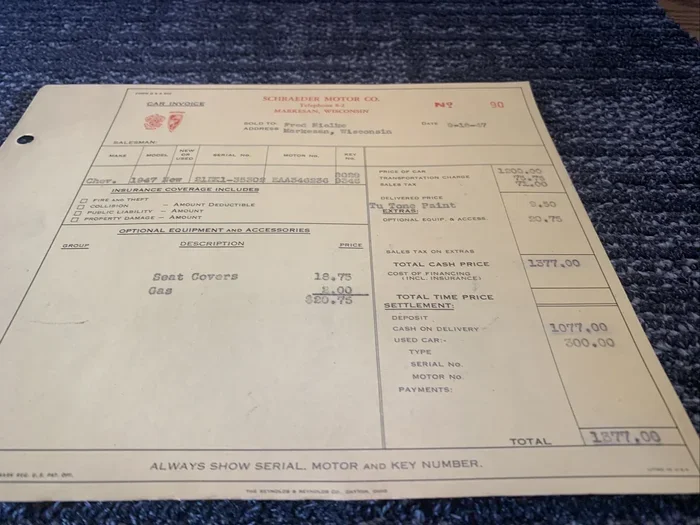
The dealer invoice price is what the dealership actually pays the manufacturer for a vehicle. Think of it as the wholesale cost—the price the dealer forks out before adding their markup. This number is printed on the dealer’s invoice when they order a car from the manufacturer.
But here’s where it gets tricky. The invoice price isn’t always the dealer’s true cost. Manufacturers often offer incentives, rebates, and holdback programs that effectively reduce what the dealer pays. These hidden benefits can make the real cost much lower than the invoice suggests.
Most buyers confuse invoice price with MSRP (Manufacturer’s Suggested Retail Price). The MSRP is the price the manufacturer recommends dealers charge. It’s the number you see on the car window. The gap between invoice and MSRP is where dealers make their profit—and where you can potentially save money.
How Much Cheaper Is Dealer Invoice Price Compared To MSRP?
The difference between invoice price and MSRP varies by vehicle type, brand, and model. But on average, you can expect the invoice to be about 85-93% of the MSRP. Let’s break this down with some concrete examples.
Average Savings By Vehicle Type
Different types of vehicles have different invoice-to-MSRP ratios. Here’s what you might expect:
- Economy Cars: 7-10% below MSRP
- Mid-Size Sedans: 8-12% below MSRP
- SUVs and Trucks: 10-15% below MSRP
- Luxury Vehicles: 5-8% below MSRP
- Performance Cars: 3-6% below MSRP
Notice that trucks and SUVs typically offer the biggest discount off MSRP. This is because manufacturers often push these vehicles with generous incentives. Luxury cars, on the other hand, have smaller margins because dealers know buyers are less price-sensitive.
Real-World Example
Let’s say you’re looking at a sedan with an MSRP of $30,000. The dealer invoice might be around $27,000 to $28,000. That’s a potential savings of $2,000 to $3,000 right off the top. But with the right negotiation tactics, you might even push below invoice price.
When you understand these numbers, you stop seeing the MSRP as the starting point for negotiations. Instead, you see it as a reference point that’s already inflated. This mental shift changes everything about how you approach car buying.
How To Find The Actual Dealer Invoice Price
Finding the real dealer invoice price isn’t always straightforward. Dealerships don’t always advertise this information willingly. But several resources can help you uncover what the dealer actually paid.
Online Tools And Resources
Several websites specialize in providing dealer invoice pricing. These services aggregate data from actual dealer transactions and give you a clear picture of what different vehicles cost dealers. Some popular options include Edmunds, Kelley Blue Book, and NADA Guides, which offer reliable pricing data.
When using these tools, look for the “dealer invoice” or “dealer cost” figure, not the “fair purchase price.” These are different numbers and understanding the distinction matters. The invoice price represents what the dealer paid, while fair purchase price represents what you should reasonably expect to pay.
What’s Included In The Invoice Price?
The dealer invoice typically includes the base vehicle price, any factory-installed options, and destination charges. But it doesn’t include dealer add-ons like extended warranties, fabric protection, or VIN etching. These are profit centers for the dealer and aren’t part of the actual invoice cost.
Be aware that some dealers will try to add these extras to your contract and claim they’re necessary to make the sale. In reality, these are pure profit items that inflate your final price well above invoice. Always ask for a line-by-line breakdown of all charges.
Negotiation Strategies Based On Invoice Pricing
Knowing the invoice price gives you a huge advantage, but you still need the right strategy to use this knowledge effectively. Walking in and demanding to pay invoice price rarely works. Instead, you need a more nuanced approach.
Using Invoice Price As Leverage
Start your negotiation by referencing the invoice price as your benchmark. Say something like, “I’ve done my research and I understand the dealer invoice is around $X. I’d like to discuss pricing based on that.” This shows the salesperson you’re informed and serious about getting a fair deal.
Remember that dealers need to make a profit to stay in business. Your goal isn’t to destroy their margin completely but to ensure you’re paying a fair price. A good target is usually 2-5% above invoice price, which still represents significant savings from MSRP.
Common Mistakes Buyers Make
Many buyers make avoidable mistakes when negotiating based on invoice price. First, they focus too much on monthly payments instead of total price. Salespeople love to steer conversations toward payments because it’s easier to hide the true cost. Always negotiate the total vehicle price first, then discuss financing.
Second, buyers often forget to negotiate the trade-in value separately. If you’re trading in a vehicle, get the invoice price negotiation done first, then discuss your trade-in. Mixing these negotiations gives the dealer more room to manipulate the numbers.
Third, many buyers don’t know about common car salesman tricks that can inflate your final price. Being aware of these tactics helps you stay focused on getting a fair deal based on invoice pricing.
The Truth About Dealer Holdback And Incentives
Here’s where things get really interesting. The dealer invoice price isn’t the whole story. Manufacturers offer programs that effectively reduce what dealers pay, making it possible to get deals even below the listed invoice price.
Understanding Dealer Holdback
Dealer holdback is a percentage of the vehicle’s price that the manufacturer rebates to the dealer after the sale. This is typically 1-3% of the MSRP. Holdback exists to help dealers maintain their cash flow and stay competitive.
Because holdback is calculated from MSRP rather than invoice price, it creates an interesting dynamic. A dealer might sell a car at invoice price and still make money thanks to the holdback. This is why some dealers are willing to go below invoice on certain vehicles.
Manufacturer Incentives That Affect Pricing
Beyond holdback, manufacturers offer various incentives that affect the true cost of a vehicle. These include:
- Customer Cash Rebates: Direct discounts offered to buyers
- Dealer Cash Incentives: Bonuses paid to dealers for hitting sales targets
- Low-Interest Financing: Reduced APR offers that add value without lowering price
- Loyalty Discounts: Special rates for returning customers
- Conquest Incentives: Offers to attract buyers from competing brands
When you combine invoice price with available incentives, the real savings can be substantial. A vehicle that appears to have only 7% off MSRP might actually offer 12-15% in total value when you factor in all available programs.
Should You Always Buy At Invoice Price?
The answer isn’t a simple yes or no. Whether invoice price represents a good deal depends on several factors, including the vehicle’s demand, market conditions, and your specific circumstances.
When Invoice Price Is A Good Deal
Invoice price is generally a good deal when:
- The vehicle has been on the lot for more than 60 days
- You’re buying near the end of a month or quarter
- The manufacturer is offering significant incentives
- You’re purchasing a model with declining demand
- The dealer is competing with other nearby dealerships
In these situations, dealers are more motivated to sell and may be willing to go below invoice to close the deal. Your knowledge of invoice pricing becomes even more valuable when the dealer is eager to move inventory.
When To Walk Away
There are times when even invoice price isn’t a good deal. If a vehicle is in high demand and selling quickly, the dealer has little incentive to offer discounts. Similarly, if you’re buying a special-order vehicle with no competition, you’ll have less negotiating power.
Trust your instincts. If the deal doesn’t feel right, it probably isn’t. The best car buyers know when to walk away and come back another day. Sometimes, leaving the dealership is the most powerful negotiation tactic you have.
Conclusion: Taking Control Of Your Car Purchase
Understanding how much cheaper dealer invoice price honestly is transforms you from an uninformed buyer into a confident negotiator. The typical 7-15% savings below MSRP represents real money that stays in your pocket instead of going to the dealer.
But knowledge alone isn’t enough. You need to combine your understanding of invoice pricing with smart negotiation strategies and awareness of hidden incentives. When you do this, you position yourself to get the best possible deal on your next vehicle purchase.
Remember that car buying should be an empowering experience, not a stressful one. With the right information and approach, you can drive away with a great vehicle at a fair price. The dealer invoice price is your roadmap to savings—use it wisely.
Frequently Asked Questions
Is dealer invoice price the dealer’s actual cost?
Not exactly. The dealer invoice represents the base price the dealer pays, but manufacturers often provide holdback, incentives, and rebates that reduce the dealer’s true cost. This means dealers can sometimes profit even when selling at or below invoice price.
How much below MSRP is dealer invoice price?
Typically, dealer invoice price is 7-15% below MSRP, depending on the vehicle type. Economy cars tend to have smaller discounts, while trucks and SUVs often offer larger savings off the sticker price.
Can I negotiate below dealer invoice price?
Yes, it’s possible to negotiate below invoice price, especially when manufacturers offer generous incentives or when the dealer needs to clear inventory. Your success depends on market conditions, the specific vehicle, and your negotiation skills.
What’s the difference between dealer invoice and dealer holdback?
The dealer invoice is what the dealer pays for the vehicle. Dealer holdback is a percentage of MSRP that the manufacturer rebates to the dealer after sale. Holdback effectively reduces the dealer’s true cost below the invoice price.
Should I pay dealer invoice price or try to get lower?
While invoice price is a good target, it’s worth trying to get lower, especially when incentives are available or the vehicle has been sitting on the lot. However, be reasonable—asking for too much below invoice can offend the salesperson and derail the negotiation.
How can I verify the dealer invoice price before visiting?
Use online resources like Edmunds, Kelley Blue Book, or NADA Guides to research estimated invoice prices. These services aggregate data from actual dealer transactions and provide reliable benchmarks for your negotiations.