Why Wont My Physical Key Unlock My Toyota Door Anymore
If your physical key won’t unlock your Toyota door anymore, the cause is usually a worn key blade, a sticky lock cylinder, or a dead key fob battery. This guide walks you through the most common reasons and gives you clear, step-by-step fixes you can try at home. You’ll also learn when to call a professional and how to prevent the problem from returning.
Key Takeaways
- Sticky lock cylinders are the #1 reason a physical key won’t turn in a Toyota door.
- A worn or damaged key blade can slip and fail to engage the lock pins.
- Dead key fob batteries sometimes cause the system to reject the physical key as a backup.
- Simple fixes like graphite lubricant and cleaning the key blade often solve the problem.
- Never force the key—it can break inside the lock and lead to expensive repairs.
- Regular maintenance keeps your Toyota door lock working smoothly for years.
📑 Table of Contents
Why Won’t My Physical Key Unlock My Toyota Door?
So you’re standing by your Toyota, key in hand, and the door just won’t budge. It’s frustrating, especially when you’re in a hurry. The good news is that this problem is usually simple to diagnose. In most cases, the culprit is a worn key, a sticky lock cylinder, or a dead key fob battery that’s confusing the system.
Your Toyota’s door lock is a precision mechanical system. When everything works right, the key slides in, turns smoothly, and the latch releases. But many things can interrupt that process. Dirt, wear, cold weather, or even a tiny piece of debris can stop the key from doing its job. This guide breaks down every common cause and gives you practical fixes you can try right now.
The Lock Cylinder: Where the Problem Often Starts
The lock cylinder is the metal housing inside the door handle. When you insert the key, it pushes tiny pins to align and allow the cylinder to turn. Over time, these pins can wear down or get gunked up with grime. A sticky cylinder is the most common reason a physical key won’t unlock the door. You might feel the key wiggle but not turn. Sometimes it feels like the key is hitting a wall.
Cold weather makes this worse. Moisture inside the cylinder can freeze, locking the pins in place. If your Toyota sits outside overnight in winter, you might find the key won’t turn at all in the morning. The fix is often as simple as a little lock lubricant. More on that below.
The Key Blade: It Wears Down Faster Than You Think
Your physical key has tiny teeth cut into its blade. These teeth push the lock pins to the correct height. After years of use, those teeth wear smooth. A worn key blade can’t push the pins properly, so the cylinder won’t rotate. You might notice the key feels loose or wobbles inside the lock. In some cases, the key slides in but won’t catch the pins at all.
Keys also bend. If you’ve ever accidentally pressure-washed your Toyota or left the key on a hot dashboard, the metal can warp. Even a slight bend changes how the teeth meet the pins. A bent key will often feel like it’s hitting a bump when you try to turn it. The simplest solution is to get a new key cut to match your original.
Common Reasons the Lock Cylinder Sticks
A stuck lock cylinder can happen for several reasons. Here are the top culprits and how to spot them.
Dirt and Debris Buildup
Dust, sand, and tiny particles work their into the lock cylinder over time. You might not see them, but they create friction. The key feels gritty when you insert it. In areas with a lot of dust or road salt, this problem gets worse fast. Road salt is especially rough on lock cylinders because it attracts moisture and then dries into a crusty residue.
Quick Tip: If your key feels gritty, try blowing a puff of compressed air into the lock before inserting the key. This can dislodge loose debris. Never use water or oil sprays meant for other purposes—lock-specific lubricants work best.
Worn Key Blade
As mentioned above, a worn key blade is a top cause. The teeth flatten over thousands of insertions. You can often see the wear by comparing your key to a new one. If the key looks shiny and smooth where the teeth should be jagged, it’s time for a replacement. A locksmith can cut a new key from your existing one or from the key code on your Toyota door frame.
Frozen Lock in Winter
Cold temperatures can freeze the lock cylinder shut. This is especially common if moisture got inside. You might hear a click when you jiggle the key, but the cylinder won’t turn. The best fix is a lock de-icer spray. You can also try warming the key with your hands for a minute and then inserting it gently. Never use boiling water on the lock—thermal shock can crack the plastic housing.
Key Fob Battery vs. Physical Key Issues
Many Toyota owners don’t realize their key fob and physical key share a connection. When the key fob battery dies, the system might not recognize the physical key as a backup. This is especially true on newer models with push-button start and smart entry. If your key fob battery is dead, you might still be able to unlock the door by pressing the physical key blade into a hidden slot on the door handle. But if that slot is also unresponsive, the problem could be the fob battery, not the lock cylinder.
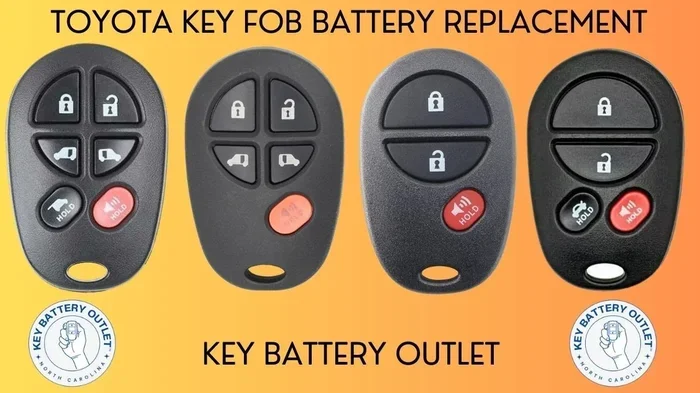
You can check your key fob battery at home. If you’re unsure how, learn how do I know if my key fob needs a new battery with a simple voltage test. Most Toyota key fobs use a CR2032 coin battery. If you want to confirm the right battery type, see can I use a CR2032 in a Toyota key for a full guide.
In the meantime, you can still unlock your Tundra using your phone by following the steps in can I unlock my Tundra with my phone. This is a great temporary workaround while you sort out the battery or lock issue.
| Physical Key | Key Fob |
|---|---|
| Works without batteries. Relies on mechanical teeth. | Requires a battery (CR2032). Uses radio signals. |
| Can wear out or bend over time. | Battery dies every 1–2 years. Buttons can fail. |
| Best for emergencies when the fob is dead. | Best for quick, hands-free entry. |
| Can get stuck in a frozen or dirty lock. | Won’t work if the battery is dead or the antenna is faulty. |
When the Immobiliser or Security System Is the Culprit
Your Toyota has an immobiliser system that prevents the engine from starting without the correct key. But did you know the immobiliser can also affect door unlocking? On some models, if the security system detects a problem, it locks the doors automatically and refuses to accept the physical key. This is a safety feature designed to protect your vehicle.
The immobiliser doesn’t usually block the lock cylinder directly. However, if the door lock actuator is electronic, a security fault can stop it from responding to the key. You might hear a faint click when you turn the key, but the door stays locked. This is different from a mechanical lock problem because the key turns freely but the latch doesn’t move.
Understanding the Immobiliser
The immobiliser uses a transponder chip inside the key fob. When you insert the key or press the start button, the car reads the chip. If the chip isn’t recognised, the engine won’t start. The door locks, however, are often mechanical for the physical key. So if your physical key won’t turn in the door lock, the immobiliser is probably not the cause. But if the key turns and nothing happens, check the door lock actuator.
Can the Security System Block Unlocking?
Yes, in rare cases. If the car’s computer thinks there’s a break-in attempt, it can lock all doors and disable the physical key override. This is a security lockout mode. You’ll usually see a flashing red light on the dashboard. The fix is often to disconnect the battery for 15 minutes and then reconnect it. This resets the security system. If the problem returns, a dealer or locksmith can reprogram the system.
How to Fix a Stuck or Worn Key
Now that you know the common causes, here are the best ways to fix them. Try these steps in order, starting with the simplest fix.
Step 1: Lubricate the Lock Cylinder
Graphite powder is the best lubricant for lock cylinders. It’s dry, so it won’t attract more dirt. Insert the key into the lock and turn it back and forth gently. Then squirt a small amount of graphite powder into the keyhole. Work the key in and out several times to spread the lubricant. You should feel the key turn more smoothly within a few cycles.
Expert Insight: Never use WD-40 or oil-based sprays on a lock cylinder. They can gum up over time and make the problem worse. Stick to dry graphite or a dedicated lock lubricant.
Step 2: Clean the Key Blade
Take your physical key and wipe it with a clean cloth. Look closely at the teeth. If you see black residue or buildup, soak the key in rubbing alcohol for a few minutes. Dry it thoroughly before reinserting. Clean teeth engage the lock pins more reliably.
Step 3: Check for Key Damage
Hold the key up to a light and compare it to a new key. If the teeth look rounded or shiny, the key is worn. A bent key will have a visible curve. In either case, get a new key cut. You can visit a Toyota dealer, a locksmith, or even some hardware stores that offer key-cutting services. Bring your vehicle registration or the key code to prove ownership.
Step 4: When to Call a Professional
If lubrication and cleaning don’t work, the lock cylinder might need replacement. This is a job for a qualified locksmith or a Toyota dealer. They can extract a broken key from the cylinder and install a new one. Don’t try to drill out the lock yourself—you could damage the door panel and face a much bigger repair bill.
Common Mistake: Forcing the key when it’s stuck. This is the fastest way to snap the key off inside the lock. If the key won’t turn, stop pushing and try lubricant instead. Gentle pressure is all you need.
Preventive Tips to Keep Your Toyota Key Working
A little prevention goes a long way. Follow these simple habits to avoid a locked-out situation.
Regular Maintenance
Once a year, spray a small amount of lock lubricant into each door lock cylinder. This keeps the pins moving freely. You should also clean the key blade with a damp cloth and dry it completely before putting it back in your pocket.
Spare Key Tips
Keep a spare physical key in a safe place at home. If your primary key fails, you’ll have a backup. Store the spare key away from your phone and other electronics, because strong magnetic fields can interfere with the transponder chip. Also, remember to replace the spare key’s battery every two years, even if you haven’t used it.
When to See a Locksmith
If you’ve tried all the fixes above and the door still won’t unlock, it’s time to call a professional. A certified locksmith can diagnose the issue quickly and fix it on the spot. Look for a locksmith who specialises in Toyota vehicles or automotive locks. They’ll have the right tools to extract broken keys and program new ones without damaging your car.
Key Takeaway: Most physical key unlocking problems come down to three things: a dirty lock cylinder, a worn key blade, or a dead key fob battery. Start with the simplest fix—lubricate and clean—before moving to more complex solutions. With a little care, your Toyota door lock will keep working smoothly for years to come.
Conclusion
Dealing with a physical key that won’t unlock your Toyota door is annoying, but it’s almost always fixable. Whether it’s a sticky lock cylinder, a worn key blade, or a dead key fob battery, the solutions are simple and affordable. Start by lubricating the lock and cleaning the key. If that doesn’t work, check the key fob battery and try the phone unlock workaround. And remember, never force the key—gentle pressure and the right lubricant are your best friends.
By following the preventive tips in this guide, you can avoid the problem altogether. Keep your key clean, lubricate the lock annually, and store a spare key safely. If you ever feel stuck, a professional locksmith can get you back in your Toyota quickly. Now you know exactly why your physical key won’t unlock your Toyota door and what to do about it. Go ahead and give those locks a little care—they’ll thank you for it.
Frequently Asked Questions
Why does my physical key turn but the Toyota door won’t open?
This usually means the lock actuator is faulty or the security system has locked out the door. The key turns the cylinder, but the latch doesn’t release. Check the door lock fuse first, and if that’s fine, call a locksmith to inspect the actuator.
Can a dead key fob battery stop my physical key from working?
On some Toyota models, yes. When the key fob battery is dead, the car’s system may not recognise the physical key as a backup. Replace the fob battery with a CR2032 and try again. You can find the battery type guide here.
What is the best lubricant for a Toyota door lock cylinder?
Dry graphite powder is the safest and most effective lubricant. It won’t attract dirt or gum up over time. Avoid oil-based sprays like WD-40, which can make the lock stickier in the long run.
How much does it cost to replace a Toyota door lock cylinder?
Parts and labour typically range from $150 to $350, depending on the Toyota model and the locksmith’s rates. Getting a quote from a local automotive locksmith is always a good first step.
Can I use a key fob to unlock my Toyota if the physical key is broken?
Yes, as long as the key fob battery is working. If the fob is also dead, you can try the hidden physical key slot on the door handle. For Toyota models that support phone-as-a-key, you can also unlock the car using the Toyota app on your smartphone.
How do I prevent my Toyota lock cylinder from sticking?
Lubricate the cylinder with graphite powder once a year, keep the key blade clean, and avoid forcing the key. Also, try to keep moisture out of the lock by parking in a covered area when possible.