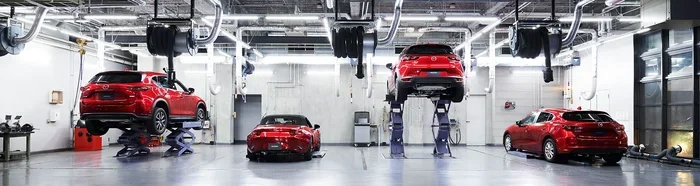
Can I Get My Mazda Serviced Anywhere Here Is the Answer
Can I Get My Mazda Serviced Anywhere? Yes, you have options beyond the dealership. Whether you choose a Mazda dealership or an independent mechanic, staying on top of your scheduled maintenance is what matters most. This guide covers warranty rules, cost differences, and practical tips to help you make the best choice for your vehicle.
Can I Get My Mazda Serviced Anywhere? The answer might surprise you. Many Mazda owners assume they must return to the dealership for every oil change and scheduled maintenance visit. The truth is, you have more flexibility than most people think. Whether you visit a Mazda dealership or trust an independent mechanic, you can keep your vehicle in great shape. This article breaks down your options so you can make a confident, informed decision about where to take your car.
So, can I get my Mazda serviced anywhere? It is a question that comes up often among Mazda owners. Maybe you moved to a new city, or the dealership is just too far away. Perhaps the repair cost at the dealership feels too high. Whatever the reason, understanding your options is important.
Knowing where to take your car affects more than just convenience. It can impact your warranty coverage, your service history, and even the long-term health of your vehicle. Let us walk through everything you need to know about getting your Mazda serviced outside the dealership.
Key Takeaways
- You can service your Mazda anywhere: Taking your car to a non-dealership shop does not automatically void your warranty.
- Keep detailed records: Always save receipts and service logs to protect your warranty coverage.
- Dealerships offer OEM parts: A Mazda dealership uses genuine Mazda parts and certified technicians.
- Independent shops can save money: Repair cost at an independent mechanic is often lower than at a dealership.
- Follow the maintenance schedule: Sticking to your maintenance schedule keeps your car running smoothly and resale value high.
- Ask questions before choosing: Find out what certified pre-owned requirements apply if you have a used Mazda.
- Use the right parts: Whether OEM or aftermarket, always confirm parts meet Mazda specifications to avoid warranty disputes.
📑 Table of Contents
- What the Mazda Owner’s Manual Says About Service
- Dealership Service vs. Independent Shops
- Does Servicing Outside a Dealership Void Your Warranty?
- Cost Comparison: Dealership vs. Anywhere Else
- Quick Tips for Choosing the Right Service Option
- Common Mistakes Mazda Owners Make with Service
- Expert Insights on Mazda Service Choices
- Final Thoughts on Servicing Your Mazda Anywhere
What the Mazda Owner’s Manual Says About Service
Every Mazda comes with an owner’s manual that outlines a detailed maintenance schedule. This schedule tells you exactly when to change your oil, rotate your tires, replace your air filter, and more. Following this plan is the best way to keep your car running smoothly for years to come. The manual is your go-to resource for all service-related questions.
Following the Recommended Service Schedule
The service interval for oil changes is typically every 5,000 to 7,500 miles for modern Mazda models. However, this can vary based on driving conditions. If you drive in stop-and-go traffic or extreme temperatures, you may need service more often. Always check your specific model’s recommendations in the owner’s manual. Sticking to the schedule prevents small issues from becoming expensive repairs.
Understanding Service Intervals
Your service interval is not just about oil changes. It also covers brake service, transmission fluid checks, and coolant flush appointments. Each of these tasks plays a role in keeping your Mazda safe and reliable on the road. Skipping any of these steps can lead to bigger problems down the road. For example, ignoring a coolant flush can cause engine overheating. And missing brake service can compromise your safety. Always refer to your owner’s manual for the full maintenance schedule specific to your model year and trim level.
Key Maintenance Tasks Every Mazda Owner Should Know
Beyond oil changes and brake service, there are several other tasks that fall under regular scheduled maintenance. These include replacing spark plugs, checking the transmission fluid, inspecting the air filter, and performing a coolant flush at manufacturer-recommended intervals. Each of these tasks helps your Mazda run efficiently and prevents unexpected breakdowns. For example, worn spark plugs can reduce fuel efficiency and cause rough idling. A clogged air filter can limit airflow to the engine and reduce performance. Staying on top of these small tasks saves you money and keeps your car running at its best.
Dealership Service vs. Independent Shops
What to Expect at a Mazda Dealership
When you visit a Mazda dealership, you get access to certified technicians who specialize in Mazda vehicles. These technicians undergo specific training for Mazda models and systems. They also have access to the latest diagnostic tools and software updates that are designed specifically for Mazda engines and electronics. A dealership will always use genuine Mazda parts. These parts are designed specifically for your vehicle. They meet Mazda’s exact specifications for fit, form, and function. This can give you peace of mind, especially if you are still under a Mazda warranty or have a certified pre-owned vehicle that requires adherence to specific service guidelines.
The downside? Dealership service often comes with a higher price tag. You are paying for the brand, the facility, and the specialized expertise. For many owners, this premium is worth it during the warranty period. But once the warranty expires, the cost may not be justified. Also, dealership appointments can involve longer wait times and less flexibility in scheduling.
The Pros and Cons of Independent Mechanics
An independent mechanic can offer many benefits. First, repair cost is often lower. Independent shops have lower overhead than dealerships. They do not carry the same brand premium. They can pass those savings on to you, which makes a big difference over time. Many independent mechanics also have years of experience with Mazda vehicles. They may have seen every problem under the sun. Some even specialize in Japanese brands and understand the unique needs of Mazda engines and drivetrains. However, they may not always use genuine Mazda parts. Instead, they might use aftermarket alternatives. This is not necessarily bad, but it is something to discuss upfront.
Here is a quick look at the trade-offs between the two options:
- Dealership Pros: OEM parts, certified technicians, full digital service records, warranty-friendly.
- Dealership Cons: Higher cost, longer wait times, less flexibility in scheduling.
- Independent Pros: Lower cost, personalized service, more flexible scheduling, often faster turnaround.
- Independent Cons: Varying quality, may use aftermarket parts, not all are Mazda specialists.
Certified Pre-Owned Service Considerations
If you own a certified pre-owned Mazda, there are a few extra things to keep in mind. These vehicles come with extended warranties and specific service requirements. The powertrain warranty on a certified pre-owned Mazda typically covers major components like the engine and transmission for an extended period. To maintain this coverage, you must follow the maintenance schedule exactly as outlined. Keep all service records and use parts that meet Mazda’s standards. Whether you choose a dealership or an independent shop, documentation is key. A certified pre-owned vehicle requires extra diligence to protect your investment.
Does Servicing Outside a Dealership Void Your Warranty?
Magnuson-Moss Warranty Act Explained
Here is the big question: can I get my Mazda serviced anywhere without losing warranty coverage? The Magnuson-Moss Warranty Act is a federal law that protects consumers. It states that a manufacturer cannot require you to use only their dealership for repairs and still void your warranty. This is a crucial piece of legislation for Mazda owners. It means you have the legal right to choose where you service your vehicle. As long as you follow the maintenance schedule and keep records, your warranty coverage remains intact. The dealership cannot deny a claim simply because you chose an independent shop over their service center.
Keeping Your Warranty Intact
To protect your warranty coverage, you must do a few things. First, always keep detailed receipts from every service visit. Second, make sure any shop you use follows the service interval outlined in your owner’s manual. Third, use parts that meet or exceed Mazda’s specifications for quality and fit. If you follow these steps, you can visit any shop you trust. Your Mazda warranty will remain fully valid. This gives you the freedom to choose based on quality and price, not just convenience or location.
What the Law Says About Aftermarket Parts
You might wonder if using aftermarket parts affects your warranty. The Magnuson-Moss Act addresses this too. A manufacturer cannot void your warranty simply because you used aftermarket parts. However, they can deny a claim if the aftermarket part directly caused the problem. This is an important distinction to understand. For routine maintenance like oil changes, tire rotation, and brake service, aftermarket parts are generally fine. For critical components, you may want to stick with genuine Mazda parts to avoid any disputes. Always discuss part choices with your mechanic before any major service work.
Cost Comparison: Dealership vs. Anywhere Else
Average Service Costs for Mazda Vehicles
The repair cost at a dealership is typically higher than at an independent shop. You are paying for the brand name, the facility, and the certified technicians. A simple oil change at a dealership might cost between $80 and $120. The same service at an independent shop could cost $40 to $70. For more complex jobs like a transmission fluid change or full brake service, the price gap widens significantly. Dealerships often charge a premium for their expertise and genuine parts. Independent shops can offer competitive pricing without sacrificing quality.
Here is a side-by-side look at typical costs for common Mazda services:
| Service | Dealership Cost | Independent Shop Cost |
|---|---|---|
| Oil Change | $80 – $120 | $40 – $70 |
| Tire Rotation | $30 – $50 | $20 – $35 |
| Brake Service | $200 – $400 | $120 – $250 |
| Transmission Fluid Change | $150 – $250 | $80 – $150 |
| Air Filter Replacement | $40 – $60 | $20 – $40 |
| Spark Plug Replacement | $120 – $200 | $60 – $120 |
| Coolant Flush | $100 – $150 | $50 – $100 |
These numbers are estimates and can vary by location, model year, and specific Mazda trim. But the pattern is clear. Independent shops often offer significant savings on routine scheduled maintenance.
Where You Save the Most Money
The biggest savings come from routine services like oil changes, tire rotation, and air filter replacements. These are simple tasks that do not require dealership-level equipment or expertise. An experienced independent mechanic can handle them just as well, often at half the price. For more complex services like transmission fluid changes or coolant flush procedures, the savings are still significant but slightly less pronounced. These jobs require more specialized knowledge. However, many independent shops invest in the right tools and training to handle them competently.
Long-Term Value of Proper Maintenance
While independent shops save you money upfront, the long-term value of proper maintenance matters most. Whether you save $40 on an oil change or $100 on brake service, the real question is: does the cheaper option deliver quality work? A poorly done service can lead to costly repairs down the road. Always prioritize quality over price when choosing a service provider. A well-maintained Mazda also holds its value better, which matters if you plan to sell or trade in the vehicle later.
Quick Tips for Choosing the Right Service Option
Questions to Ask Before Booking
Before you hand over your keys, ask a few important questions. Does the shop have experience with Mazda vehicles? Do they use OEM or aftermarket parts? Can they provide a detailed written estimate before starting work? Also, ask about their service history documentation. A good shop will provide a printed record of every service performed. This is essential for maintaining your warranty coverage and tracking your maintenance schedule. If a shop hesitates to answer these questions, consider it a red flag.
Finding a Reliable Mechanic
Start by asking friends and family for recommendations. Online reviews on Google and Yelp can also help you narrow down your options. Look for shops that specialize in Japanese or Asian vehicles. These shops often have the right expertise for Mazda models and understand the unique needs of these engines. You can also check if the mechanic is ASE certified. ASE certification means the technician has passed rigorous exams. This is a strong indicator of skill and knowledge. A certified mechanic is more likely to diagnose problems correctly the first time.
Red Flags to Watch Out For
Not every mechanic is trustworthy. Watch out for shops that give vague estimates, pressure you into unnecessary services, or cannot provide clear explanations of the work needed. A reputable shop will always communicate openly and honestly about what your vehicle needs. Also be cautious of shops that offer prices significantly lower than everyone else. While everyone loves a good deal, extremely low prices can signal the use of low-quality parts or inexperienced technicians. Your Mazda deserves better than a gamble with cheap parts and questionable workmanship.
Common Mistakes Mazda Owners Make with Service
Skipping Maintenance Records
One of the biggest mistakes is failing to keep records. If you ever need to file a warranty claim, you will need proof of proper maintenance. Without it, the dealership could deny your claim and leave you paying out of pocket for repairs that should have been covered. Always ask for a detailed invoice after every visit. Keep these in a folder, either physical or digital. Your service history is a valuable document that protects your investment. It also helps future mechanics understand what work has already been done on your vehicle. A complete service history makes every future service visit faster and more accurate.
Ignoring Warning Lights
Another common mistake is ignoring dashboard warning lights. Your Mazda uses these lights to communicate problems early. A check engine light might signal a loose gas cap or a serious engine issue. A flashing oil light means you need immediate attention. Do not wait to address these warnings. Early detection saves money and prevents costly damage. Stick to your service interval and do not skip scheduled maintenance appointments, even if your car seems to be running fine. Many problems develop silently and are only caught during routine service. Trust your instincts and get anything unusual checked out promptly.
Using the Wrong Parts
Using the wrong parts is a mistake that can void your warranty and cause serious damage. Always confirm with your mechanic that the parts being used meet or exceed Mazda specifications. For oil changes, use the grade of oil recommended in your owner’s manual. For spark plugs, use the type specified by Mazda for your engine. Cheap parts might save a few dollars upfront, but they can lead to expensive repairs later. Invest in quality parts and trust a knowledgeable mechanic to install them correctly. The right parts extend the life of your vehicle and keep it running the way Mazda intended.
Expert Insights on Mazda Service Choices
According to automotive experts, the best place to service your Mazda depends on your situation. If your vehicle is new and under warranty, a dealership offers the most straightforward path. You get OEM parts, certified technicians, and a full digital service record that is automatically logged in Mazda’s system. For older vehicles or those out of warranty, an independent mechanic can be an excellent choice. You save money and often get more personalized service. The key is finding a shop you trust. Look for transparency, clear communication, and a willingness to answer your questions in plain language.
Some owners split the difference. They take major services to the dealership and handle routine oil changes and tire rotation at a local independent shop. This approach balances quality, cost, and convenience. There is no single right answer. The best choice is the one that fits your budget, your schedule, and your comfort level. Automotive advisors also recommend building a relationship with your chosen mechanic. When a shop knows your vehicle’s history, they can spot potential problems early. This proactive approach saves you money and keeps your Mazda on the road longer. Whether you choose a dealership or an independent shop, consistency matters.
Final Thoughts on Servicing Your Mazda Anywhere
So, can I get my Mazda serviced anywhere? The answer is a clear yes. You are not locked into the dealership for every service. Whether you choose a Mazda dealership or an independent mechanic, what matters most is that you stay on top of your scheduled maintenance. Keep your service history organized, follow the maintenance schedule in your owner’s manual, and use quality parts. By doing these things, you protect your warranty coverage and keep your Mazda running at its best.
The choice is yours, and now you have the knowledge to make it with confidence. Take the time to find a shop you trust, ask the right questions, and never underestimate the value of regular maintenance. Your Mazda is a great vehicle. With the right care, it will serve you well for many miles to come.
Frequently Asked Questions
Can I Get My Mazda Serviced Anywhere Without Losing Warranty?
Yes, you can. The Magnuson-Moss Warranty Act protects your right to choose any service provider. As long as you follow the maintenance schedule and keep detailed records, your warranty remains valid.
Is It Cheaper to Service a Mazda at an Independent Shop?
Generally, yes. Independent shops often charge less for routine services like oil changes, tire rotations, and brake service. However, always prioritize quality and make sure the shop is experienced with Mazda vehicles.
What Parts Should I Use for My Mazda Service?
For vehicles under warranty, genuine Mazda parts are recommended. Once the warranty expires, high-quality aftermarket parts are a cost-effective alternative. Always discuss part options with your mechanic before any service work.
How Often Should I Service My Mazda?
Follow the maintenance schedule in your owner’s manual. Most Mazdas need an oil change every 5,000 to 7,500 miles. Other services like brake checks, tire rotations, and fluid changes follow specific intervals based on mileage and driving conditions.
Can an Independent Mechanic Perform Mazda Scheduled Maintenance?
Absolutely. Independent mechanics can perform all routine and scheduled maintenance tasks. Just make sure they use quality parts and follow the service intervals outlined in your owner’s manual to keep your warranty intact.
What Should I Look for in a Mazda Service Provider?
Look for experience with Mazda vehicles, ASE certification, transparent pricing, and willingness to provide detailed service records. A good provider will answer your questions clearly and never pressure you into unnecessary services.