Where Is the Button to Open the Gas Tank on Your Car
Finding the button to open the gas tank on your car is easier than you think. Most vehicles hide the fuel door release near the driver’s seat, on the dashboard, or behind the trunk latch. Knowing the exact location saves time, reduces stress at the pump, and prevents damage to your fuel system. This guide covers every car brand, common problems, and expert tips to keep your gas tank access smooth and simple.
Key Takeaways
- Gas tank button locations vary by car brand: most are near the driver’s seat, on the dashboard, or behind the trunk release.
- Every vehicle has a fuel door release mechanism: it may be a button, lever, or pull tab inside the cabin.
- Common problems include stuck fuel doors and broken release cables: these are fixable with simple steps.
- Always check your owner’s manual: it provides the exact location for your specific car model.
- Quick tips can prevent fuel door issues: keep the area clean and avoid forcing the door open.
- Emergency fuel release tools exist: they help if the button or cable fails completely.
- Understanding your fuel system builds confidence: you will never feel lost at the gas station again.
📑 Table of Contents
- Why Knowing the Button to Open the Gas Tank Matters
- Common Locations of the Gas Tank Button Across Car Brands
- Step-by-Step Guide to Opening Your Gas Tank
- What to Do If the Gas Tank Button Stops Working
- Quick Tips for Avoiding Fuel Door Problems
- How the Gas Tank Button Fits Into Your Vehicle’s Fuel System
- Comparison of Gas Tank Button Locations by Brand
- Key Takeaways
- Final Thoughts on Finding the Button to Open the Gas Tank
Why Knowing the Button to Open the Gas Tank Matters
Every driver has been there. You pull up to the gas station. You grab the nozzle. And then you stare at your car, trying to figure out where the gas tank door opens. It is an embarrassing moment. But it happens to everyone. Knowing where the button to open the gas tank is located saves you from that awkward scene. It also keeps you safe and prevents damage to your vehicle.
The fuel system on your car is more important than you might think. The gas tank holds the gasoline that powers your engine. The fuel door protects the gas cap and the filler neck. When the door is working well, you barely notice it. But when it sticks or breaks, it becomes a big deal. Understanding how the gas tank button works helps you stay ahead of problems. It also makes your life much easier every time you fill up.
Different car brands place the fuel door release in different spots. Some put it near the driver’s seat. Others hide it behind the trunk latch. A few models even use a pull tab on the floorboard. This guide explains every common location so you can find yours in seconds. Whether you drive a sedan, SUV, or truck, the information here applies to you.
Common Locations of the Gas Tank Button Across Car Brands
The button to open the gas tank is not in one universal spot. Car manufacturers place it in different areas depending on the model and design. Below are the most common locations you will find.
Driver-Side Dashboard Area
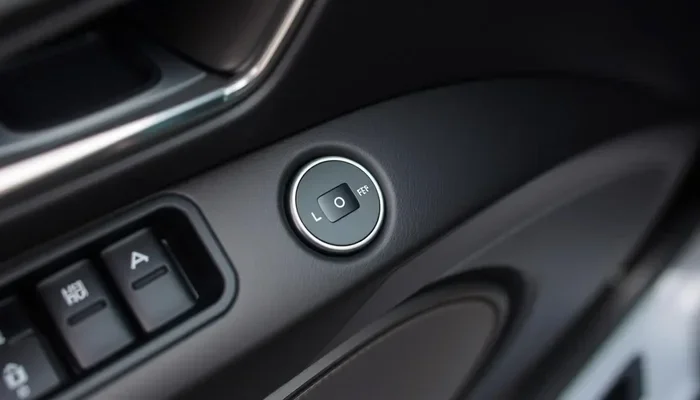
Many cars have the fuel door release on the driver’s side dashboard. It is usually near the steering column or the door panel. You might see a small icon that looks like a gas pump. Push or pull that button, and the gas tank door pops open. This is the most common location for sedans and compact cars. Brands like Toyota, Honda, and Ford often use this design.
Driver-Side Seat Area
Some vehicles place the release near the driver’s seat. You might find it on the floorboard, under the seat, or on the seat armrest. Check the lower left side of the cabin if you do not see it on the dashboard. This location is common in many SUV models and older vehicles.
Trunk or Tailgate Release
Several car brands, especially luxury models, hide the fuel door release near the trunk. You might need to pull a trunk latch that also opens the gas tank door. Look for a small fuel icon near the trunk handle. BMW, Mercedes-Benz, and Audi vehicles often use this setup.
Center Console or Gear Shift Area
A few cars place the release near the gear shift or center console. This is less common but still worth checking. Look around the area between the front seats for a small lever or button.
Step-by-Step Guide to Opening Your Gas Tank
Once you know where the button is, opening the gas tank is simple. Follow these steps for a smooth experience every time.
- Park your car on level ground. Turn off the engine and engage the parking brake. This is a safety first step that every driver should follow.
- Locate the fuel door release. Check the dashboard, seat area, or trunk handle for the button or lever. Look for the gas pump icon.
- Press or pull the release. The gas tank door should click open slightly. It may not swing wide on its own.
- Go to the outside of the car. Find the fuel door on the side of the vehicle. Push it open gently.
- Unscrew the gas cap. Turn it counterclockwise. You will hear a slight click when it releases.
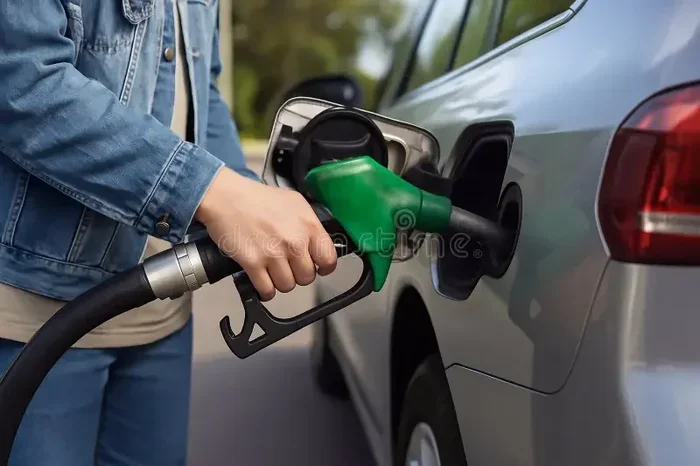
- Insert the fuel nozzle. Start filling your tank. Choose the right fuel grade for your car.
- Replace the gas cap. Screw it clockwise until it clicks. Close the fuel door firmly.
Quick Tip: Always tighten the gas cap until you hear the click. A loose cap can trigger the check engine light and reduce fuel efficiency. This is one of the most overlooked causes of fuel system warnings.
Fuel Door Release Types Explained
Not all gas tank buttons work the same way. Here are the three main types you will encounter.
- Push-button release: You press a button inside the car. The fuel door pops open. Many modern cars use this system.
- Lever pull release: You pull a lever under the dashboard or on the seat. This is common in older models and trucks.
- Trunk-linked release: The fuel door opens when you pull the trunk handle. This is found on luxury and sports cars.
What to Do If the Gas Tank Button Stops Working
A stuck or broken fuel door release is frustrating. But it is usually not a serious problem. Here is what you can do when the button fails.
Check for a Blown Fuse
Many fuel door release systems are electrical. A blown fuse can stop the button from working. Check your owner’s manual for the fuse box location. Look for the fuel door fuse and replace it if needed. This is one of the easiest fixes and costs almost nothing.
Inspect the Release Cable
Some cars use a cable to connect the button to the fuel door. Over time, this cable can stretch or break. You may hear a clicking sound when you press the button but the door does not move. A mechanic can replace the cable quickly and affordably.
Try the Emergency Fuel Door Release
Many vehicles have a hidden emergency release. This is usually a small tab or lever on the fuel door itself. Look for a tiny hole on the door and insert a key or a small flathead screwdriver. Push gently, and the door should open. This feature exists for exactly these situations.
When to See a Mechanic
If none of the above steps work, it is time to visit a mechanic. The fuel door actuator or latch may need replacement. Do not force the door open. Forcing it can damage the hinge, the paint, or the fuel tank seal. A professional can diagnose the issue and fix it safely.
- Forcing the fuel door open: This can break the hinge or latch.
- Ignoring a stuck fuel door: Small problems become big, expensive ones.
- Using the wrong fuel grade: Always check your owner’s manual for the recommended octane.
- Over-tightening the gas cap: This can damage the seal and trigger warning lights.
- Skipping the emergency release check: Many drivers do not know this feature exists.
Quick Tips for Avoiding Fuel Door Problems
Prevention is always better than repair. A few simple habits can keep your gas tank button and fuel door working perfectly for years.
Keep the Fuel Door Clean
Dirt, ice, and road grime can build up around the fuel door. This can cause the door to stick or the button to feel stiff. Wipe the fuel door area with a damp cloth during regular car washes. In winter, clear any ice from the door before trying to open it.
Lubricate the Hinge Occasionally
The fuel door hinge can dry out over time. A small amount of silicone spray or white lithium grease keeps the door moving smoothly. Spray a little on the hinge once or twice a year. This simple step prevents squeaks and sticking.
Check the Gas Cap Seal
The rubber seal on your gas cap can wear out. A worn seal allows fuel vapors to escape, which reduces fuel efficiency and increases emissions. Inspect the seal every few months. Replace the gas cap if the seal looks cracked or brittle. Gas caps are inexpensive and easy to swap.
Do Not Overfill the Tank
Topping off the tank after the nozzle clicks off can cause fuel to spill into the vapor recovery system. This can damage the charcoal canister and trigger expensive repairs. Stop filling when the nozzle clicks. It is a small habit that saves you from big problems.
How the Gas Tank Button Fits Into Your Vehicle’s Fuel System
The button to open the gas tank is just one part of a larger fuel system. Understanding how it all works gives you a better picture of your car.
The Fuel Tank
The fuel tank stores the gasoline or diesel that powers your engine. Most car fuel tanks are made of steel or high-density plastic. They are designed to last the life of the vehicle. The tank holds between 12 and 20 gallons for most passenger cars. Larger trucks and SUVs may hold 25 gallons or more.
The Fuel Filler Neck
The filler neck is the tube that connects the gas cap to the tank. When you insert the nozzle, fuel flows through this neck into the tank. A damaged filler neck can cause fuel leaks, which is a serious safety hazard. Always inspect the area around the gas cap for any signs of drips or staining.
The Gas Cap and Vapor Recovery System
The gas cap does more than just seal the tank. It is part of the evaporative emissions system. This system captures fuel vapors and sends them back to the engine for combustion. A faulty gas cap can cause your check engine light to come on. Always make sure the cap is tight and the seal is in good condition.
The Fuel Door and Its Mechanism
The fuel door protects the gas cap and filler neck from damage and debris. The door is held shut by a latch or spring mechanism. The button, lever, or cable inside the car releases this latch. A well-maintained fuel door opens and closes smoothly. It should not feel loose or wobbly.
Comparison of Gas Tank Button Locations by Brand
Every car brand has its own preference for where to place the fuel door release. Here is a quick comparison of popular brands.
| Car Brand | Typical Button Location | Release Type |
|---|---|---|
| Toyota | Driver-side dashboard, left of steering wheel | Push button |
| Honda | Driver-side dashboard or lower door panel | Push button |
| Ford | Driver-side dashboard or center console | Push button or pull lever |
| Chevrolet | Driver-side dashboard near fuel gauge | Push button |
| BMW | Trunk handle or center console | Trunk-linked release |
| Mercedes-Benz | Trunk handle or driver-side door panel | Trunk-linked or push button |
| Jeep | Driver-side door panel or floorboard | Push button or pull lever |
| Nissan | Driver-side dashboard | Push button |
Note: These are general guidelines. Always refer to your specific owner’s manual for the exact location on your model. Trim levels and model years can change the button location even within the same brand.
Key Takeaways
- The gas tank button location varies by car brand: check the dashboard, seat area, or trunk handle first.
- Most modern cars use a push-button release: it is usually on the driver’s side dashboard.
- A stuck fuel door is often caused by a blown fuse or broken cable: both are affordable to fix.
- Every vehicle has an emergency fuel door release: use a key or flathead screwdriver on the door itself.
- Regular maintenance prevents fuel door problems: keep the area clean and lubricate the hinge.
- Understanding your fuel system builds confidence: you will handle any gas station stop with ease.
- Always consult your owner’s manual: it has the exact location and instructions for your specific car.
Final Thoughts on Finding the Button to Open the Gas Tank
The button to open the gas tank on your car is one of those small features you rarely think about until you need it. But once you know where it is, you will never struggle at the fuel pump again. Whether your car uses a push button, a pull lever, or a trunk-linked release, the process is simple and straightforward.
Take a moment today to locate your fuel door release. Walk around your car and find the fuel door. Look inside the cabin for the button or lever. Make it a habit to know your car inside and out. This small effort pays off every time you fill up. It also helps you spot problems early before they become costly repairs.
If you ever feel unsure, your owner’s manual is your best friend. It has diagrams, exact locations, and step-by-step instructions for every feature on your car. Keep it in your glove box and refer to it whenever you have a question. The manual is there to help you get the most out of your vehicle.
Fueling your car should be a quick and easy task. With the right knowledge, it is. Now you know exactly where the button to open the gas tank is, what to do if it fails, and how to keep the whole fuel system in great shape. Drive confidently, fill up with ease, and enjoy the road ahead.
Frequently Asked Questions
Where is the button to open the gas tank on a Toyota?
On most Toyota models, the fuel door release is located on the driver’s side dashboard, just to the left of the steering wheel. Look for a small button with a gas pump icon. Press it, and the gas tank door will pop open slightly. You then need to push the door open from outside the car.
Can I open the gas tank door from the outside if the button breaks?
Yes, most vehicles have an emergency release. Look for a small hole on the fuel door itself. Insert a key or a flathead screwdriver into the hole and push gently. The door should release and open. This feature is designed specifically for situations where the interior button fails.
Why does my gas tank button not work?
The most common reasons are a blown fuse, a broken release cable, or a faulty actuator. Start by checking the fuse box for the fuel door fuse. If the fuse is fine, the issue may be with the cable or motor. A mechanic can diagnose and fix the problem quickly.
Is it safe to drive with the gas tank door open?
It is not recommended. Driving with the fuel door open exposes the gas cap and filler neck to road debris, moisture, and dirt. It can also cause fuel vapors to escape. If your door opens while driving, pull over safely and close it before continuing.
How do I find the gas tank button on a luxury car like a BMW or Mercedes?
Luxury brands often hide the fuel door release near the trunk handle or in the center console. On BMW vehicles, try pulling the trunk release while the car is unlocked. On Mercedes-Benz models, check the driver-side door panel or the trunk handle area for a small fuel icon.
What should I do if the gas tank door is stuck and will not open?
First, try pressing the release button or pulling the lever again. If that does not work, check for ice or debris around the door in cold weather. Use the emergency release tab on the door itself with a key or screwdriver. If the door still will not open, do not force it. Visit a mechanic to avoid damaging the hinge or latch.