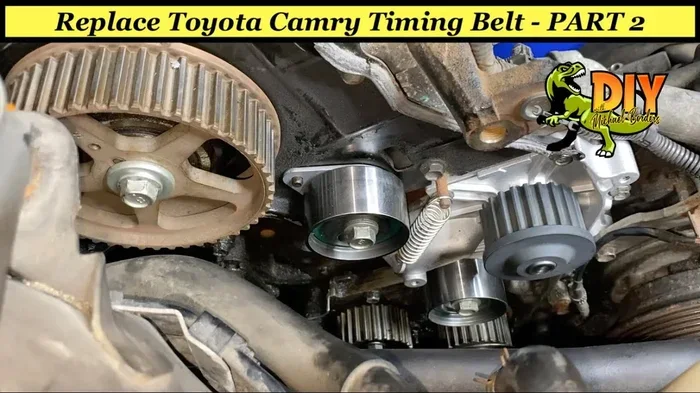
Does a 2003 Toyota Camry Have a Timing Belt or Chain
Yes, a 2003 Toyota Camry uses a timing belt, not a timing chain. The 2003 Camry came with either a 2.4-liter 4-cylinder engine or a 3.0-liter V6, and both use a rubber timing belt that needs regular replacement. Understanding your Camry’s timing belt helps you keep the engine running smoothly and avoid costly repairs down the road.
The 2003 Toyota Camry remains one of the most popular sedans on the road. It earned a reputation for reliability, comfort, and value. But if you own one or are thinking about buying one, you might wonder about the engine’s internal components. Specifically, does a 2003 Toyota Camry have a timing belt or a timing chain?
This question matters more than most people realize. The timing belt controls the synchronization between the crankshaft and camshaft. It keeps your engine’s valves opening and closing at the right time. If this belt fails, the results can be catastrophic.
Understanding what your Camry has under the hood helps you plan maintenance. It also saves you from surprise breakdowns and expensive repairs. In this guide, we’ll walk through everything you need to know about the 2003 Camry timing belt. We’ll cover the engine options, how the belt works, warning signs of wear, replacement costs, and tips for making your Camry last a long time.
Key Takeaways
- The 2003 Toyota Camry uses a timing belt: Both the 4-cylinder and V6 engines rely on a rubber timing belt, not a metal chain.
- Replacement is critical: A broken timing belt can cause severe engine damage, so staying on schedule is essential.
- Watch for warning signs: Listen for ticking noises, check for oil leaks near the engine, and watch for rough idling.
- Cost varies by engine: The 2.4L and 3.0L V6 have different replacement costs and procedures.
- Regular maintenance extends life: Following the Toyota maintenance schedule helps your Camry last well beyond 200,000 miles.
- DIY is possible but challenging: Experienced DIYers can replace the belt, but professional service is recommended for most owners.
📑 Table of Contents
- The Short Answer: Does a 2003 Toyota Camry Use a Timing Belt or Chain?
- Understanding the 2003 Toyota Camry Engine Options
- How the Timing Belt Works in Your 2003 Camry
- Signs Your 2003 Camry Timing Belt Is Wearing Out
- Timing Belt Replacement: What You Need to Know
- How to Make Your 2003 Camry Engine Last Longer
- Conclusion
The Short Answer: Does a 2003 Toyota Camry Use a Timing Belt or Chain?
The short answer is clear. The 2003 Toyota Camry uses a timing belt, not a timing chain. Both engine options available in 2003 rely on a rubber-based timing belt to keep the engine running smoothly.
Many modern Toyota models switched to timing chains for durability. But the 2003 Camry still used the traditional rubber belt design. This is important to know because timing belts and timing chains have very different maintenance needs. Chains generally last longer and require less frequent replacement. Belts, on the other hand, need regular scheduled changes.
If you drive a 2003 Camry, you should treat the timing belt as a key maintenance item. It is not something you can ignore. Replacing it on schedule is one of the best ways to protect your engine and avoid a total breakdown.
Why the Distinction Between Belt and Chain Matters
The difference between a timing belt and a timing chain affects your wallet and your maintenance routine. A timing chain is made of metal links. It sits inside the engine and often lasts the lifetime of the vehicle. A timing belt is a rubber component with teeth. It sits outside the engine block and wears down over time.
For the 2003 Camry owner, this means you need to budget for belt replacement. Most Toyota dealerships and independent mechanics recommend replacing the belt every 60,000 to 100,000 miles. Skipping this service can lead to a broken belt, which may bend the engine valves or damage the pistons.
Understanding the 2003 Toyota Camry Engine Options
The 2003 Camry came in two main engine configurations. Each one uses a timing belt, but they differ in size and performance. Let’s look at both options so you know exactly what your car has.
The 2.4-Liter 4-Cylinder Engine (1AZ-FE)
The most common engine in the 2003 Camry is the 2.4-liter 4-cylinder. This engine produces about 157 horsepower and 162 pound-feet of torque. It is a reliable, fuel-efficient powerplant that handles daily driving with ease.
This engine uses a single timing belt. The belt drives the camshafts and keeps the valve timing precise. The 1AZ-FE engine is known for being durable, but the timing belt still needs attention at regular intervals. If you own the base model Camry or the LE trim, you likely have this engine.
The 3.0-Liter V6 Engine (1MZ-FE)
The 3.0-liter V6 engine was available in the SE and XLE trims. This engine produces around 210 horsepower and 220 pound-feet of torque. It delivers a smoother, more powerful driving experience compared to the 4-cylinder.
The 1MZ-FE V6 also uses a timing belt. However, because it has two cylinder heads, it has two timing belts. This means the replacement cost and labor time are higher for the V6 model. If you drive a Camry V6, keep this in mind when planning your maintenance schedule.
| Engine Option | Displacement | Horsepower | Torque | Number of Timing Belts |
|---|---|---|---|---|
| 2.4L 4-Cylinder (1AZ-FE) | 2.4L | 157 hp | 162 lb-ft | 1 |
| 3.0L V6 (1MZ-FE) | 3.0L | 210 hp | 220 lb-ft | 2 |
How the Timing Belt Works in Your 2003 Camry
The timing belt might look like a simple rubber strip, but it plays a vital role in your engine. It connects the crankshaft at the bottom of the engine to the camshafts at the top. This connection ensures that the engine’s valves open and close at exactly the right moment during each cylinder’s firing cycle.
When the crankshaft rotates, it turns the timing belt. The belt then rotates the camshafts. The camshafts push the valves open to let air and fuel into the cylinders and exhaust gases out. All of this happens in perfect sync, thousands of times per minute.
In the 2003 Camry, the timing belt also drives the water pump in many configurations. This is an important detail because replacing the belt and water pump at the same time saves labor costs. If you are already paying for the belt replacement, adding the water pump makes sense financially.
Key Components of the Timing Belt System
Several parts work together with the timing belt to keep your engine running properly:
- Timing belt: The main rubber belt with teeth that syncs the crankshaft and camshafts.
- Tensioner: Keeps the belt tight so it does not skip teeth or slip.
- Idler pulleys: Guide the belt around the various engine components.
- Water pump: Often driven by the timing belt in the 2003 Camry.
- Camshaft seals: Prevent oil from leaking past the camshaft ends.
All of these parts should be inspected during a timing belt service. Replacing worn components together prevents future breakdowns and extends the life of your engine.
Signs Your 2003 Camry Timing Belt Is Wearing Out
A timing belt does not usually give you a lot of warning before it fails. However, there are some signs you can watch for. Catching these symptoms early can save you from a major engine repair.
Ticking or clicking noises from the engine. A worn timing belt may produce a ticking sound, especially when you first start the car. This noise comes from the belt not tracking properly on the pulleys.
Oil leaks near the front of the engine. The timing belt cover seals can degrade over time. When they fail, oil seeps out and may look like it is coming from the timing belt area. This can also contaminate the belt and speed up wear.
Rough idling or misfires. If the belt is slipping, the engine may idle roughly or run unevenly. You might feel vibrations at a stop light or notice the engine running differently than usual.
Check engine light. A slipping belt can cause the camshaft position sensor to send incorrect signals. This triggers the check engine light on your dashboard.
Complete failure. In the worst case, the belt breaks entirely. If this happens while driving, the engine will stall immediately. On an interference engine like the 2003 Camry, a broken belt can cause the pistons to hit the open valves, resulting in bent valves and serious internal damage.
If you notice any of these signs, get your Camry inspected right away. Do not wait for the belt to fail completely. Prevention is always cheaper than repair.
Quick Tip: Check Your Maintenance Records
If you bought the Camry used and do not have service records, assume the timing belt needs replacement. It is better to be safe than sorry. A new timing belt costs far less than a rebuilt engine.
Timing Belt Replacement: What You Need to Know
Replacing the timing belt on a 2003 Toyota Camry is a significant maintenance job. It requires mechanical skill and the right tools. Understanding the process helps you make informed decisions about your service.
When Should You Replace the Timing Belt?
Toyota recommends replacing the timing belt at specific intervals. The general guideline for the 2003 Camry is every 60,000 to 100,000 miles. Check your owner’s manual for the exact recommendation for your engine. Some driving conditions may require more frequent replacement.
Factors that can shorten the belt’s life include:
- Driving in extreme heat or cold
- Frequent short trips
- Excessive idling
- Oil or coolant contamination
- High mileage without regular service
What Is Included in a Timing Belt Replacement?
A full timing belt service typically includes several components:
- Timing belt removal and installation: The old belt is taken off and a new one is fitted.
- Tensioner and idler pulleys: These are often replaced at the same time since they wear at a similar rate.
- Water pump: If the water pump is driven by the timing belt, it should be replaced during this service.
- Coolant flush: Since the water pump is involved, a coolant flush is recommended.
- Inspection of related seals and gaskets: The mechanic checks for leaks and worn components.
How Much Does It Cost?
The cost varies depending on the engine and your location. For the 2.4L 4-cylinder, you can expect to pay between $500 and $900 for parts and labor. The 3.0L V6 costs more because it has two belts and more complex access. Expect $800 to $1,400 for the V6 model.
These prices may seem high, but they are far lower than the cost of repairing a damaged engine from a broken belt. A new engine can cost $3,000 to $5,000 or more. The timing belt replacement is a small price to pay for peace of mind.
If you want more details about timing belt replacement schedules for your specific Camry model, check out this guide on at what mileage a timing belt should be replaced on a Toyota Camry. It provides additional mileage-specific recommendations that can help you plan your service.
Can You Do It Yourself?
Experienced DIY mechanics can replace the timing belt at home. However, it is not a beginner-level job. You need the right tools, a service manual, and patience. The timing must be set precisely. Even a small error can cause engine damage.
For most owners, having a qualified mechanic perform the replacement is the safest choice. Look for a shop that specializes in Toyota vehicles. They will have the experience and equipment to do the job correctly.
How to Make Your 2003 Camry Engine Last Longer
The 2003 Toyota Camry has earned a strong reputation for longevity. Many owners have pushed their Camrys well past 200,000 miles and even 300,000 miles with proper care. The timing belt is just one piece of the puzzle. Here are proven strategies to help your Camry engine last as long as possible.
Follow the Toyota Maintenance Schedule
Toyota provides a detailed maintenance schedule in the owner’s manual. Following it is one of the simplest things you can do. Regular oil changes, fluid replacements, and inspections keep all engine components in good shape. The timing belt is no exception.
Do not skip scheduled services just because the car seems fine. Many engine problems develop silently. By the time you notice symptoms, the damage may already be done.
Keep Up With Oil Changes
Clean oil is the lifeblood of any engine. It lubricates moving parts, reduces friction, and carries heat away. Old or dirty oil accelerates wear on internal components, including those connected to the timing belt system.
Change your oil every 5,000 to 7,500 miles with the recommended grade. For the 2003 Camry, Toyota typically recommends 5W-30 or 5W-20 oil. You can find more information about the right oil for your Camry in this article about whether you can use 5W-30 instead of 5W-20 in your Toyota Camry.
Address Small Problems Immediately
Small issues become big problems when ignored. A minor oil leak, a strange noise, or a slight drop in performance all deserve attention. These can be early warning signs of deeper issues that affect your timing belt and engine health.
Stay proactive. If something feels off with your Camry, have it checked. Early intervention saves money and prevents cascading failures.
Drive With Care
How you drive affects how long your engine lasts. Avoid aggressive acceleration and hard braking when possible. Give the engine time to warm up in cold weather. These simple habits reduce stress on all engine components, including the timing belt.
Keep the Cooling System in Good Shape
Since the timing belt often drives the water pump, the cooling system is directly connected to belt health. Overheating can damage the belt, the water pump, and the engine itself. Check your coolant level regularly and have the cooling system flushed according to the maintenance schedule.
The 2003 Toyota Camry is known for its long-term reliability. Many owners wonder how long these cars can truly last. With proper maintenance, including timely timing belt replacement, your Camry can go the distance. Learn more about how long a Toyota Camry can last in this article about whether a Toyota Camry can last 400,000 miles.
Use Quality Parts for Replacements
When replacing the timing belt or any related component, use quality parts. OEM (Original Equipment Manufacturer) parts are designed specifically for your Camry. Aftermarket parts vary widely in quality. Investing in genuine Toyota parts or high-quality alternatives ensures the belt performs reliably and lasts as expected.
Consider the Big Picture of Camry Ownership
The 2003 Camry is a vehicle built to endure. Its reputation for reliability is well-deserved. But even the most reliable car needs consistent care. The timing belt is a maintenance item, not a lifetime component. Accepting this fact puts you in the best position to enjoy your Camry for years to come.
If you are interested in learning more about keeping your older Toyota running strong, this article on how to make a car last 500,000 miles offers valuable strategies that apply to the 2003 Camry and beyond.
The Toyota Camry is widely regarded as one of the most reliable sedans on the market. This reputation is well-earned through solid engineering and proven durability. For more on Camry reliability, check out this article about are Toyota Camrys reliable.
Conclusion
The 2003 Toyota Camry uses a timing belt, not a timing chain. Both the 2.4L 4-cylinder and the 3.0L V6 engines rely on this rubber component to keep your engine running in perfect sync. Understanding this is the first step toward proper maintenance.
Replacing the timing belt on schedule is one of the most important things you can do for your Camry. It prevents catastrophic engine failure and keeps your car running smoothly for years. The cost of replacement is modest compared to the cost of engine damage from a broken belt.
Watch for warning signs of wear, keep up with regular maintenance, and address small issues before they grow. Your 2003 Camry has the potential to serve you well for hundreds of thousands of miles. Treat it right, and it will reward you with dependable performance every time you turn the key.
Whether you drive the base model or the V6, the timing belt deserves your attention. Make it a priority in your maintenance routine, and your Camry will keep on running strong.
Frequently Asked Questions
Can a broken timing belt destroy a 2003 Toyota Camry engine?
Yes, it can. The 2003 Camry uses an interference engine design. This means the pistons and valves occupy the same space at different times. If the timing belt breaks, the valves can collide with the pistons, causing bending or breakage. This type of damage often requires a full engine rebuild or replacement.
How long does a timing belt last on a 2003 Toyota Camry?
Most manufacturers recommend replacing the timing belt every 60,000 to 100,000 miles. However, driving conditions can shorten this interval. Extreme temperatures, frequent short trips, and exposure to oil or coolant can all accelerate belt wear. Always check your owner’s manual for the specific recommendation.
Is it worth replacing the water pump during timing belt service?
Absolutely. On the 2003 Camry, the water pump is often driven by the timing belt. Since labor costs make up the bulk of the replacement price, adding the water pump at the same time saves significant money. It also prevents a future coolant leak that could damage the belt.
What happens if I ignore the timing belt replacement?
Ignoring the timing belt replacement is a serious risk. The belt will eventually wear out and break. On an interference engine, this leads to bent valves, damaged pistons, and potentially a totaled engine. The repair cost far exceeds the cost of a scheduled belt replacement.
Can I drive my 2003 Camry with a worn timing belt?
It is not recommended. A worn belt may slip or break at any time. Even if the car seems to run fine, the risk of sudden failure is real. If you suspect the belt is worn, have it inspected and replaced as soon as possible.
Are there any special tools needed to replace the timing belt on a 2003 Camry?
Yes, timing belt replacement requires specific tools. You need a camshaft locking tool, crankshaft bolt holder, and a tensioner release tool. These tools ensure the timing is set correctly during installation. Without them, it is very easy to make a costly timing error.