How Does Seat Keyless Entry Work and Why It Matters
Seat keyless entry lets you unlock and start your car without ever touching the key fob. The system uses radio signals, proximity sensors, and encrypted codes to authenticate your key and grant access. Understanding how this technology works helps you troubleshoot issues, boost security, and appreciate the convenience of modern vehicle access.
Key Takeaways
- Proximity sensors detect your key fob within a certain range and automatically unlock the doors.
- The key fob sends encrypted signals that your car verifies before granting access.
- Push-button start replaces the traditional ignition and only works when the correct key is inside the vehicle.
- Rolling code technology prevents signal theft by changing the access code every time you use the fob.
- Common issues include dead fob batteries and signal interference, both of which are easy to fix.
- Regular maintenance of your key fob ensures reliable performance and extends the system’s lifespan.
📑 Table of Contents
What Is Seat Keyless Entry and How Does It Work?
Seat keyless entry is a system that lets you lock, unlock, and start your vehicle without inserting a physical key. You simply press a button on the door handle or turn the ignition with the push of a button. The technology has become standard in most new cars today.
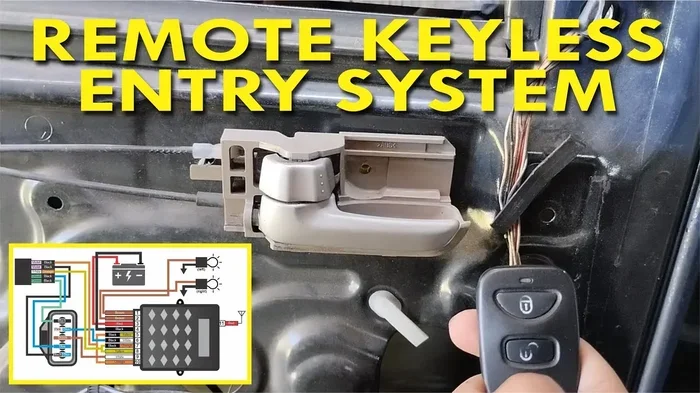
The system relies on a small device called a key fob. This fob sends a low-frequency radio signal to your car. When the car receives the signal, it checks whether the code matches. If it does, the doors unlock and the engine starts. It all happens in less than a second.
The beauty of keyless entry is the convenience. You can keep the fob in your pocket or purse. You never need to dig through a bag or pockets to find a key. This is especially helpful when you are carrying groceries or holding a child.
The technology behind this system is more advanced than most people realize. It involves proximity sensors, transponder chips, and encrypted communication. Each of these parts plays a vital role in making sure your car stays secure while remaining easy to use.
How the Key Fob Communicates With Your Car
Your key fob contains a small battery and a transponder chip. When you approach your vehicle, the fob sends out a wireless signal. This signal carries a unique identification code. The car’s antenna picks up this signal and reads the code.
The car then checks the code against a list of authorized codes stored in its computer. If the code matches, the system confirms your identity. This process is called vehicle authentication. It happens so fast that you barely notice it happening.
One important thing to know is that the signal is encrypted. This means the code is scrambled to prevent hackers from copying it. Most modern systems use rolling code technology. This means the code changes every time you use the fob. So even if someone intercepts the signal, they cannot use it again.
If you ever need a replacement fob, you might wonder where to go. A common question is Does Autozone Replace Key Fobs? The answer depends on your vehicle brand, but many Autozone locations can handle basic fob programming.
The Role of Proximity Sensors in Keyless Access
Proximity sensors are the eyes of the keyless entry system. These small devices are built into the door handles, trunk, and sometimes the front bumper. They detect when your key fob is nearby.
When you walk up to your car with the fob in your pocket, the sensors pick up the fob’s signal. The system then sends a command to unlock the doors. This is called passive entry because you do not need to press any button. The car just knows you are there.
The range of these sensors is usually between 3 and 6 feet. This means you need to be fairly close to the car for the system to work. If the fob battery is low, the range shrinks. You might need to press the door handle button instead of relying on passive entry.
Some systems also use active keyless entry. This means you must press a button on the door handle to trigger the sensor. This adds an extra layer of security because the car only listens when you tell it to.
Push-Button Start: The Heart of Keyless Systems
The push-button start is the most visible part of the keyless entry system. Instead of turning a key in the ignition, you press a button. The car checks whether the correct key fob is inside the vehicle. If it is, the engine starts.
This system replaced the traditional ignition switch in most new vehicles. The push-button design is sleek and simple. It also reduces wear and tear on the ignition mechanism. There are no keys to insert or turn, which means fewer mechanical parts that can fail.
But how does the car know the key is inside? The answer lies in the antenna rings around the cabin. These rings emit a low-frequency field that searches for your fob. When the fob responds with its unique code, the system confirms your presence and allows the engine to start.
What Happens When the Key Fob Battery Dies?
A dead fob battery is one of the most common issues with keyless entry. When the battery dies, the fob cannot send a signal. This means you cannot unlock the doors or start the engine using the push-button method.
Most vehicles have a backup plan. Many cars include a hidden key blade inside the fob. You can use this blade to manually unlock the driver’s door. Once inside, you can place the fob on a special pad near the start button. This allows the car to read the fob even with a dead battery.
To avoid this problem, replace your fob battery every 1 to 2 years. Most fobs use a CR2032 coin battery. These are cheap and easy to find at any hardware store. Keeping a spare battery in your glove box is a smart move.
Electronic systems in cars can sometimes cause unexpected drain on the battery. If you have noticed your car battery dying, you might ask Does Carplay Drain Battery? While CarPlay is a different system, it shares the same principle of electronic drain that can affect keyless entry performance too.
Security Features That Protect Your Vehicle
Vehicle security is the top priority for any keyless entry system. Car manufacturers know that convenience must not come at the cost of safety. That is why modern systems include several layers of protection.
The first layer is encrypted signal communication. Your fob and car exchange codes that are nearly impossible to copy. The second layer is the rolling code system. Each time you use the fob, the code changes. This prevents thieves from capturing your signal and replaying it later.
The third layer is the anti-theft system. If someone tries to start the car without the correct fob, the engine will not turn over. The car’s computer blocks the ignition. Some systems also include an alarm that sounds if the car detects an unauthorized entry attempt.
Can Keyless Entry Systems Be Hacked?
This is a fair question, and the answer is yes, but it is very difficult. Hackers can use a device called a relay amplifier to boost the fob’s signal from inside your home. This tricks the car into thinking the fob is nearby.
To protect against this, some manufacturers have added signal-blocking technology to their fobs. These fobs go to sleep when they are not being used. They only wake up when you press a button. This makes relay attacks much harder.
You can also take simple steps to protect your car. Store your fob in a signal-blocking pouch at night. Keep it away from windows and exterior walls. These small habits add a strong layer of automotive convenience and peace of mind.
Common Issues With Seat Keyless Entry and How to Fix Them
Like any electronic system, keyless entry can have problems. Most issues are minor and easy to fix. Understanding what can go wrong helps you stay ahead of problems.
Dead Key Fob Battery
This is the number one cause of keyless entry failure. When the fob battery dies, the fob cannot send a signal. Replacing the battery usually solves the problem completely. Most fobs use a CR2032 battery. You can swap it out in minutes with a small flathead screwdriver.
Signal Interference
Sometimes other electronic devices can interfere with your fob’s signal. Cell phones, Wi-Fi routers, and even other cars can cause confusion. If your car does not respond when you press the fob, move away from other electronics and try again.
Faulty Door Handle Sensors
The proximity sensors in the door handles can wear out over time. If one door does not unlock when you approach, the sensor might be dirty or damaged. Cleaning the sensor area with a soft cloth often fixes the problem. If not, a mechanic can replace the sensor.
Dashboard Warning Lights
Your car has many sensors that communicate with the dashboard. If something goes wrong with the keyless entry system, a warning light may appear. For example, if your low engine oil level is low, it could affect the overall electronic system performance. To understand what different dashboard lights mean, check out Does Low Engine Oil Show On The Dashboard to learn more about interpreting your car’s warning signals.
How to Maintain Your Keyless Entry System
Keeping your keyless entry system in good shape is simple. A little regular care goes a long way toward preventing problems.
First, replace the fob battery every 1 to 2 years. Do not wait until the fob stops working. A fresh battery ensures reliable signal strength at all times.
Second, keep the fob clean. Wipe it down with a soft, damp cloth. Dirt and grime can build up around the buttons and sensors. This can cause sticky buttons or weak signals.
Third, store the fob properly. Avoid placing it near strong magnets or electronic devices. These can interfere with the fob’s internal chip. A drawer or a dedicated fob holder works great.
Fourth, update your car’s software when prompted. Manufacturers often release updates that improve keyless entry performance and security. These updates can be done at your dealership or with an OBD-II scanner.
Fifth, if you notice any issues, address them early. A fob that works intermittently today might stop working completely tomorrow. Catching problems early saves time and money.
Quick Tips for Keyless Entry Users
- Keep a spare battery in your glove box at all times.
- Place the fob on the start button if the battery dies.
- Avoid dropping the fob, as internal components are fragile.
- Use a signal-blocking pouch if you live in a high-theft area.
- Test your fob range regularly by standing a few feet away.
Common Mistakes to Avoid
- Do not ignore a weak fob signal. It is a sign the battery is dying.
- Do not store the fob near your phone. Signal interference is common.
- Do not use harsh chemicals to clean the fob. They can damage the electronics.
- Do not try to open the fob unless you know how to reassemble it correctly.
The Future of Seat Keyless Entry Technology
The future of keyless entry is exciting. Car manufacturers are constantly improving the technology. New innovations make the system faster, more secure, and more convenient.
One major trend is the digital key. Instead of a physical fob, your phone becomes the key. You can unlock and start your car using your smartphone. This technology uses Bluetooth and ultra-wideband signals to locate your phone with precision.
Another trend is facial recognition. Some luxury brands are testing cameras that recognize the driver’s face. The car unlocks and adjusts settings automatically when you approach. This takes automotive convenience to a whole new level.
Biometric authentication is also on the rise. Fingerprint scanners built into door handles or start buttons add an extra layer of security. Only the registered driver can start the car. This makes vehicle security nearly foolproof.
As these technologies develop, the traditional key fob may become a thing of the past. But for now, understanding how your current system works helps you get the most out of it.
Final Thoughts on Seat Keyless Entry
Seat keyless entry is one of the most useful features in modern vehicles. It combines convenience, security, and technology into a seamless experience. From the moment you approach your car to the time you drive away, the system works quietly behind the scenes.
Knowing how the system works empowers you as a car owner. You can troubleshoot issues, maintain the system properly, and appreciate the engineering behind it. Whether you drive a sedan, SUV, or truck, keyless entry makes every trip a little easier.
Take care of your fob. Keep the battery fresh. Store it safely. And if you ever have doubts about your car’s electronic systems, consult a trusted mechanic. A well-maintained keyless entry system will serve you reliably for years to come.
Frequently Asked Questions
Can I use my keyless fob if it gets wet?
Most keyless fobs are water-resistant but not fully waterproof. If your fob gets wet, dry it off immediately and remove the battery. Let it air dry for 24 hours before reinserting the battery. If it still does not work, you may need a replacement fob.
How far can my keyless fob signal reach?
The typical range is between 30 and 60 feet. This range can shrink if the fob battery is low or if there is heavy signal interference. Standing close to your car always ensures the best results.
Is it safe to leave my car running with the fob outside the range?
No, most modern cars will shut off if the fob moves out of range while driving. The system requires the fob to be inside the cabin to keep the engine running. This is a safety feature designed to prevent theft.
What should I do if my push-button start does not respond?
First, check the fob battery. A dead battery is the most common cause. If the battery is fine, try holding the fob directly against the start button. This helps the car’s antenna pick up the weak signal. If neither works, consult your owner’s manual for manual override steps.
Do all keyless entry systems use rolling codes?
Most modern systems do use rolling codes for security. However, older or budget vehicles may use fixed codes. Rolling codes change every time you use the fob, making them much harder to hack than fixed codes.
Can I replace my keyless fob myself?
Yes, you can replace the battery yourself in most fobs. However, programming a new fob usually requires a dealer or a locksmith. If you need a completely new fob, check if Does Autozone Replace Key Fobs applies to your vehicle model.
=== CONCLUSION ===
Seat keyless entry is a smart, secure, and incredibly convenient feature that has transformed the way we interact with our vehicles. From proximity sensors and encrypted signals to push-button start and rolling code technology, every part of the system works together to make your life easier. Understanding how it all works gives you the confidence to troubleshoot issues, maintain your system, and enjoy the full benefits of modern car technology.
Take a few minutes to care for your fob and stay informed about your vehicle’s features. A little knowledge goes a long way. Your keyless entry system will reward you with years of reliable, hassle-free service every time you walk up to your car.